
Verified Custom Tibet Story
A Summer Return to Lhasa, and a Dream Kept Quietly for Years
"A solo traveler from Singapore found that the journey felt far less solitary once the road, the monastery courtyards, and the group conversations started to open up."
Traveler Profile
Traveler Profile
- Traveler
- Solo Traveler from Singapore
- Origin
- Singapore
- Traveler Type
- Solo
Trip Snapshot
Trip Snapshot
- Duration
- 6
- Season
- Summer
- Travel Style
- First Tibet Visit
- Tour Type
- Private Tour
Why Tibet
Why Tibet Became the Right Journey
Travel Challenge & How We Helped
Travel Challenge & How We Helped
Travel Challenge
How We Helped
Journey Experience
Journey ExperienceMorning Light on the Potala Plaza
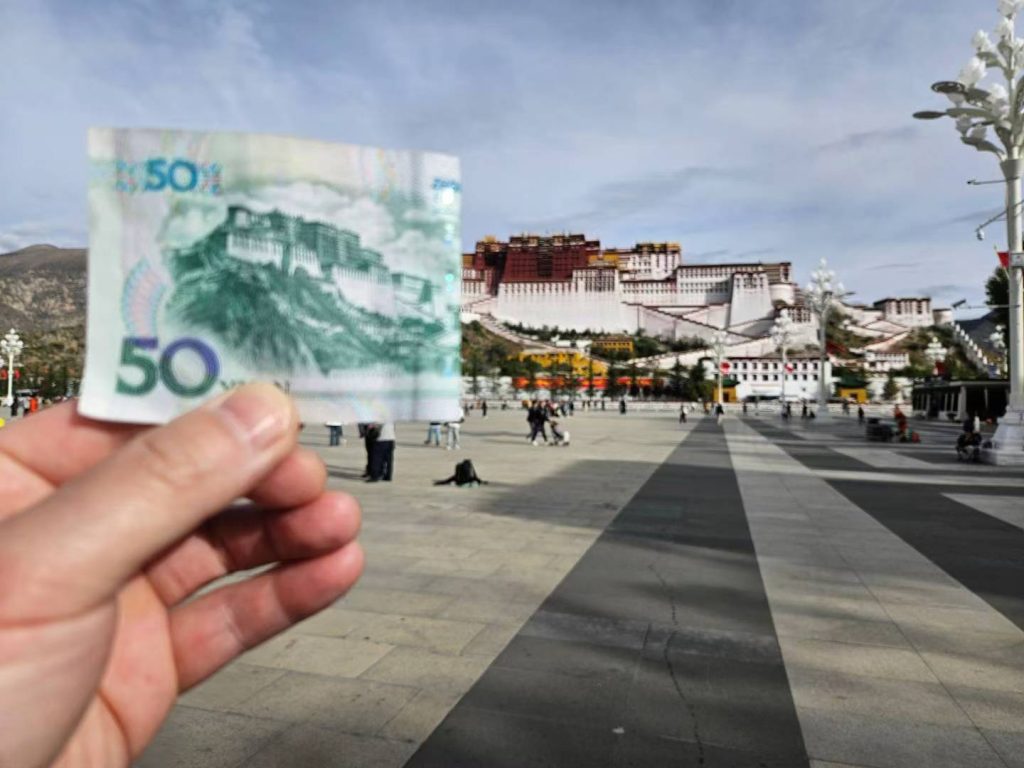
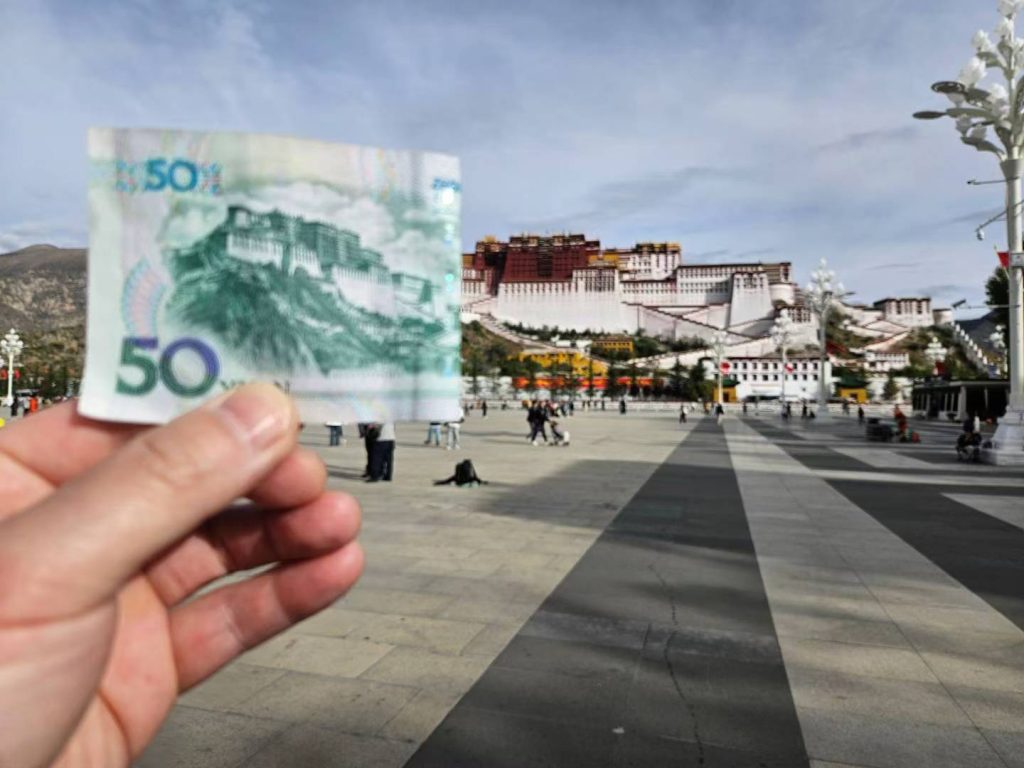
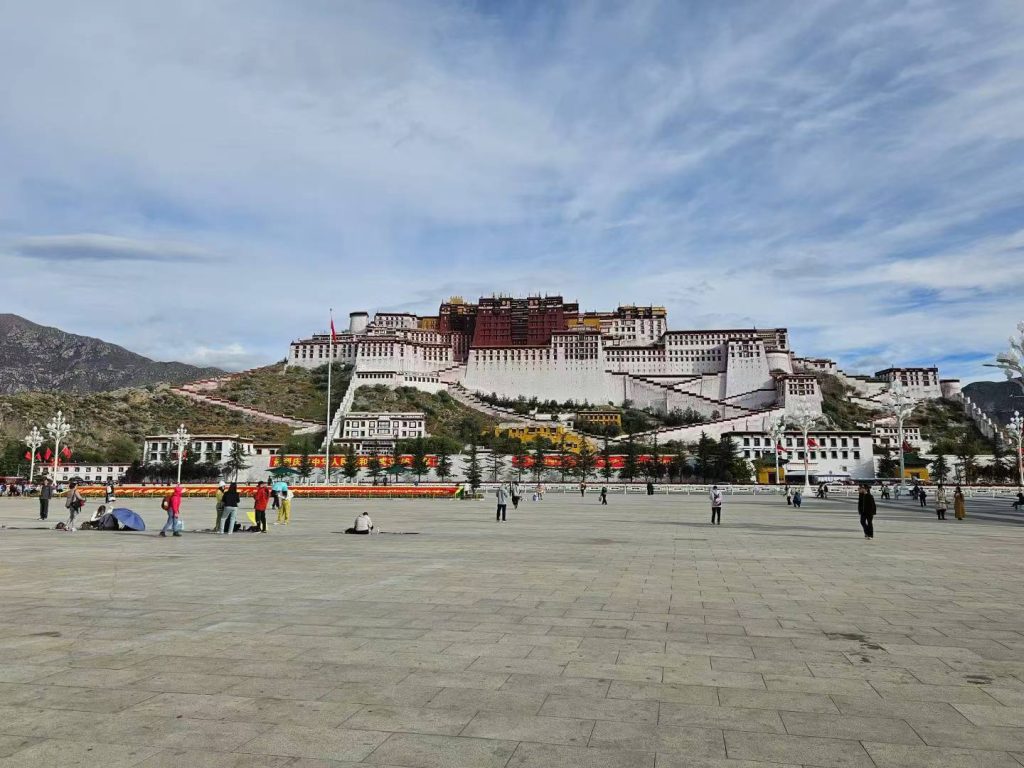
The first feeling in Lhasa was not a dramatic one. It was the steadiness of the summer morning: clean daylight, bright stone underfoot, and the Potala Palace rising above the plaza while the city was still easing into its day. In June, the sun in Lhasa is already strong by late morning, so we kept the first movement unhurried. That mattered for a first Tibet visit arriving from Singapore after a long stretch overseas – the body needs time before the camera does.
From the plaza, the traveler spent longer than most people do simply watching the flow of the square. Tour groups were forming, local families were walking across the open space, and the palace walls held their pale, heavy calm against the blue sky. We used that early window to let him settle into altitude naturally, with water, shade breaks, and a quiet pace before the more crowded center of the city.
Jokhang Temple, where a small mistake was solved fast
By the time we reached Jokhang Temple, the day had turned busier and more layered. Juniper incense moved through the air near the temple entrances, and the Barkhor circuit was alive with pilgrims turning prayer wheels and walking the kora in a steady, practiced rhythm. This was also where the trip’s one small friction point happened: he left his polarized sunglasses near the temple area after a stop for photos.
Lobsang checked the location immediately, and our driver stayed on the line while we retraced the timing of the stop. Within about an hour, the sunglasses were back in hand and the rest of the visit continued without any visible disruption. That kind of quick coordination matters in central Lhasa, where a simple item can disappear into a busy pedestrian flow if nobody acts fast. He kept walking, and the temple circuit still felt calm rather than interrupted.
Barkhor Street after the crowds soften
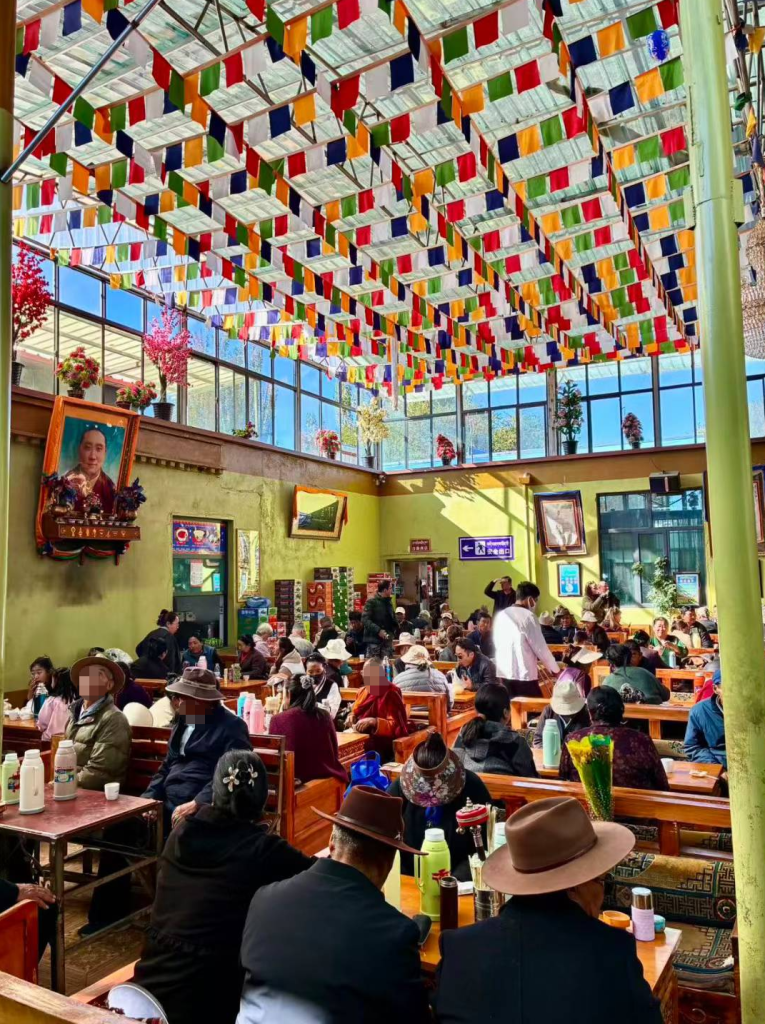
Later, the best moments came when the pace slowed. The afternoon light softened on Barkhor Street, and the traveler had time to watch the movement of pilgrims rather than just passing through it. This is where solo travel changed shape for him. He had come alone, but on the road he met people from different countries, and the group atmosphere gave the journey a social texture without taking away the privacy of a private tour.
We stayed close enough to help with timing and orientation, but not so close that the city felt managed. That balance is important in Lhasa. A traveler can still have his own quiet rhythm while knowing the driver is ready, the guide is nearby, and the next stop is already arranged. By late afternoon, with the sun still high and the shadows long across the old streets, the city felt both ancient and fully lived-in.
A summer evening that kept going
June in Lhasa leaves room for long evenings, and that gave the final stretch a different tone. The day did not close early the way it does in winter. Instead, the light lingered, and the city stayed active well into the evening, with the high plateau brightness giving every wall and rooftop a sharper edge. After the day’s main visits, the traveler had time to absorb what he had come for: not just the landmarks, but the feeling that the dream had finally moved from years of intention into a real street, a real temple gate, and a real summer sky.
For us, the most telling part of the journey was how naturally the day settled after the retrieval at Jokhang Temple. A solo traveler can arrive expecting a private trip to feel isolated, but here the route, the timing, and the small conversations along the way kept opening new layers. That is often what a first Tibet visit becomes: a sequence of landmarks, yes, but also a sequence of human adjustments – altitude, timing, strangers becoming companions, and one familiar dream finally becoming a lived day.
Field Notes from the Route
We kept the first days conservative on purpose, because June sunlight in Lhasa can be intense even when the air feels pleasant. That meant shade where possible, water at hand, and a driver who was ready to adjust pickup points instead of making the traveler walk farther than necessary between stops. The result was a trip that stayed composed. No one was hurried, and nothing important was left behind for long.
The best photo moments came in the open spaces – Potala Palace against the sky, Barkhor movement around Jokhang Temple, and the traveler’s own quiet pauses between those places. For a first Tibet visit, that mix of cultural depth and practical pacing gave the whole trip its shape. He arrived with one long-held dream, and he left with a route that felt both personal and well-held by the team.
Real Photos
Image Gallery
Traveler Quote
What This Journey Proved
"A solo traveler from Singapore found that the journey felt far less solitary once the road, the monastery courtyards, and the group conversations started to open up."
Practical Travel Tips
Practical Travel Tips From This Journey
- For a June first visit, pack strong sun protection. Lhasa light is intense even on comfortable days.
- Use the first 24-48 hours for gentle pacing, especially if your route begins with city sightseeing and temple visits.
- Keep small items zipped and close during Barkhor and Jokhang visits, where photo stops and crowd movement happen quickly.
- If you arrive by flight plus train, let the local team control transfer timing so the schedule stays calm after altitude changes.
- Private tours work especially well for solo travelers in Tibet because guide support, pickup timing, and photo windows can stay flexible.