
Tibet permit assistance
Foreign travelers need Tibet permits and route-specific arrangements. We review feasibility before treating the journey as confirmed.
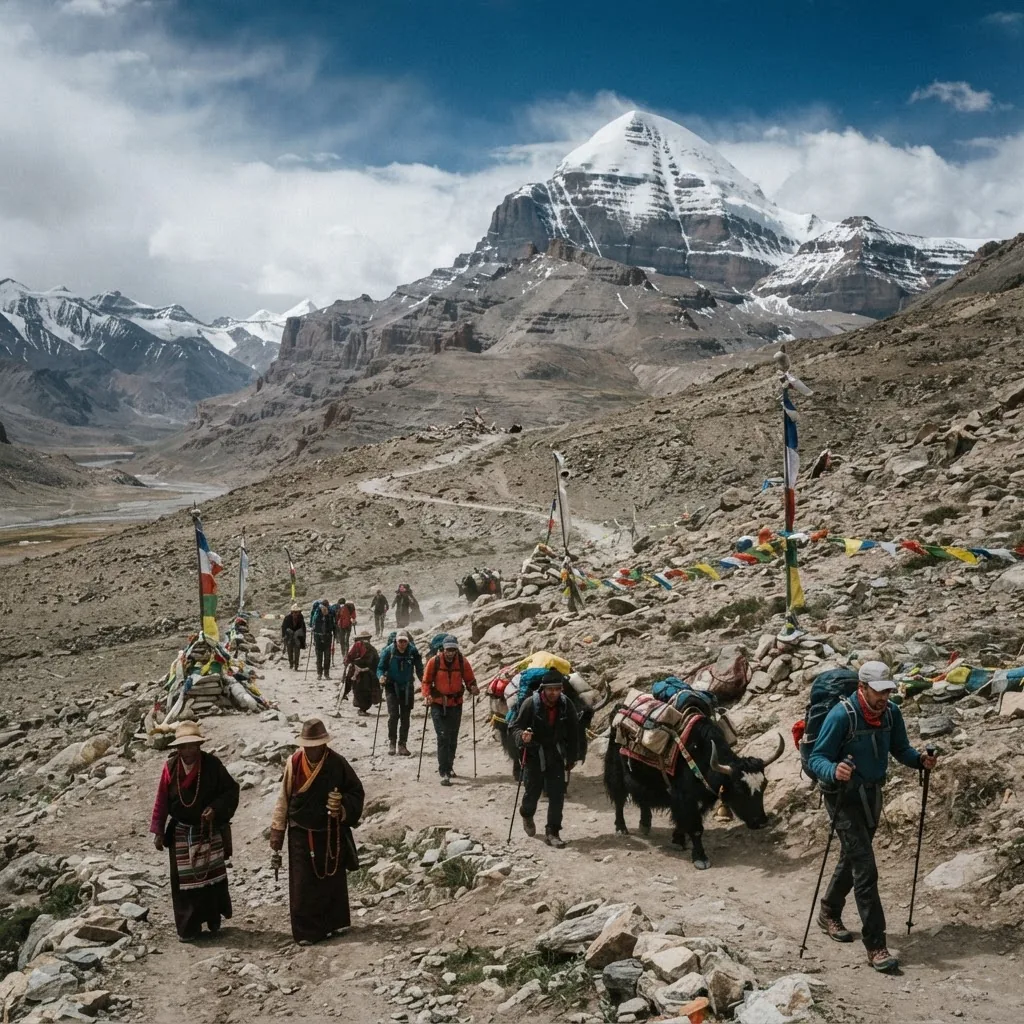
Sacred Western Tibet Pilgrimage
Explore one of the world's most sacred mountains with a carefully planned private Tibet journey. Experience Mount Kailash, Lake Manasarovar and ancient Himalayan landscapes with local support.
Foreign travelers need Tibet permits and route-specific arrangements. We review feasibility before treating the journey as confirmed.
Local guide, driver and operations support matter more on remote western Tibet routes than on simple city tours.
The route can be shaped around travel dates, spiritual focus, fitness, hotel expectations and realistic acclimatization needs.
The schedule protects acclimatization and avoids treating Mount Kailash like a rushed sightseeing stop.
Why Visit Mount Kailash?
This is not ordinary sightseeing. A Mount Kailash Tibet tour asks for time, patience and intention. The reward is a rare journey where landscape, faith, silence and personal endurance all become part of the experience.
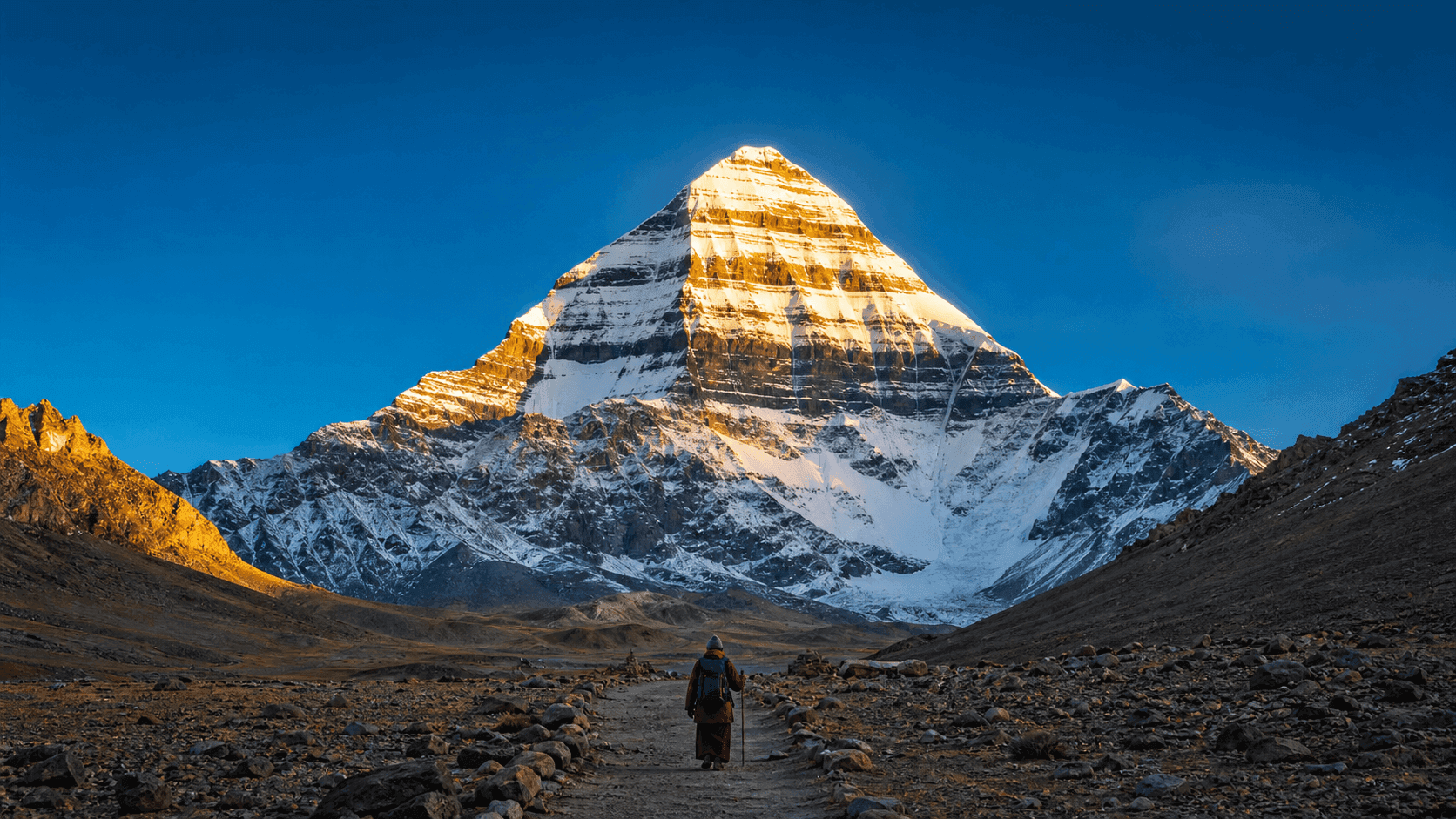
Mount Kailash is considered sacred in Tibetan Buddhism, Hinduism, Jainism and Bon traditions. The mountain has attracted pilgrims for centuries, and the journey is meaningful long before the first step of the kora begins.
The Mount Kailash kora is one of the world's most meaningful pilgrimage routes, combining physical effort, spiritual reflection and extraordinary high-altitude scenery around the sacred mountain.
Travel through western Tibet's dramatic plateau scenery, including high mountains, sacred lakes, open valleys and remote Tibetan villages that few international travelers ever reach.
Due to the extreme altitude, a successful Kailash journey requires proper preparation, measured pacing, flexible logistics and reliable local support from Lhasa to Darchen and back.
Mount Kailash Tour Highlights
The strongest Kailash journey is not built from one famous mountain alone. Sacred water, remote villages, open plateau roads and quiet preparation days all shape the pilgrimage experience.
The sacred destination at the heart of the journey, valued for its spiritual meaning, pilgrimage tradition and unforgettable Himalayan presence.
Visit one of Tibet's most sacred lakes, surrounded by snow-covered peaks and believed to hold deep spiritual significance for pilgrims.
The starting point of the Mount Kailash kora and an important stop for travelers preparing equipment, porter support and the pilgrimage route.
Experience the vast beauty of the Tibetan Plateau through remote landscapes rarely seen by international travelers.
Sample Itinerary
Use this as a planning framework, not a rigid group-tour schedule. Final pacing depends on permits, road conditions, altitude response, traveler fitness and whether the kora is included in full.
Customize This RoutePrivate arrival transfer, hotel check-in and a quiet first day for hydration and altitude adjustment.
Visit Potala Palace, Jokhang Temple, Barkhor Street, Drepung or Sera Monastery while keeping the pace calm.
Begin the overland journey with Yamdrok Lake or route stops depending on season, permits and road timing.
Travel across the plateau toward Saga, sacred Lake Manasarovar and Darchen near Mount Kailash.
Review weather, walking distance, porter or yak support, snacks, water, gear and personal readiness before the kora.
Complete the main pilgrimage section or begin the return route according to the confirmed itinerary and traveler condition.
Return toward Lhasa with recovery time, final guide support and departure transfer.
Who Is This Tour Suitable For?
Kailash is high-value and high-commitment travel. It is best for travelers who understand that remote Tibet requires patience, preparation and support rather than a simple attraction checklist.
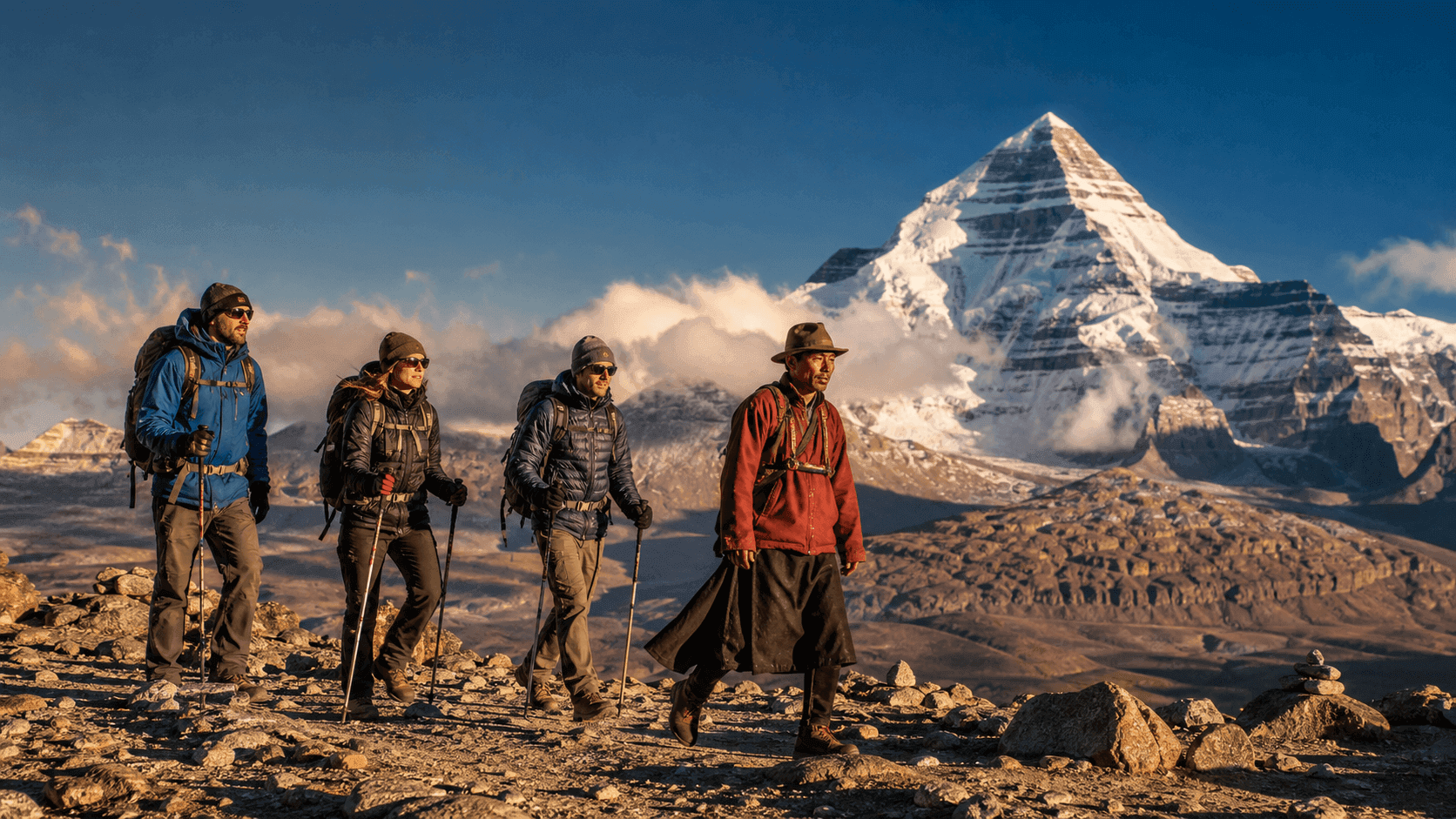
For travelers drawn by Buddhist, Hindu, Jain, Bon or personal spiritual meaning who want the journey handled with respect and care.
For experienced travelers comfortable with long drives, remote plateau conditions and demanding high-altitude walking.
For visitors who have already seen classic Tibet highlights and now want a deeper western Tibet pilgrimage route.
Altitude & Preparation
Preparation is part of the value of this page and the journey itself. Mount Kailash travel touches YMYL-ish safety concerns: altitude, weather, walking distance, equipment and physical readiness should be explained clearly before a traveler commits.
The Kailash kora is physically demanding and includes long walking days. We discuss your ability honestly before shaping the route.
The journey reaches very high elevations, including the Dolma La Pass area. Lhasa acclimatization and slow overland pacing are essential.
Western Tibet weather can change quickly. Wind, cold, sun exposure and road timing all affect comfort and daily decisions.
Layered clothing, broken-in walking shoes, sun protection, snacks, hydration and personal medication should be planned before arrival.
Common Questions
These answers cover access, difficulty, duration, permit requirements and the best season for planning a Mount Kailash pilgrimage tour in Tibet.
Mount Kailash can be visited by foreign travelers when the route is open and the required Tibet permits and local arrangements are approved. Access can change because of official controls, season, road conditions or regional rules, so we confirm feasibility before finalizing the itinerary.
The Mount Kailash kora is demanding because of altitude, distance, weather and the high Dolma La Pass section. Even fit travelers should prepare carefully, walk slowly and consider porter or yak support when available.
Most Mount Kailash journeys from Lhasa need around 12 to 15 days. A shorter route may feel rushed and leaves less room for altitude adjustment, road conditions, weather changes and recovery after the kora.
Foreign travelers need a Tibet Travel Permit and usually additional route permits for western Tibet and Mount Kailash areas. Requirements depend on nationality, visa status, route, timing and official approval, so permit planning must be part of the itinerary from the beginning.
Late spring to early autumn is generally preferred for Mount Kailash travel, especially May to June and September to early October. Summer can be warmer but may bring rain in some areas, while colder seasons require more caution and route confirmation.
Begin Your Mount Kailash Journey
Tell us your travel dates, spiritual focus, fitness level and comfort expectations. We will help shape a realistic Mount Kailash and Lake Manasarovar route before final arrangements are confirmed.