
How to Choose a Tibet Travel Agency: Permits, Tour Types, and Key Questions

A Tibet travel agency is not just a seller of hotel rooms and sightseeing stops. For most foreign travelers, the right agency is the one that can explain permit-related limits clearly, match you to the right tour style, show transparent booking terms, and tell you what is fixed versus what can be customized. That matters more than a low headline price, because the biggest mistakes in Tibet trip planning usually come from misunderstandings about permits, route suitability, altitude pace, and cancellation risk.
The practical way to compare a Tibet travel agency is to look at four things in order: permit handling, trip fit, policy clarity, and communication quality. This article focuses on those decision points. It is not a list of generic travel tips. It is a buyer’s guide for travelers who want to judge whether an agency can realistically support the kind of Tibet trip they want.
What a Tibet Travel Agency Actually Handles for You
The first job of a Tibet travel agency is usually administrative, not inspirational. According to Tibet Journey’s Tibet permit terms, permit-related processing comes with specific conditions and traveler responsibilities, which means the agency’s value starts with paperwork accuracy and route planning that fits those rules.
That leads to an important judgment: a good Tibet agency should tell you early what documents are needed, what parts of the process are outside the traveler’s control, and how your planned route affects timing. If an agency stays vague on those points and shifts the conversation straight to deposits or discounts, that is a warning sign.
The second job is itinerary coordination. In Tibet, itinerary design is not only about attractions. It also affects pacing, road time, accommodation expectations, and how comfortably you adapt to altitude. An agency that asks about your travel history, comfort preferences, and purpose of the trip is usually doing more useful work than one that sends the same schedule to every inquiry.
How to Tell If an Agency Fits Your Travel Style
Travelers often compare agencies as if every Tibet trip were interchangeable. That is a beginner mistake. The better question is whether the agency can support the kind of trip you actually want.
| Travel Goal | What to Look For in an Agency | Best Fit Example |
|---|---|---|
| First-time cultural trip | Clear pacing, practical guidance, transparent inclusions, manageable hotel and transport standards | Premium comfort Tibet tour |
| Photography-focused travel | Flexible timing, strong route design for light and landscapes, patience for stops rather than rushed sightseeing | Photography-focused Tibet tour |
| Pilgrimage or trekking | Realistic physical expectations, overland logistics, route-specific planning, less emphasis on soft comfort | Trekking and pilgrimage Tibet tour |
| Spiritual and monastery-focused visit | Cultural depth, slower temple and local interaction time, less pressure to cover every landmark | Spiritual immersion Tibet tour |
A first-time European traveler may think a cheaper fast-moving group itinerary is the safe option. In practice, that can be the wrong fit if they care about comfort, photography time, or slower altitude adjustment. By contrast, a traveler who already knows they want pilgrimage routes or long drives should not judge agencies mainly by hotel category, because route handling and physical suitability matter more.
The core insight is simple: the best Tibet travel agency is usually the one whose default planning logic matches your real purpose. Price matters, but trip design matters first.
The Key Questions to Ask Before You Book
Ask these questions before paying a deposit. The answers will usually tell you more than marketing copy.
- What exactly is included in permit support? Use the agency’s own published conditions, such as Tibet Journey’s Tibet permit terms, to compare what is handled by the operator and what still depends on traveler documents and timing.
- Is this itinerary fixed, semi-custom, or fully customizable? Some travelers need certainty. Others need flexibility for photography, spiritual visits, or comfort pacing.
- How many long driving days are involved? A scenic route may still be a poor fit if the trip turns into repeated transit days with little recovery time.
- What happens if permits, weather, transport disruption, or force majeure affect the trip? This is where published policy matters. Tibet Journey’s terms and force majeure policies are the kind of source travelers should read before booking.
- What kind of traveler is this tour not suitable for? Honest agencies answer this directly. Evasive agencies usually do not.
That last question is especially useful. A reliable operator should be able to say, for example, that one route suits active travelers better, while another suits travelers who prioritize comfort and shorter daily strain.
Common Mistakes Travelers Make When Comparing Tibet Agencies
Choosing on price before checking fit. The cheapest offer can become the expensive mistake if it creates rushed routing, poor acclimatization pacing, or a tour style that does not match your goal.
Assuming permit support means unlimited flexibility. Agency permit help is valuable, but it does not mean every route, timing request, or last-minute change is possible. That is why published permit terms matter more than verbal reassurance.
Ignoring policy language. Many travelers read the itinerary and skip the booking conditions. That reverses the real risk order. In a destination with permit and operational variables, cancellation, change, and force majeure terms can affect your financial exposure as much as the trip price itself.
Comparing group and private travel as if only the cost changes. The real differences are pacing, privacy, stop flexibility, hotel control, and how much the itinerary can reflect your purpose. A photographer, pilgrim, or comfort-first traveler often feels those differences much more than a simple budget traveler does.
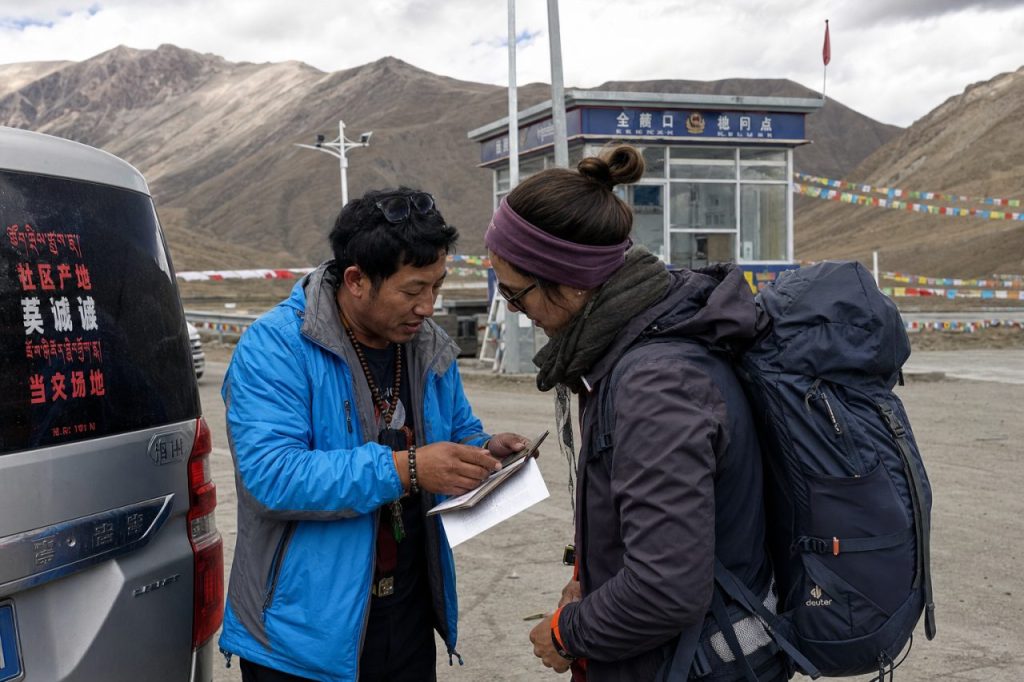
Failing to test communication quality. Before booking, ask two or three detailed questions in one message. A strong agency usually replies with specific answers, clear boundaries, and practical next steps. A weak one often replies with sales language and little substance.
Pros and Cons of Different Agency Styles
Budget-focused operators can work for travelers with simple expectations and fixed dates. The tradeoff is often less flexibility and a more standardized pace.
Specialized itinerary operators are often better for photography, trekking, pilgrimage, or spiritual travel because the route logic is built around a purpose. The tradeoff may be a higher cost or narrower availability.
Comfort-oriented operators suit first-time visitors, older travelers, or mixed-ability couples who want smoother pacing and accommodation standards. The tradeoff is that these trips may cost more than basic shared itineraries.
When You Should Move to the Next Step
Move forward with an agency when three things are true: the permit process has been explained in plain language, the itinerary clearly matches your travel goal, and the booking terms are easy to understand in writing. If any of those remains fuzzy, keep comparing.
For many travelers, the smart next step is not immediate booking. It is narrowing your trip style first: comfort-focused, photography-led, trekking-oriented, or spiritually focused. Once that is clear, the right agency becomes easier to identify because you are comparing real fit, not just brochure promises.
If you are at that stage, review the agency’s published Tibet permit terms, then compare the most relevant itinerary style such as a premium comfort Tibet tour, photography-focused Tibet tour, trekking and pilgrimage Tibet tour, or spiritual immersion Tibet tour. That sequence reduces the most common booking mistakes and gives you better questions to ask before paying anything.
Disclaimer: Permit handling, route access, transport conditions, and trip operations can change. Always rely on the agency’s current written terms and any official travel documentation provided for your specific departure before making payment or final travel arrangements.
Planning Scope
Use this article as a planning reference, not a final commitment
Last reviewed
July 10, 2026
Best for
Foreign travelers comparing permit timing, route choices, comfort levels and private Tibet planning options.
Important note
Permits, border access, road conditions, hotel scope and service details are confirmed during direct trip planning and not guaranteed by article text alone.
Editorial Standards
Why readers can use this as a planning reference
Written for foreign travelers
The guidance is framed around private Tibet trip planning, permit timing and route decisions that overseas guests actually face.
Reviewed against live planning flow
We align blog content with the same practical route and permit considerations used in our itinerary and inquiry pages.
Final trip details are confirmed directly
Articles are educational references. Actual permits, route pacing, access and service scope are confirmed during direct trip planning.
Need a custom route?
Get a private Tibet plan based on your dates, pace and permit timeline
We can turn this guide into a real itinerary with hotel pacing, permit handling and guide support.
Design Your TripYou Might Also Like
Common Questions
Questions Readers Usually Ask Next
These answers help bridge the gap between reading and actually planning a trip.
How do I know this article is relevant to my trip?
We write around permit rules, route planning, and practical travel decisions that affect foreign travelers directly.
What should I do after reading this guide?
Use the guide as a starting point, then compare your dates and route with a specialist before booking anything.
Can this article help me plan a real itinerary?
Yes. The articles are designed to connect into our route planning and permit workflow, not just sit as isolated reading.