
Why a Tibet Private Tour Costs So Much for Solo Travelers
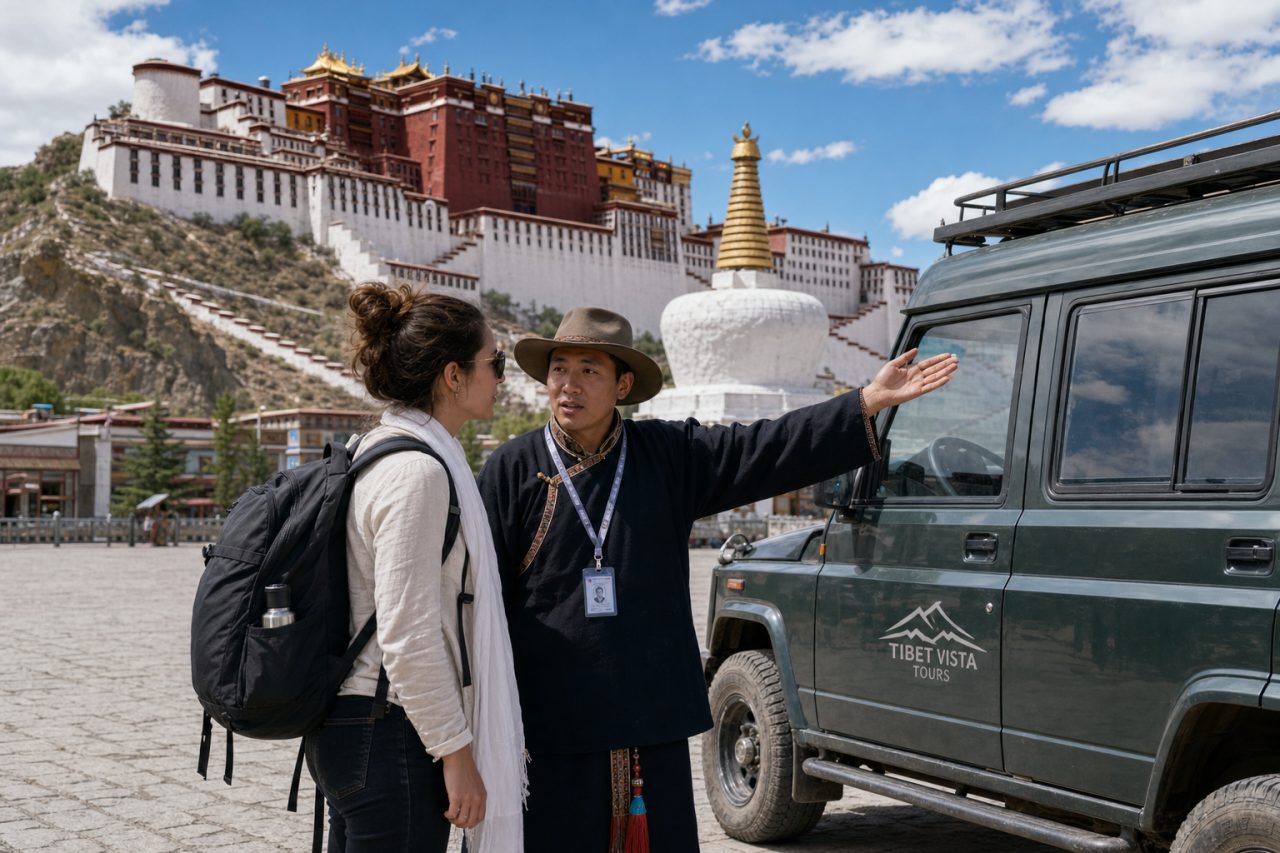
If you are a solo traveler comparing Tibet quotes, the high price usually is not random markup. The main reason is that a Tibet private tour is built from fixed logistics that do not shrink much for one person: permit handling, guide service, vehicle use, route coordination, and hotel bookings still have to be arranged whether one traveler or four travelers are on the trip.
The practical decision is simple: if you want maximum flexibility and comfort, a private tour can still make sense. If your main goal is value for money, the solo premium is often large enough that a shared group tour, a shorter route, or a lower-season departure is the better fit.
Tibet travel also has entry and permit rules that shape how tours are sold. A Tibet permit is required for most foreign travelers, and operators typically package the paperwork with the trip itself, which adds administrative overhead rather than disappearing for a solo booking. For entry-rule context, see Tibet Group Visa vs China Tourist Visa: What Foreign Travelers Need to Know.
The fixed costs that stay high for one person
The biggest reason solo pricing feels expensive is that several core items are not truly per-person in the way a city hotel night is. A vehicle still needs a driver, fuel, insurance, and routing time. A licensed guide still has to accompany the trip. The agency still has to coordinate permits, transfers, and schedule changes.
That means the operator cannot spread those costs across multiple travelers. In a couple or small group, the vehicle and guide cost are shared. In a one-person booking, the same service is being carried by one budget instead of two or three.
Permit-related processing is another fixed element. Foreign travel in Tibet is tightly managed, and the paperwork is part of the trip product, not an optional add-on. That does not mean the permit itself is always the largest cost line, but it does mean the booking cannot be priced like a normal independent trip.
The biggest price drivers
Route length matters first. A short Lhasa-focused trip is usually easier to price than a longer itinerary that reaches Shigatse, Everest Base Camp, Mount Kailash, or remote prefectures. More distance means more vehicle hours, more hotel nights, and more coordination risk.
Season matters next. High-demand periods increase pressure on hotels, drivers, and route availability. If you are trying to understand why timing changes cost, the seasonal demand pattern is one reason. September is often expensive because it combines strong weather, high interest, and limited room inventory; see Is September a Good Time to Travel to Tibet? Weather, Crowds, Costs, and Best Routes.
Hotel level can change the quote sharply. A private tour that includes better hotels is not just charging for a room upgrade; it also changes the type of property the operator must secure in a restricted market. For travelers worried about comfort and altitude recovery, hotel choice becomes part of both price and trip quality. A useful comparison is How to Avoid Altitude Sickness in Lhasa: Luxury vs Budget Hotels.
Transport style is the other major driver. A private SUV for one person is inherently inefficient. If the itinerary requires long transfers on plateau roads, the vehicle cost can dominate the package, especially when there is no one else to share it.
What a solo traveler can usually reduce
The easiest way to lower cost is to shorten the route. Fewer destination days means fewer hotel nights, fewer driving days, and less guide time. For many first-time travelers, a Lhasa-centered trip gives the best value because it keeps logistics simpler.
Another option is to travel in a shoulder period rather than a peak month. That can reduce pressure on hotels and some operator pricing, though it will not eliminate the fixed trip structure. Do not expect a dramatic drop if your route still requires long transfers or premium lodging.
Choosing a basic hotel category is a real savings lever. It will not change the permit cost, but it can lower the total meaningfully. The trade-off is comfort, sleep quality, and how well you recover at altitude, which is why the cheapest room is not always the best decision for a first visit.
The most important money-saving move is to ask for a line-item quote. A proper quote should separate transport, guide service, hotels, permits, and any route-specific extras. If the package looks expensive but the breakdown is transparent, the price may be structurally normal rather than padded.
When a private tour is still worth it
A private tour makes sense when your schedule is fixed, you want a specific route, or you value flexibility over price. It is also easier if you are traveling with gear, want slower pacing, or need more control over stops and acclimatization.
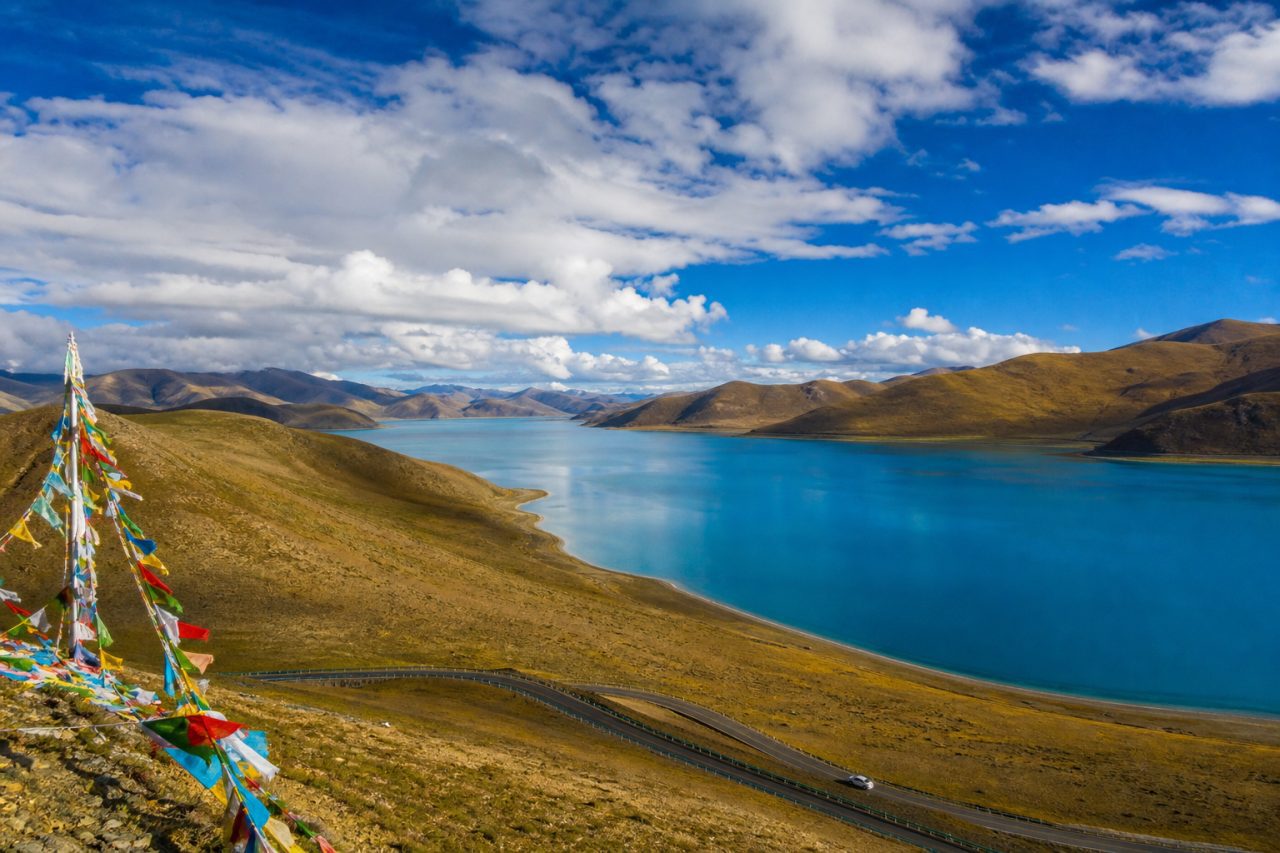
Private travel can also be the right choice for high-decision itineraries where a small group would move too fast or make the trip less comfortable. On remote routes, the premium can buy better pacing and less friction, which matters more than the sticker price if the trip is a once-in-a-lifetime plan.
It is usually not the best choice when your main goal is to keep the trip affordable. In that case, paying a solo premium for a private vehicle and guide often delivers less value than waiting for a group departure or changing the route to a shorter, more common itinerary.
Simple decision rule
Choose a private solo tour if you need flexibility, want a custom route, or accept higher cost as the price of convenience. Choose a shared group format if your priority is reducing the fixed-cost burden.
If you are unsure, compare three quotes for the same trip length: solo private, small-group shared, and a shorter private version. That comparison usually shows where the expensive part lives. In many cases, the answer is not to reject Tibet travel altogether; it is to change the format so the fixed logistics stop working against one traveler.
Service fit
Dynamic Trust & Reassurance Block
Use this article as a planning reference, not a final commitment
Service fit
For "Why a Tibet Private Tour Costs So Much for Solo Travelers", value depends on route complexity, hotel level, season, group size and how much private support you expect.
Decision support
Use this article to clarify which comfort level, flexibility and service scope fit your budget before requesting a proposal.
Before you commit
Before committing, confirm inclusions, exclusions, hotel standards, vehicle arrangements and guide support in the final quote.
Last reviewed: July 19, 2026
Start Custom PlanningPrivate trip planning
Need a Tibet plan that fits your comfort level?
Tell us your budget, hotel expectations and travel style. We can explain realistic private tour options before you commit.
Start Custom PlanningYou Might Also Like
Jul 22, 2026
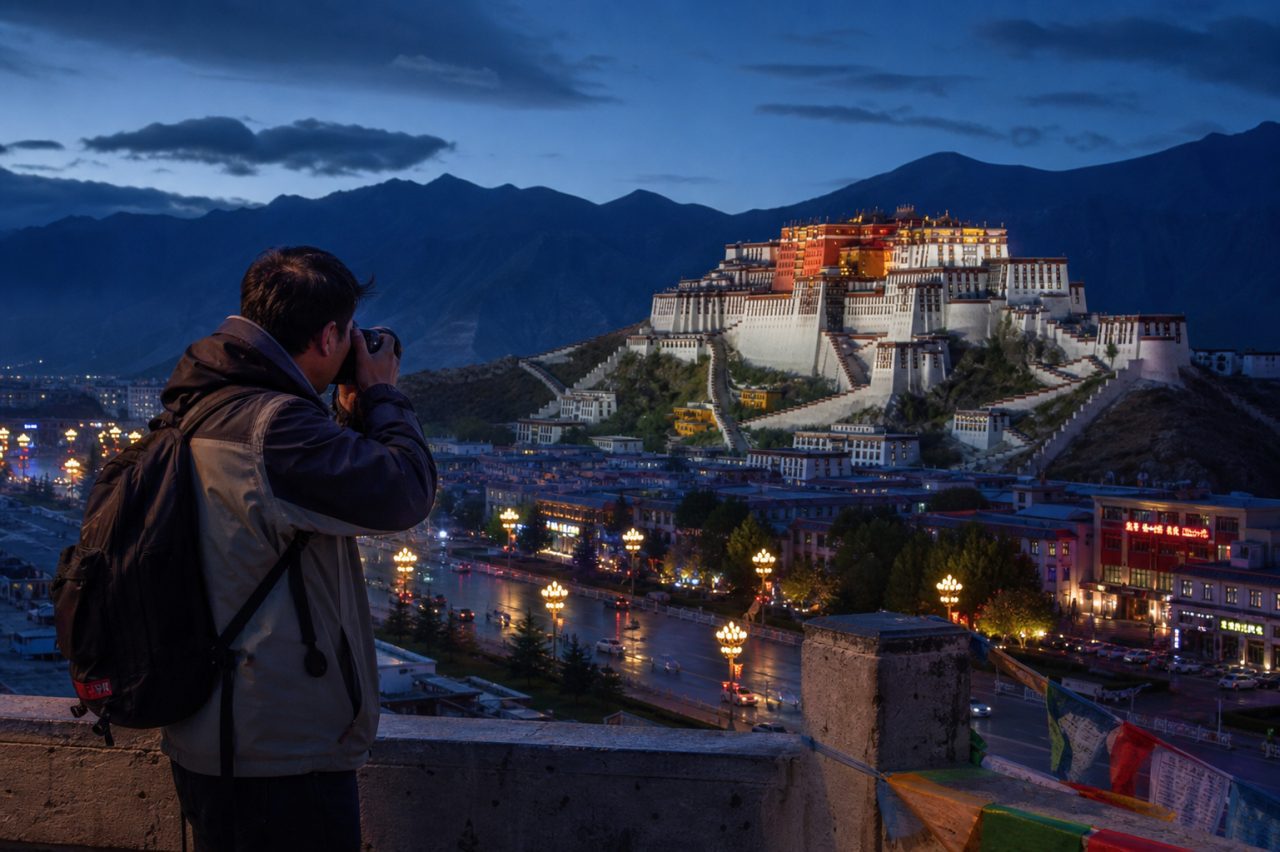
Tibet Photography Guide: Best Places, Camera Rules, and Drone Restrictions
Plan where to sh…
Jul 22, 2026
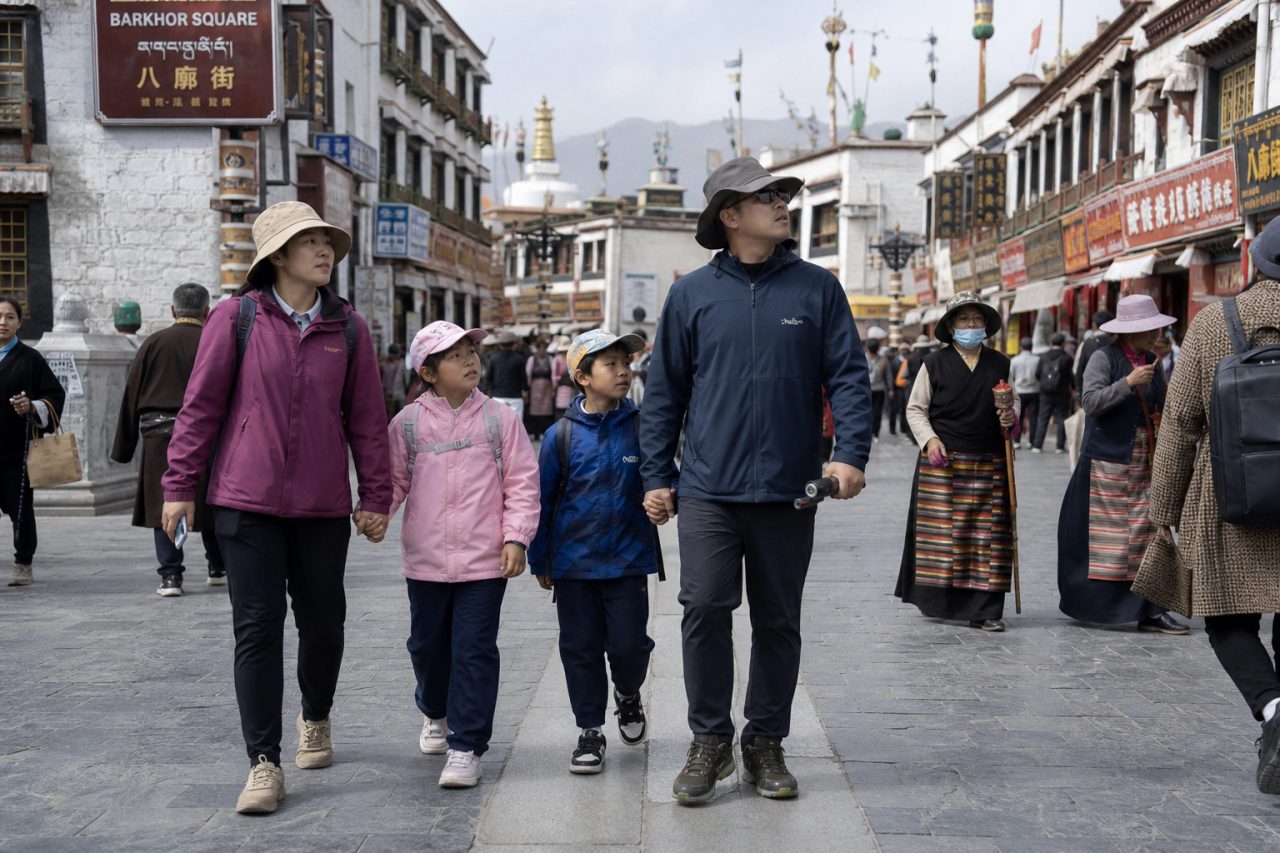
Tibet with Kids: Family-Friendly Routes, Age Limits, and Comfort Planning
Planning Tibet w…
Jul 22, 2026
Tibet Travel Insurance Guide: What Policies Should Cover for Remote Trips
Choosing Tibet t…