
2026 Lhasa Luxury Travel Itineraries: How to Choose the Right Private Tibet Trip
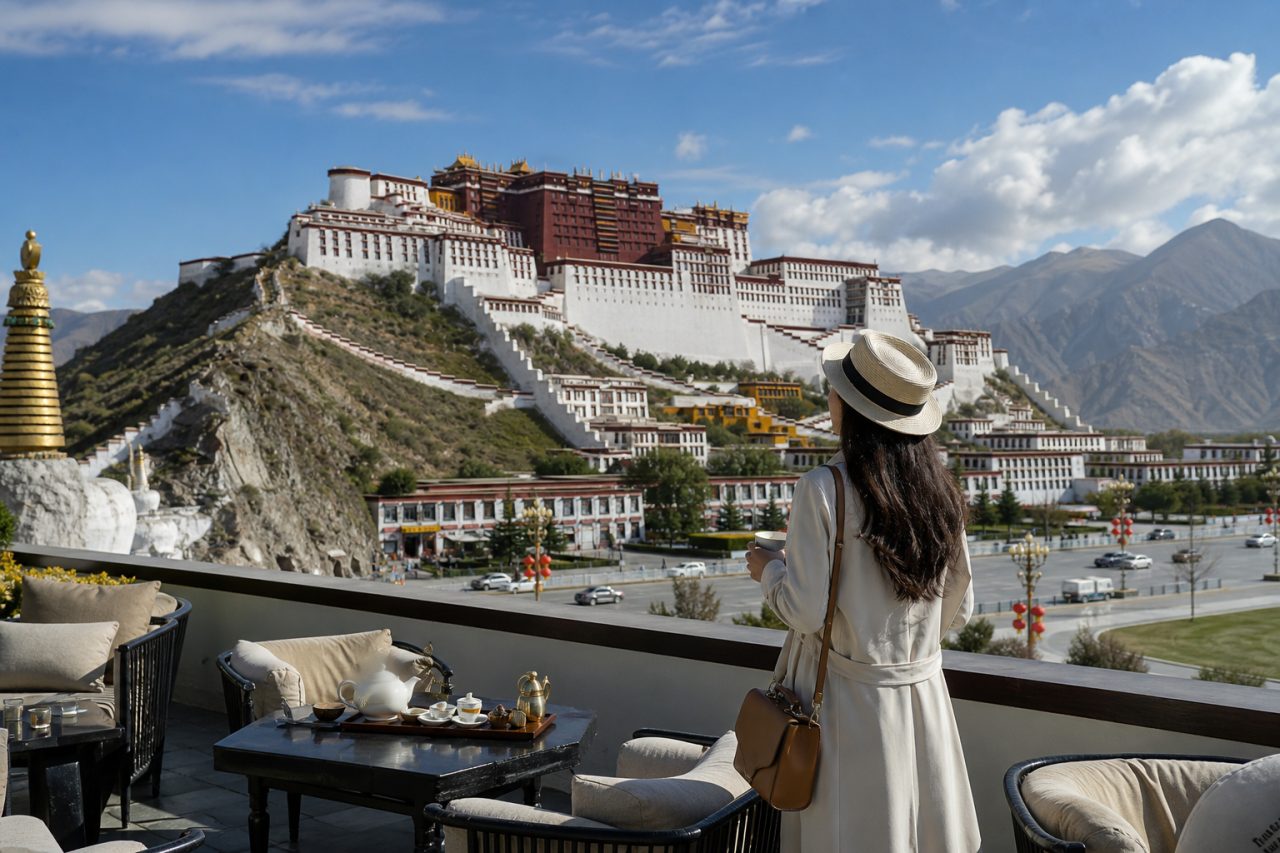
If you are researching 2026 Lhasa luxury travel itineraries, the real decision is not simply which sights to include. It is whether your trip should prioritize private pacing, altitude comfort, premium hotel recovery, and cultural depth in Lhasa, or stretch farther for bigger scenery at the cost of more road time and less physical ease.
For most first-time premium travelers, the strongest choice is a 4- to 5-night private Lhasa itinerary. It gives you enough time to acclimatize, stay in a better hotel, and experience the city without turning the trip into a checklist. A longer Lhasa-focused route suits travelers who want deeper monastery visits and a calmer cultural pace. Adding Everest Base Camp makes sense only if the overland journey itself matters enough to justify more driving and simpler conditions outside the city.
This guide stays focused on that decision: how long to stay, when Lhasa-only is better, when to add Everest, what luxury really means in Lhasa, and how season and altitude should shape the itinerary before you request a custom quote.
What a Lhasa luxury itinerary should achieve in 2026
A genuine luxury Tibet itinerary is not defined only by a higher room category. In Lhasa, it usually means private logistics, a slower first day, sensible sightseeing order, better recovery time at altitude, and hotel standards that support rest rather than just provide a bed.
That is why many travelers are better served by fewer places and better pacing. If you spend the first days adjusting to altitude, a rushed route can feel less premium no matter how much you pay. For a Lhasa-centered option built around that logic, the Private Lhasa Tibet Tour is the most relevant starting point.
Which itinerary length fits your travel style
4 to 5 nights: best for most first-time luxury travelers
This is the best fit if you want comfort, privacy, and a strong first Tibet experience without unnecessary strain. It works especially well for couples, older travelers, and anyone who wants a premium trip to feel calm rather than ambitious.
A good version of this itinerary normally includes arrival and rest, major Lhasa landmarks spaced over several days, and time to enjoy the hotel rather than only sleep in it. Travelers comparing private and shared formats often find that private custom tours vs. group tours becomes less about status and more about energy management.
6 to 8 days: best for deeper culture without long overland fatigue
Choose this if your priority is a richer Lhasa region experience rather than maximum distance. It suits travelers who want more monastery time, slower mornings, nearby valley or cultural excursions, and enough margin to absorb altitude without sacrificing the quality of the day.
This option often delivers the best balance of substance and comfort. You see more than a short city stay, but you avoid the common mistake of assuming that a longer route is automatically better for a premium trip.
Lhasa plus Everest: best only if scenery matters more than urban comfort
An Everest extension is a powerful choice, but it changes the character of the trip. Once you leave Lhasa, you should expect longer driving days and a more expedition-style rhythm, even if the planning and vehicle standard are private and well managed.
For travelers who actively want the overland experience, the Everest Base Camp Tibet Tour is the natural next route to consider. It is less suitable for travelers whose main goal is relaxed luxury, fine hotel downtime, or minimal physical disruption.
When to stay in Lhasa and when to add an extension
Choosing the right route depends on time, altitude comfort, and desired experience. If your trip is about cultural immersion, premium rest, and a polished first Tibet visit, staying centered on Lhasa is usually the better decision.
Add Everest only when the landscape itself is a core goal and you accept that part of the journey will feel less refined than city-based luxury travel. Many first-time visitors overvalue iconic geography and undervalue recovery time. In Tibet, that often leads to a trip that looks impressive on paper but feels harder than expected in real life.
How altitude changes luxury itinerary design
Altitude is the main reason luxury itinerary planning in Lhasa should start with pace rather than landmarks. Travelers respond differently, and even fit, well-traveled guests can feel the effect of elevation during the first days. For practical planning around comfort and recovery, how to avoid altitude sickness in Lhasa is a useful supporting guide.
A practical luxury adjustment is simple: arrive, rest properly, avoid stacking too much into day one, and keep the first two sightseeing days measured. That does not make the trip less rewarding. It usually makes the whole experience feel more exclusive, because you are actually able to enjoy where you are. For personal risk, symptoms, or medication questions, travelers should confirm plans with a qualified medical professional before travel.
Travelers with elderly parents or children often benefit even more from this slower structure. If that is your situation, a Lhasa-focused plan is usually more comfortable and may be a more suitable option than a landmark-heavy route, and family travel to Tibet offers useful expectation setting.
What premium hotel expectations are realistic in Lhasa
Luxury in Lhasa should be understood realistically. You can find internationally branded high-end accommodation in the city, including the official St. Regis Lhasa Resort overview, which indicates that premium resort-style lodging is available in Lhasa. That supports the case for a high-comfort city stay, especially for acclimatization and private pacing.
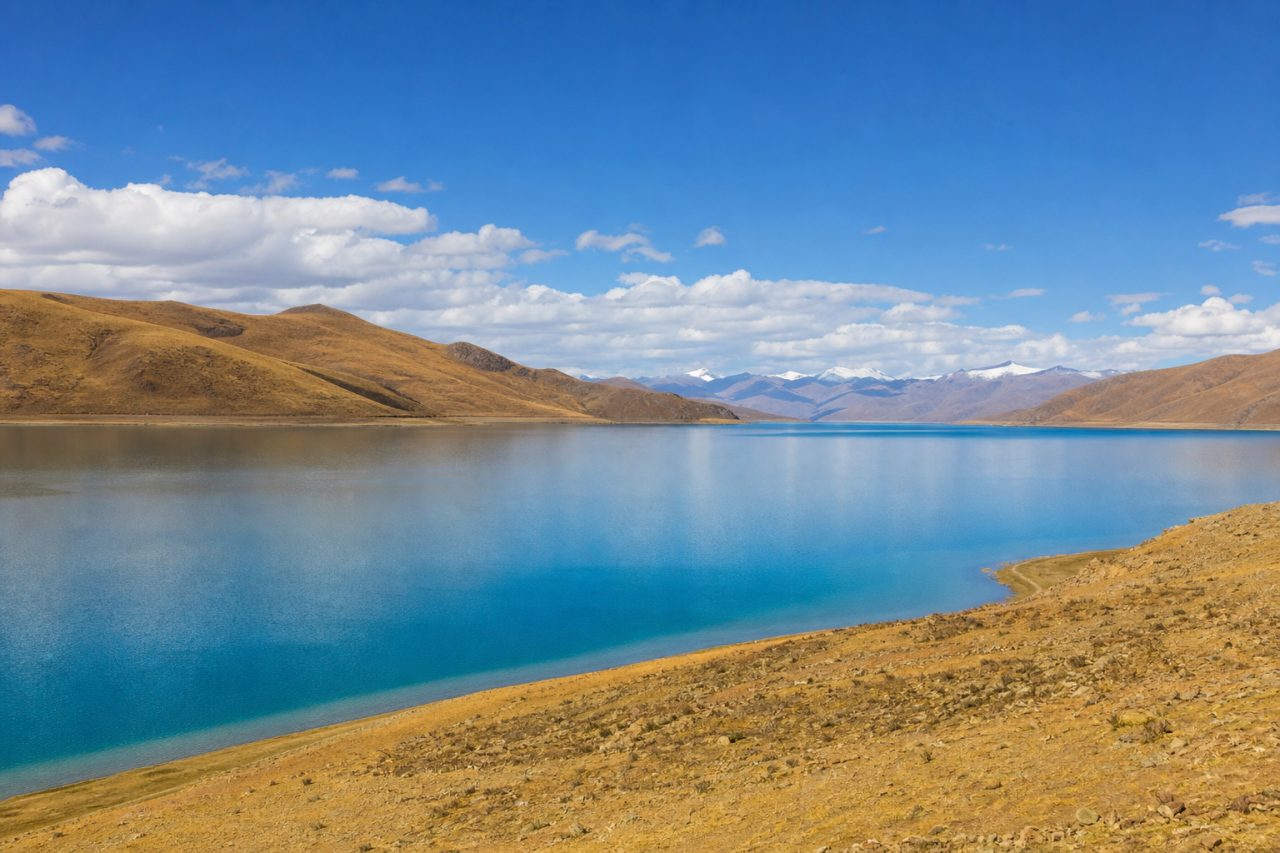
At the same time, travelers should not assume that every element of luxury travel in Tibet matches major gateway cities in East Asia or Europe. Room categories, service details, renovation status, and 2026 availability should be confirmed directly before booking, especially in peak periods. A realistic premium trip is built on the right expectations: good hotel choice, strong coordination, and enough time to enjoy the property.
If hotel selection is central to your decision, the guide to top luxury hotels in Lhasa helps narrow the right standard before you finalize the route.
Which season is best for a luxury Lhasa trip
For seasonal planning, the most useful external reference here is Lhasa year-round climate averages from WeatherSpark. It is a climate-average source, not a 2026 forecast, but it is good for comparing travel windows.
In practical terms, spring and autumn are often the easiest recommendation for premium travelers who want a balance of clearer travel conditions, comfortable sightseeing, and strong photographic light. Summer can be rewarding for greener landscapes, but actual week-of-travel weather can vary and should be checked closer to departure. Winter can work well for travelers who value quieter atmospheres and accept colder mornings in exchange for a different pace.
The right season depends on what you want luxury to mean. If it means smoother walking conditions and comfortable city exploration, shoulder seasons are usually the best fit. If it means dramatic scenery and you are flexible about daily conditions, summer or winter may still work with the right expectations and packing plan. Clothing choices should be matched to the season rather than assumed from the hotel category, and what to wear in Tibet by month is the most practical next read.
What to prepare early for 2026
The biggest planning mistake is waiting until the itinerary is fixed in your head before testing whether the pace is realistic. Start with the route shape, hotel standard, and altitude tolerance. Then confirm permit handling, transport timing, and room availability through a live planning process.
For permit-related preparation, use the Tibet Travel Permit Guide as planning support, but treat timelines and requirements as items to reconfirm before documents are submitted because current rules can change. The same principle applies to flights, trains, and premium transfer pricing. Final trip costs should be confirmed in a live quote because they can vary by season, hotel level, route, group size, and current availability. If entry style affects your comfort plan, Tibet train vs flight is worth reviewing before you choose arrival logistics.
Who should move to a custom itinerary now
You are ready for custom planning if you already know one of these three things: you want a calm Lhasa-only luxury trip, you want a deeper cultural route without overland fatigue, or you definitely want Everest and accept the trade-off in comfort. At that point, the value is no longer in reading more generic Tibet content. It is in aligning the route, hotel level, and daily pace around your actual priorities.
If your goal is a premium trip that feels measured rather than rushed, a tailor-made Tibet tour is the right next step. The best 2026 Lhasa luxury itinerary is usually the one that leaves space for altitude, recovery, and enjoyment, not the one that tries to cover the most ground.
Disclaimer: hotel rates, room availability, transport schedules, permit handling details, and final trip pricing for 2026 should be confirmed directly during trip planning before booking or document submission.
Route suitability
Dynamic Trust & Reassurance Block
Use this article as a planning reference, not a final commitment
Route suitability
For "2026 Lhasa Luxury Travel Itineraries: How to Choose the Right Private Tibet Trip", the right route depends on available days, altitude comfort, transport preference and the experience you want to prioritize.
Decision support
Use this article to compare route trade-offs, pacing and must-confirm logistics before choosing a final itinerary.
Before you commit
Before committing, confirm permit feasibility, road access, hotel availability, physical difficulty and your preferred travel pace.
Last reviewed: July 21, 2026
Design Your RouteRoute design support
Need help turning this route idea into a real plan?
We can help adjust the itinerary around your dates, pace, altitude comfort, permit needs and must-see places.
Design Your RouteYou Might Also Like
Jul 21, 2026
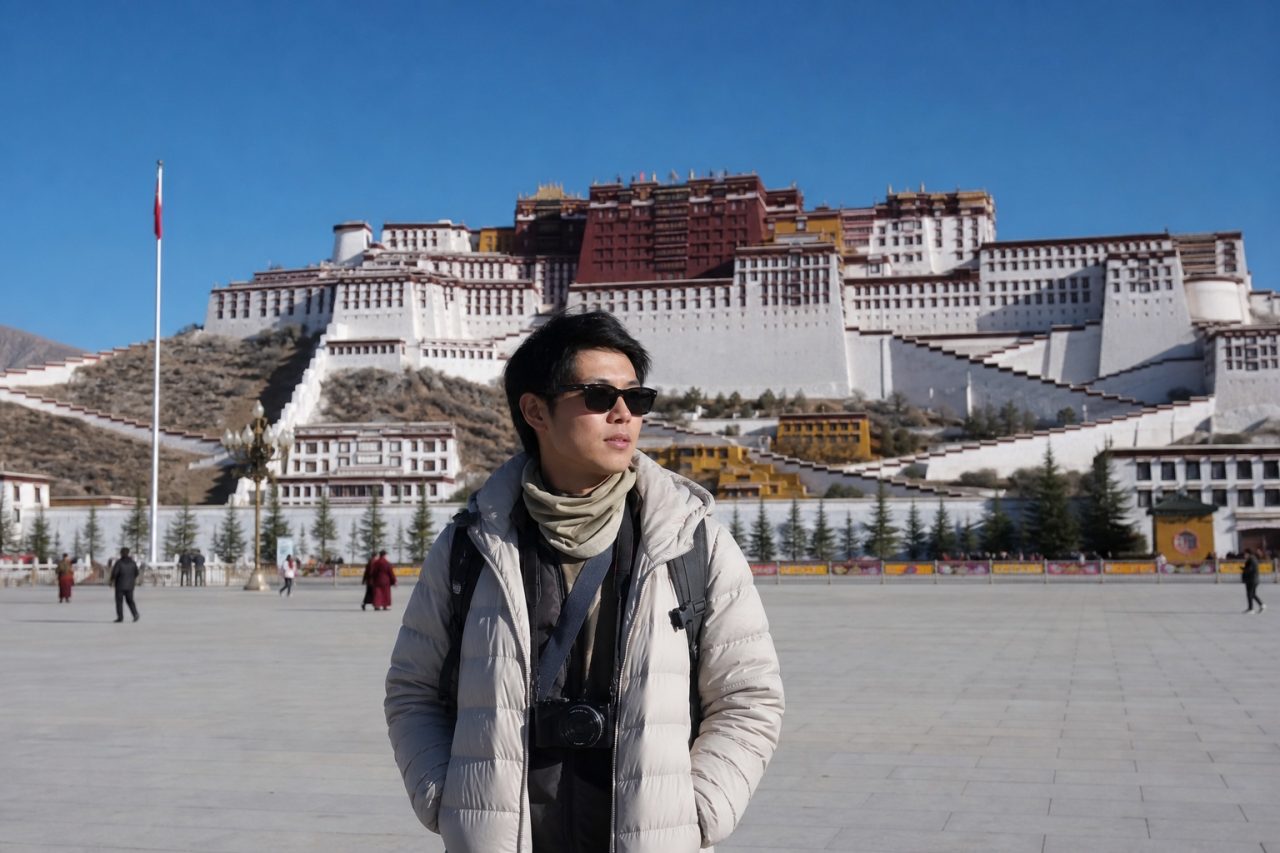
What to Wear in Tibet by Month: Packing for Lhasa, Everest Base Camp, and Kailash
Month-by-month T…
Jul 21, 2026
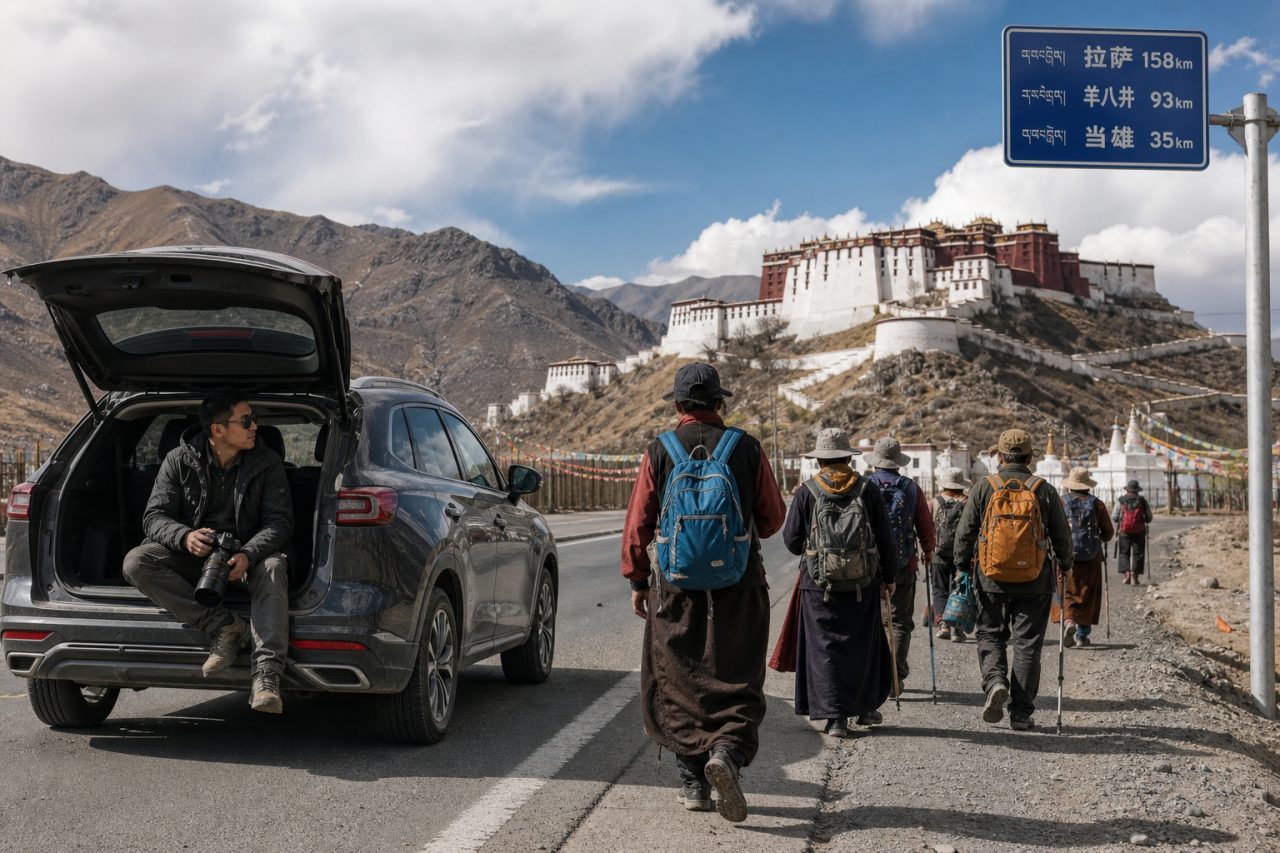
Tibet Private Custom Tours vs. Group Tours: Cost, Safety, and Which One Fits You
Compare Tibet pr…
Jul 21, 2026
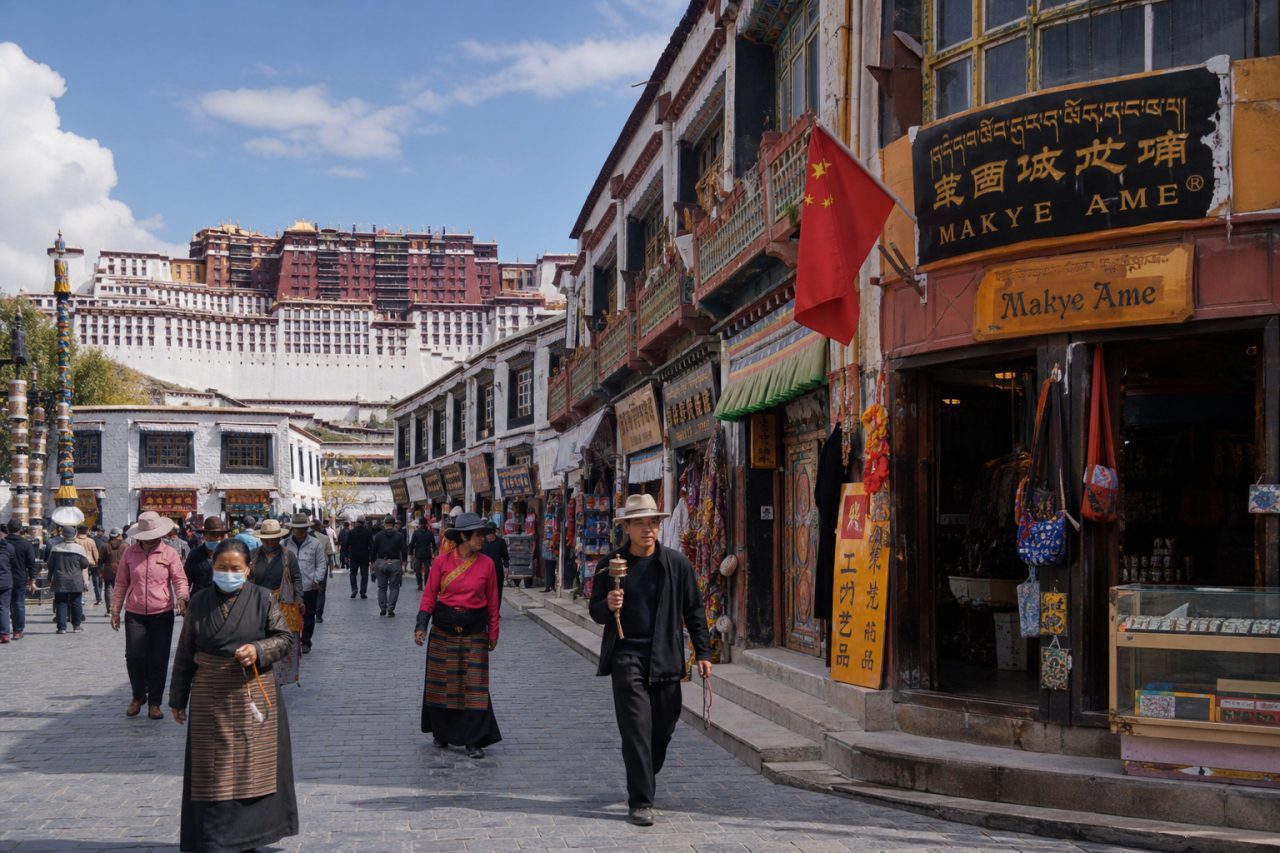
Lhasa Old Town Walking Guide: Barkhor Route, Monastery Stops, and How Much Time You Need
Plan a practical…
Common Questions
Questions Readers Usually Ask Next
These answers close the practical questions still left after this guide, so you can decide what to do next without another search.
Is a 4- to 5-night Lhasa luxury trip enough for a first Tibet visit?
Yes for many first-time premium travelers, because it usually gives enough time for acclimatization, a better hotel rhythm, and the main cultural highlights without turning the trip into a rushed checklist.
When is it better to stay in Lhasa instead of adding Everest Base Camp?
A Lhasa-focused itinerary is usually the better fit when comfort, easier recovery, and shorter transfer days matter more than adding long overland scenery.
Does luxury travel in Tibet mean the same hotel standard as other major luxury destinations?
Not always. In Lhasa, luxury is often defined more by privacy, pacing, coordination, and the best available hotel options than by the same range of hardware or flexibility found in larger international cities.
How early should I start planning a 2026 luxury Tibet trip?
Earlier planning is usually better for premium room choice and route design, especially for peak travel periods, but final permit timing and availability should always be confirmed before booking around fixed dates.
Is flying or taking the train better for a luxury Lhasa itinerary?
It depends on your priorities. Many travelers choose flights for time efficiency, while others consider the train when they want a slower arrival rhythm and a different acclimatization experience.