
Tibet Private Custom Tours vs. Group Tours: Cost, Safety, and Which One Fits You
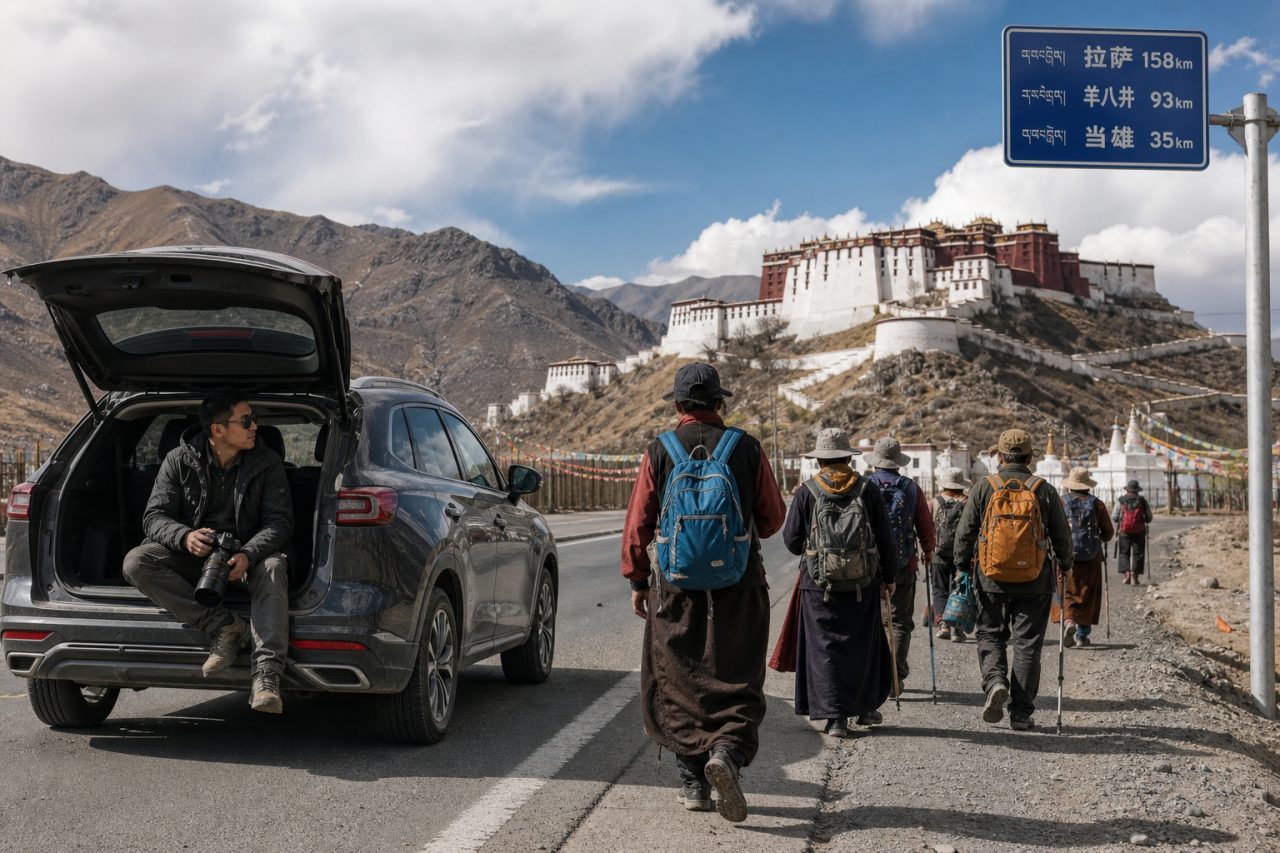
The Short Answer: Private Tours Cost More for Structural Reasons, Not Just Markup
If you are comparing a Tibet private custom tour with a group tour, the real decision is not simply cheap versus expensive. It is whether you need control over pace, route, privacy, and problem-handling badly enough to pay for a dedicated vehicle, guide time, and schedule built around your party.
For many travelers, a group tour is the smarter buy. For others, especially couples, families, seniors, mixed-ability groups, or anyone with limited days and low tolerance for friction, a private tour is not luxury for its own sake. It is a way to reduce schedule stress and make the trip fit the people actually traveling.
One point should be clear at the start: foreign travelers in Tibet generally need to travel through an organized itinerary with permit handling arranged through a travel agency, so the choice is usually between shared logistics and dedicated logistics, not between guided and fully independent travel. Travelers should confirm current permit, route, and document requirements before booking or submitting passports with the Tibet Tourism Bureau guidance published through authorized operators and the China consular information pages for entry-document planning: Chinese Visa Application Service Center; U.S. Department of State: China Travel Information.
What Actually Changes the Cost Between a Tibet Private Tour and a Group Tour
The largest cost difference is structural. A group tour spreads the vehicle, guide, driver, and fixed operating costs across multiple travelers, while a private tour assigns those resources to one booking party.
That means a private quote is usually higher even before hotel upgrades or premium extras are added. You are paying for dedicated use of the car, a route planned around your dates, and the ability to stop, rest, or adjust within the limits of the approved itinerary.
What group tours usually do better on price
Group tours often deliver the lowest per-person price on standard routes because departure dates, transport, and guiding are pre-assembled. If you are a solo traveler or a pair joining a classic Lhasa-focused route, the savings can be real because the cost base is shared efficiently.
This is why a low advertised group rate is not automatically misleading. It can be a very rational model when travelers accept fixed departure dates, shared transport, standard hotel choices, and less control over pacing.
What private-tour pricing is actually buying
A private tour usually buys exclusivity, route control, pace control, and simpler coordination. Those benefits matter more in Tibet than in low-altitude city travel because long road sectors, acclimatization needs, rest timing, and mixed traveler ability can turn a small mismatch into a tiring day.
Private service also becomes more cost-efficient as your own party gets larger. A family or four-person friend group may find that the price gap narrows once the dedicated vehicle and guide cost are divided across the group, especially if the alternative is buying multiple add-ons or accepting a schedule that does not fit.
For a deeper cost-only breakdown, see Tibet Group Tour vs Private Custom Tour Cost: Which Option Actually Saves More?.
What “Safer” Really Means in Tibet Travel and What It Does Not Mean
Private tours are often marketed as safer, but that needs a more precise explanation. In Tibet, safety is partly about compliance and logistics, partly about altitude pacing and judgment, and partly about how well the trip structure fits the travelers involved.
What a private tour can improve is response quality. If one traveler needs a slower morning, more water stops, a gentler acclimatization pace, or quicker adjustment after discomfort, a private arrangement can usually respond more smoothly than a shared departure.
What a private tour cannot do is remove the core risks of high-altitude travel, road delays, weather disruption, or policy changes. For altitude planning, travelers should use recognized medical guidance rather than marketing claims. The U.S. Centers for Disease Control and Prevention notes that altitude illness can affect travelers above 8,000 feet and recommends gradual ascent where possible, attention to symptoms, and prompt action if symptoms worsen: CDC: Travel to High Altitudes.
When private tours improve practical safety
Private tours usually improve practical safety when the travelers need more individual handling than a group format can comfortably provide. That includes seniors, families with teenagers or older parents, travelers who are anxious about altitude, and anyone with very limited time who cannot afford a poorly sequenced itinerary.
In those cases, safety does not mean a guarantee. It means better pacing options, fewer unnecessary compromises, and more room for early adjustments before minor problems become larger ones.
When group tours are still operationally sound
A well-run group tour can still be an entirely sensible and well-managed choice. If the route is standard, the season is manageable, and the traveler is comfortable following a set timetable, shared travel does not automatically create unsafe conditions.
The key is matching expectations to the format. If you need repeated custom stops, highly specific hotel standards, or slower adaptation time, the problem is not that group travel is inherently unsafe. The problem is that the format may not fit your needs.
When a Group Tour Is the Smarter Choice
Choose a group tour if your first priority is budget and you are comfortable with fixed structure. This is often the best fit for solo travelers, flexible couples, and first-time visitors who want a standard Tibet route without paying for customization they may not use.
It is also a strong option if you are socially comfortable, do not mind shared timing, and can accept that some stops may feel faster or slower than your personal preference. In that case, the savings are meaningful and the trade-off is clear.
Group tours are less attractive when the itinerary is already a close compromise before the trip begins. If your dates are tight, your group has different energy levels, or you already know you dislike waiting for others, the lower upfront price can buy more frustration than value.
When a Private Custom Tour Is Worth the Extra Cost
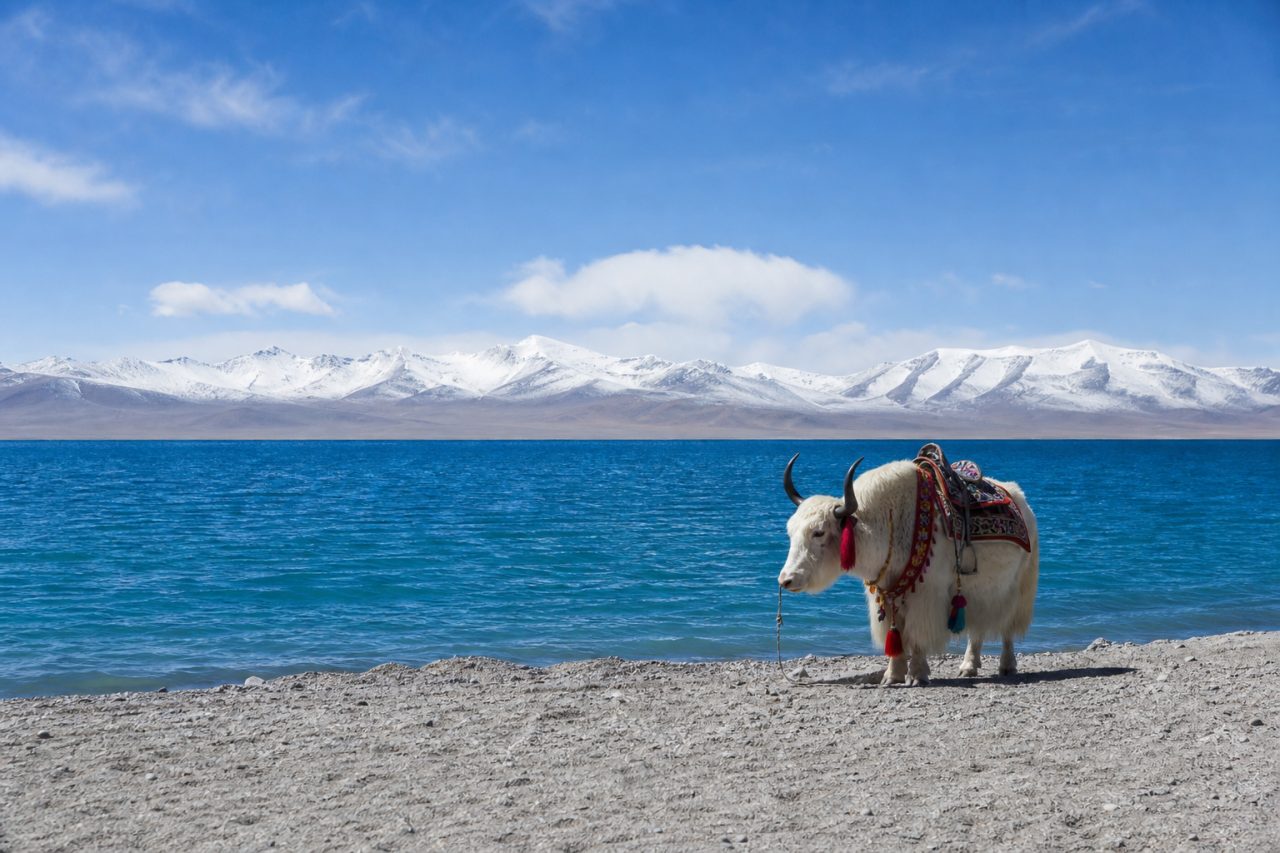
A private custom tour is worth the extra cost when control creates real decision value. That usually means your trip involves a special route, older family members, honeymoon or couples priorities, photography timing, slower acclimatization needs, or a strong preference for privacy.
Many couples choose private travel not because it is objectively safer in every sense, but because it reduces friction. If that is your situation, see Tibet Travel for Couples: Private Tour Ideas, Romantic Routes, and Hotel Choices and Tibet Luxury Private Tours for Honeymooners: How to Plan the Right Trip.
Private travel is also often the better call for seniors and multi-generation families because pace control matters more than headline savings. If one person needs more frequent rest, slightly shorter days, or fewer awkward transitions, a custom structure can protect the whole trip. This is especially relevant for travelers comparing family comfort with budget: How to Choose the Right Tibet Tour for Seniors and Multi-Generation Families.
Season also changes the value equation. During wetter summer travel periods, road conditions and timing can become more sensitive, so travelers should confirm route feasibility and contingency handling before paying. For seasonal planning context, see Tibet Travel in July and August: Rainy Season, Mudslides, and What to Plan For.
Common Mistakes Travelers Make When Comparing Tibet Tour Options
The most common mistake is comparing only the advertised price. That hides the real decision, which is how much flexibility, pacing, and support you need for your specific trip.
The second mistake is treating comfort and safety as the same thing. Private travel can improve comfort and operational responsiveness, but it does not cancel altitude risk, weather issues, or route restrictions. Those still need realistic planning and confirmation.
The third mistake is choosing the cheapest format before checking inclusions and boundaries. Travelers should ask whether the quote covers hotels, airport or station transfers, permit handling, sightseeing vehicle, guide service, and what happens if road or health issues require itinerary adjustment.
How to Choose the Right Tour Format Before You Contact an Agency
Use a simple filter. Choose a group tour if you are price-sensitive, your route is standard, your schedule is flexible, and your party is easy to pace together.
Choose a private tour if your group has different physical needs, your time is limited, your route is more specific, or you know that privacy and schedule control will materially improve the trip. If you are undecided, ask for both formats side by side and compare the logic, not just the number.
The best agencies make this comparison transparent. They should explain what is shared, what is dedicated, where flexibility exists, and where no operator can promise certainty because of permits, road conditions, weather, or altitude. That is usually a better trust signal than a very low quote or broad claims about safety.
Before paying a deposit, use a hard filter: ask how the operator handles acclimatization pacing, document timing, transport changes, and traveler discomfort during the trip. You can use this companion guide to pressure-test the agency itself: How to Choose a Tibet Tour Company: Red Flags, Inclusions, Reviews, and Questions to Ask.
Bottom line: a group tour is often the right answer when budget matters most and the standard route fits you well. A private custom tour is worth the extra cost when control over pace, privacy, family fit, or route quality will change the trip in a meaningful way.
Service fit
Dynamic Trust & Reassurance Block
Use this article as a planning reference, not a final commitment
Service fit
For "Tibet Private Custom Tours vs. Group Tours: Cost, Safety, and Which One Fits You", value depends on route complexity, hotel level, season, group size and how much private support you expect.
Decision support
Use this article to clarify which comfort level, flexibility and service scope fit your budget before requesting a proposal.
Before you commit
Before committing, confirm inclusions, exclusions, hotel standards, vehicle arrangements and guide support in the final quote.
Last reviewed: July 19, 2026
Start Custom PlanningPrivate trip planning
Need a Tibet plan that fits your comfort level?
Tell us your budget, hotel expectations and travel style. We can explain realistic private tour options before you commit.
Start Custom PlanningYou Might Also Like
Jul 22, 2026
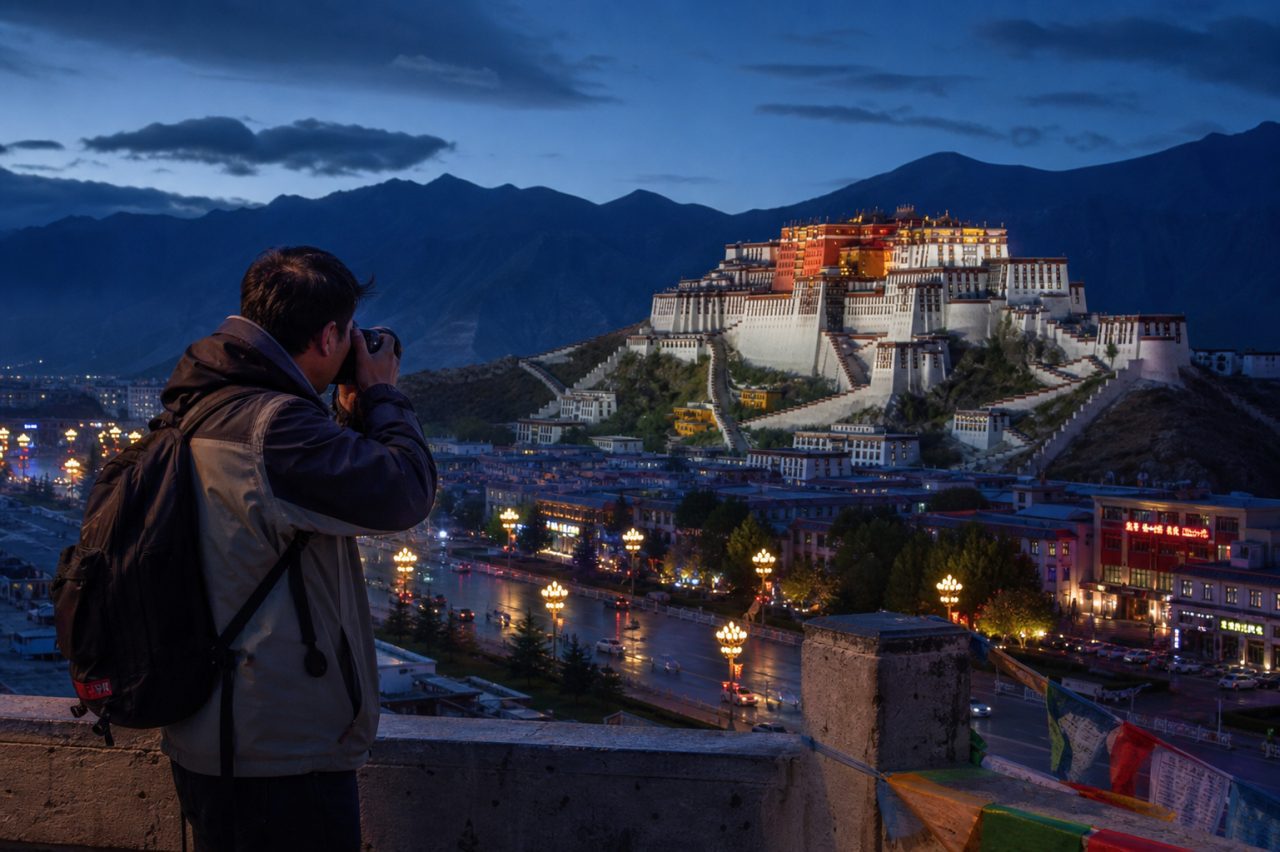
Tibet Photography Guide: Best Places, Camera Rules, and Drone Restrictions
Plan where to sh…
Jul 22, 2026
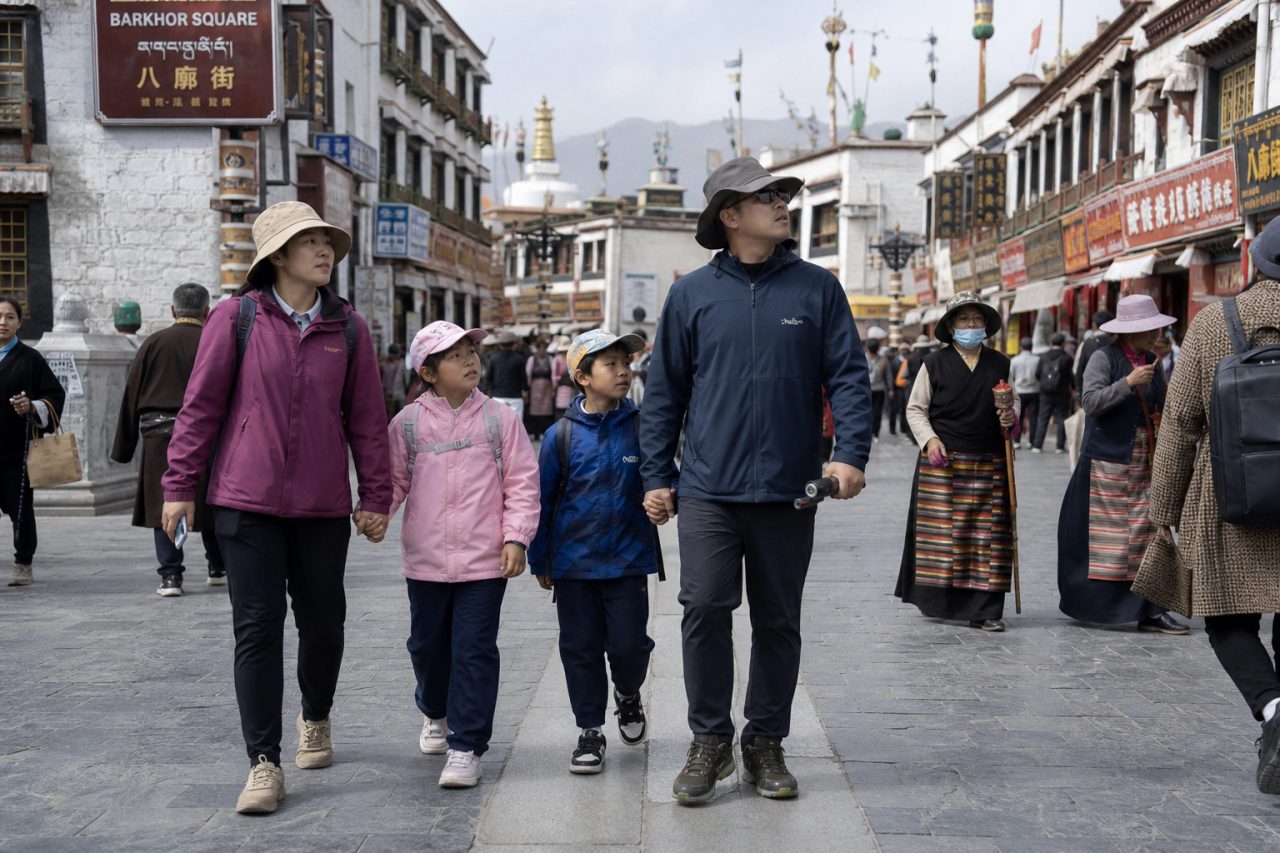
Tibet with Kids: Family-Friendly Routes, Age Limits, and Comfort Planning
Planning Tibet w…
Jul 22, 2026
Tibet Travel Insurance Guide: What Policies Should Cover for Remote Trips
Choosing Tibet t…
Common Questions
Questions Readers Usually Ask Next
These answers close the practical questions still left after this guide, so you can decide what to do next without another search.
Is a private Tibet tour worth it for solo travelers?
Sometimes, but not automatically. Solo travelers often get better value from a group tour because fixed costs such as the vehicle and guide are shared. A private tour usually makes more sense if you have limited days, want a specific route, or care more about pacing and privacy than budget efficiency.
Do private tours reduce altitude-related problems in Tibet?
A private tour cannot remove altitude risk, but it can make pacing easier to manage. The main advantage is schedule control: slower mornings, fewer rushed transitions, and more room to adjust around how your group is feeling. Travelers with health concerns or lower altitude confidence should still seek medical guidance before travel.
Does a private tour make Tibet permit handling easier?
Not necessarily easier, but sometimes more tailored. Permit handling is usually arranged through the travel agency in either format. The real difference is that private itineraries can be better aligned with your route and timing, while group departures tend to follow fixed structures. Requirements should always be confirmed before booking.
When is a group tour the better choice even if I can afford private?
A group tour is often the better choice when you are comfortable with a standard route, do not need much schedule flexibility, and want to keep total trip cost under control. It can also be the simpler option for solo travelers who want shared logistics without paying the full cost of a dedicated vehicle and guide.
What should I ask a Tibet tour company before I choose private or group?
Ask what is included in the quoted price, how altitude pacing is handled, whether hotels and transport are shared or dedicated, what happens if weather or road conditions affect the plan, and how much itinerary flexibility exists after booking. Those questions usually reveal whether the format fits your trip better than the headline price does.