
Tibet with Kids: Family-Friendly Routes, Age Limits, and Comfort Planning
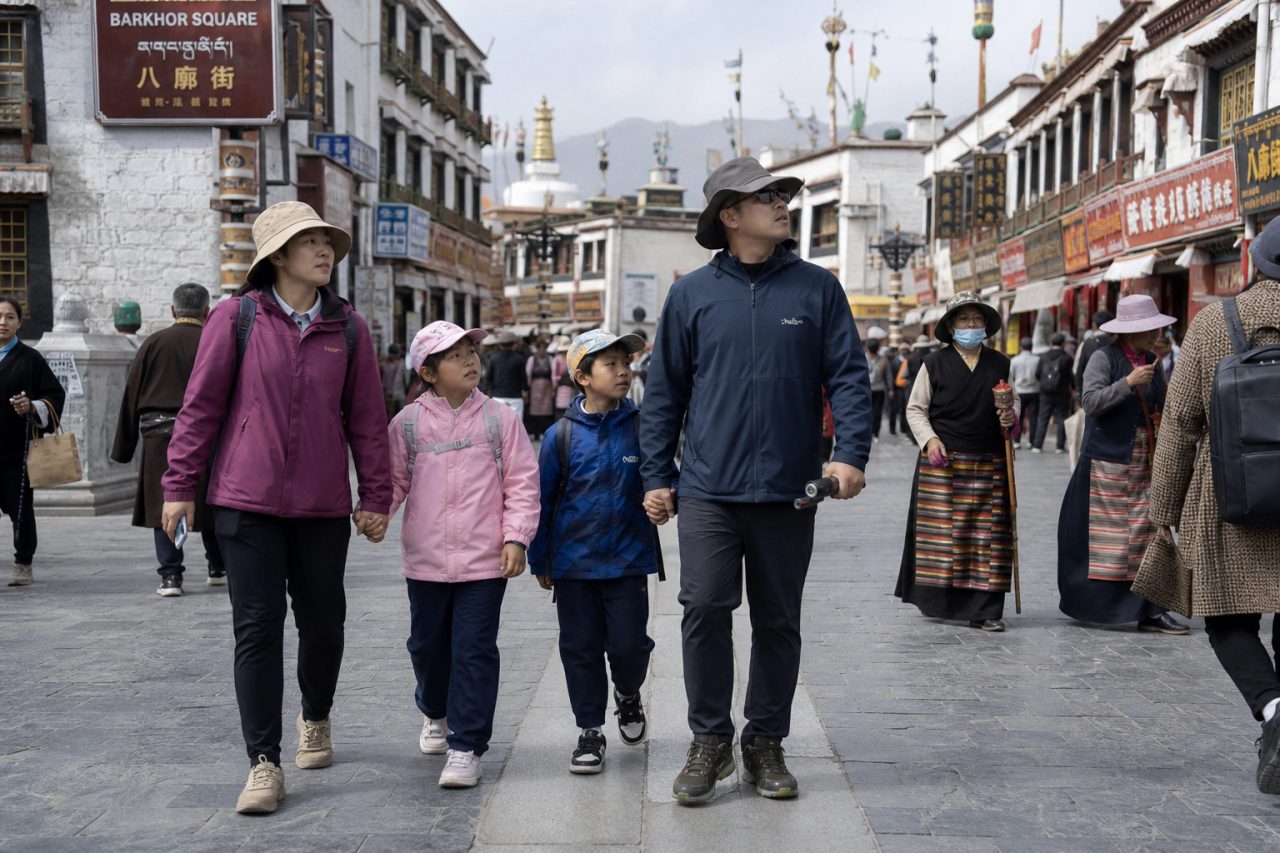
Traveling to Tibet with kids can work well, but only when the route is chosen for children rather than for bucket-list coverage. For most first-time families, the best decision is a shorter, private, Lhasa-centered trip with extra time to acclimatize and fewer long driving days. The weaker choice is a fast itinerary that looks efficient on paper but asks a child to handle altitude, hotel changes, and hours in the vehicle at the same time.
The real question is not whether children are legally allowed to enter Tibet in general. It is whether your child’s age, stamina, altitude tolerance, and patience for road travel match the itinerary you are considering. Families usually do best when they treat Tibet as a slow travel destination, keep ambitions realistic, and pay for flexibility where it makes the biggest difference.
Is Tibet a good family trip with kids?
Yes, for some families. No, for others. Tibet is usually a good fit for families with school-age children or teenagers who can handle simple routines, dry air, slower movement on arrival, and a few quieter days without expecting constant entertainment.
It is a harder fit for toddlers, preschoolers who struggle with long transfers, or families who want a packed sightseeing schedule. That does not mean the trip is impossible. It means the route should be shorter, the pace slower, and the parents should be comfortable changing the day’s plan if a child is tired or uncomfortable.
Many first-time visitors assume the main issue is only altitude. In practice, family comfort depends on three separate factors: sleeping altitude, driving hours, and flexibility. If you control those three well, Tibet can feel far more manageable than families expect.
What age and altitude factors matter most
There is no single universal age rule that decides whether Tibet is suitable for children, and operators may apply their own policies for certain routes. Before booking, confirm the current child policy for your planned trip and permit handling with the tour operator. For entry and permit rules affecting foreign travelers, Tibet travel arrangements are handled through licensed agencies, and China’s foreign affairs and visa authorities remain the main reference points for national entry requirements: Ministry of Foreign Affairs of the People’s Republic of China, https://www.mfa.gov.cn/eng/ and China Visa Application Service Center, https://www.visaforchina.cn/.
The more useful question is practical suitability. Lhasa sits at high altitude, and recognized travel health authorities advise caution for all travelers going high quickly. The CDC Yellow Book notes that acute altitude illness can affect travelers above 2,500 meters and that gradual ascent helps reduce risk: CDC Yellow Book, “High-Altitude Travel and Altitude Illness,” https://wwwnc.cdc.gov/travel/yellowbook/2024/preparing/high-altitude-travel-and-altitude-illness. NHS Fit for Travel also advises travelers to learn symptoms early and avoid rapid overexertion after arrival: NHS Fit for Travel, “Altitude Sickness,” https://www.fitfortravel.nhs.uk/advice/general-travel-health-advice/altitude-sickness.
For parents, the planning point is simple: children do not need a dramatic itinerary to enjoy Tibet. If your child is younger, sensitive to motion, or has no experience with high-altitude travel, choose a route with at least two or three nights in Lhasa before any longer road section. If your child has an underlying heart, lung, or other medical condition, get individual medical advice before you treat Tibet as a routine family trip.
Watch for symptoms, but do not build the whole decision around fear. What matters most is giving the family time to rest, hydrate, eat lightly on arrival, and move slowly for the first days. A shorter route with fewer altitude jumps is usually better than trying to “see more” in one trip.
Which Tibet routes work best for families
Best for most first-time families: Lhasa plus a short scenic extension
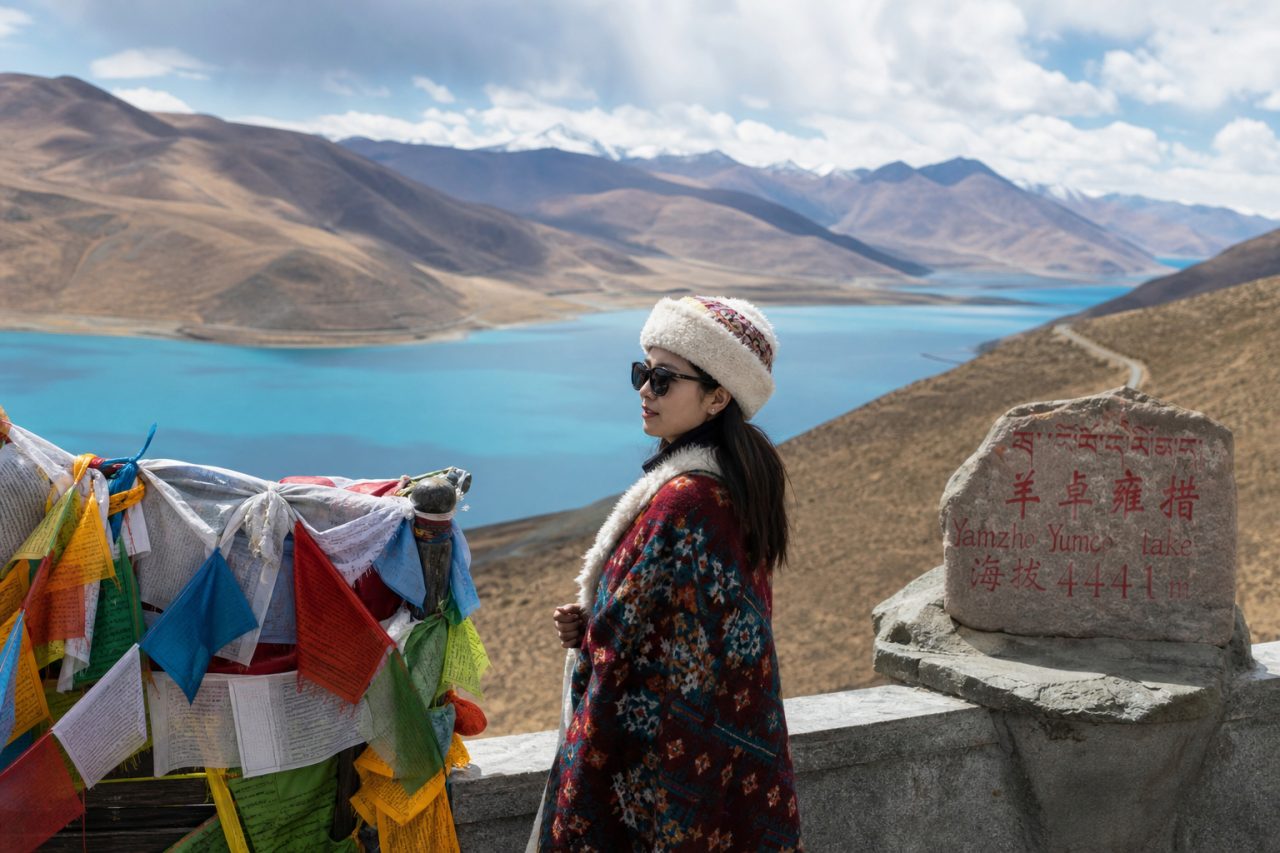
The strongest family choice is usually a Lhasa-based itinerary with a short extension such as Yamdrok Lake or one nearby scenic section, then back to Lhasa. This gives children a stable hotel base, manageable sightseeing, and less time trapped in a vehicle. It also gives parents room to shorten a day if energy drops.
This route works especially well for families with children roughly old enough to understand slower pacing and follow basic travel routines. It is also the safest choice emotionally: if the family loves Tibet, you can return later for a longer overland route without forcing the first trip to do everything.
Good for older kids: Lhasa, Gyantse, and Shigatse at a measured pace
Families with older children or teenagers can often handle a longer scenic circuit if the pace is conservative. The key condition is tolerance for several road days and simpler stop conditions between major towns. This route can be rewarding, but it stops feeling family-friendly when operators compress it too aggressively.
If you choose this level of itinerary, ask for realistic daily driving times, bathroom stop planning, and enough hotel comfort to recover well in the evenings. Those details matter more for family satisfaction than adding one more viewpoint.
Usually a poor fit for younger children: long remote or Kailash-style routes
Long remote routes, especially pilgrimage-style or far-west itineraries, are usually poor choices for young children and many first-time families. The issue is not only altitude. It is the combination of repeated long drives, more basic infrastructure, colder mornings and nights, and less room to adjust the schedule comfortably.
These routes can suit older, resilient teenagers in the right family, but they are rarely the smart starting point. If parents want Tibet to feel special rather than exhausting, it is usually better to save the ambitious route for a later trip.
Private tour or group tour for families?
For most families, a private tour is the better decision even if it costs more. Children do not move, snack, rest, or sightsee on a fixed adult schedule, and that flexibility has real value. A private vehicle lets you adjust stops, reduce waiting, and avoid the friction that often makes group travel tiring for parents.
A group tour can still work for families with older children who are easy travelers and whose parents are highly price-sensitive. But it is a weaker fit when naps, food timing, bathroom breaks, or slower acclimatization matter. Families comparing cost and flexibility can also review Tibet Group Tour vs Private Custom Tour Cost: Which Option Actually Saves More?.
If grandparents are joining, the case for private travel becomes even stronger because the pacing needs of children and older adults often overlap. This is where route design matters more than destination ambition. For that scenario, How to Choose the Right Tibet Tour for Seniors and Multi-Generation Families is directly relevant.
How to plan hotels, transport, and daily pace for comfort
Comfort planning in Tibet is not about luxury for its own sake. It is about reducing avoidable stress. For families, the most valuable upgrades are usually a better-located hotel in Lhasa, a private vehicle, and enough nights in one place to avoid constant unpacking.
When you review hotels, ask for the exact room setup rather than assuming a family room exists. In Tibet, room layouts, heating comfort, and oxygen-related hotel features can vary by property and season, so these should be confirmed directly with the hotel or operator before booking. Do not treat amenities such as oxygen supply or adjoining rooms as standard unless the operator confirms the exact property and room type.
Arrival method also affects comfort. Many families prefer to avoid landing and immediately starting intense sightseeing. Whether you arrive by air or train, the important choice is what happens next: keep the first day light, avoid rushing to higher points, and plan easy meals and early rest.
Season matters too, especially during school holidays. Summer can be attractive for family schedules, but road conditions can be affected by rain in some periods, which may change transfer comfort and timing. Families traveling in peak summer should check current conditions close to departure and may find this useful: Tibet Travel in July and August: Rainy Season, Mudslides, and What to Plan For.
When Tibet is not the right choice for your family
Sometimes the best decision is to postpone. If your child is very young, strongly motion-sensitive, recently unwell, or likely to struggle with long quiet days and basic road conditions, waiting can be the better call. The same applies if the adults want a demanding overland route but also expect highly predictable family comfort.
Tibet may also be the wrong choice right now if the family only has a very short trip window. A rushed five-day plan with flights, permits, acclimatization, and sightseeing can become more stressful than rewarding. In family travel, less coverage with better pacing is usually the stronger result.
What to confirm before you book
Before paying a deposit, confirm five things: the child policy for your route, how many nights you will stay in Lhasa before longer drives, the exact hotel room setup, realistic daily driving hours, and what flexibility exists if the child needs a slower day. This is where good operators separate themselves from sales-first itineraries. Families screening providers should also read How to Choose a Tibet Tour Company: Red Flags, Inclusions, Reviews, and Questions to Ask.
If you want the shortest practical recommendation, it is this: choose a private Lhasa-centered trip, add acclimatization time, upgrade the hotel quality enough to sleep and recover well, and avoid remote long-drive routes unless your children are older and already proven travelers. That combination gives most families the highest chance that Tibet feels memorable for the right reasons.
Disclaimer: Entry rules, permit handling, route access, hotel amenities, and road conditions can change. Confirm current travel requirements with your Tibet tour operator and the relevant official authorities before booking flights or submitting documents. For altitude or other health concerns, seek personal medical guidance rather than relying on general travel articles.
Route suitability
Dynamic Trust & Reassurance Block
Use this article as a planning reference, not a final commitment
Route suitability
For "Tibet with Kids: Family-Friendly Routes, Age Limits, and Comfort Planning", the right route depends on available days, altitude comfort, transport preference and the experience you want to prioritize.
Decision support
Use this article to compare route trade-offs, pacing and must-confirm logistics before choosing a final itinerary.
Before you commit
Before committing, confirm permit feasibility, road access, hotel availability, physical difficulty and your preferred travel pace.
Last reviewed: July 19, 2026
Design Your RouteRoute design support
Need help turning this route idea into a real plan?
We can help adjust the itinerary around your dates, pace, altitude comfort, permit needs and must-see places.
Design Your RouteYou Might Also Like
Jul 22, 2026
Tibet Photography Guide: Best Places, Camera Rules, and Drone Restrictions
Plan where to sh…
Jul 22, 2026
Tibet Travel Insurance Guide: What Policies Should Cover for Remote Trips
Choosing Tibet t…
Jul 21, 2026
What to Wear in Tibet by Month: Packing for Lhasa, Everest Base Camp, and Kailash
Month-by-month T…
Common Questions
Questions Readers Usually Ask Next
These answers close the practical questions still left after this guide, so you can decide what to do next without another search.
Is Tibet suitable for toddlers or preschool children?
It can be possible in some cases, but very young children are usually a weaker fit for demanding Tibet itineraries. The main issues are altitude adjustment, long driving days, limited routine, and fewer comfort buffers if a child becomes tired or unwell. Many families with preschool children prefer a short Lhasa-centered private trip or postpone until the child is older.
Is arriving by train easier than flying for families with kids?
Some families prefer the train because the ascent is more gradual and the journey can feel less abrupt than flying straight to high altitude. Others prefer flying because it is much faster and reduces overall travel fatigue. The better choice depends on your child’s stamina, how much transit time your family can tolerate, and how many acclimatization days you will build in after arrival.
How many nights should families stay in Lhasa before taking longer drives?
For many first-time families, adding enough time in Lhasa before longer drives helps the trip feel more manageable. A common planning approach is to avoid rushing into remote overland segments immediately after arrival and to use the first days for slower pacing and observation. The exact timing should be matched to the family’s route and individual health considerations.
Are Everest Base Camp or Mount Kailash routes suitable for children?
These routes are usually poor fits for younger children and for families seeking predictable comfort. They involve longer drives, higher physical demands, simpler conditions, and less flexibility if a child struggles. They are generally better considered only for older children or teenagers who already tolerate long travel days well and for families with realistic expectations about comfort.