
Tibet Travel Insurance Guide: What Policies Should Cover for Remote Trips
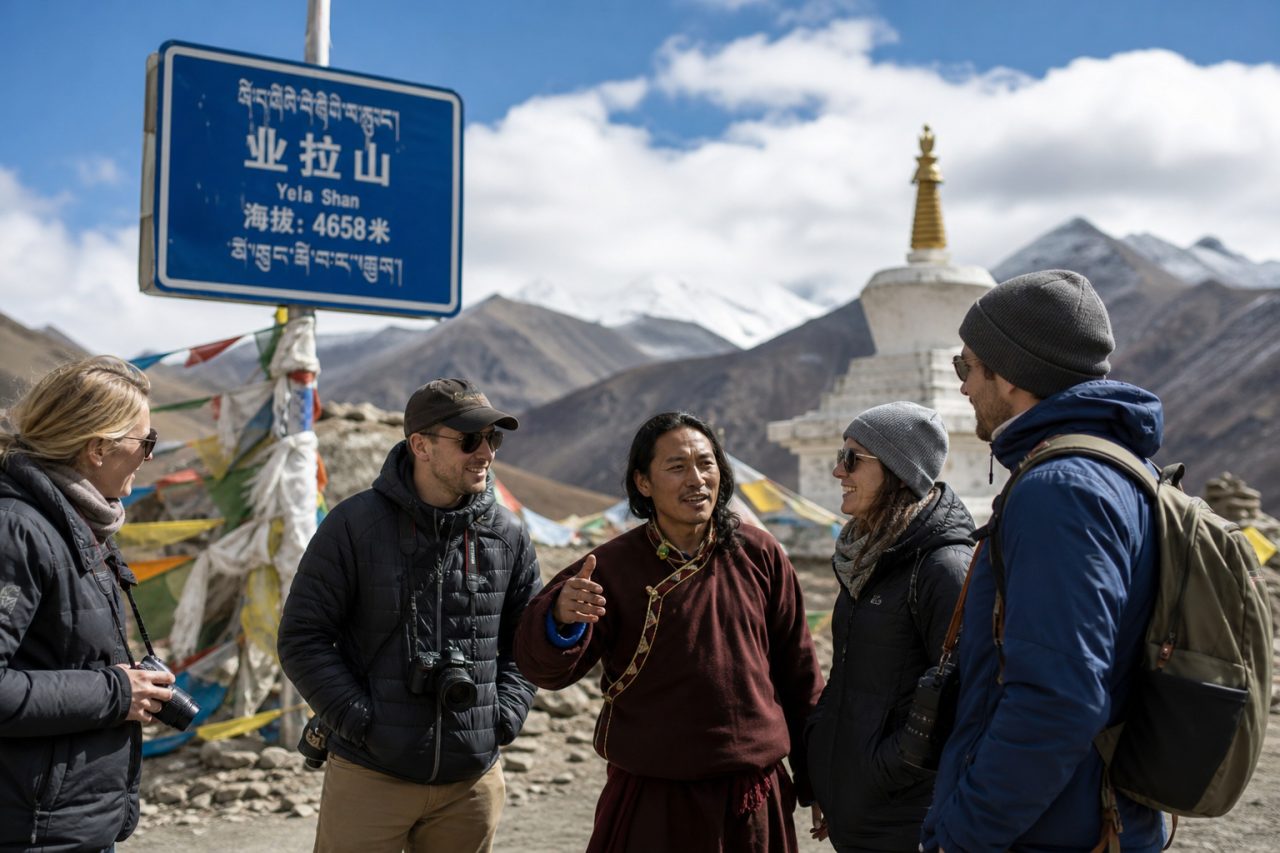
What Tibet travel insurance should actually protect you against
If you are planning Tibet, the real decision is not whether to buy travel insurance. It is whether the policy will still work when your trip involves high altitude, long overland distances, limited medical access, and large prepaid tour costs. A cheap policy that works for a city break can be a poor fit for Tibet.
The most useful approach is to judge insurance against your actual route. A Lhasa-focused sightseeing trip, an overland journey with long driving days, and a Mount Kailash or trekking itinerary do not carry the same claim risks. For altitude and remote-travel planning, both the CDC Travelers’ Health and NHS Fit for Travel advise travelers to prepare for limited services, altitude-related illness, and the extra difficulty of getting help quickly in remote areas. That is why Tibet insurance should be chosen around evacuation wording, benefit limits, exclusions, and interruption triggers, not headline price.
In practical terms, the right policy should protect four things: your access to emergency care, your ability to be transported when local treatment is limited, your non-refundable trip costs, and your ability to recover some losses if weather or transport problems break the itinerary. Anything less may still be legal insurance, but it may not be suitable insurance.
The five policy areas that matter most
1. Emergency medical cover that is meaningful for remote travel
Start with the medical section, but do not stop at the summary page. You need to read the full policy certificate and check that treatment in China is covered, that Tibet is not excluded as a restricted or remote destination, and that pre-existing conditions are handled correctly if they apply to you.
This matters because altitude problems and travel illness may require evaluation, medication, observation, or transfer even when the final outcome is not severe. The CDC and NHS Fit for Travel both treat altitude illness as a real planning issue for high-altitude destinations, which means travelers should not assume every insurer treats it like an ordinary minor sickness. If you have a health history, confirm in writing whether any related exclusion could affect a claim.
2. Medical evacuation and repatriation wording
For Tibet, evacuation cover is often the most important line item. Remote roads, long distances, and limited advanced care mean the cost problem is not only treatment. It can be transport to a suitable facility and, in more serious cases, onward repatriation.
Do not rely on vague phrases like emergency assistance included. Check whether the policy covers evacuation from remote areas, who authorizes the transfer, whether road ambulance and air evacuation are both addressed when medically necessary, and whether the benefit limit is separate from standard medical cover. The U.S. Department of State’s travel advisory resources stress emergency preparedness and the difficulty of care in some destinations, which supports treating evacuation wording as a core buying criterion rather than an optional extra: U.S. Department of State Travel Advisories.
3. Trip cancellation cover that matches your real prepaid loss
Tibet trips often involve meaningful upfront payments for tours, permits support, hotels, and flights. Your cancellation benefit should be high enough to match the amount you could actually lose, not just the cheapest policy tier available.
This is where many buyers underinsure themselves. They insure a flight but forget the private tour deposit, or they choose a benefit cap lower than their total non-refundable spend. A stronger plan is usually justified when you are booking a custom journey, private transport, or a higher-end itinerary, especially if you are comparing spending trade-offs in a trip style such as group versus private Tibet tours.
4. Trip interruption and transport disruption cover
Interruption cover matters because Tibet itineraries can be affected by weather, road conditions, and transport changes. In summer, disruption risk can be higher on some routes, and that is one reason seasonal planning matters alongside insurance selection. For route-level context, see Tibet travel in July and August.
Insurance, however, only helps if the trigger in the policy wording matches the event. Some plans cover specific named disruptions, while others are much narrower. Before paying, check what counts as a covered interruption, whether missed connections are included, and whether the cause must be officially documented by a carrier, medical provider, or local authority.
5. Activity, altitude, and route suitability
Not every Tibet trip needs the same insurance. A traveler staying mostly around Lhasa and standard cultural sites may only need solid medical, evacuation, cancellation, and interruption cover. A traveler heading to very remote western routes, Mount Kailash, or trekking sections should expect stricter exclusions and may need a specialized or upgraded plan.
This is the point where broad marketing language causes the most mistakes. If the trip includes trekking, pilgrimage circuits, horse riding, or high-altitude walking days, you need to confirm that those activities are covered and that the insurer does not impose an altitude ceiling that makes the policy ineffective. If the wording is unclear, treat that as a reason to reject the policy.
Common exclusions that make cheap policies a bad fit
The most dangerous policy is often not the one with the highest excess. It is the one that quietly excludes the reason you are most likely to claim. For Tibet, the common pressure points are pre-existing medical conditions, altitude-related illness, adventure activity definitions, remote-area transport, and destination restrictions.
A first-time buyer may assume that if China is listed, Tibet is automatically fine. That is not enough. You still need to confirm that there is no exclusion tied to restricted regions, expedition-style travel, or activity categories that capture your itinerary. This is also one reason operator quality matters: a better-planned route and clearer pre-trip briefing reduce the chance of preventable mistakes before a claim ever arises. Readers still choosing an operator can use this guide to choosing a Tibet tour company.
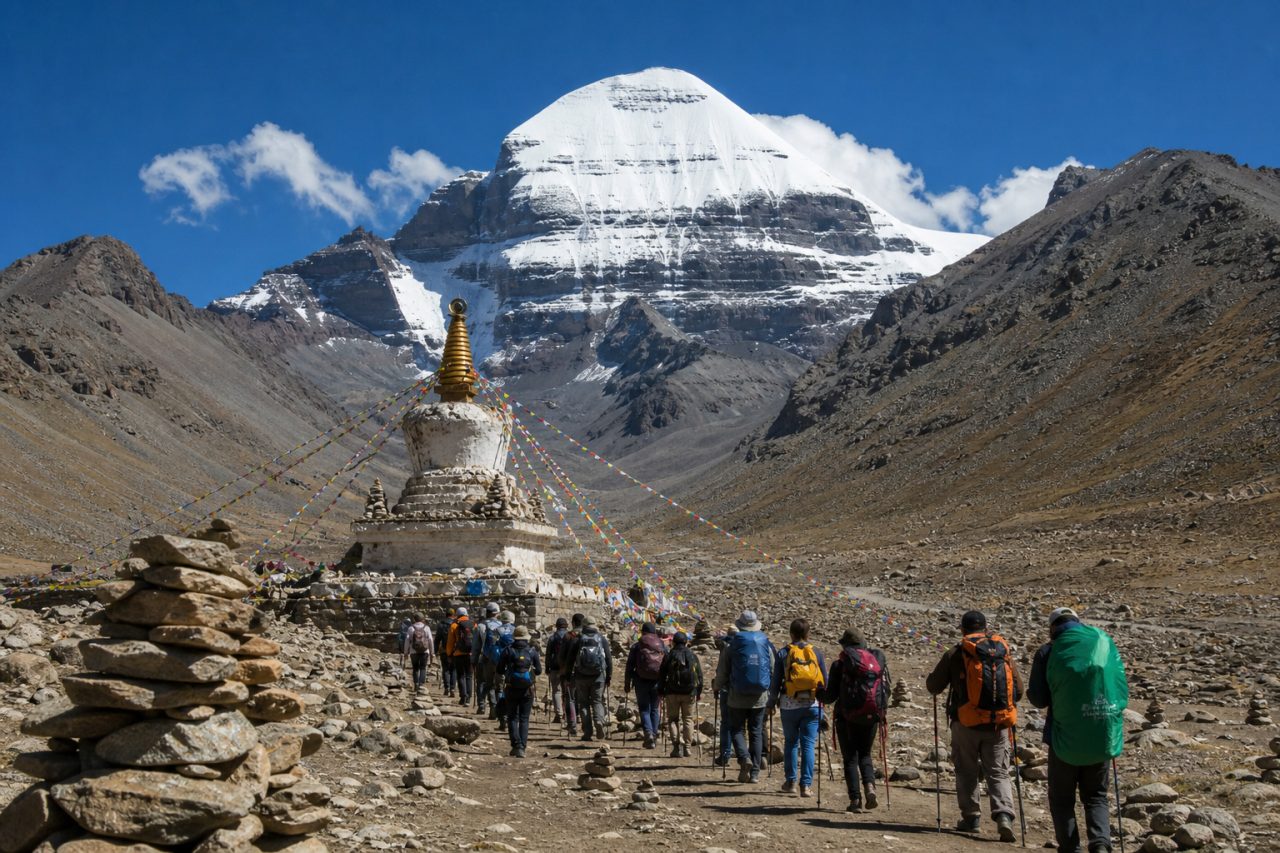
Another common mistake is buying late. Cancellation cover becomes more useful once you start making non-refundable payments, so many travelers benefit from arranging insurance near the point of deposit rather than just before departure. The exact best timing depends on the policy terms, but waiting too long can leave your biggest prepaid costs unprotected.
How coverage needs change by traveler and route
Lhasa-focused sightseeing trips
If your plan is short, structured, and centered on Lhasa with standard sightseeing, you may not need a specialist adventure policy. You still need strong evacuation wording and enough cancellation cover to match your trip cost, but you can often avoid paying for features designed for technical outdoor travel.
Remote overland routes
Once the itinerary includes long drives, sparse infrastructure, and fewer backup options, the value of evacuation and interruption cover rises sharply. In these cases, stronger benefit limits are usually worth more than small premium savings.
Mount Kailash, trekking, and high-exertion itineraries
This is where buyers should be strict. If the policy does not clearly support the activity and altitude profile, it is safer to keep looking. A low-cost comprehensive plan can still be the wrong product if the exclusions are written for exactly the kind of trip you are taking.
Seniors, families, and travelers with health concerns
Travelers with elderly parents, multi-generation groups, or known medical conditions often need more than standard screening. They should pay special attention to medical declarations, mobility-related disruption risk, and the practical difficulty of route changes at altitude. For broader trip-planning fit, see how to choose the right Tibet tour for seniors and multi-generation families.
A simple checklist to compare policies before you pay
- Confirm the destination is covered and that Tibet is not excluded by region, remoteness, or advisory language.
- Read the full certificate, not just the product summary.
- Check medical evacuation and repatriation wording for remote-area transport.
- Match cancellation cover to your real non-refundable total.
- Review interruption triggers for weather, transport disruption, and medical events.
- Check altitude limits, trekking language, and activity exclusions against your route.
- Declare pre-existing conditions properly and keep written confirmation when needed.
- Buy while cancellation protection is still useful, usually before major non-refundable costs build up.
When to upgrade coverage or reconsider the trip
Upgrade the policy when the route is more remote, the prepaid spend is high, the trip includes demanding walking or pilgrimage sections, or the traveler has more claim sensitivity because of age or health history. In those cases, stronger evacuation, interruption, and medical limits usually deliver more real value than saving a small amount on premium.
Reconsider the trip setup, not just the insurance, if the only policies you can find are full of unclear exclusions. Insurance cannot fix a poor itinerary choice or make every risk disappear. It works best when it is paired with a realistic route, a reliable operator, and honest planning about altitude comfort and activity level.
If you are comparing itineraries and want insurance that matches the actual route rather than a generic Tibet plan, use the trip design stage to resolve that first. The policy should fit the journey you are taking, not the one advertised on a summary page.
Medical safety
Dynamic Trust & Reassurance Block
Use this article as a planning reference, not a final commitment
Medical safety
For "Tibet Travel Insurance Guide: What Policies Should Cover for Remote Trips", altitude response and physical comfort can vary between travelers, so the guidance should be treated as preparation context rather than personal medical advice.
Decision support
Use this article to decide what pace, acclimatization time, route difficulty and warning signs need discussion before you choose a travel plan.
Before you commit
Before committing, match the advice to your age, fitness, previous altitude exposure and any medical guidance you receive from a qualified professional.
Last reviewed: July 19, 2026
Plan a Safer PaceHigh-altitude planning
Planning Tibet at high altitude?
We can help design a slower-paced itinerary with proper acclimatization time, suitable route choices and local support.
Plan a Safer Tibet JourneyYou Might Also Like
Jul 22, 2026
Tibet Photography Guide: Best Places, Camera Rules, and Drone Restrictions
Plan where to sh…
Jul 22, 2026
Tibet with Kids: Family-Friendly Routes, Age Limits, and Comfort Planning
Planning Tibet w…
Jul 21, 2026
What to Wear in Tibet by Month: Packing for Lhasa, Everest Base Camp, and Kailash
Month-by-month T…
Common Questions
Questions Readers Usually Ask Next
These answers close the practical questions still left after this guide, so you can decide what to do next without another search.
Does a travel insurance policy need to mention Tibet specifically, or is China coverage usually enough?
Many policies define coverage by country or region, so China coverage may be sufficient, but travelers should not assume that automatically includes every Tibet route or restriction. The practical step is to confirm destination validity in the policy certificate or with the insurer before paying for a plan.
Are altitude sickness claims usually covered, or can they be excluded?
Coverage varies. Some policies cover unexpected medical treatment while others limit claims tied to altitude, trekking, or activity definitions. The safest approach is to check how the policy handles altitude-related illness, adventure activities, and evacuation from remote areas before purchase.
Do I need different insurance for Mount Kailash or trekking routes than for a Lhasa sightseeing trip?
Often yes. Remote trekking or Mount Kailash itineraries usually create higher evacuation, interruption, and activity-exclusion risk than a Lhasa-focused sightseeing trip. Travelers on more remote or physically demanding routes should compare benefit limits and exclusions more carefully and may need stronger or more specialized coverage.
When should I buy Tibet travel insurance if I am paying deposits in stages?
Buy when cancellation protection starts to matter for non-refundable costs, not only right before departure. If you are making deposits in stages, review when each payment becomes non-refundable and choose the point where the policy meaningfully protects the money at risk.