
What to Wear in Tibet by Month: Packing for Lhasa, Everest Base Camp, and Kailash
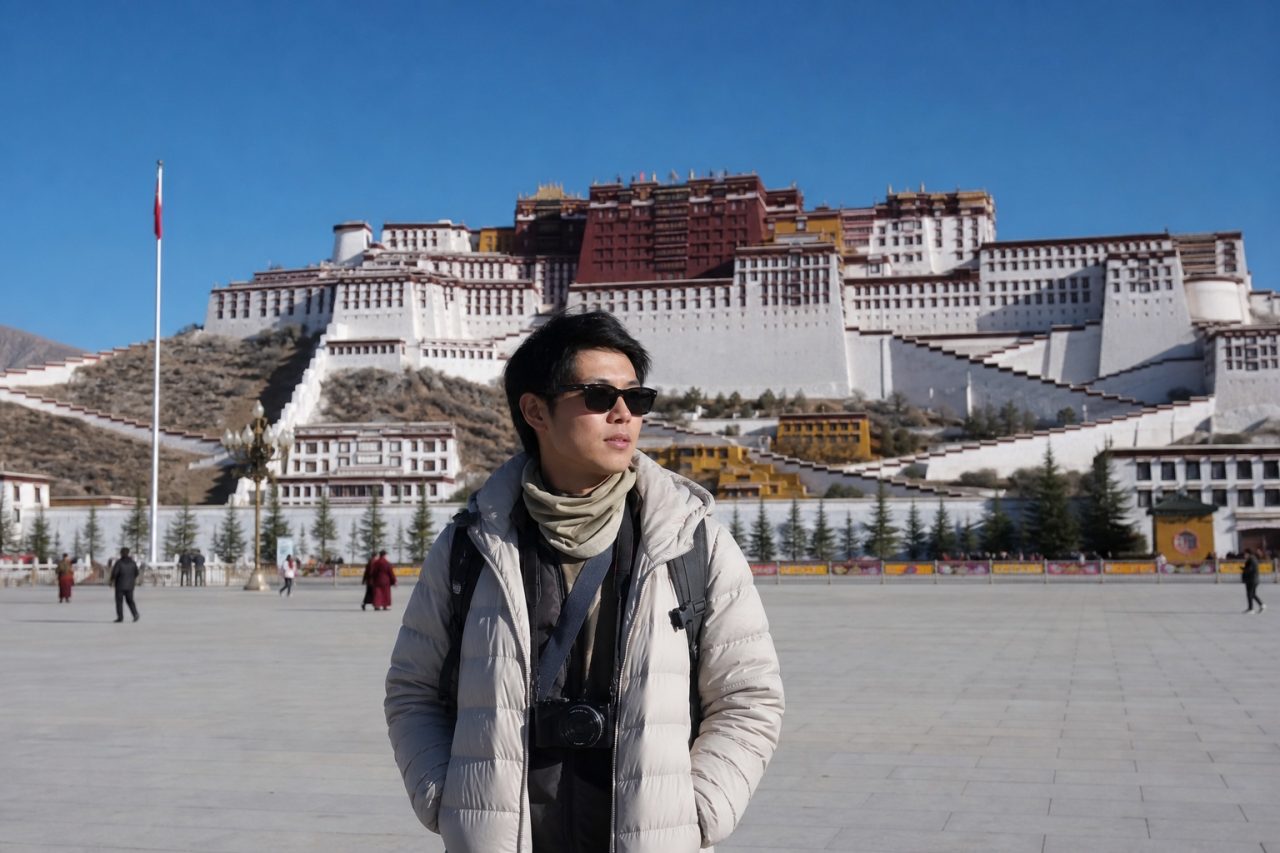
What changes most between Lhasa, Everest Base Camp, and Kailash
If you are trying to pack for Tibet, the main decision is not just which month. It is whether your trip stays in Lhasa or continues to higher, colder, windier places such as Everest Base Camp or the Kailash region. A clothing plan that feels comfortable in Lhasa can become too light once your itinerary adds long road days, exposed viewpoints, colder nights, and stronger wind.
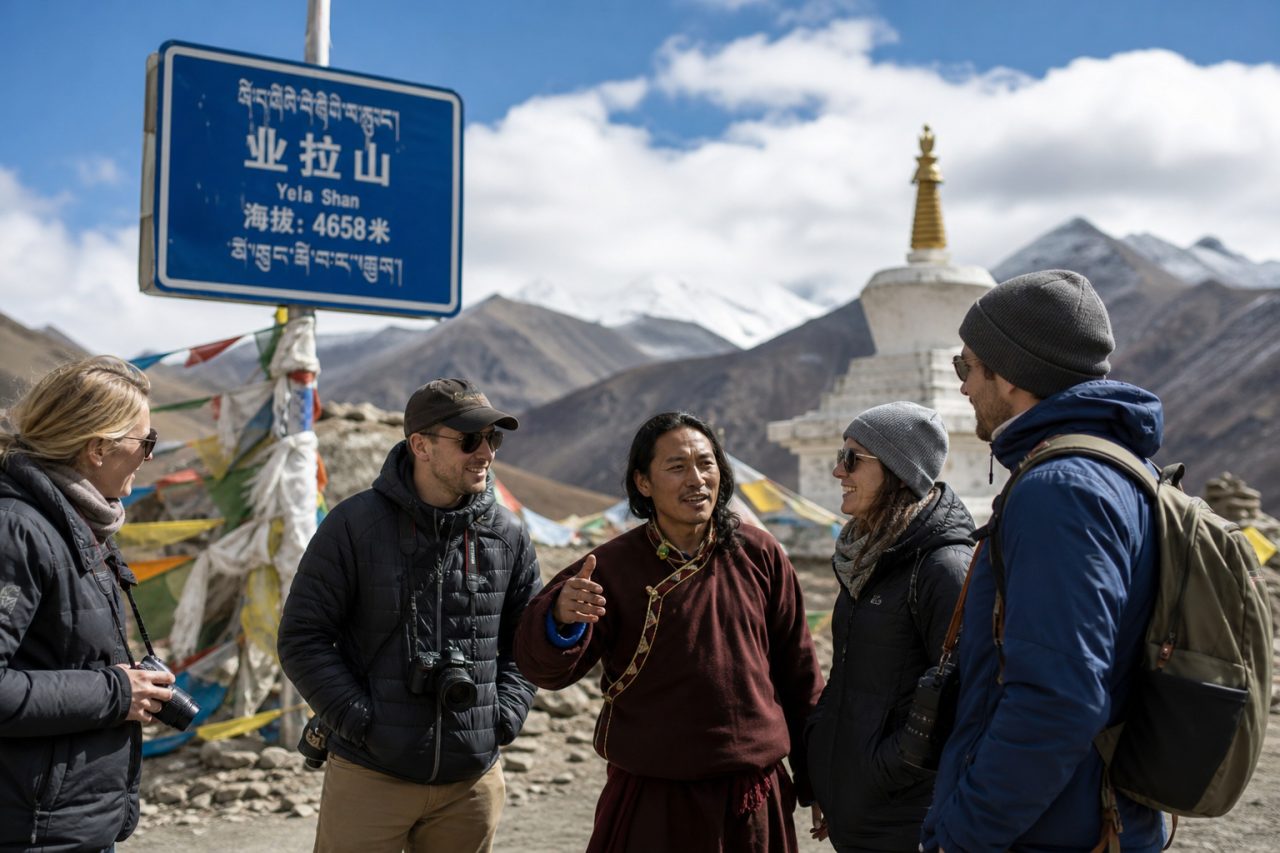
The most reliable approach is to pack for the coldest and highest part of your route, then use layers to scale down in town. Lhasa sits at about 3,650 meters according to Encyclopaedia Britannica (https://www.britannica.com/place/Lhasa). Mount Everest’s North Base Camp in Tibet is commonly cited at around 5,150 to 5,200 meters by the Tibet Mountaineering Association and China Tibet tourism materials, so conditions there are much harsher than daytime photos in Lhasa suggest. Mount Kailash is about 6,638 meters, and the kora route includes very high exposed walking, with Drolma La reaching roughly 5,630 meters according to Britannica’s Mount Kailash entry (https://www.britannica.com/place/Mount-Kailas).
That means the best packing system for most travelers is simple: breathable base layers, one warm middle layer, one windproof outer layer, and enough accessories for sun, cold, and dust. Heavy expedition gear is usually unnecessary for a standard Lhasa trip, but Everest Base Camp and Kailash often justify a more conservative warmth margin, especially outside the warmest part of the year.
What to wear in Tibet by month
March and April
Early spring is one of the easiest times to underpack because sunshine can make daytime conditions look mild while mornings, evenings, and windy stops still feel cold. For Lhasa, bring thermal or long-sleeve base layers, a fleece or light down jacket, long pants, and a windproof shell. A hat, sunglasses, and sunscreen matter because strong high-altitude sun can feel intense even when the air is cold.
For Everest Base Camp, step up to a warmer down jacket, gloves, thicker socks, and sturdier shoes or light hiking boots. For Kailash, many travelers are more comfortable with trekking layers rather than ordinary city clothes, especially if they feel cold easily or expect to walk for longer periods.
May and June
This is one of the most forgiving periods for clothing, but it still rewards layering. In Lhasa, many travelers are comfortable in a T-shirt or light shirt during sunny afternoons, then add a fleece or light insulated jacket in the evening. Hiking pants or other quick-dry long pants are more practical than heavy jeans because temperature changes through the day are large.
For Everest Base Camp and Kailash, do not read Lhasa warmth as permission to pack lightly overall. Nights and exposed stops remain cold enough that a real insulating layer, windproof jacket, warm hat, and gloves are still worth carrying. If your route includes Kailash trekking, proper broken-in hiking boots are a safer choice than casual sneakers.
July and August
Summer is the mildest season in Lhasa for daytime clothing, but it is also the season when rain and road disruption planning matters more. China’s weather service data for Lhasa shows summer as the wetter period compared with winter and spring, and the Tibet travel authority regularly advises travelers to monitor conditions during rainy periods; check current regional forecasts through the China Meteorological Administration (https://www.cma.gov.cn/) before departure. For Lhasa, light layers, a fleece, a thin waterproof or water-resistant shell, and quick-dry pants usually work well.
If your trip goes beyond Lhasa, keep the summer packing list disciplined rather than minimal. Everest Base Camp can still feel cold and windy, and Kailash can still require warm layers, gloves, and solid footwear even in peak travel months. If you are traveling in mid-summer, the route-specific planning in Tibet travel in July and August is worth reviewing because clothing choices and road conditions affect each other.
September and October
This is often the most comfortable overall season for many travelers because skies are often clearer, but temperatures begin dropping again, especially at night. In Lhasa, use a flexible system: long-sleeve tops, fleece or light down, and a shell for morning and evening. During the day, you may still remove layers quickly under strong sun.
For Everest Base Camp and Kailash, this is the point when underestimating cold becomes expensive in comfort. A warmer insulated jacket, thermal bottoms for colder days, gloves, hat, and better socks are usually justified. Travelers who want fewer comfort risks should pack as if conditions will feel colder than the forecast, because wind and altitude exposure often matter more than a simple city temperature number.
November to February
Winter travel can still work, especially for Lhasa-focused itineraries, but clothing needs become more serious. In Lhasa, bring thermal base layers, a proper down jacket, warm trousers, a hat, gloves, and shoes that handle cold mornings well. According to climate reference data summarized by Britannica’s Lhasa profile and standard meteorological normals, winter is dry but cold, with strong daytime sun and large day-night swings rather than constant damp chill (https://www.britannica.com/place/Lhasa).
For Everest Base Camp or Kailash in winter conditions, clothing should be planned very conservatively and confirmed against your exact route before departure. Exact road access, overnight arrangements, and local operating conditions can change, so treat winter extension routes as trips that may require heavier insulation, better gloves, neck protection, and stronger footwear than a normal sightseeing holiday.
How to pack differently for Lhasa, Everest Base Camp, and Kailash
Lhasa-only trips
Most Lhasa itineraries do not require technical clothing. For much of the year, ordinary travel wear works if you build in layers: long pants, comfortable walking shoes, sun protection, and one reliable warm jacket. The mistake is assuming “city trip” means soft temperatures all day.
Lhasa plus Everest Base Camp
This route usually needs one clear upgrade: more warmth and better wind protection. You are spending longer at altitude, stepping in and out of vehicles, and facing colder mornings and exposed viewpoints. A packable down jacket, gloves, warm hat, and sturdy shoes are usually more useful than packing extra fashion items.
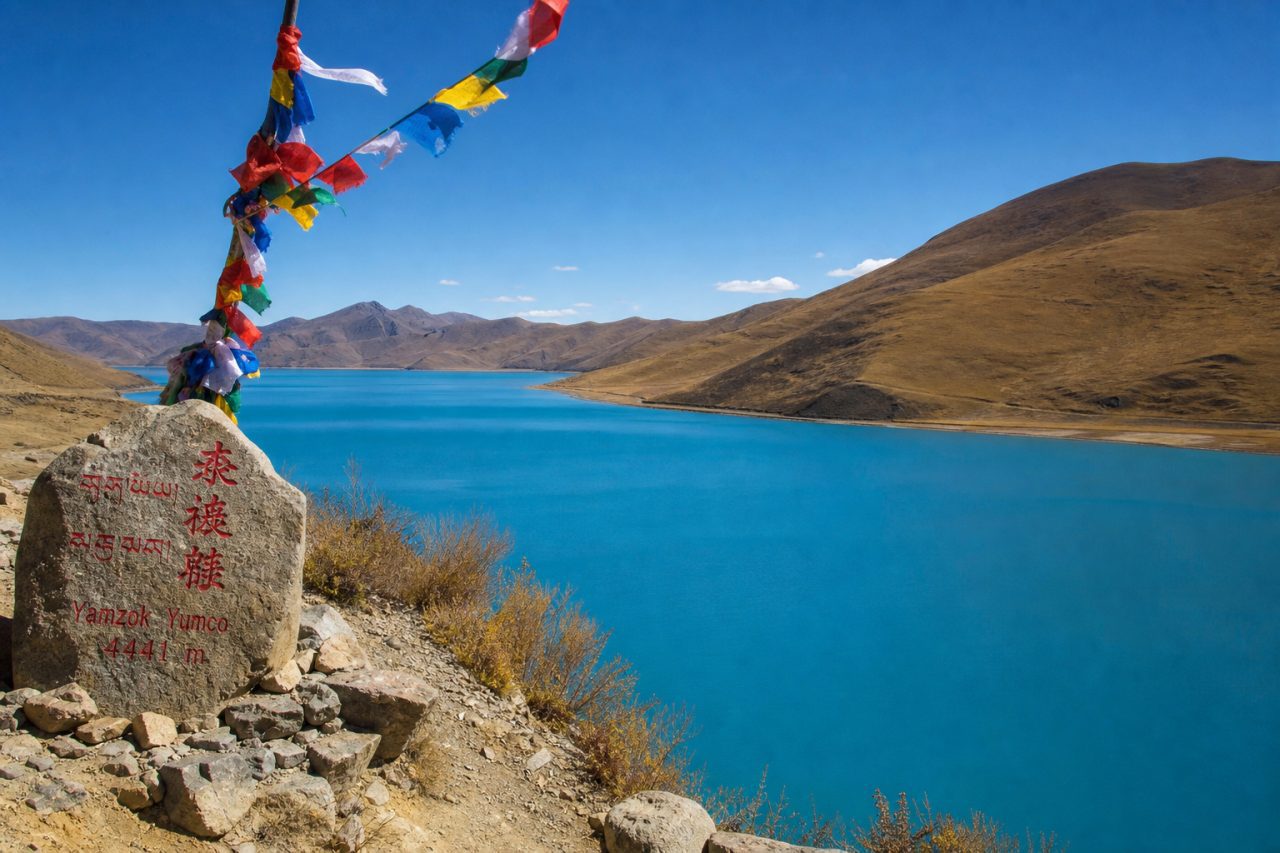
Kailash routes
Kailash needs the most conservative packing judgment of the three. Even if your trip is vehicle-supported, the region is higher, colder, and more physically demanding. Choose trekking-minded layers, not just sightseeing clothes, and give footwear more importance than you would for Lhasa.
What most travelers pack wrong
The biggest mistake is packing for Lhasa daytime photos instead of the coldest part of the trip. The second is bringing one bulky coat without a useful layering system. Layers work better because road trips in Tibet often move between sunny, dry afternoons and very cold, windy stops in the same day.
Another common mistake is underestimating sun and wind. At high altitude, sunglasses, sunscreen, lip balm, and a cap or brimmed hat are not optional comfort extras. They reduce fatigue and discomfort in a way that many first-time visitors only understand after arrival.
Footwear is also easy to misjudge. Sneakers are often fine for Lhasa in mild months, but they are a weaker choice for Kailash trekking or shoulder-season EBC routes. If your itinerary includes uneven ground, dust, cold mornings, or long walking days, hiking shoes or boots are usually the better call.
Who should pack more conservatively
Travelers with elderly parents, children, lower cold tolerance, or a strong preference for comfort should add a little warmth margin even in the easier months. That usually means one warmer jacket than the minimalist list suggests, plus better socks, gloves, and easier layering changes. The reason is practical, not dramatic: comfort drops faster when people spend more time sitting outside, walking slowly, or reacting more strongly to cold wind.
Many multi-generation groups also prefer itineraries where vehicle support, hotel standards, and daily pace reduce the need for aggressive packing compromises. If that is your situation, the guidance in choosing the right Tibet tour for seniors and multi-generation families can help you match route style to comfort expectations.
A simple packing decision framework before you finalize your trip
Use this rule: pack first for your highest, coldest, and windiest stop; then simplify for everything below that. If you are visiting only Lhasa, you can usually stay with normal travel clothing plus smart layers. If you are adding Everest Base Camp, increase warmth and wind protection. If you are doing Kailash, pack like a traveler who expects real exposure, not just sightseeing.
If you are still comparing routes, clothing needs can be a useful reality check. Travelers who want lighter luggage and easier comfort often prefer Lhasa-focused or Lhasa-plus-short-overland itineraries. Travelers who care more about plateau landscapes, remote scenery, or pilgrimage routes usually accept heavier layers and sturdier shoes as part of the trade-off.
Before booking, it is worth checking whether the itinerary style matches your comfort threshold as much as your budget. These two guides can help with that decision: Tibet group tour vs private custom tour cost and how to choose a Tibet tour company. If your route and month are already fixed, a good packing outcome usually comes down to one disciplined choice: layer for altitude, not for the easiest part of the trip.
Route suitability
Dynamic Trust & Reassurance Block
Use this article as a planning reference, not a final commitment
Route suitability
For "What to Wear in Tibet by Month: Packing for Lhasa, Everest Base Camp, and Kailash", the right route depends on available days, altitude comfort, transport preference and the experience you want to prioritize.
Decision support
Use this article to compare route trade-offs, pacing and must-confirm logistics before choosing a final itinerary.
Before you commit
Before committing, confirm permit feasibility, road access, hotel availability, physical difficulty and your preferred travel pace.
Last reviewed: July 19, 2026
Design Your RouteRoute design support
Need help turning this route idea into a real plan?
We can help adjust the itinerary around your dates, pace, altitude comfort, permit needs and must-see places.
Design Your RouteYou Might Also Like
Jul 22, 2026
Tibet Photography Guide: Best Places, Camera Rules, and Drone Restrictions
Plan where to sh…
Jul 22, 2026
Tibet with Kids: Family-Friendly Routes, Age Limits, and Comfort Planning
Planning Tibet w…
Jul 22, 2026
Tibet Travel Insurance Guide: What Policies Should Cover for Remote Trips
Choosing Tibet t…
Common Questions
Questions Readers Usually Ask Next
These answers close the practical questions still left after this guide, so you can decide what to do next without another search.
Are jeans and sneakers enough for Lhasa?
For warmer months and light city sightseeing, many travelers can manage with ordinary casual clothes, but jeans and basic sneakers are not always ideal. Lhasa still has strong sun, cooler mornings and evenings, and big day-night temperature swings. Quick-dry pants, a light insulating layer, and shoes with better grip are usually more practical.
Do I need hiking boots for Everest Base Camp in Tibet?
Not every traveler needs heavy trekking boots for an overland Everest Base Camp trip, but sturdier footwear than city sneakers is usually a safer choice. Wind, uneven ground, cold mornings, and roadside stops make supportive walking shoes or light hiking boots more comfortable, especially outside the warmest months.
How much warmer should I pack for Kailash than for Lhasa?
Pack more conservatively for Kailash than for Lhasa in the same month. Kailash routes involve higher altitude, colder mornings and nights, more exposure, and more physical effort. A stronger layering system, better wind protection, warmer accessories, and more reliable footwear are usually justified even when Lhasa feels mild.
Can I do laundry during a Tibet trip, or should I pack more layers?
Laundry may be possible in some city stops, but it should not be assumed for every route or every overnight stay. On shorter Lhasa-focused trips, a compact layering system is often enough. For longer routes, especially Everest Base Camp or Kailash, it is safer to pack enough base layers and socks to stay comfortable without depending on laundry timing.
Should cold-sensitive travelers pack differently even in summer?
Yes. Travelers who feel cold easily, older travelers, and families with mixed comfort levels often benefit from packing a warmer mid-layer, a more protective outer layer, and extra accessories such as gloves or a warmer hat. Summer in Tibet can still feel cool in the morning, windy at exposed stops, and much colder at higher routes than Lhasa alone suggests.