
Top 5 Luxury Hotels in Lhasa and the Best High-End Tibet Itineraries
Luxury travel in Lhasa is less about finding the single most expensive hotel and more about pairing the right hotel with the right Tibet route. The real decision is this: do you want a calm, well-paced stay in Lhasa with premium comfort, or a broader high-end Tibet journey where hotel choice, acclimatization time, and overland logistics all need to work together?
For most first-time premium travelers, the best approach is to spend at least the first two or three nights in Lhasa before going farther. That pacing matters because Lhasa sits at about 3,650 meters above sea level, according to Encyclopaedia Britannica, https://www.britannica.com/place/Lhasa, and altitude affects comfort more than hotel star ratings do. Tibet travel planning also requires permit timing and entry preparation, which is why it helps to review what to pay attention to when traveling to Tibet and what travelers actually need to enter Tibet before you shortlist hotels.
Below are five strong luxury hotel choices in Lhasa, followed by the high-end Tibet itineraries that fit them best.
What Luxury Travel in Lhasa Really Means
In Lhasa, luxury usually means reliable heating, better bedding, stronger service standards, quieter rooms, good in-house dining, and smoother support for a demanding itinerary. It does not remove the need for acclimatization, permits, road travel planning, or realistic daily pacing.
That is why the best hotel is the one that fits your trip style. A centrally located hotel works better for travelers focusing on Potala Palace, Jokhang Temple, and a gentler first few days. A larger international-style property can be the better choice if you want familiar service standards and a soft landing after arrival.
Top 5 Luxury Hotels in Lhasa Compared
1. St. Regis Lhasa Resort
The St. Regis is the most obvious choice for travelers who want full international luxury positioning in Lhasa. Official hotel information from Marriott lists multiple dining venues, spa facilities, and views toward the Potala Palace: https://www.marriott.com/en-us/hotels/lxars-the-st-regis-lhasa-resort/overview/.
This is usually the best fit for first-time luxury travelers, couples, and guests who want the highest level of on-property comfort during acclimatization. It is less compelling if your priority is a smaller, more character-driven stay rather than a global luxury brand environment.
2. Shangri-La Lhasa
Shangri-La Lhasa is a strong choice for travelers who value established luxury service, larger room inventory, and a polished resort-style atmosphere. Official hotel information from Shangri-La states the hotel includes extensive dining and wellness facilities: https://www.shangri-la.com/lhasa/shangrila/.
This is often the safest premium pick for families or multigenerational groups because the property scale and service model tend to support more varied needs. If your days will be heavily focused on walking in the old city, some travelers may prefer a hotel with a more immediately central feel.
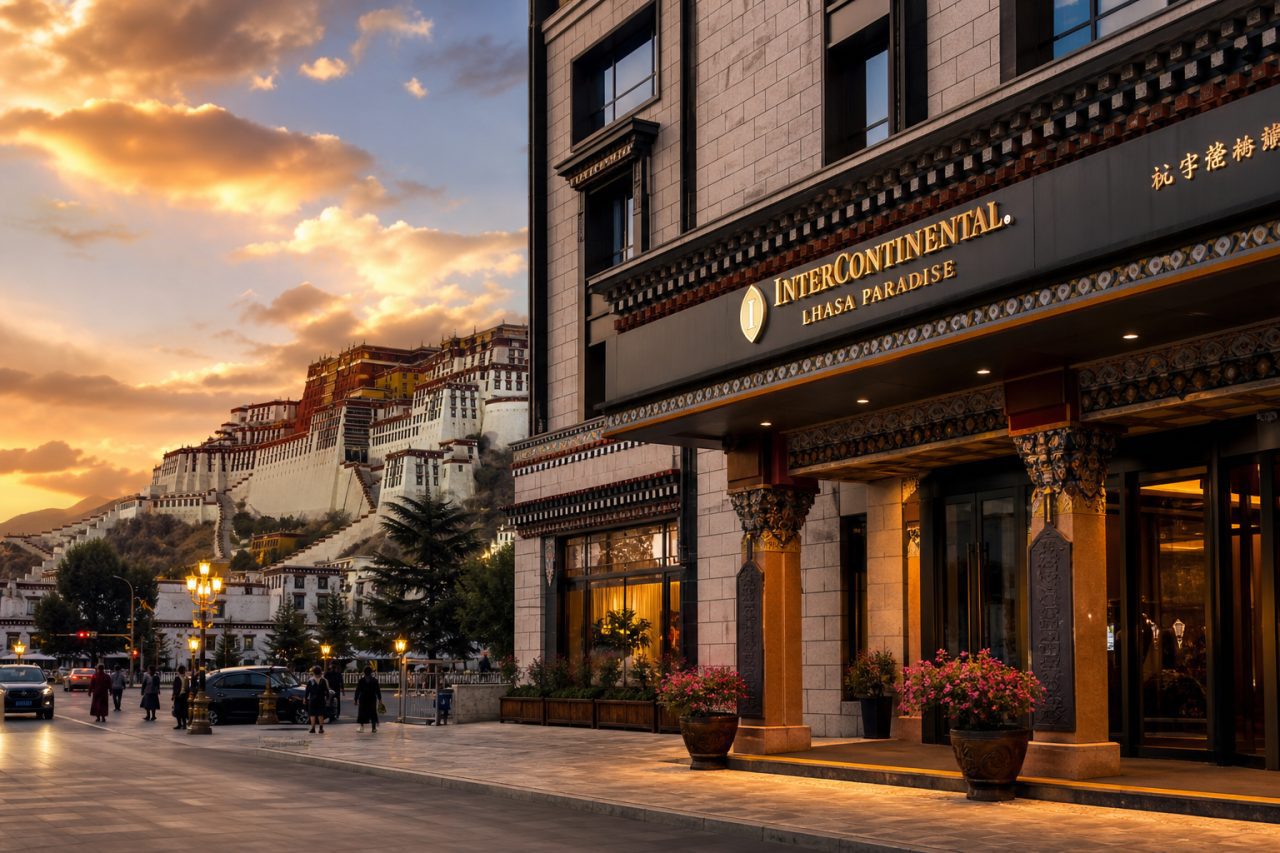
3. InterContinental Lhasa Paradise
InterContinental Lhasa Paradise suits travelers who want a large upscale property with broad amenities and a more contemporary hotel experience. IHG official hotel information positions it as a major luxury hotel in Lhasa with multiple restaurants and event-scale facilities: https://www.ihg.com/intercontinental/hotels/us/en/lhasa/lxaic/hoteldetail.
It makes sense for travelers arriving on a longer China itinerary who prefer familiar international standards. It is a weaker fit if your idea of luxury is intimate atmosphere or heritage character.
4. The House of Shambhala
The House of Shambhala offers a more boutique, Tibetan-style stay than the large global brands. Official hotel information presents it as a heritage-inspired property near central cultural sights: http://www.shambhalapalace.com/.
This is the better choice for travelers who care more about place, atmosphere, and walkable access than about resort-scale facilities. It is not the best answer for travelers who define luxury mainly through spa depth, extensive dining choice, or full international-brand consistency.
5. Songtsam Linka Lhasa
Songtsam Linka Lhasa is well suited to travelers who want design-led Tibetan character with a quieter, more curated feel. Official Songtsam information highlights its boutique positioning and cultural design approach: https://www.songtsam.com/en/hotels/songtsam-linka-lhasa/.
This is a strong option for repeat Tibet travelers or higher-end cultural travelers who want refinement without a chain-hotel mood. It can be less practical for guests who want the widest possible facility range inside the hotel itself.
How to Choose the Right One
If this is your first Tibet trip and comfort is the top priority, start with St. Regis or Shangri-La. If you want dependable luxury but care less about brand prestige, InterContinental is a reasonable alternative.
If the trip is as much about atmosphere as comfort, look harder at Songtsam Linka or House of Shambhala. The key mistake to avoid is choosing only by prestige and then building a rushed itinerary around it.
Best High-End Tibet Itineraries
Option 1: 5 to 7 days for first-time premium travelers
This is the best high-end format for most travelers. Spend two or three nights in Lhasa, then add one carefully paced excursion such as Yamdrok Lake or a short extension to Shigatse. A useful planning baseline is this Tibet 7 day itinerary.
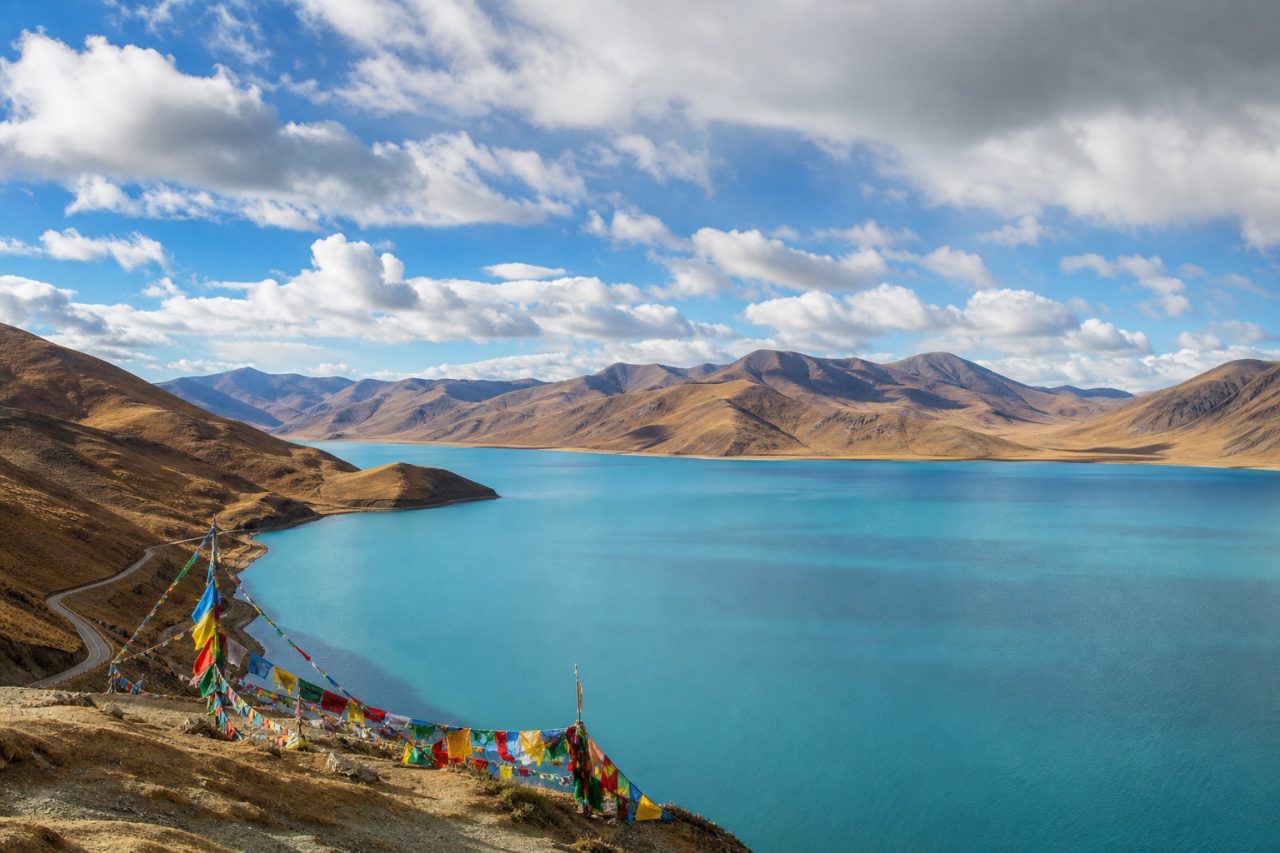
This format works because it protects comfort while still giving you cultural depth and scenery. It is the better choice if you are concerned about altitude, traveling with family, or simply want your premium budget to buy ease rather than distance.
Option 2: 10 to 13 days for a fuller luxury Tibet journey
A longer private journey is the right fit if you want Lhasa, Gyantse, Shigatse, Everest-region scenery, or a deeper overland route with more time to recover between travel days. For route structure, this Tibet 13 day itinerary gives a realistic framework.
The advantage is obvious: better scenic range and less pressure to compress the trip. The trade-off is also real: more nights on the road mean hotel quality outside Lhasa may be comfortable but not equal to the top city properties, so luxury in Tibet becomes a combination of pacing, vehicle quality, guide support, and room standard.
Option 3: Luxury family itinerary
For families, premium Tibet travel should mean fewer hotel changes, shorter driving days, and more time in Lhasa before any higher or longer overland segment. This is one case where paying more genuinely improves the trip, because private pacing reduces fatigue and gives you more control if anyone needs extra rest. Family-specific planning points are covered here: family travel to Tibet.
Common Mistakes That Make a Luxury Tibet Trip Less Comfortable
The first mistake is moving too fast after arrival. Even a top hotel cannot compensate for an itinerary that pushes long drives or higher stops too soon.
The second is assuming all entry formalities are simple once flights are booked. Tibet permit and entry requirements can affect when you can finalize plans, so check what travelers actually need to enter Tibet early rather than treating it as a last-minute detail.
The third is booking peak dates too late. If you are targeting autumn, especially October, review seasonal expectations in is October a good time to travel to Tibet, because availability, crowds, and pricing pressure can change the value of a luxury itinerary.
Best Overall Recommendation
If you want the safest premium choice, pair the St. Regis or Shangri-La with a 5 to 7 day Lhasa-first itinerary. That combination gives the highest chance of a smooth first Tibet experience because it aligns strong hotel comfort with the pace most travelers actually tolerate well.
If you already know you want a more character-driven trip, choose Songtsam Linka or House of Shambhala and keep the route selective rather than overlong. If your goal is a bigger private journey across central Tibet, choose your route first, then select the Lhasa hotel that gives you the best arrival and recovery window before the road segment begins.
That is the main rule for high-end Tibet travel: itinerary quality matters as much as hotel quality. Once those two match, the trip starts to feel genuinely premium rather than simply expensive.
Service fit
Dynamic Trust & Reassurance Block
Use this article as a planning reference, not a final commitment
Service fit
For "Top 5 Luxury Hotels in Lhasa and the Best High-End Tibet Itineraries", value depends on route complexity, hotel level, season, group size and how much private support you expect.
Decision support
Use this article to clarify which comfort level, flexibility and service scope fit your budget before requesting a proposal.
Before you commit
Before committing, confirm inclusions, exclusions, hotel standards, vehicle arrangements and guide support in the final quote.
Last reviewed: July 14, 2026
Start Custom PlanningPrivate trip planning
Need a Tibet plan that fits your comfort level?
Tell us your budget, hotel expectations and travel style. We can explain realistic private tour options before you commit.
Start Custom PlanningYou Might Also Like
Jul 22, 2026
Tibet Photography Guide: Best Places, Camera Rules, and Drone Restrictions
Plan where to sh…
Jul 22, 2026
Tibet with Kids: Family-Friendly Routes, Age Limits, and Comfort Planning
Planning Tibet w…
Jul 22, 2026
Tibet Travel Insurance Guide: What Policies Should Cover for Remote Trips
Choosing Tibet t…
Common Questions
Questions Readers Usually Ask Next
These answers close the practical questions still left after this guide, so you can decide what to do next without another search.
How many nights should you stay in Lhasa before traveling deeper into Tibet?
For most first-time premium travelers, two to three nights in Lhasa is the practical comfort baseline before moving on to higher or longer overland routes. It gives more room to adjust to altitude and reduces the risk of turning an expensive trip into a rushed one.
Is the most expensive hotel in Lhasa always the best choice for a luxury Tibet trip?
No. The better choice depends on how you want the trip to feel. A centrally located hotel can work better for sightseeing ease, while a quieter high-end property may suit travelers who care more about rest, privacy, and a slower start at altitude.
Should a high-end Tibet trip be private rather than fixed-route?
If pace control, comfort stops, and flexibility matter more than price, a private itinerary usually makes more sense. It is especially useful for travelers who want gentler acclimatization, family-specific pacing, or a more tailored route beyond Lhasa.
What is the best trip length for a comfortable luxury Tibet itinerary?
A shorter premium trip of around 6 to 8 days suits travelers who want Lhasa plus a few highlights without too much road fatigue. A longer trip of around 10 to 13 days fits travelers who want broader scenery and deeper cultural range, but only if they are comfortable with more transit time.
When should you move from research to booking?
Once you have narrowed the trip to one or two hotel choices and a route length that fits your comfort level, it is worth checking permit timing and availability. Premium arrangements can lose flexibility during busy periods, so waiting too long can limit both hotel choice and itinerary pacing.