
Tibet 7 Day Itinerary: How to Plan the Right Week in Lhasa and Beyond
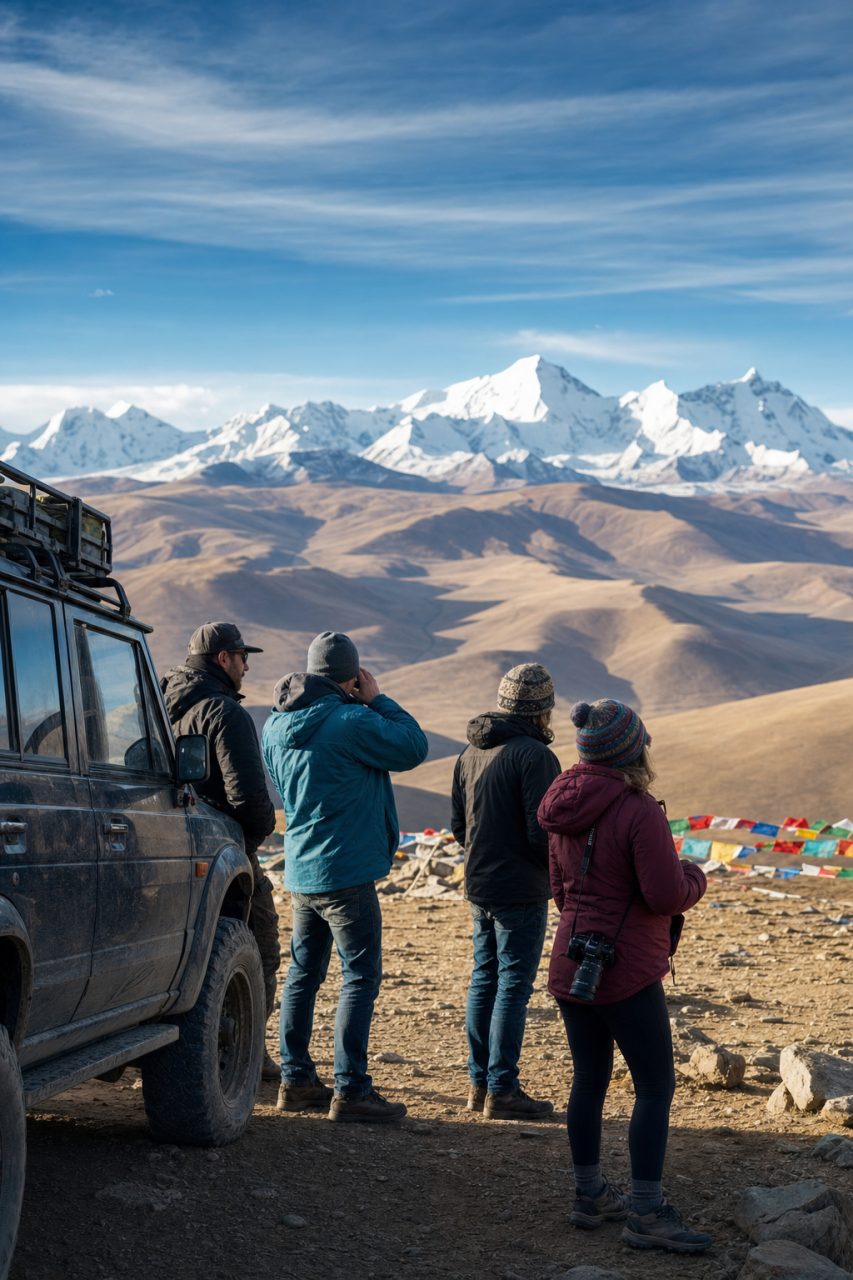
If you only have one week, Tibet can still be worth doing, but the real decision is not whether to go. It is which 7-day route gives you the best balance of culture, scenery, altitude comfort, and travel time. For most first-time travelers, the strongest choice is a Lhasa plus Gyantse and Shigatse itinerary. It gives you the core Tibet experience without pushing altitude and road time as hard as an Everest Base Camp route.
A 7-day trip to Everest Base Camp in Tibet can work, but only for travelers who understand the trade-off: more landmark value, more driving, less margin for acclimatization, and less time to absorb Lhasa itself. If your priority is comfort, cultural depth, or lower altitude risk, stay closer to central Tibet. If your priority is saying you reached Everest from the Tibetan side, then the ambitious version may be justified.
Is 7 Days Enough for Tibet?
Yes, if you define the goal correctly. Seven days is enough for Lhasa and a short overland extension, but it is not enough for a relaxed deep exploration of the whole region.
The common mistake is comparing itinerary names instead of comparing pace. A week in Tibet works best when the first two to three days are used for acclimatization in Lhasa before moving higher, a point supported by Tibet Journeys’ high-altitude travel guide for Tibet and how to compare altitude sickness risk in Tibet.
The 3 Main 7-Day Tibet Itinerary Options
1. Lhasa Only Plus Nearby Monasteries
This is the lowest-risk week and the best fit for travelers who care most about Tibetan culture, city pacing, and a smoother altitude adjustment. It usually includes Lhasa, Potala Palace, Jokhang Temple, Barkhor, Sera or Drepung Monastery, and one or two day trips such as Drak Yerpa or Namtso depending on season and road conditions.
Choose this if you are older, have limited high-altitude experience, or simply do not want to spend long days in a vehicle. If you are unsure what to prioritize, Tibet Journeys’ guide to top attractions in Tibet helps separate must-see sites from optional add-ons.
2. Lhasa, Gyantse, and Shigatse
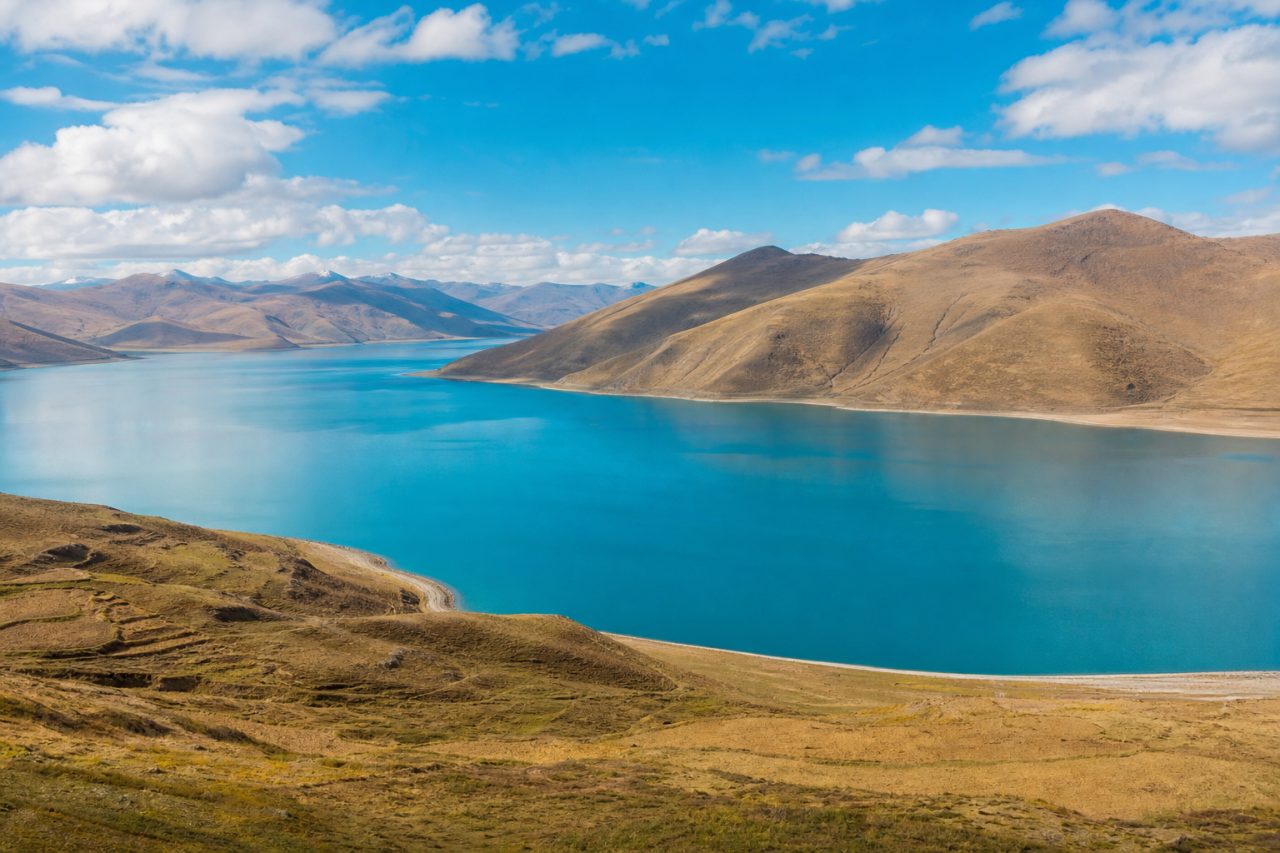
This is the best all-around 7-day Tibet itinerary for most first-time visitors. You still get Lhasa’s key monuments, but you also see the overland landscapes, Yamdrok Lake, Gyantse, and Tibet’s second city, Shigatse.
It offers a better balance than rushing to Everest Base Camp. You gain variety and classic Tibet scenery, but the trip remains more forgiving than pushing all the way to the highest overnight points of a western route.
3. Lhasa to Everest Base Camp
This is the right 7-day route only if Everest is the main reason for your trip. It can be memorable, but it compresses distance, increases altitude exposure, and leaves less recovery time if you feel unwell.
Tibet Journeys’ articles on altitude sickness risk in Tibet and whether Everest Base Camp in Tibet is suitable for seniors are especially relevant here. The key issue is not age alone, but how well you tolerate altitude, how much road time you can handle, and whether your trip goal justifies the added strain.
Recommended 7-Day Tibet Itinerary for Most Travelers
If you want the best balance of value and realism, choose Lhasa, Gyantse, and Shigatse.
- Day 1: Arrive in Lhasa and rest. Keep activity light because the first day is about adjustment, not sightseeing.
- Day 2: Potala Palace and Jokhang Temple, then a slow walk around Barkhor. This gives you the core cultural landmarks without overloading the day.
- Day 3: Sera or Drepung Monastery and another half-day in Lhasa. A second acclimatization day improves the odds that the overland section feels enjoyable rather than forced.
- Day 4: Drive to Gyantse via Yamdrok Lake and high passes. This is usually one of the most scenic road days and the point where the trip starts to feel geographically bigger.
- Day 5: Visit Gyantse, then continue to Shigatse. You add history and monastery culture without the same altitude push as Everest Base Camp.
- Day 6: Explore Shigatse and return toward Lhasa, or stay depending on the operator’s routing. This day varies, so ask in advance how many hours are actually spent driving.
- Day 7: Depart from Lhasa.
This route fits first-time travelers, couples, families, and travelers who want meaningful scenery without making the whole week a test of endurance.
When Everest Base Camp Is Worth It in 7 Days
Choose the Everest version if your priority is the mountain itself and you accept that Lhasa becomes the acclimatization platform rather than the main experience. In practical terms, that means fewer slow cultural hours, more driving, colder nights, and a tighter margin if weather, fatigue, or altitude affect you.
This route is less suitable for travelers who already know they struggle at altitude, want a relaxed premium trip, or dislike long overland days. If those describe you, a central Tibet route is usually the better purchase even if the Everest itinerary looks more dramatic on paper.
How Altitude, Permits, and Timing Change the Decision
Altitude should shape the route before price does. Tibet Journeys’ high-altitude travel guide for Tibet recommends gradual ascent and early acclimatization, which is why strong week-long itineraries avoid sending travelers immediately to the far west.
Permits also affect how early you should plan. Travelers cannot treat Tibet like a last-minute domestic city break, and permit handling is usually bundled through a tour operator; for cost structure and what travelers actually pay, see Tibet Journeys’ guide on how much a Tibet permit costs.
Season matters mainly when it changes views, crowding, and price. For example, travelers considering autumn should compare weather and crowd patterns using Tibet Journeys’ article on whether October is a good time to travel to Tibet, because a scenic route has less value if visibility is a major concern for your dates.
What a 7-Day Tibet Trip Usually Costs
There is no single honest price for a 7-day Tibet itinerary because route length, hotel standard, private versus group travel, season, and permit handling all change the total. As a rule, a Lhasa-focused week is usually cheaper than an Everest-focused one because the overland distance, vehicle use, and remote accommodation demands are lower.
Low headline prices often hide the most important comparison points: hotel category, transfer quality, whether the permit service is included, and how much of the week is spent in transit. Before paying a deposit, ask for the exact route, the number of long driving days, accommodation standard, and what is included in the permit cost.
How to Choose the Right Week
Choose Lhasa only if you want the safest altitude profile and deepest cultural time. Choose Lhasa plus Gyantse and Shigatse if you want the best first-trip balance. Choose Lhasa to Everest Base Camp only if Everest is the core goal and you are comfortable with the trade-off.
If you are still comparing options, the next useful step is not asking for more attractions. It is asking an operator to map your preferred route against your season, altitude comfort, and hotel expectations. That usually reveals very quickly whether your best week in Tibet is a cultural itinerary or a more ambitious overland push.
Disclaimer: Tibet travel rules, road conditions, and permit handling can change. Confirm current permit requirements, transport arrangements, and final routing with your operator before booking, and use professional medical advice for personal altitude concerns.
Route suitability
Dynamic Trust & Reassurance Block
Use this article as a planning reference, not a final commitment
Route suitability
For "Tibet 7 Day Itinerary: How to Plan the Right Week in Lhasa and Beyond", the right route depends on available days, altitude comfort, transport preference and the experience you want to prioritize.
Decision support
Use this article to compare route trade-offs, pacing and must-confirm logistics before choosing a final itinerary.
Before you commit
Before committing, confirm permit feasibility, road access, hotel availability, physical difficulty and your preferred travel pace.
Last reviewed: July 13, 2026
Design Your RouteRoute design support
Need help turning this route idea into a real plan?
We can help adjust the itinerary around your dates, pace, altitude comfort, permit needs and must-see places.
Design Your RouteYou Might Also Like
Jul 22, 2026
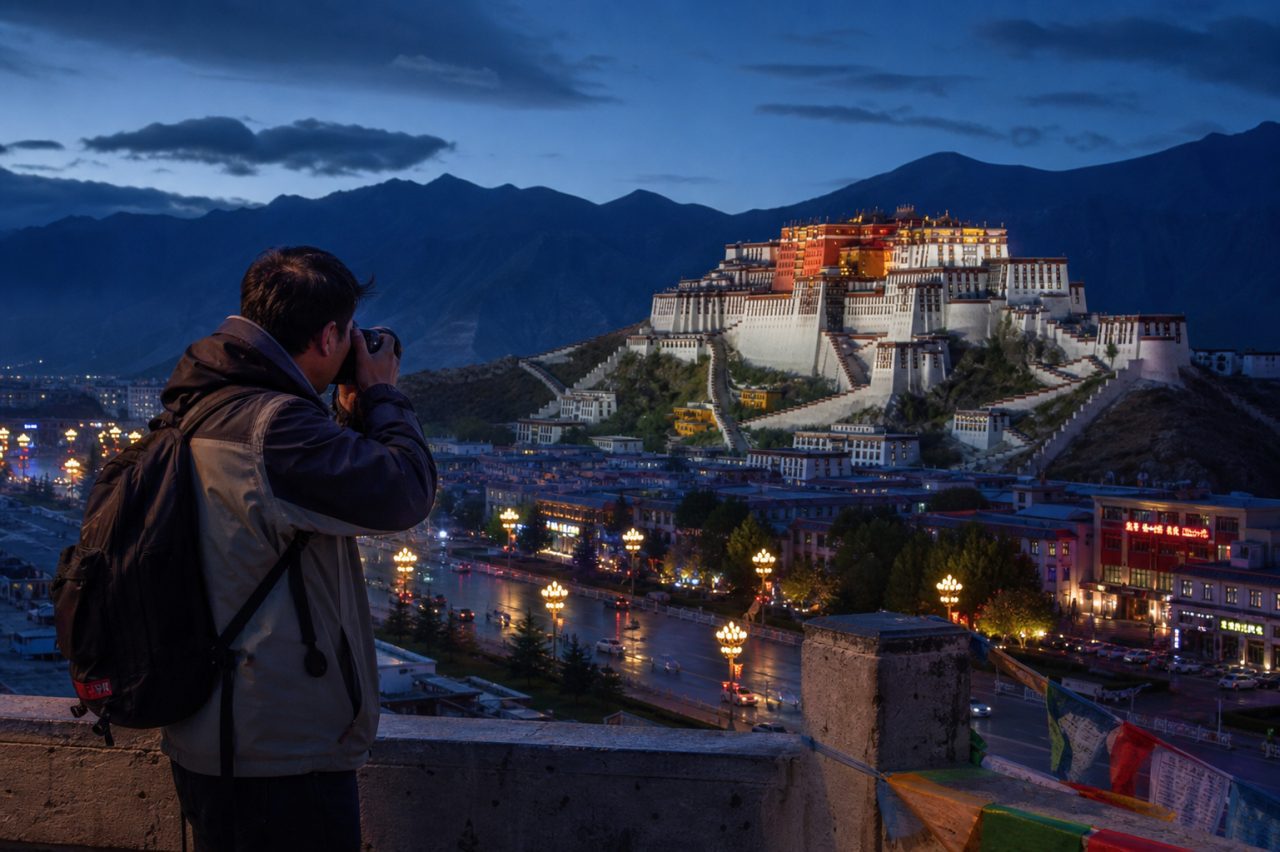
Tibet Photography Guide: Best Places, Camera Rules, and Drone Restrictions
Plan where to sh…
Jul 22, 2026
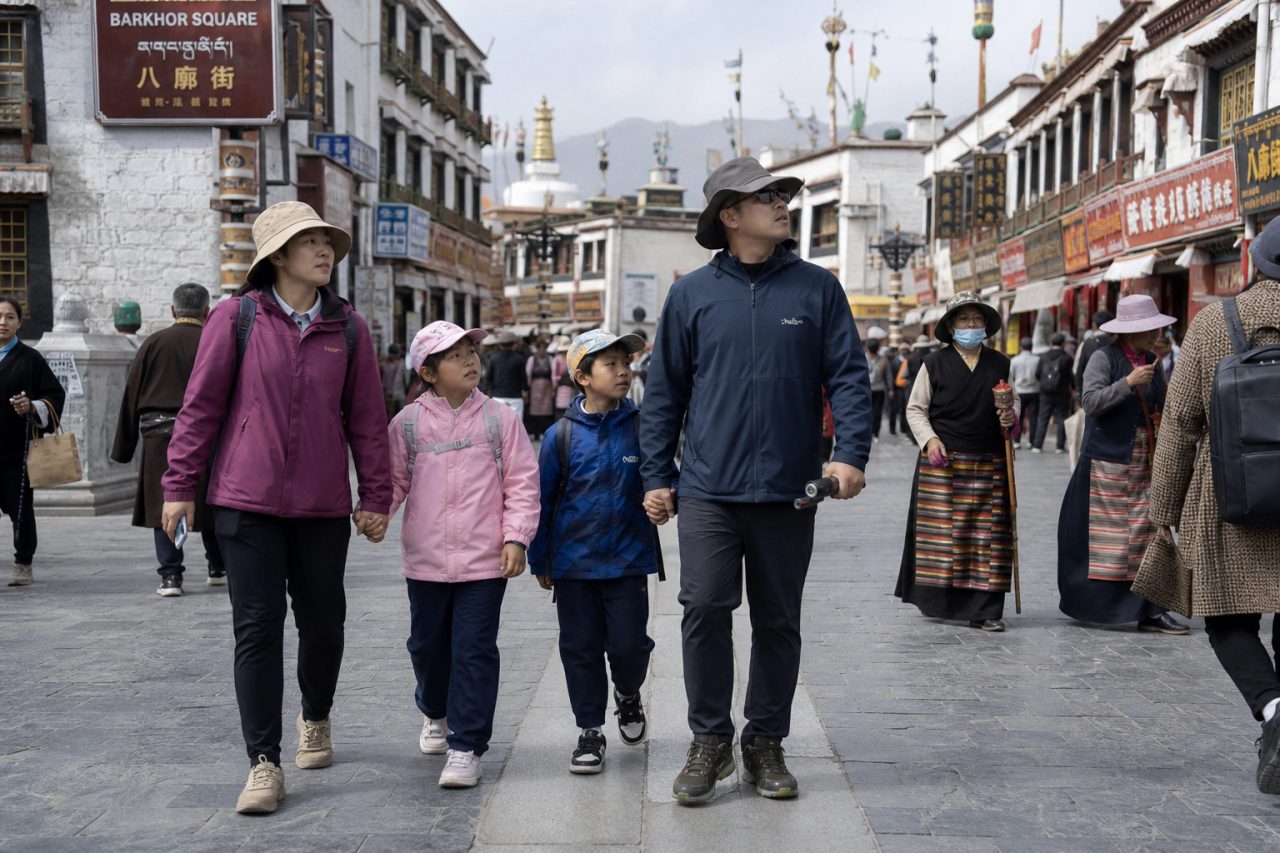
Tibet with Kids: Family-Friendly Routes, Age Limits, and Comfort Planning
Planning Tibet w…
Jul 22, 2026
Tibet Travel Insurance Guide: What Policies Should Cover for Remote Trips
Choosing Tibet t…