
High-Altitude Travel Sickness: How to Compare Risk, Prevention, and When to Change Your Tibet Plan
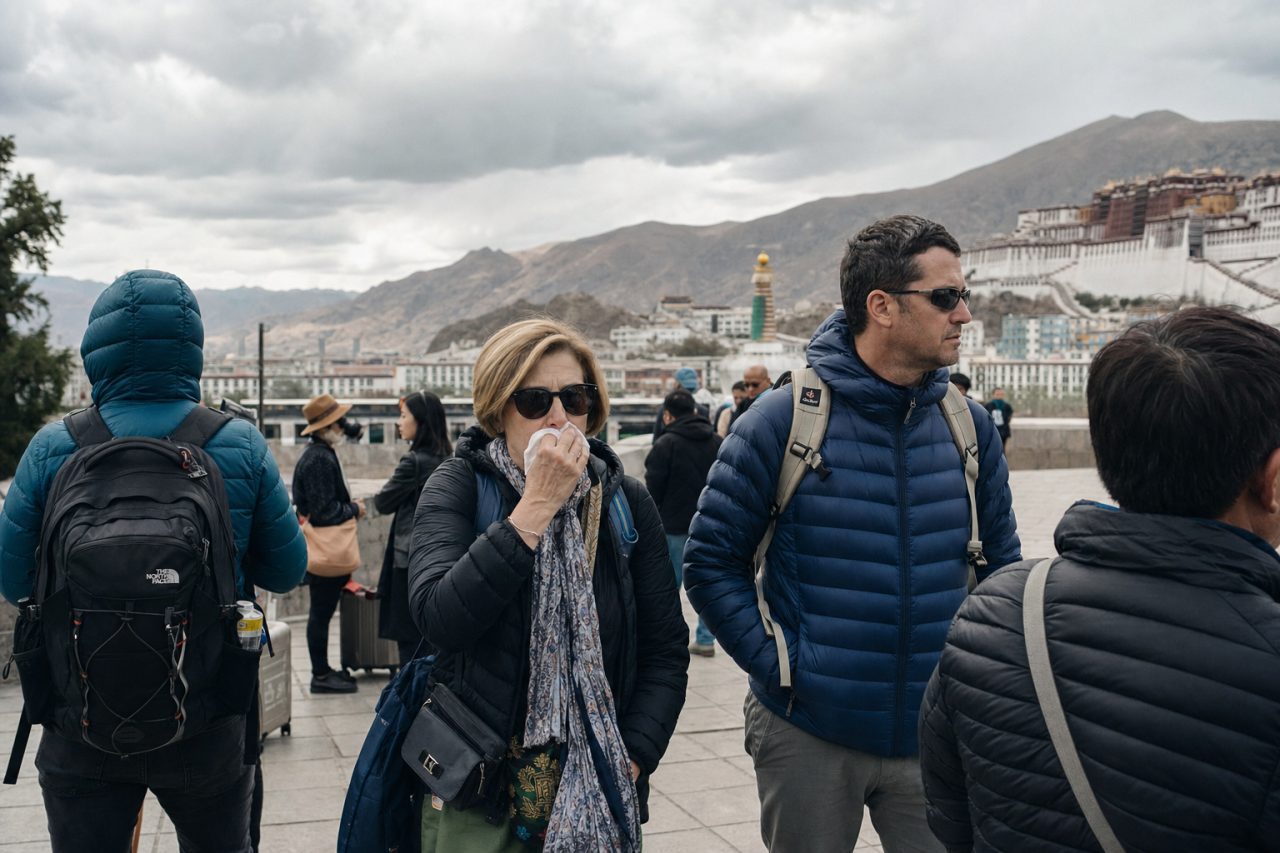
If you are interested in Tibet but worried about high-altitude travel sickness, the practical answer is this: many travelers can still go safely, but the real decision is not just whether to go. It is whether your health, your pace, and your itinerary give you enough margin to acclimatize. For most first-time visitors, a slower plan matters more than confidence, fitness, or buying oxygen as a backup.
Named medical guidance is consistent on the big points. The CDC Yellow Book explains that altitude illness can range from mild acute mountain sickness to life-threatening high-altitude pulmonary edema and high-altitude cerebral edema, and that symptoms often improve with rest or descent but can worsen if travelers keep ascending (CDC Yellow Book, https://wwwnc.cdc.gov/travel/yellowbook). The Wilderness Medical Society clinical guidelines also stress gradual ascent, symptom recognition, and early response rather than trying to push through (Wilderness Medical Society, https://wms.org/magazine/magazine/1463/2019altitude-cpg/default.aspx).
Can You Still Travel to Tibet If You Worry About Altitude Sickness?
Yes, often you can, but concern is reasonable because Lhasa sits at about 3,650 meters or 11,975 feet, which is already high enough for acute mountain sickness to affect healthy travelers. Mayo Clinic notes that altitude sickness can affect anyone, and physical fitness does not protect you from it (Mayo Clinic, https://www.mayoclinic.org/diseases-conditions/altitude-sickness/symptoms-causes/syc-20370324).
That changes the booking decision. A fit traveler on a rushed itinerary may struggle more than an older traveler on a better-paced route. The safer question is not “Am I strong enough?” but “Does this plan give me time to adapt before I sleep higher or start pushing over passes?”
Which Symptoms Matter, and When Is It No Longer Safe to Continue?
The NHS describes common altitude sickness symptoms as headache, loss of appetite, feeling sick, dizziness, tiredness, and trouble sleeping (NHS, https://www.nhs.uk/conditions/altitude-sickness/). Mild symptoms do not automatically mean the trip is over. They do mean you should slow down, rest, avoid further ascent, hydrate normally, and monitor whether symptoms improve.
The danger line is different. The CDC Yellow Book warns that shortness of breath at rest, worsening cough, chest tightness, confusion, trouble walking straight, or severe weakness may signal serious altitude illness and require urgent descent and medical attention (CDC Yellow Book, https://wwwnc.cdc.gov/travel/yellowbook).
A common traveler mistake is treating worsening symptoms like ordinary fatigue and continuing the schedule because the group is moving on. If symptoms are getting stronger instead of stabilizing, the priority changes from sightseeing to descent, oxygen support if available, and medical evaluation.
What Actually Lowers Your Risk Before and During a Tibet Trip?
The strongest prevention tools are not complicated. The Wilderness Medical Society emphasizes gradual ascent and limiting further ascent when symptoms appear, while the CDC Yellow Book also supports acclimatization-focused planning over reactive fixes (Wilderness Medical Society, https://wms.org/magazine/magazine/1463/2019altitude-cpg/default.aspx; CDC Yellow Book, https://wwwnc.cdc.gov/travel/yellowbook).
- Choose a slower itinerary. Your first two days matter more than how many attractions fit the brochure.
- Avoid hard exertion right after arrival. Walking slowly is better than trying to prove you feel fine.
- Discuss preventive medication with a clinician if you have concerns. The CDC Yellow Book and Wilderness Medical Society both discuss acetazolamide for some travelers, but it is a medical decision, not a casual add-on.
- Do not rely on fitness. It helps general recovery, not altitude immunity.
- Sleep and hydration help comfort, but they do not replace acclimatization.
For Tibet-specific planning, a focused high-altitude travel guide is useful when you want to translate general medical advice into trip preparation and pacing decisions.
Do You Need Oxygen in Tibet, or Do You Need a Better Itinerary?
For most travelers, oxygen is a backup tool, not the main strategy. The CDC Yellow Book treats supplemental oxygen as part of managing altitude problems, especially when descent is delayed, but not as a substitute for proper acclimatization or a reason to keep ascending with worsening symptoms (CDC Yellow Book, https://wwwnc.cdc.gov/travel/yellowbook).
That is why itinerary design usually matters more than asking whether oxygen is available in the vehicle or hotel. If a trip climbs quickly, sleeps high, and leaves no recovery room, oxygen access may reduce anxiety but it does not fix the underlying risk. This is also the practical point behind Do You Need Oxygen in Tibet?: many travelers need better pacing more than they need to carry oxygen all day.
How to Compare Tibet Itineraries for Altitude Safety Before You Book
Two Tibet tours with similar sightseeing can create very different altitude stress. Before you book, compare them on these points:
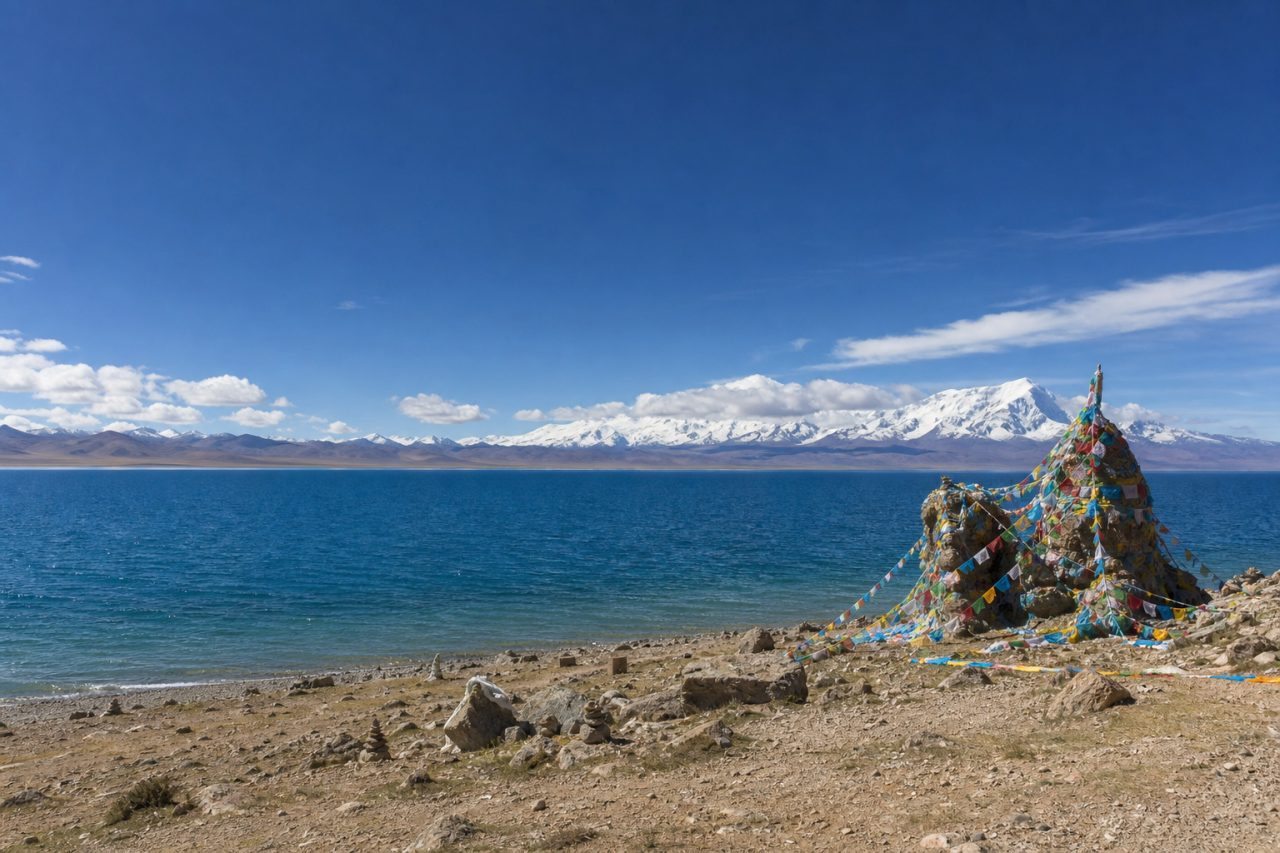
- Arrival profile: Do you arrive in Lhasa and rest, or start moving hard immediately?
- First-night altitude: Are you sleeping only in Lhasa first, or going higher too soon?
- Pacing after arrival: Does the plan build gradually or stack long drives and high passes early?
- Flexibility: Can the operator adapt if someone develops symptoms?
- Support: Is there clear guidance on oxygen access, rest stops, and when to descend?
A first-time traveler with limited high-altitude experience should usually favor a route that gives Lhasa time before moving to higher areas. A more aggressive plan may look efficient on paper but can cost you the trip if symptoms begin early. When comparing options, this 9-day Tibet tour example is useful because pacing and acclimatization fit matter as much as the attractions included.
Who Should Get Medical Advice or Change the Plan Before Traveling?
You should discuss the trip with a clinician before booking if you have heart disease, lung disease, prior serious altitude illness, sleep-breathing concerns, or you take medications that could complicate altitude response. Mayo Clinic and the CDC Yellow Book both support getting medical advice when pre-existing conditions or past altitude problems are part of the picture (Mayo Clinic, https://www.mayoclinic.org/diseases-conditions/altitude-sickness/symptoms-causes/syc-20370324; CDC Yellow Book, https://wwwnc.cdc.gov/travel/yellowbook).
You should also reconsider the plan if your only workable itinerary is very short and tightly packed. In Tibet, compressed schedules can turn a manageable risk into a poor decision because you have little room to pause, rest, or change altitude gradually.
When to Take the Next Step and Choose a Safer Tibet Trip
If you are generally healthy, understand the warning signs, and can choose a paced itinerary, altitude concern alone does not usually mean you should give up on Tibet. It does mean you should book with altitude safety as a core filter, not an afterthought.
The best next move is to compare routes by acclimatization margin, not just price or attractions. This Tibet travel package guide can help you compare itineraries, support level, and trip structure once you know your altitude tolerance matters more than sightseeing volume.
Disclaimer: This article is for travel planning and general education, not personal medical diagnosis. If you have a medical condition, prior severe altitude illness, or symptoms that are worsening during travel, use clinician guidance and urgent local medical care where needed.
Medical safety
Dynamic Trust & Reassurance Block
Use this article as a planning reference, not a final commitment
Medical safety
For "High-Altitude Travel Sickness: How to Compare Risk, Prevention, and When to Change You", altitude response and physical comfort can vary between travelers, so the guidance should be treated as preparation context rather than personal medical advice.
Decision support
Use this article to decide what pace, acclimatization time, route difficulty and warning signs need discussion before you choose a travel plan.
Before you commit
Before committing, match the advice to your age, fitness, previous altitude exposure and any medical guidance you receive from a qualified professional.
Last reviewed: July 12, 2026
Plan a Safer PaceHigh-altitude planning
Planning Tibet at high altitude?
We can help design a slower-paced itinerary with proper acclimatization time, suitable route choices and local support.
Plan a Safer Tibet JourneyYou Might Also Like
Jul 22, 2026
Tibet Photography Guide: Best Places, Camera Rules, and Drone Restrictions
Plan where to sh…
Jul 22, 2026
Tibet with Kids: Family-Friendly Routes, Age Limits, and Comfort Planning
Planning Tibet w…
Jul 22, 2026
Tibet Travel Insurance Guide: What Policies Should Cover for Remote Trips
Choosing Tibet t…