
Tibet Travel Package Guide: How to Compare Itineraries, Permits, Costs, and Tour Quality
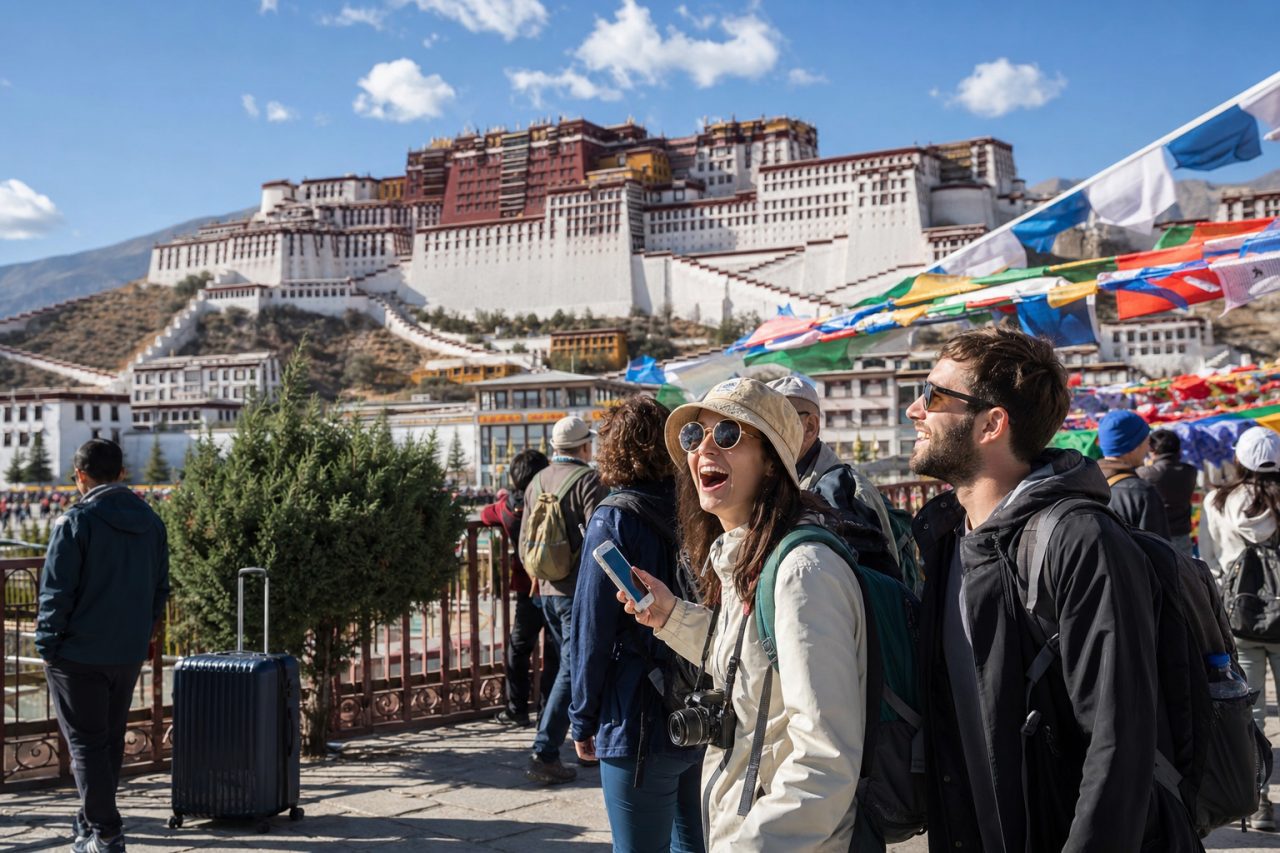
A Tibet travel package is worth booking when it solves four things clearly: legal entry, realistic altitude pacing, route quality, and total trip cost. That is the practical standard first-time travelers should use. A cheap package that rushes acclimatization, hides border transfers, or leaves permit timing vague is usually worse value than a slightly higher-priced tour that handles the route properly.
For this comparison, the most decision-useful sources are the planning articles on TibetJourneys for permit handling, trip length, cost, season, and traveler eligibility, plus public health guidance from the CDC Travelers’ Health and altitude guidance from the NHS. Those sources support the key judgment: the right Tibet package depends less on sightseeing volume and more on how the itinerary matches your starting point, altitude tolerance, and permit pathway.
Which Tibet package fits your trip goal?
| Package type | Usually best for | Main advantage | Main tradeoff |
|---|---|---|---|
| Lhasa-only or Lhasa plus short day trips | First-time visitors, older travelers, shorter vacations | Simpler logistics and gentler pacing | Less landscape variety |
| Lhasa to Everest overland | Travelers who want monasteries, big plateau scenery, and Everest views | Stronger sense of Tibet beyond the capital | Higher altitude exposure and longer road days |
| Kathmandu to Tibet overland or fly-in route | Travelers combining Nepal and Tibet | Efficient multi-country itinerary | Border and entry logistics matter more |
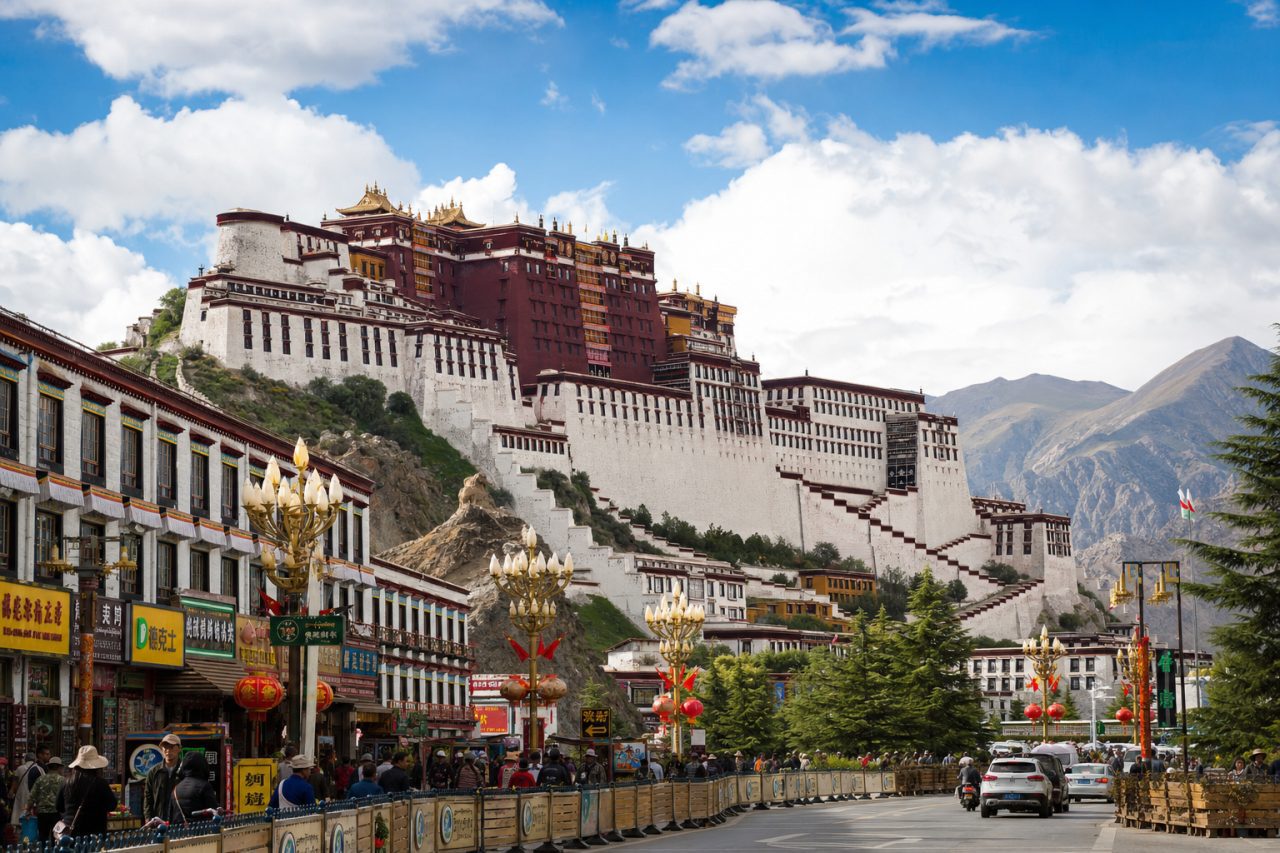
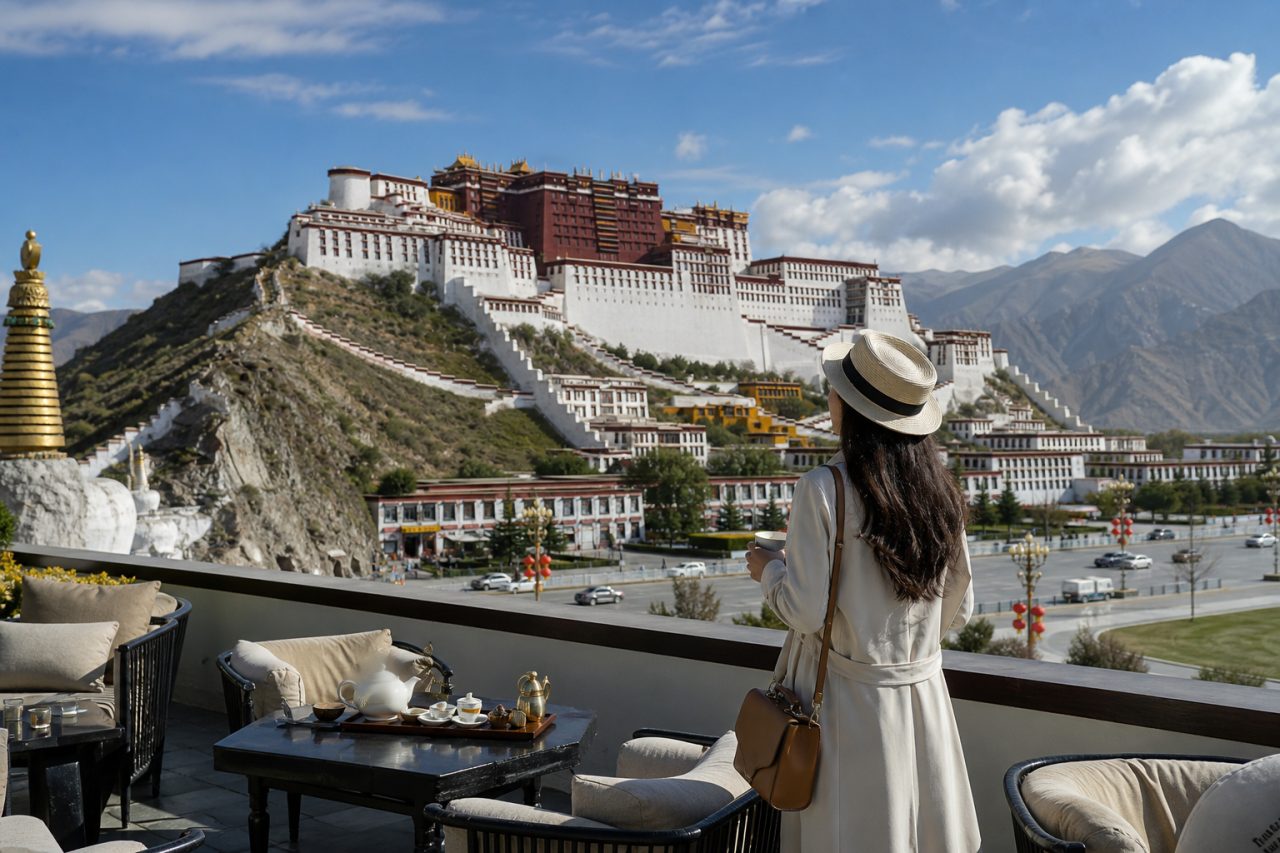
If this is your first high-altitude trip, a shorter Lhasa-focused package is often the safest starting point. The route gives you time to adjust around Lhasa, which sits at about 3,650 meters, while still covering major landmarks such as the Potala Palace and Jokhang area. If your priority is scenery and you can spare more days, a Lhasa-to-Everest package usually delivers more trip value than adding too many city stops.
Trip length matters more than many buyers expect. The practical benchmark in How Many Days in Tibet Is Enough? Trip Lengths Compared for First-Time Travelers is useful here: very short programs can look efficient on paper but often weaken acclimatization and reduce the quality of the overall route.
What actually changes the value of a Tibet travel package
Two Tibet packages with similar names can produce very different trips. The biggest differences usually come from hotel standard, vehicle comfort, road pacing, guide support, permit handling, and whether the package includes dead time or meaningful stops.
- Acclimatization logic: A stronger itinerary builds slower altitude gain into the first days. The CDC and NHS both warn that altitude illness risk rises with rapid ascent, and symptoms can range from headache and nausea to more serious complications. See CDC Travelers’ Health and NHS altitude sickness guidance.
- Permit workflow: Tibet travel depends on permits and itinerary coordination, so the package is not just a hotel-and-car bundle. For U.S. travelers, Tibet Tours from the USA: What American Travelers Need to Know Before Booking and Are Americans Allowed to Visit Tibet? Rules, Permits, and What to Know are the relevant planning references.
- Start point and transport chain: A package starting in Lhasa, Chengdu, Xining, or Kathmandu creates different timing, cost, and risk. A low advertised tour price can become expensive once positioning flights, hotels before departure, and border transfers are added.
- Route design: A scenic route is not always a practical first route. Some travelers benefit more from an extra night in Lhasa than from squeezing in one more remote stop.
How to compare Lhasa-only, overland, and Nepal-Tibet routes
A first-time buyer should compare packages by consequence, not by the number of attractions listed.
Lhasa-only packages are usually the cleanest choice for travelers with 4 to 6 days in Tibet, moderate budgets, or concern about altitude. They work well for couples, older parents, and travelers who want culture first. The downside is simple: you will see less of Tibet’s long-distance road landscape.
Lhasa to Everest packages suit travelers who want one trip to cover monasteries, Yamdrok Lake, Gyantse, Shigatse, and the Everest region. These routes usually offer the highest emotional payoff, but only if the pacing is realistic. If the itinerary pushes long drives too early, the package can become tiring fast.
Nepal-Tibet routes make sense when Tibet is part of a wider Himalayan trip. They can be efficient, but travelers should pay close attention to border arrangements, entry timing, and backup planning. This is where a package should feel operationally precise, not vague.
The hidden costs and risks many travelers miss
Price comparison only works when you compare the full spend. The clearest budgeting reference in the supplied sources is How Much Does a Trip to Tibet Cost? A Practical Budget Breakdown for First-Time Travelers, which helps separate headline package price from total trip cost.
- Positioning costs: Flights or trains to the package start city may not be included.
- Single supplement: Solo travelers often see the biggest gap between headline price and final invoice.
- Monastery or sightseeing entry details: Check whether all listed attractions are included or only some.
- Border and transfer fees: These matter more on Nepal-linked itineraries.
- Oxygen and medical expectations: Travelers should not assume oxygen is a substitute for acclimatization. Do You Need Oxygen in Tibet? What Most Travelers Actually Need to Know, along with the CDC and NHS guidance, gives a more realistic framework.
The beginner mistake is chasing the lowest package price before checking what has been excluded. In Tibet, hidden logistics costs can erase the apparent bargain.
How to judge a Tibet travel agency before paying a deposit
Use a short screening checklist. If an operator cannot answer these points clearly, keep looking.
- What exact permit-related services are included, and what documents are required from you?
- How many nights are spent in Lhasa before higher-altitude road sections?
- What class of hotels is included in each location?
- What transport is used for long overland legs?
- What is excluded from the quote?
- What happens if transport timing changes or a border step becomes delayed?
A serious agency should be specific about the route, inclusions, and pacing. Vague wording such as “all necessary arrangements” is not enough for a decision that depends on permits and altitude planning.
When to book, customize, or walk away
Book a standard group package when your dates are fixed, your route goal is clear, and the itinerary already gives enough acclimatization time. Customize when you have older family members, want better hotels, need a slower road pace, or are combining Tibet with Nepal or mainland China.
Walk away when the package looks unusually cheap, compresses too much into too few days, or answers permit questions loosely. Season also changes value. For weather, visibility, and festival timing, compare your dates against Best Month to Visit Tibet: When to Go for Weather, Festivals, and Clear Mountain Views.
If you are still narrowing options, the fastest next step is to compare three package styles side by side: one Lhasa-focused itinerary, one Everest overland route, and one customized version based on your dates and comfort level. That makes tradeoffs visible quickly. Travelers from the United States should also review what American travelers need to know before booking Tibet tours and confirm whether Americans are allowed to visit Tibet before choosing a route.
Disclaimer: Entry rules, permit procedures, transport schedules, and border arrangements can change. Before paying a deposit, confirm your itinerary, document requirements, and timing against the operator’s latest written package details and any current government or embassy travel information relevant to your passport and point of entry.
Service fit
Dynamic Trust & Reassurance Block
Use this article as a planning reference, not a final commitment
Service fit
For "Tibet Travel Package Guide: How to Compare Itineraries, Permits, Costs, and Tour Quali", value depends on route complexity, hotel level, season, group size and how much private support you expect.
Decision support
Use this article to clarify which comfort level, flexibility and service scope fit your budget before requesting a proposal.
Before you commit
Before committing, confirm inclusions, exclusions, hotel standards, vehicle arrangements and guide support in the final quote.
Last reviewed: July 11, 2026
Start Custom PlanningPrivate trip planning
Need a Tibet plan that fits your comfort level?
Tell us your budget, hotel expectations and travel style. We can explain realistic private tour options before you commit.
Start Custom PlanningYou Might Also Like
Jul 22, 2026
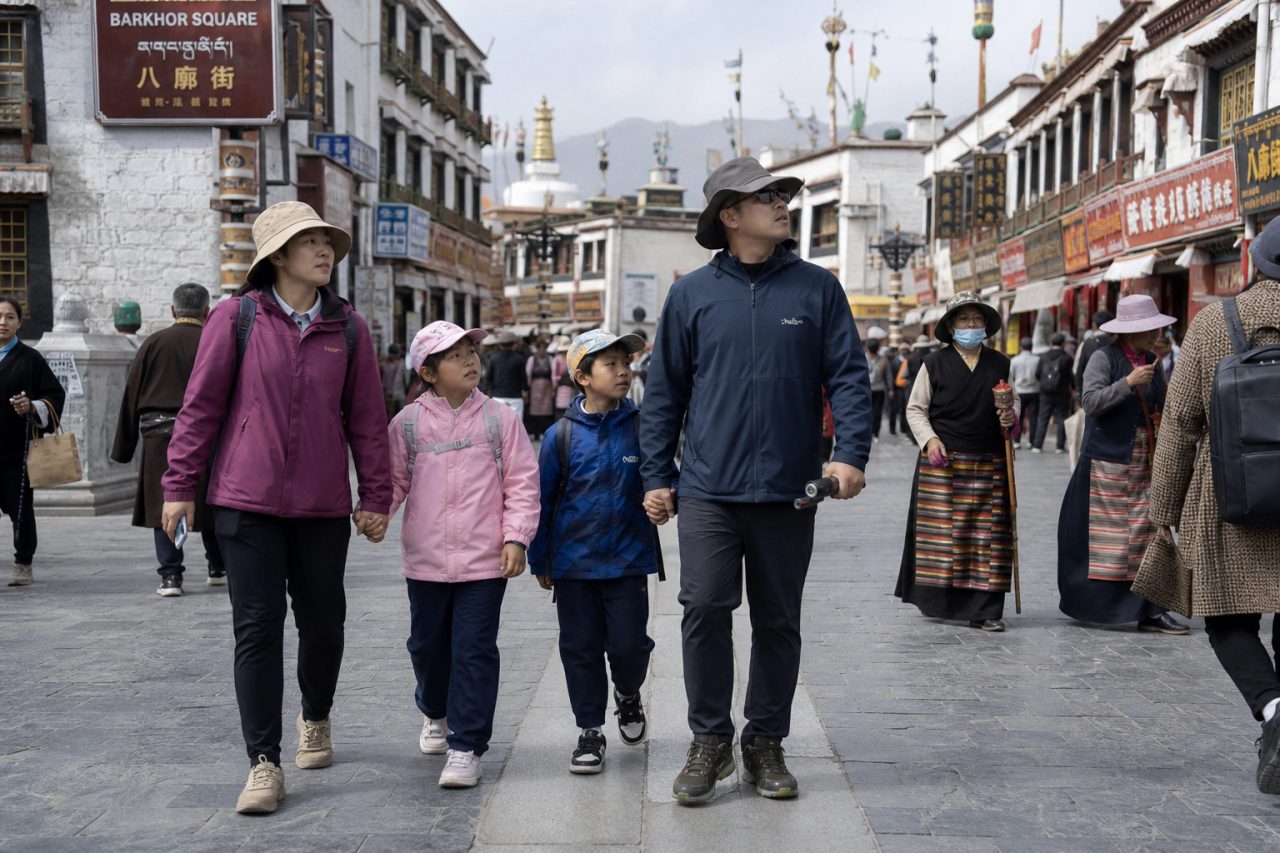
Tibet with Kids: Family-Friendly Routes, Age Limits, and Comfort Planning
Planning Tibet w…
Jul 22, 2026
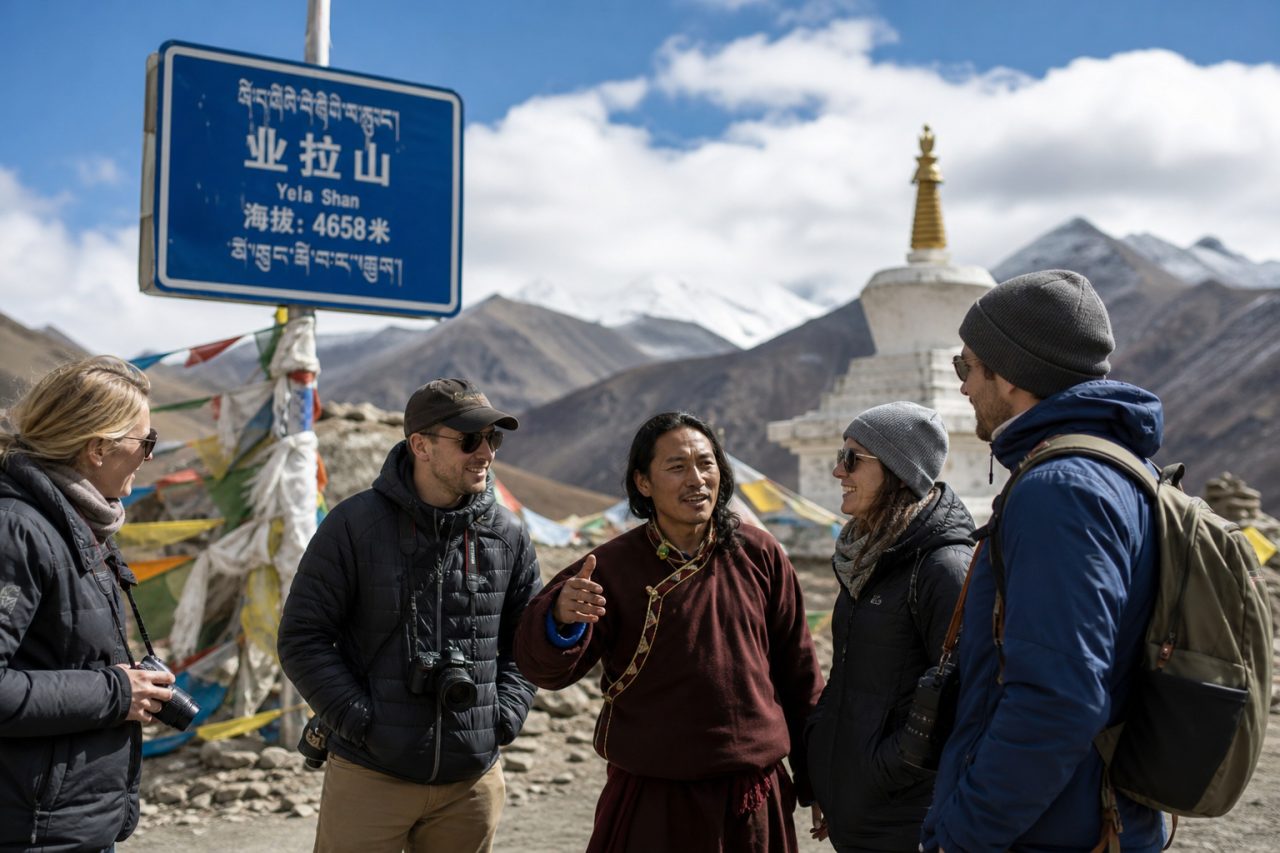
Tibet Travel Insurance Guide: What Policies Should Cover for Remote Trips
Choosing Tibet t…
Jul 21, 2026
2026 Lhasa Luxury Travel Itineraries: How to Choose the Right Private Tibet Trip
Compare 2026 Lha…