
How Much Does a Trip to Tibet Cost? A Practical Budget Breakdown for First-Time Travelers
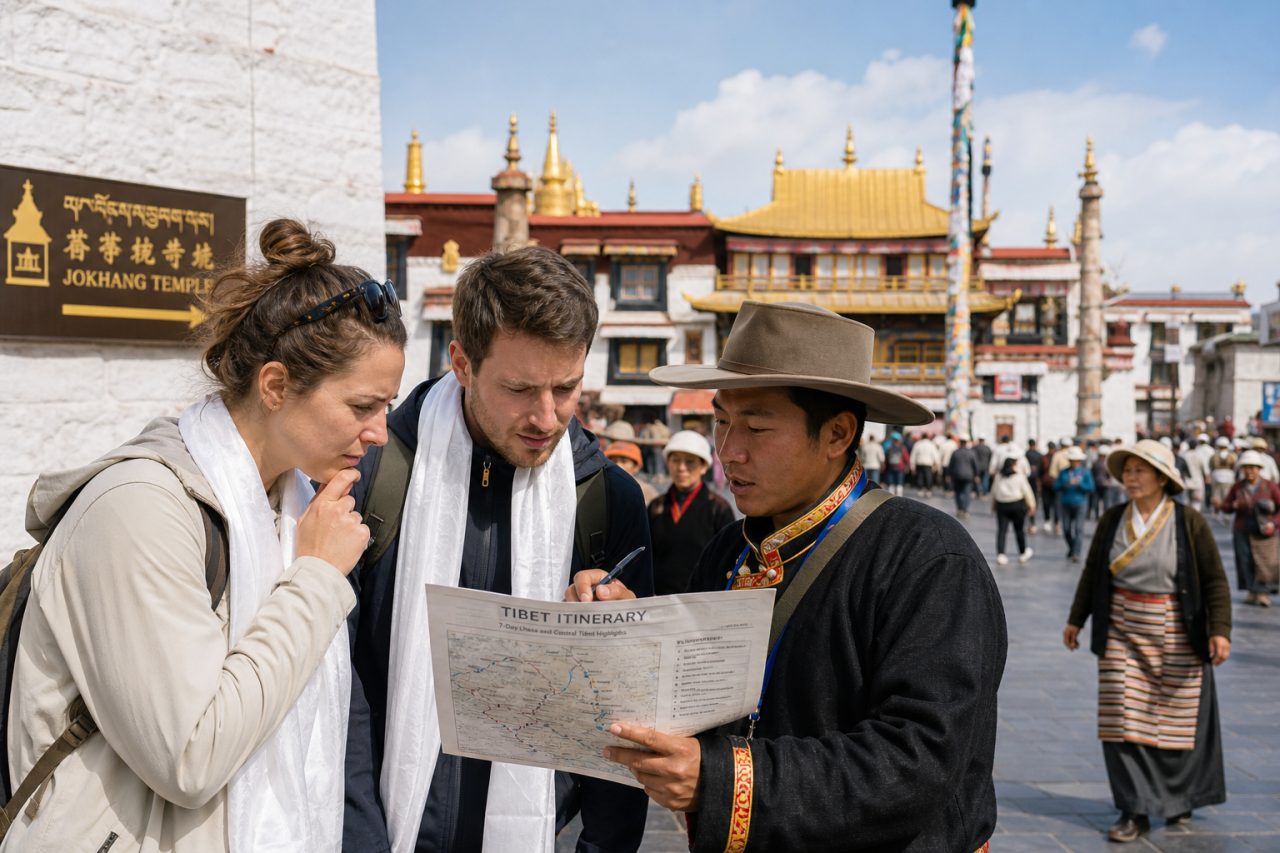
A first-time trip to Tibet usually costs more than travelers expect, but the range becomes easier to judge once you separate the tour price from the total trip budget. For most international visitors, a realistic starting point is not just the advertised package rate. It is the combined cost of the Tibet tour itself, transport to Tibet, hotel level, route length, season, meals not included, and any private upgrade. Tibet is also different from many other destinations because travel arrangements are tied to permit handling and regulated logistics rather than simple independent booking. Tibet Journeys explains in Are Tourists Allowed to Visit Tibet? Current Rules, Permits, and What to Expect that most foreign travelers need a pre-arranged tour structure to handle Tibet travel permit procedures and local travel arrangements.
The practical judgment is this: a short group-style Lhasa trip may sit in the lower range, while a private overland journey with better hotels, internal transport, and side routes can cost two to three times more. The main mistake is comparing Tibet tours by headline price alone. The better way is to compare what is included, what still has to be paid later, and whether the itinerary matches your comfort level and acclimatization needs.
What a Tibet trip usually includes
Most Tibet tour quotes include the land arrangement inside Tibet rather than your full international trip. That often means local guide service, a driver and vehicle for longer routes, hotels, major sightseeing on the itinerary, and Tibet permit support handled through the agency. Tibet Journeys covers the agency role and permit support in How to Choose a Tibet Travel Agency: Permits, Tour Types, and Key Questions.
What is often not included is just as important. International flights, China-entry arrangements if required for your route, train or domestic flight tickets to reach Tibet, some meals, tips, personal expenses, travel insurance, and private room supplements are commonly separate. This is why two tours with similar day counts can look close in price but end up far apart in total cost.
What changes the cost most
1. Trip length
Length is one of the biggest cost drivers because every extra day adds hotel nights, guide and vehicle time, and sometimes more complex routing. A 4 to 5 day Lhasa stay is one budget category. A 7 to 10 day route covering Lhasa, Gyantse, Shigatse, Everest Base Camp, or Mount Kailash is a different product entirely. For trip planning, How Many Days in Tibet Is Enough? Trip Lengths Compared for First-Time Travelers is useful because it shows how itinerary length changes the structure of the trip, not just the price.
2. Group tour versus private tour
Group tours usually cost less per person because transport and guide costs are shared. Private tours cost more, but they often make more sense for couples, families, older travelers, or anyone who wants schedule control, better pacing, and fewer compromises on hotel choice.
A first-time buyer may focus on the cheapest group quote and miss the hidden tradeoff: fixed departure dates, less flexibility, and little room to slow down at altitude. In Tibet, that comfort difference matters more than it does on a standard city break.
3. Season
Travel month affects both price and value. Peak months with better weather, stronger demand, and clearer mountain-view expectations usually bring higher pricing pressure. Tibet Journeys discusses seasonal trade-offs in Best Month to Visit Tibet: When to Go for Weather, Festivals, and Clear Mountain Views. If your priority is lower cost, shoulder periods can offer better value, but only if you are comfortable with the weather limits and understand what that means for route experience.
4. Route difficulty and distance
Lhasa-only trips are the simplest and usually the least expensive. Add Yamdrok Lake, Shigatse, Everest Base Camp, or a Nepal-linked overland route, and costs rise quickly because of longer driving days, extra permits or coordination, more remote hotels, and higher operating complexity. Even when two itineraries have the same number of days, the route itself can make one meaningfully more expensive.
5. Hotel standard
Budget, mid-range, and higher-comfort hotels do not just change the room. They change rest quality, heating expectations, private bathroom consistency, and the recovery experience at altitude. That matters in Tibet more than in low-altitude destinations.
Typical Tibet trip cost ranges
| Trip type | Typical profile | Likely cost pattern |
|---|---|---|
| Short Lhasa group tour | 4 to 6 days, standard hotel, shared schedule | Lowest tour-price category, but transport to Tibet still adds a lot to total budget |
| Lhasa plus Shigatse or Yamdrok | 6 to 8 days, broader sightseeing | Mid-range overall cost with better value for first-time travelers who want more than a city stay |
| Everest Base Camp route | 7 to 10 days, long overland segments | Higher cost because of vehicle days, distance, and remote logistics |
| Private custom Tibet tour | Flexible route, private vehicle, tailored hotels | Higher upfront price but often stronger value for couples, families, and comfort-focused travelers |
In practical budgeting terms, many first-time travelers should expect the total trip cost to be noticeably higher than the package quote they first see online. The gap can be modest on a short group departure, or very large on a private or long-route itinerary.
Extra costs that surprise travelers most
- Transport to Tibet: Reaching Lhasa by flight or train can be a major share of the full budget, especially in high-demand periods.
- Single supplement: Solo travelers often discover that the headline price assumes twin sharing.
- Meal gaps: Some tours include breakfast only, leaving lunch and dinner as daily out-of-pocket costs.
- Private upgrades: Better hotels, private transfers, or a non-group departure can shift the price quickly.
- Altitude support expectations: Some travelers assume they must budget heavily for oxygen. Tibet Journeys explains in Do You Need Oxygen in Tibet? What Most Travelers Actually Need to Know that oxygen is not something every traveler routinely needs, which helps keep this part of the budget in perspective.
Another common surprise is that a cheaper itinerary can create hidden comfort costs. If the schedule is rushed, hotels are weak, or acclimatization is poor, the trip may look cheaper on paper but deliver worse value.
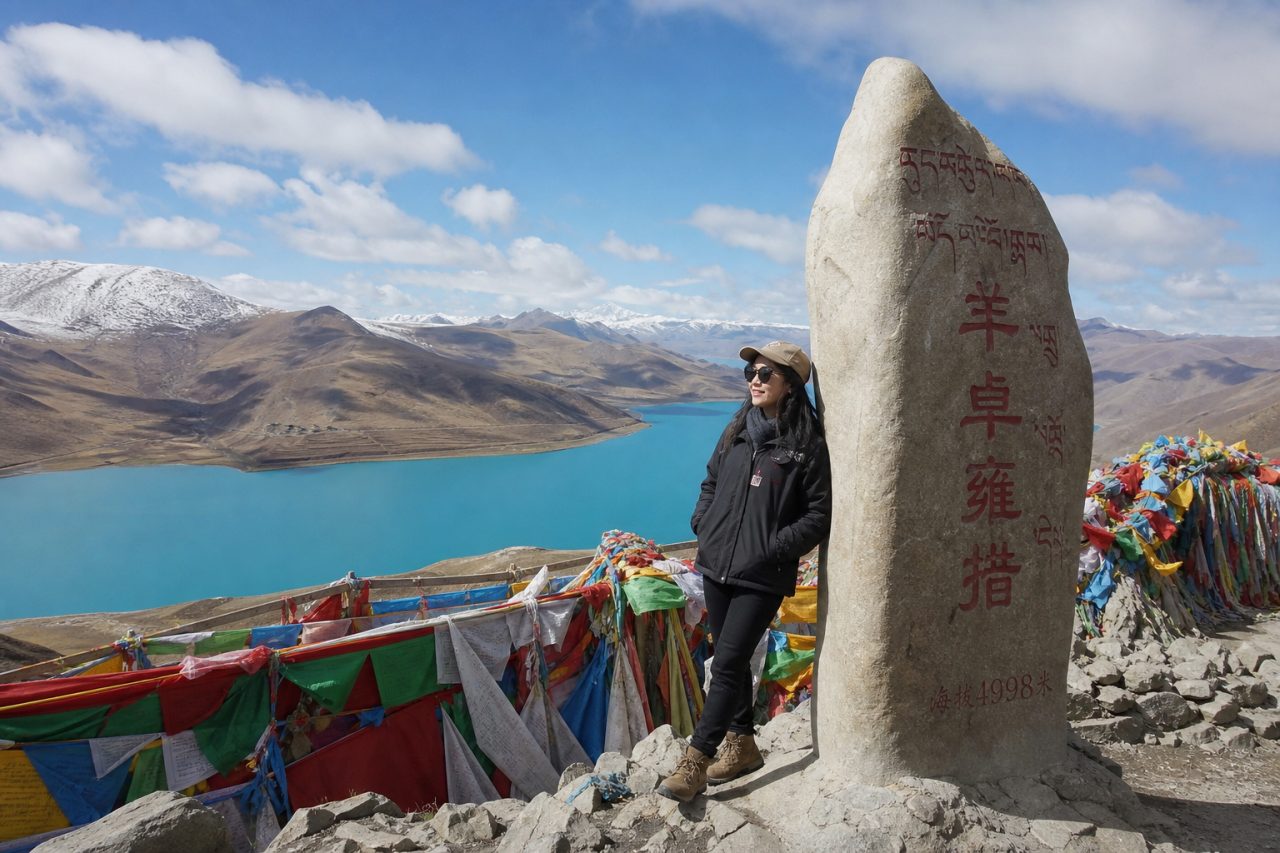
How to compare Tibet tour quotes fairly
The fastest way to avoid overpaying or underbuying is to compare quotes line by line. Ask for the same route, same number of days, same hotel class, same meal plan, same permit handling scope, and the same pickup and drop-off assumptions. Without that, the comparison is not real.
Use these questions before deciding:
- Does the price include hotel, guide, vehicle, and permit handling?
- Are train or flight tickets to Tibet included or separate?
- How many meals are included each day?
- Is the trip group joining or fully private?
- What hotel category is used in Lhasa and in remote areas?
- Is there a single supplement for solo travelers?
- What happens if the itinerary changes because of transport scheduling?
This is also where agency quality matters. The article on how to choose a Tibet travel agency is useful because the cheapest operator is not always the operator giving the clearest or most complete quote.
When paying more is worth it
Paying more usually makes sense in four situations: you want a private vehicle, you are traveling with family, you care about hotel comfort, or you plan a longer overland route. In these cases, a low-cost group product may save money but weaken the trip itself.
A first-time European traveler with limited vacation time may get better value from a 7-day private itinerary than from a bargain group departure with awkward timing. A solo backpack-style traveler who is flexible on dates may decide the opposite. The right choice depends less on the lowest price and more on whether the itinerary fits your travel style.
The beginner mistake to avoid
The biggest mistake is asking, “What is the cheapest Tibet tour?” instead of “What will my full Tibet trip cost, and what am I getting for it?” Tibet has access rules, permit coordination, altitude realities, and long-distance route logistics that make incomplete quotes risky. For rule-sensitive questions, nationality-specific concerns, and permit-related planning, see Are Americans Allowed to Visit Tibet? Rules, Permits, and What to Know and Are Tourists Allowed to Visit Tibet? Current Rules, Permits, and What to Expect.
If you are comparing trips now, the most useful next step is to request a quote with every inclusion broken out clearly: Tibet land cost, hotel standard, transport assumptions, meal plan, and any private upgrade. That gives you a real budget and makes it much easier to judge whether a higher price is actually better value.
Service fit
Dynamic Trust & Reassurance Block
Use this article as a planning reference, not a final commitment
Service fit
For "How Much Does a Trip to Tibet Cost? A Practical Budget Breakdown for First-Time Travel", value depends on route complexity, hotel level, season, group size and how much private support you expect.
Decision support
Use this article to clarify which comfort level, flexibility and service scope fit your budget before requesting a proposal.
Before you commit
Before committing, confirm inclusions, exclusions, hotel standards, vehicle arrangements and guide support in the final quote.
Last reviewed: July 10, 2026
Start Custom PlanningPrivate trip planning
Need a Tibet plan that fits your comfort level?
Tell us your budget, hotel expectations and travel style. We can explain realistic private tour options before you commit.
Start Custom PlanningYou Might Also Like
Jul 22, 2026
Tibet with Kids: Family-Friendly Routes, Age Limits, and Comfort Planning
Planning Tibet w…
Jul 22, 2026
Tibet Travel Insurance Guide: What Policies Should Cover for Remote Trips
Choosing Tibet t…
Jul 21, 2026
Tibet Monastery Etiquette: What Travelers Should Wear, Say, and Never Do
A practical guid…