
How Many Days in Tibet Is Enough? Trip Lengths Compared for First-Time Travelers
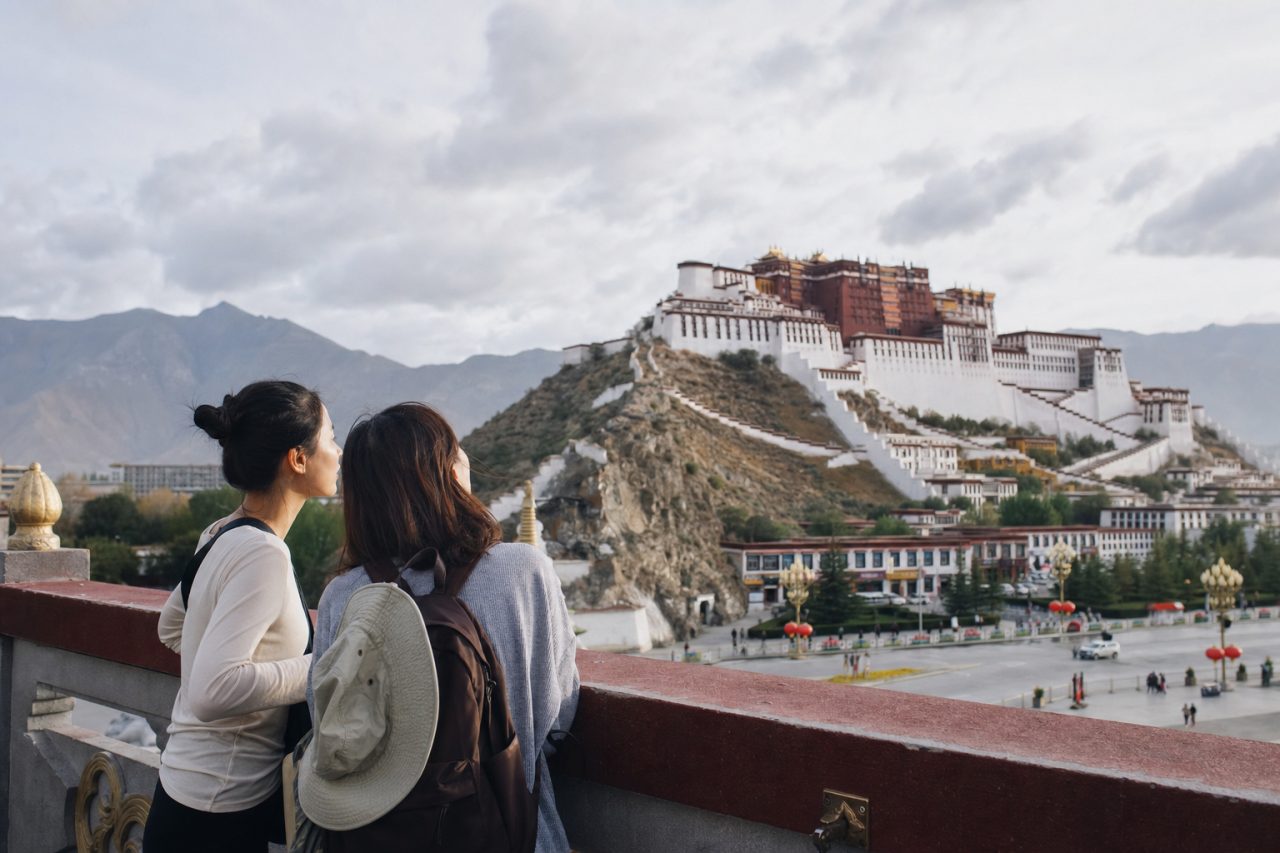
For most first-time travelers, 7 to 10 days in Tibet is enough. That is the clearest answer if your goal is to see Lhasa properly, adjust to the altitude at a sensible pace, and add at least one overland section beyond the city. A 5-day trip is the practical minimum, but it usually feels compressed. A 14-day trip becomes worthwhile when Tibet is the main event, not a side trip, or when you want remote landscapes, photography time, or a slower overland route.
This judgment rests on two kinds of information. First, Tibet travel is not a fully independent, last-minute destination for foreign visitors: current access rules, permit handling, and itinerary structure are shaped by agency-managed travel requirements described in Are Tourists Allowed to Visit Tibet? Current Rules, Permits, and What to Expect, Tibet Permit Terms, and How to Choose a Tibet Travel Agency: Permits, Tour Types, and Key Questions. Second, trip length is an itinerary design question: altitude, transfer time, and route ambition matter more than the raw number of calendar days.
What changes the answer more than the number itself
Many travelers ask, “How many days do I need in Tibet?” but the better question is: What needs to fit inside those days? A short Lhasa-focused visit and a multi-stop overland trip are completely different products, even if both are sold as “Tibet tours.”
According to Are Tourists Allowed to Visit Tibet? Current Rules, Permits, and What to Expect, foreign travelers should plan around permit and managed-travel requirements rather than assuming flexible independent movement. The permit framework explained in Tibet Permit Terms also matters because some routes involve different documents or planning steps. That is why a trip that looks short on paper can still feel logistically tight.
The biggest beginner mistake is treating Tibet like an ordinary city break. Arrival day, altitude adjustment, and road time can consume more of the trip than first-time visitors expect.
5, 7, 10, and 14 days compared
| Trip length | What it usually covers | Main advantage | Main limitation | Best for |
|---|---|---|---|---|
| 5 days | Lhasa only, or Lhasa plus one nearby day trip | Fits tight annual leave | Least margin for acclimatization and delays | Travelers already nearby in China or combining Tibet with another trip |
| 7 days | Lhasa plus a short overland extension | Balanced first trip | Still selective; not enough for a deep regional circuit | Most first-time visitors |
| 10 days | Lhasa plus a more complete overland route | Better pace and broader scenery | Higher cost and more leave required | Travelers who want culture and landscapes together |
| 14 days | Lhasa plus extended regional travel or slower specialist pacing | Best depth and flexibility | Not necessary for everyone | Photographers, repeat long-haul travelers, slow travelers |
When 5 days is enough
Five days is enough only if your expectations are narrow and disciplined. It works for travelers who mainly want to see Lhasa’s major cultural highlights, accept a tighter schedule, and understand that Tibet will be one stop in a larger trip.
The hidden cost of a 5-day itinerary is not only speed. It is fragility. If your arrival is tiring, if altitude affects you more than expected, or if you hoped to add a far-reaching overland section, the trip starts feeling overpacked. That is one reason very short itineraries should be checked carefully with an operator that handles permits and route planning well; see How to Choose a Tibet Travel Agency: Permits, Tour Types, and Key Questions.
Choose 5 days if you are time-poor, already understand the tradeoff, and care more about getting a first look than seeing Tibet in depth.
Why 7 days is the sweet spot for most first-time travelers
Seven days is enough for most people because it does three things at once. It gives you time to experience Lhasa without turning each visit into a rush, it leaves room for the altitude adjustment that many first-time plateau travelers need, and it allows one meaningful extension beyond the city.
This is usually the point where the trip starts to feel worthwhile relative to the cost and planning effort. Tibet requires more coordination than a casual city break, so many travelers regret going too short more often than going one or two days longer.
A first-time European or North American traveler flying a long distance often fits this category. They want the iconic cultural sights, some road scenery, and a trip that feels complete without using two full weeks of leave.
Why 10 days often gives the best value
If 7 days is the safest general answer, 10 days is often the best value answer. Those extra days do not merely add more sightseeing. They reduce pressure.
With 10 days, you can keep Lhasa at a sane pace and still include a broader overland route. The result is usually better than trying to cram the same ambitions into one week. This matters even more in Tibet because long transfers are part of the experience, not wasted space; the landscapes, stops, and gradual transition are part of why people come.
Ten days is the strongest choice for travelers who would feel disappointed by a city-only Tibet trip. It is also a better fit for mixed-interest couples or families where one person wants monasteries and another wants lakes, mountain roads, and wider plateau scenery.
When 14 days is worth it
Two weeks in Tibet makes sense when you want depth, slower pacing, or a specialist travel style. That includes landscape photographers, travelers who dislike one-night rushes, and people building Tibet as the centerpiece of a long-haul trip.

For example, travelers interested in a slower visual route can compare a specialist product such as the Himalayan Photography & Nature Tibet Tour. The point is not that everyone needs a photography itinerary. The point is that some travel goals require more waiting, more stops, and more flexibility than a standard first-timer circuit.
Fourteen days also gives you more resilience. If your trip includes complex transport or weather-sensitive segments, a longer schedule leaves more room than a compressed plan. Booking risk and disruption policies also matter here; review Terms & Conditions (Force Majeure Policies) before choosing an itinerary with no buffer at all.
Altitude and pacing: the part most travelers underestimate
Trip length in Tibet is really a pacing decision. Even when travelers are excited to cover more ground, the trip tends to work better when the first days are not overloaded.
This is not medical advice. It is planning logic. A schedule that looks efficient at sea level can feel inefficient at altitude because sightseeing energy, sleep quality, and transfer comfort may all change. That is why “enough days” should include room to arrive, settle, and actually enjoy the place.
The practical rule is simple: if you want a smooth first trip, buy time before you buy distance. In other words, add a day before adding another ambitious stop.
Who should choose which trip length
- Choose 5 days if Tibet is a short add-on and you are satisfied with a Lhasa-centered experience.
- Choose 7 days if this is your first Tibet trip and you want the safest balance of highlights, comfort, and efficiency.
- Choose 10 days if you want Tibet to feel complete rather than introductory.
- Choose 14 days if you travel slowly, care about photography, or want more than the standard first-timer route.
Nationality can also affect how early you should plan. Travelers from the United States can review the route and rule considerations in Are Americans Allowed to Visit Tibet? Rules, Permits, and What to Know.
The most useful next step
If you are still deciding, do not ask only for “the price of a Tibet tour.” Ask what is realistic in your available number of days, which permits or route constraints apply, and what gets sacrificed if you shorten the plan. That conversation is usually more important than comparing headline itinerary names.
A good next step is to review how to choose a Tibet travel agency, then narrow your decision this way: 7 days if you want the default first-trip answer, 10 days if you want the stronger all-round experience, and 5 days only if you knowingly accept the compression.
Bottom line: 7 days is enough for most first-time travelers, 10 days is often the better trip, 5 days is the minimum, and 14 days is ideal when Tibet is the main purpose of the journey.
Route suitability
Dynamic Trust & Reassurance Block
Use this article as a planning reference, not a final commitment
Route suitability
For "How Many Days in Tibet Is Enough? Trip Lengths Compared for First-Time Travelers", the right route depends on available days, altitude comfort, transport preference and the experience you want to prioritize.
Decision support
Use this article to compare route trade-offs, pacing and must-confirm logistics before choosing a final itinerary.
Before you commit
Before committing, confirm permit feasibility, road access, hotel availability, physical difficulty and your preferred travel pace.
Last reviewed: July 10, 2026
Design Your RouteRoute design support
Need help turning this route idea into a real plan?
We can help adjust the itinerary around your dates, pace, altitude comfort, permit needs and must-see places.
Design Your RouteYou Might Also Like
Jul 21, 2026
2026 Lhasa Luxury Travel Itineraries: How to Choose the Right Private Tibet Trip
Compare 2026 Lha…
Jul 21, 2026
What to Wear in Tibet by Month: Packing for Lhasa, Everest Base Camp, and Kailash
Month-by-month T…
Jul 21, 2026
Tibet Private Custom Tours vs. Group Tours: Cost, Safety, and Which One Fits You
Compare Tibet pr…