
What Are the Top Attractions in Tibet? A Practical Guide to Choosing What to See
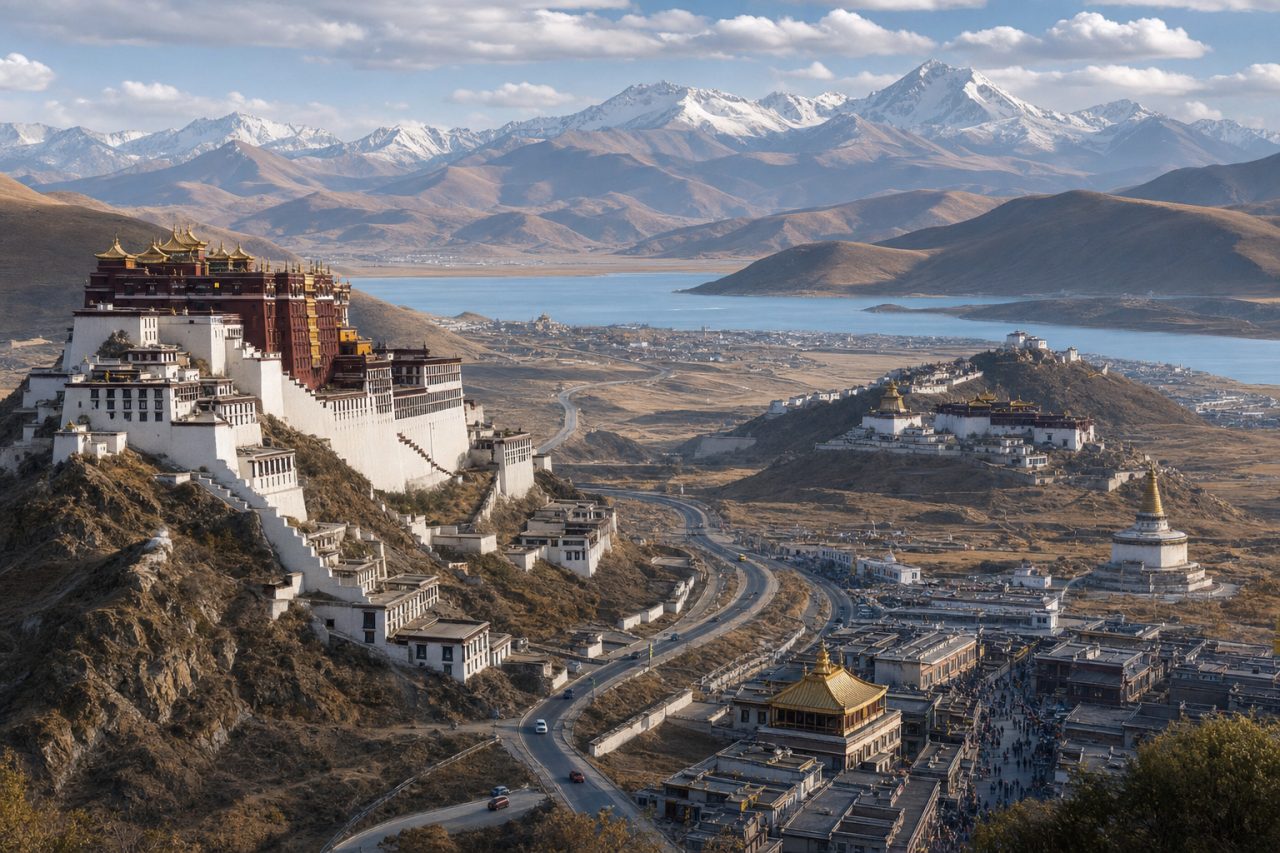
If you are planning a first trip to Tibet, the real question is not simply what attractions exist. It is which attractions are worth your limited days, altitude energy, and road time. The short answer is that most first-time visitors should prioritize Lhasa’s core cultural sites, add one major scenic stop such as Yamdrok Lake, and only extend to Everest-region landscapes if they have enough time for acclimatization and long overland travel.
That judgment comes from how Tibet trips actually work on the ground. Tibet’s highlights fall into three groups: Lhasa landmarks, scenic plateau stops, and remote overland destinations. For most international travelers in early-to-mid planning, the decision is whether to build a compact Lhasa-centered trip or a broader route that includes Shigatse, high lakes, and Everest views. If you want a broader destination overview before narrowing your route, start with Best Places to Visit in Tibet: How to Choose the Right Destination for Your Trip.
Which attractions matter most for a first trip
The strongest first-trip attractions in Tibet are Potala Palace, Jokhang Temple, Barkhor Street, Sera or Drepung Monastery, Yamdrok Lake, Gyantse, Shigatse, and the Everest Base Camp route for travelers with enough days. These places work because they build from culture to scenery in a way that matches acclimatization, not just postcard appeal.
Potala Palace is the single landmark most travelers should not skip. It gives historical context to everything else in Lhasa, and it is usually better treated as a priority anchor than as one more stop on a crowded sightseeing list. Jokhang Temple and Barkhor Street matter for a different reason: they show living pilgrimage culture rather than monument-only tourism.
Sera and Drepung Monastery are often where travelers make a better choice than search results suggest. If your interest is Tibetan Buddhism, monastic learning, and daily religious life, one major monastery can be more rewarding than adding another long drive. If your interest is pure landscape, it may be wiser to spend that day moving toward Yamdrok Lake or the Gyantse-Shigatse route instead.
How to choose between Lhasa, lakes, and Everest scenery
The practical divide is simple. Choose Lhasa-first attractions if you have 5 to 6 days, want a steadier altitude adjustment, or care more about culture than road-trip scenery. Choose a mixed Lhasa-plus-overland route if you have 7 to 9 days and want both landmark sites and open plateau landscapes. Choose the Everest direction only if you accept long driving days as part of the experience, not as dead time.
Yamdrok Lake is one of the most efficient scenic additions because it delivers a strong visual payoff without requiring the full commitment of an Everest route. It is a good answer for travelers who want a big-sky Tibet landscape but are unsure whether remote frontier-style travel suits them.
Everest Base Camp on the Tibet side is different. The attraction is not only the final viewpoint but the whole overland build-up through high passes, monasteries, and vast plateau terrain. That makes it a strong choice for travelers who enjoy journey-based scenery, but a weak choice for anyone who dislikes repeated hotel changes or several days of road travel. For route pacing, attraction fit, and tour structure, the most relevant internal planning resource is the Tibet Travel Package Guide: How to Compare Itineraries, Permits, Costs, and Tour Quality.
What fits into 5, 7, 9, or more days
| Trip length | What usually fits well | What to avoid |
|---|---|---|
| 5-6 days | Lhasa core sites, one monastery focus, possible nearby scenic add-on | Trying to force Everest into a short itinerary |
| 7-8 days | Lhasa plus Yamdrok Lake, Gyantse, Shigatse | Adding too many same-day long drives |
| 9-10 days | Classic Lhasa to Everest overland route | Treating every viewpoint as equal priority |
| 10+ days | Broader route with more flexible pacing and buffer days | Assuming all extra days should become more distance |
A 5-day trip should usually be a decision to see Tibet properly at a compact scale, not a compromise that tries to imitate a long expedition. A 7- or 8-day trip is where Tibet becomes more balanced, because you can combine Lhasa’s cultural core with a scenic overland section. Around 9 days is where the classic first-timer route becomes realistic; see 9-Day Tibet Tour: What You Can See, How to Pace It, and Who This Itinerary Fits for a route example.
Which attractions are harder to access than they look
The main planning mistake is to treat Tibet attractions as if they were ordinary day trips on an open transport map. They are not. Entry to Tibet for foreign travelers is tied to permit planning and organized travel rules, so attraction choice is connected to paperwork and route confirmation, not just hotel booking. For permit workflow, see How to Apply for a Tibet Travel Permit: Steps, Timeline, and Common Mistakes.
That matters most when travelers build an itinerary around remote places first and ask about documents later. A good planning sequence is the reverse: decide your route length, confirm which attraction cluster fits it, then lock in the permit process. If you are traveling on a UK passport and need the nationality-specific document overview, Tibet Visa for UK Citizens: What You Actually Need Before You Travel is the most relevant internal reference.
The biggest risk: choosing attractions that outpace acclimatization
Altitude is not a side issue in Tibet. Lhasa sits at about 3,650 meters, and many scenic routes go higher, which changes how aggressively you should plan your sightseeing. For the elevation of Lhasa, UNESCO names the Potala Palace site at 3,700 meters and describes its high-altitude setting: UNESCO World Heritage Centre, “Historic Ensemble of the Potala Palace, Lhasa,” https://whc.unesco.org/en/list/707/.
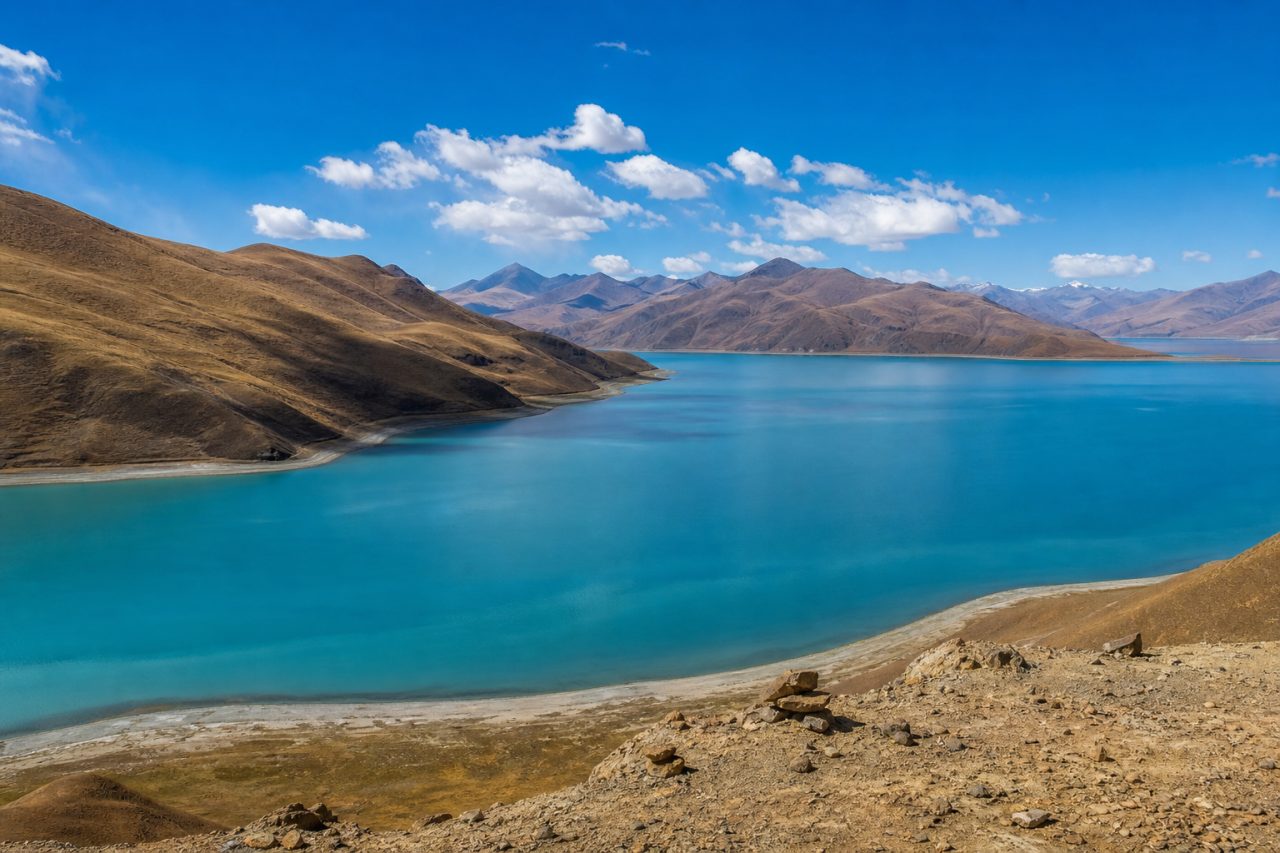
The best way to reduce altitude-related trip failure is to let the attraction list follow your body’s adjustment curve. In practice, that means starting with Lhasa landmarks, keeping the first days manageable, and only then moving into higher and longer road sections. A first-time American traveler also often wants to judge remote-route comfort alongside safety and logistics; Is It Safe for Americans to Go to Tibet? What to Check Before You Travel is useful at that stage.
The most common mistake to avoid
The most common mistake is overvaluing famous names and undervaluing pacing. Travelers often assume that if Everest Base Camp is the most famous add-on, it must be the right choice. In reality, Yamdrok Lake plus Gyantse and Shigatse can produce a more satisfying first Tibet trip for someone who wants variety without turning the journey into a road-heavy expedition.
A second mistake is trying to “complete Tibet” in one visit. Tibet works better when you choose one strong route identity: cultural Lhasa, classic overland highlights, or Everest-focused travel. Once you choose that identity, the right attractions become clearer and the wrong ones become easier to skip.
How to know you chose the right attractions
You chose well if your route has three things: one clear cultural anchor, one meaningful scenic section, and enough time to enjoy both without rushing. For many first trips, that means Potala Palace and Jokhang Temple as the cultural core, then either Yamdrok Lake or the Gyantse-Shigatse-Everest direction as the scenic commitment.
If you are still deciding, use this order. First, choose your trip length. Second, decide whether culture or overland scenery matters more. Third, remove any attraction that forces uncomfortable pacing just because it looks famous on a map. That is usually the point where attraction research should turn into route planning through the Tibet travel package guide and destination selection through the best places to visit in Tibet guide.
Practical takeaway: For most first-time travelers, the safest high-value plan is Lhasa’s main landmarks first, one monastery chosen with intent, one scenic overland highlight such as Yamdrok Lake, and an Everest extension only when you have enough days to make the road time worthwhile.
Route suitability
Dynamic Trust & Reassurance Block
Use this article as a planning reference, not a final commitment
Route suitability
For "What Are the Top Attractions in Tibet? A Practical Guide to Choosing What to See", the right route depends on available days, altitude comfort, transport preference and the experience you want to prioritize.
Decision support
Use this article to compare route trade-offs, pacing and must-confirm logistics before choosing a final itinerary.
Before you commit
Before committing, confirm permit feasibility, road access, hotel availability, physical difficulty and your preferred travel pace.
Last reviewed: July 12, 2026
Design Your RouteRoute design support
Need help turning this route idea into a real plan?
We can help adjust the itinerary around your dates, pace, altitude comfort, permit needs and must-see places.
Design Your RouteYou Might Also Like
Jul 22, 2026
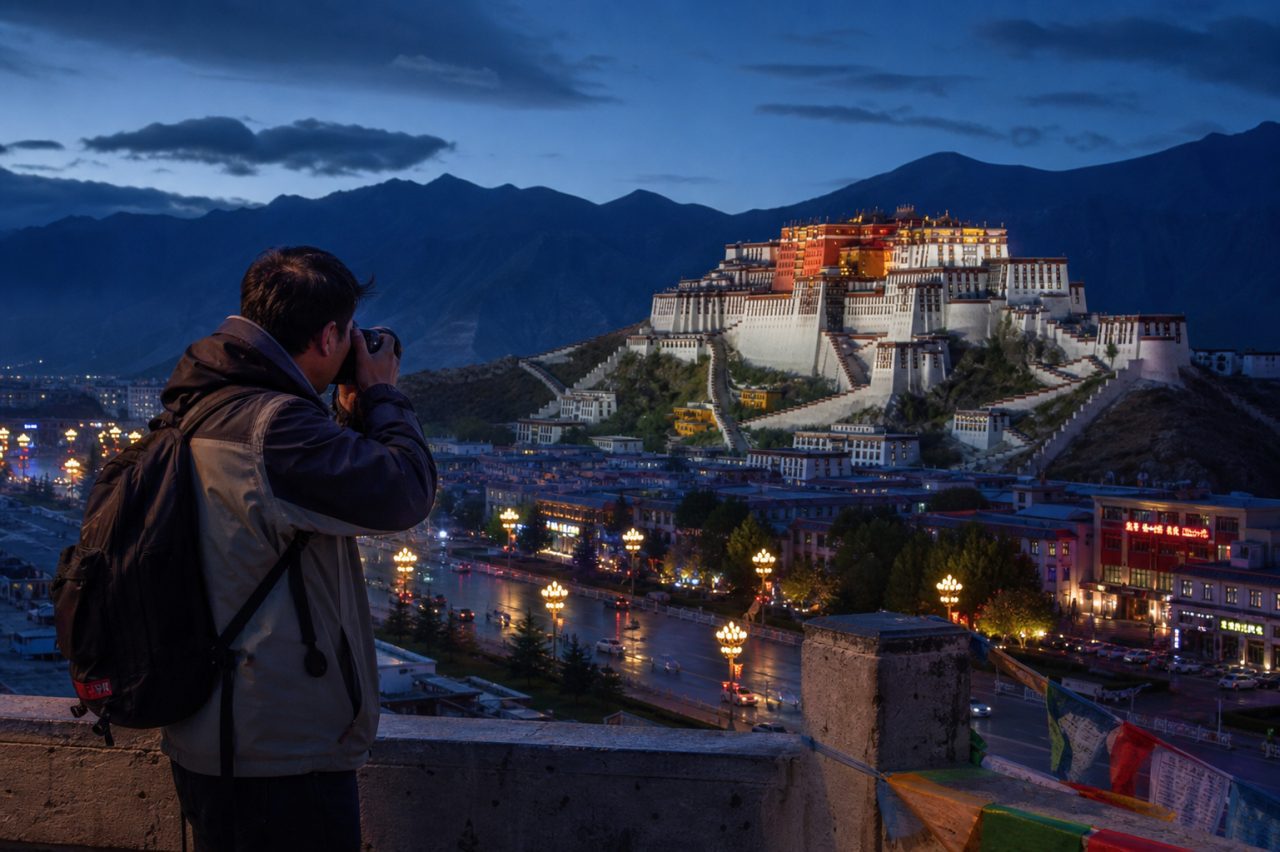
Tibet Photography Guide: Best Places, Camera Rules, and Drone Restrictions
Plan where to sh…
Jul 22, 2026
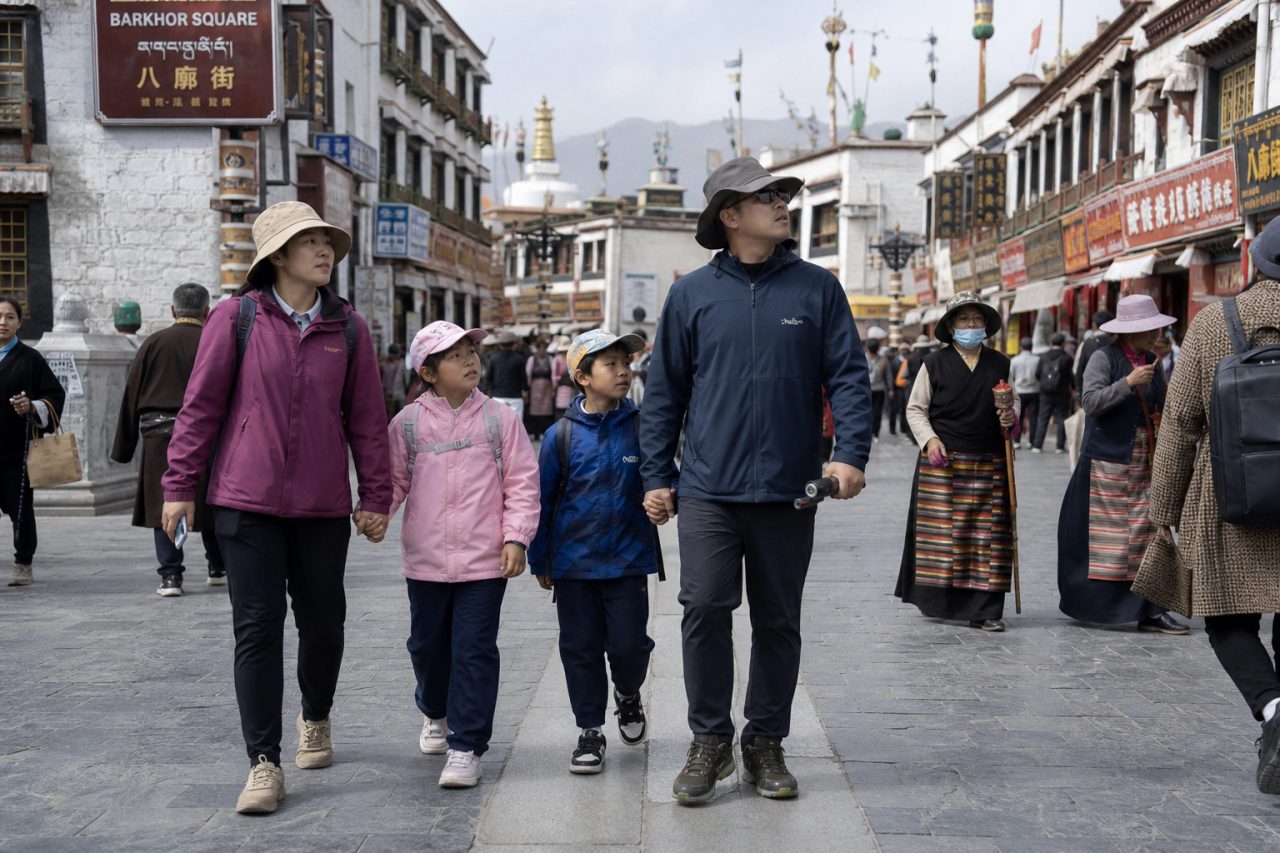
Tibet with Kids: Family-Friendly Routes, Age Limits, and Comfort Planning
Planning Tibet w…
Jul 22, 2026
Tibet Travel Insurance Guide: What Policies Should Cover for Remote Trips
Choosing Tibet t…