
Is It Safe for Americans to Go to Tibet? What to Check Before You Travel
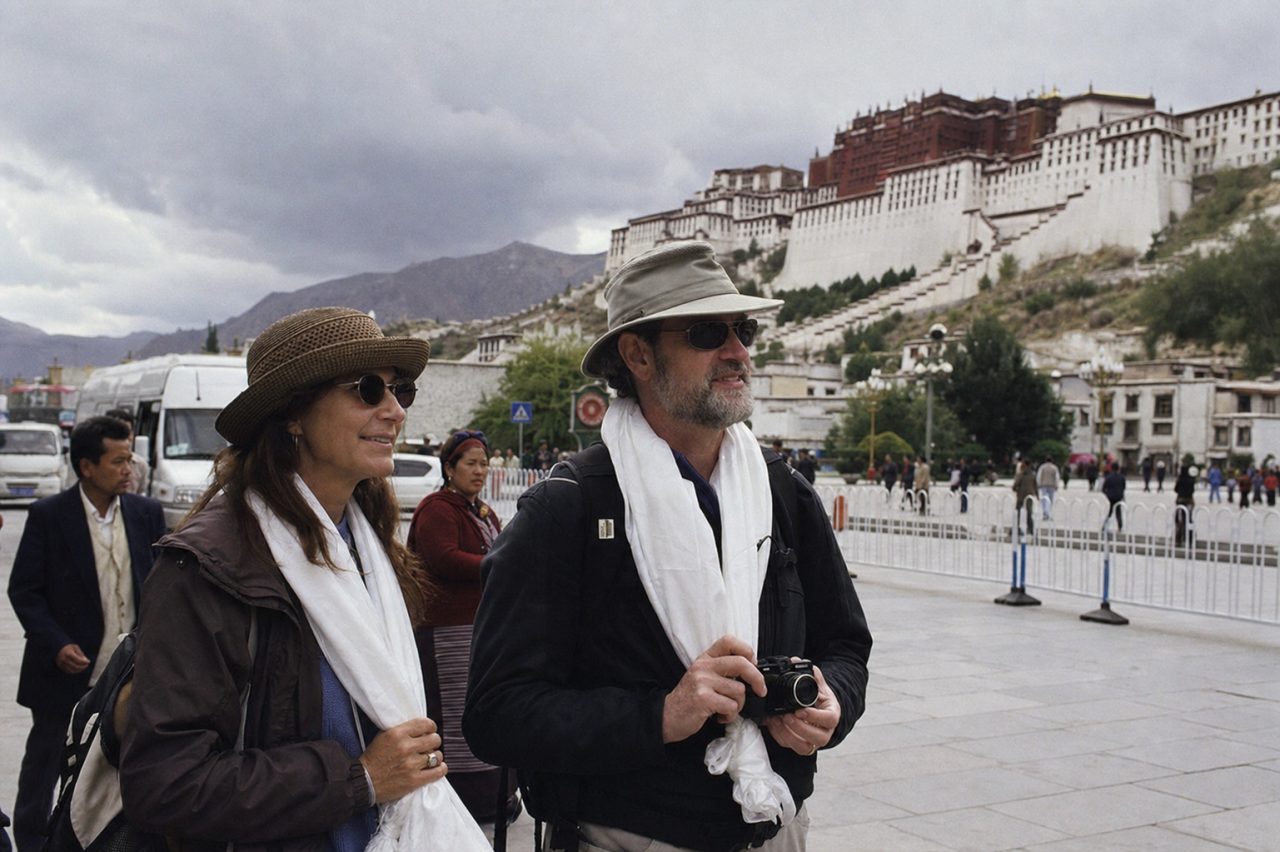
Yes, Tibet can be a reasonable trip for many Americans, but only if you judge “safe” in the right way. For most U.S. travelers, the main risks are not ordinary street crime. The bigger decision factors are altitude, strict travel rules, changing logistics, and whether you are comfortable traveling on a structured itinerary rather than independently. The U.S. Department of State’s China Travel Advisory is the right starting point for overall travel-risk framing, and the Centers for Disease Control and Prevention guidance on travel to high altitudes is the key source for the health side of the decision.
The practical judgment is this: if you are medically prepared for high elevation, willing to follow permit rules, and flexible about itinerary changes, Tibet can be a viable trip. If you have significant cardiopulmonary concerns, very little schedule flexibility, or a strong preference for independent travel, this is often a trip to postpone or replace with a lower-altitude China itinerary.
What “safe” means in Tibet for Americans
Americans often use “safe” to mean personal security. In Tibet, that question is too narrow. A more useful definition has four parts: physical safety, health safety, compliance safety, and logistics safety.
Physical safety is the least unusual part of the equation. For many visitors, Tibet does not feel risky because of violent crime. What changes the decision is that the trip operates under tighter controls than many travelers expect, and those controls affect where you can go, how you move, and what happens if plans change. That is why the U.S. Department of State advisory matters more here as a planning framework than as a crime-only warning: U.S. Department of State, China Travel Advisory.
The four risks that actually matter
1. Altitude is the biggest health risk
Lhasa sits at about 3,650 meters or roughly 11,975 feet, and many overland routes go higher. The CDC notes that altitude illness can affect travelers above 2,500 meters and advises gradual ascent when possible, attention to symptoms, and pre-travel medical advice for higher-risk travelers: Centers for Disease Control and Prevention, Travel to High Altitudes.
This changes the advice by traveler type. A healthy traveler who has handled mountain destinations before may only need a slower first two days and a conservative itinerary. A first-time high-altitude traveler on a rushed schedule is more exposed, especially if they fly in, sleep poorly, and try to add long day trips immediately.
The common beginner mistake is treating Tibet like an ordinary city break. A shorter trip can look cheaper and easier, but it can be physically harder if it compresses acclimatization. That is why trip length is not just a comfort issue; it is a safety decision. For pacing examples, see How Many Days in Tibet Is Enough?.
2. Rule compliance matters more than independence
For foreign travelers, Tibet is not a destination where you should assume you can improvise once you arrive. Permit handling and organized arrangements are central to whether the trip works smoothly. The internal process explanation in How to Apply for a Tibet Travel Permit is useful for understanding the mechanics, but treat operator guidance as business-process information, not government law text.
The decision point is simple: if you dislike fixed arrangements, document handling, and route controls, Tibet will feel more restrictive than rewarding. If you are comfortable letting an operator coordinate the permit workflow and ground transport, much of the avoidable risk drops.
3. Logistics risk is real even when personal safety feels fine
In Tibet, a trip can be “safe” in the everyday sense and still be fragile operationally. Weather, transport timing, permit sequencing, and local access controls can affect what is realistic on the ground. Travelers who need every connection to run perfectly should be cautious, especially when adding tight domestic flight windows before or after Tibet segments.
This is where package structure affects safety in a practical way. A stronger itinerary usually includes margin for acclimatization, realistic drive times, and support if plans shift. That is one reason a careful comparison matters more than just finding the lowest quote; see the Tibet Travel Package Guide.
4. Medical readiness matters more than age alone
Older travelers are not automatically poor candidates for Tibet, and younger travelers are not automatically fine. The better filter is whether you have conditions that make altitude stress more serious, whether your medications are planned properly, and whether a clinician has cleared the trip when appropriate. The CDC’s general travel preparation resources and Yellow Book are the right starting points for medicines, insurance, and pre-travel health planning: CDC Travel Health; CDC Yellow Book 2024.
When Tibet is a reasonable trip, and when it is smarter to postpone
Proceed with planning if you are in stable health, can accept organized travel rules, and can leave room for a slower first few days. This is especially true for travelers who value culture and landscape more than spontaneous movement.
Postpone and reassess if you are unsure about altitude tolerance, have a history of serious heart or lung issues, or only have a very short travel window. Tibet becomes less forgiving when there is no buffer for rest, weather, or route adjustments.
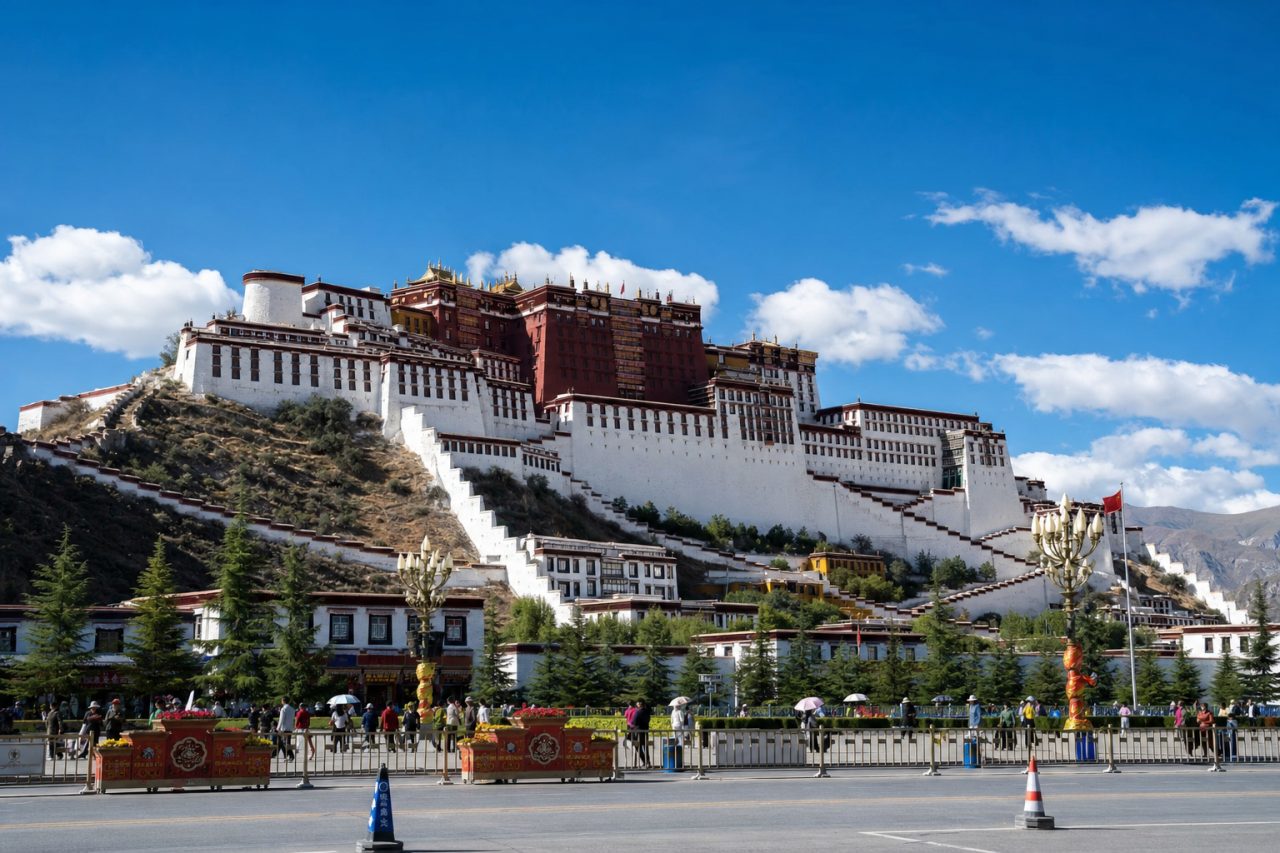
Choose another itinerary if your ideal trip depends on independent transit, last-minute planning, nightlife-focused city time, or aggressive multi-stop scheduling. In that scenario, Tibet is often the wrong fit even if it is technically possible.
How Americans can reduce the main risks before booking
- Start with official health and travel guidance. Read the U.S. Department of State China page and CDC altitude advice before paying deposits: U.S. Department of State; CDC.
- Choose trip length for acclimatization, not just vacation days. First-time visitors usually benefit from a less compressed plan than they expect.
- Do not book non-refundable onward plans too tightly. Schedule rigidity creates avoidable stress in a destination where access and timing can shift.
- Use an operator that explains permits and inclusions clearly. A vague itinerary is not just a sales problem; it is a risk signal. Comparing agencies carefully helps: What Is the Best Travel Agency in Tibet?
- Take altitude symptoms seriously from day one. Headache, nausea, dizziness, and unusual fatigue are not something to push through casually at this elevation.
Common misconceptions
“If Tibet is safe, I can travel there freely.” Not necessarily. Personal security and travel freedom are different questions. A destination can feel calm on the ground while still requiring structured, rule-based travel.
“A 4- or 5-day Tibet trip is safer because it is shorter.” Often the reverse is true for first-time high-altitude travelers. A compressed schedule can increase fatigue and worsen acclimatization pressure.
“Fitness alone protects me from altitude problems.” It does not. CDC guidance makes clear that altitude illness can affect healthy travelers too: CDC, Travel to High Altitudes.
The bottom line
For Americans, Tibet is usually a manageable trip when the traveler is a good fit for three conditions: high-altitude preparation, compliance with organized-travel rules, and flexibility if plans need adjustment. The one mistake to avoid is planning it like a normal independent city trip.
If you are still deciding, the next useful step is to review the permit workflow in How to Apply for a Tibet Travel Permit and then compare itinerary pace using How Many Days in Tibet Is Enough?. That will tell you quickly whether Tibet fits your health, timing, and travel style.
Disclaimer: Travel rules, access conditions, and health guidance can change. Before booking, confirm current requirements with the U.S. Department of State, review current CDC travel health guidance, and discuss high-altitude travel with a qualified clinician if you have any relevant medical concerns.
Permit accuracy
Dynamic Trust & Reassurance Block
Use this article as a planning reference, not a final commitment
Permit accuracy
For "Is It Safe for Americans to Go to Tibet? What to Check Before You Travel", permit and entry requirements may change by nationality, route, entry city and travel date.
Decision support
Use this article to identify which documents, timing risks and route constraints need confirmation before flights, hotels or overland plans are locked.
Before you commit
Before committing, check the final requirement against your passport, Chinese visa status, route plan and intended document submission date.
Last reviewed: July 11, 2026
Check Permit GuidePermit timeline support
Need help planning your Tibet permit timeline?
We can help match your travel dates with route options, permit requirements and local arrangements.
Check Your Tibet Travel OptionsYou Might Also Like
Jul 22, 2026
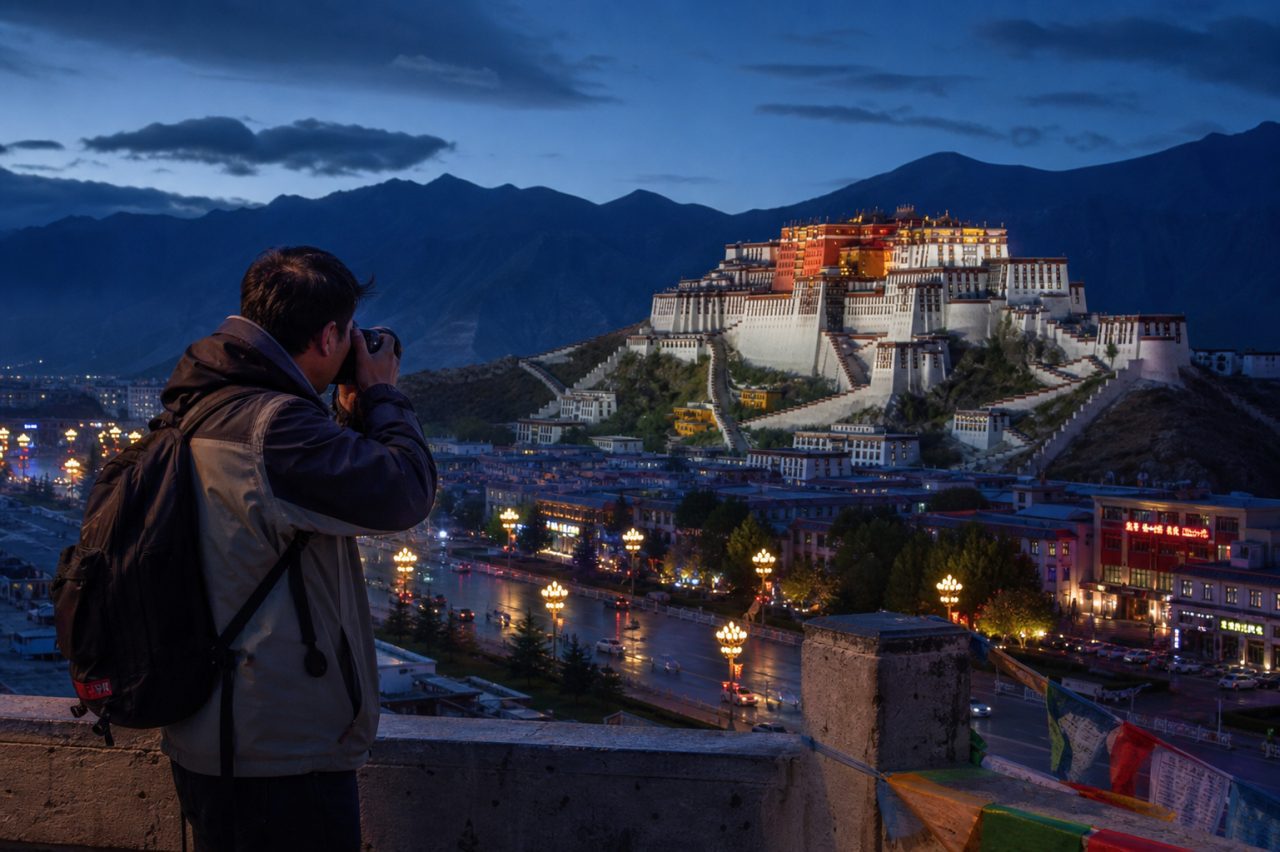
Tibet Photography Guide: Best Places, Camera Rules, and Drone Restrictions
Plan where to sh…
Jul 22, 2026
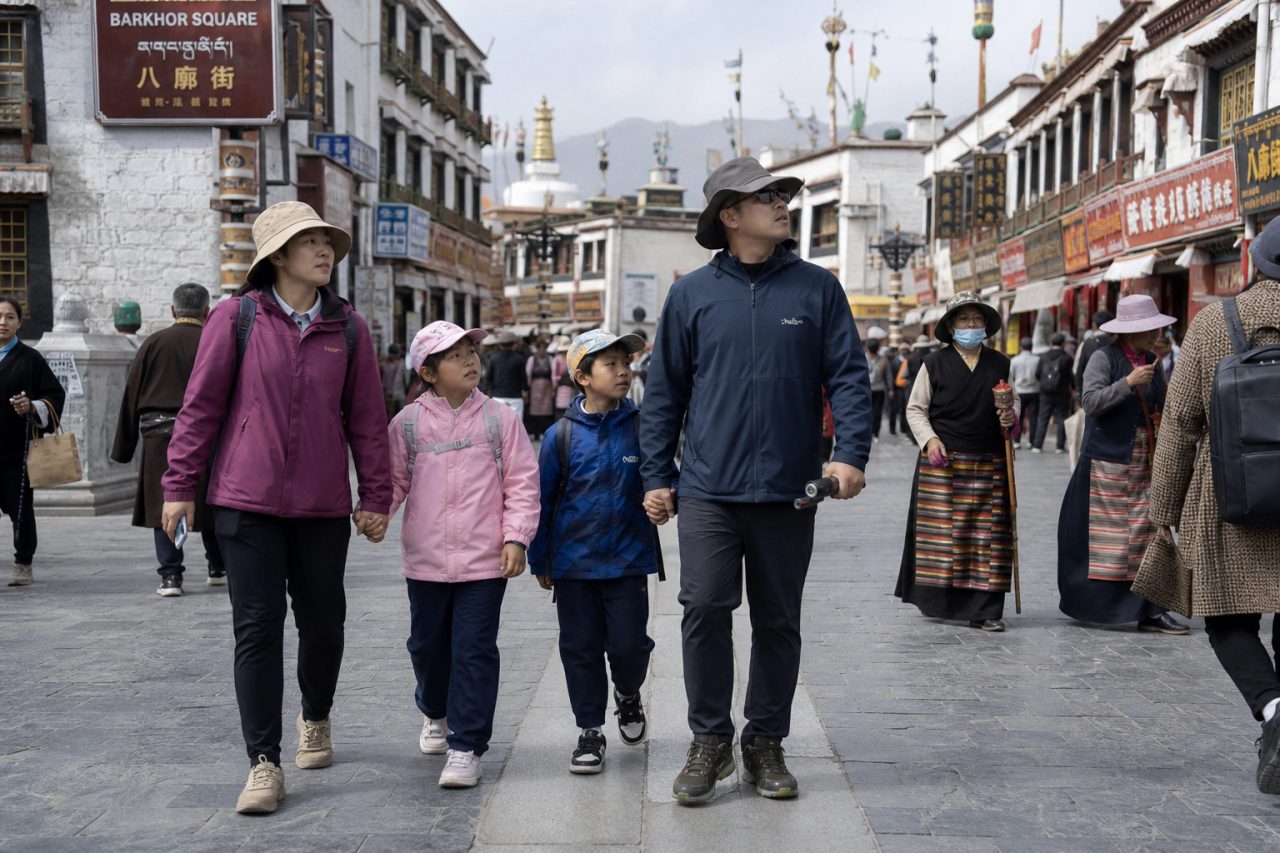
Tibet with Kids: Family-Friendly Routes, Age Limits, and Comfort Planning
Planning Tibet w…
Jul 22, 2026
Tibet Travel Insurance Guide: What Policies Should Cover for Remote Trips
Choosing Tibet t…