
How to Apply for a Tibet Travel Permit: Steps, Timeline, and Common Mistakes

If you want to visit Tibet, the practical answer is simple: you cannot apply for the Tibet Travel Permit on your own. In normal cases, you first choose a registered Tibet travel agency, confirm your route, send your passport copy and China visa details if required, and let the agency submit the permit application for you. The biggest beginner mistake is treating the permit as a separate last-minute document. In reality, it depends on your itinerary, entry route, nationality, and timing.
For most first-time international travelers, the process works in this order: choose an operator, lock the itinerary, submit documents, wait for approval, and only then align final transport details around permit delivery. Route matters. Travelers entering Tibet from mainland China usually follow a different sequence from travelers entering from Nepal, because Nepal-route travelers may need a China Group Visa handled through Kathmandu rather than a standard China visa issued elsewhere.
This guide focuses on what the permit is, what you need before the application can start, how long the process usually takes, what changes by scenario, and which mistakes most often cause delays.
What the Tibet Travel Permit is and who needs it
The Tibet Travel Permit is the document used to enter the Tibet Autonomous Region for foreign travelers. A China visa alone is not enough for Tibet travel. Independent foreign travel in Tibet is generally not permitted; trips are arranged through licensed agencies with guide and itinerary handling. For nationality-specific background, see Are Americans Allowed to Visit Tibet?.
The rule that matters in practice is this: your permit is tied to your booked trip. That is why agencies ask for your route, hotel plan, transport plan, and travel dates before submission. If you change cities, travel dates, or passport details late, the permit may need to be revised or resubmitted.
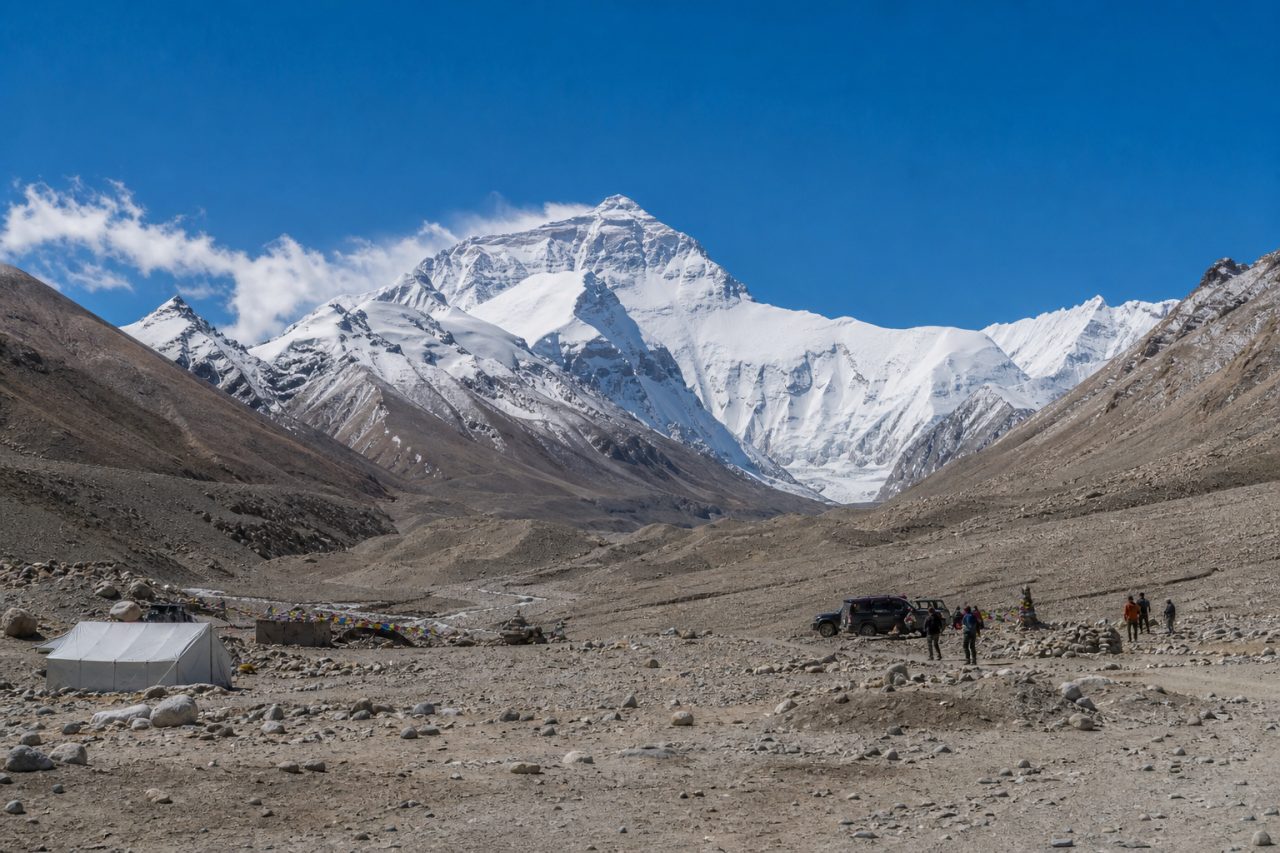
Many travelers also confuse the Tibet Travel Permit with other approvals. The Tibet Travel Permit gets you into Tibet, but some areas outside Lhasa may require additional local permits arranged through the same agency. If your route includes places such as Mount Kailash, Everest Base Camp, or border-sensitive regions, ask about extra approvals before you book flights.
What you need before the application can start
Before a permit application can move, you usually need four things ready.
- A confirmed Tibet itinerary. Permit approval is linked to where you will go, not just the fact that you want to visit Tibet.
- A valid passport copy. Your passport details must match all other travel documents exactly.
- Your China visa status. For many travelers entering from mainland China, agencies need your China visa information before they submit the Tibet permit. Travelers entering from Nepal may follow a different visa process.
- A registered Tibet travel agency. Since the permit is handled through an operator, agency choice affects both speed and accuracy. This is where What Is the Best Travel Agency in Tibet? becomes useful.
A simple planning checklist helps avoid rework:
- Passport valid for the full trip
- Name, passport number, and nationality consistent across documents
- Entry route decided: mainland China or Nepal
- Tibet route fixed at least in broad form
- Agency selected before buying hard-to-change transport
How the application process works step by step
- Choose your route and trip length. This affects both feasibility and paperwork. A short Lhasa trip is usually easier than a multi-region overland route. If you are still deciding, How Many Days in Tibet Is Enough? helps you narrow the itinerary before permit work begins.
- Select the agency and confirm the itinerary. The agency needs a stable plan to submit the correct permit request.
- Send document copies. This usually includes your passport photo page and, where applicable, your China visa page.
- Wait for permit processing. The agency submits the application to the relevant Tibet travel authorities and coordinates any extra route permits.
- Receive permit handling instructions for boarding. Depending on your transport mode and route, you may need the original permit or an agency-arranged delivery before boarding a train or flight to Tibet.
- Travel with the approved itinerary. Once issued, the permit is not a flexible all-access pass. Unplanned route changes can create problems on the ground.
The practical takeaway is that permit work sits in the middle of trip planning, not at the end. That is why smart travelers treat transport booking as part of the permit timeline, not as a separate task.
How long it usually takes and when to apply
Processing time can vary by season, route, nationality, and local handling, so it is safer to think in lead time rather than in a single fixed number. In normal practice, travelers should start the Tibet booking and permit discussion weeks before departure, not days before. Peak travel periods and complex itineraries need more buffer.
Season changes the risk level. During popular travel months, transport fills faster and permit coordination becomes tighter, especially if you want specific train tickets or a longer overland route. For timing context, see Best Month to Visit Tibet.
A useful rule for first-time travelers is this: if your route includes multiple destinations in Tibet, fixed international flights, or Nepal entry, start earlier than you think you need to. The cost of waiting is usually not the permit fee. It is losing workable flight options, train space, or itinerary flexibility.
Common reasons applications get delayed or rejected
- Late document submission. This compresses review time and makes transport planning harder.
- Passport or visa mismatch. Even small detail errors can force resubmission.
- Changing the itinerary after submission. Permit approval is route-based, so changes can trigger extra processing.
- Booking transport too early. Travelers sometimes buy nonrefundable flights before the permit sequence is realistic.
- Confusing mainland-China entry with Nepal entry. These routes do not always use the same visa workflow.
- Assuming one permit covers every area. Some regions beyond Lhasa need additional approvals.
A first-time American traveler flying from the United States to Chengdu, then on to Lhasa, often runs into trouble by booking all flights first and asking about the permit second. A first-time traveler entering from Kathmandu often makes the opposite mistake: assuming an existing China visa will automatically work for Tibet entry from Nepal. In both cases, the fix is the same. Confirm the route and document sequence with the agency before locking difficult bookings.
What changes by route, nationality, and itinerary
Mainland China entry: This is the simpler path for many travelers. You normally secure your China visa first if needed, then the agency uses your itinerary and visa details to process the Tibet permit.
Nepal entry: This route can involve a separate China Group Visa process handled in Kathmandu, so the timeline and document flow may differ from mainland entry. This is one of the clearest cases where copying a friend’s Tibet plan can go wrong.
Simple Lhasa itinerary: Easier to process and easier to keep stable.
Extended Tibet route: More moving parts. Extra permits, longer transport coordination, and more delay risk if dates shift. If you are comparing trip formats, Tibet Travel Package Guide is a practical next step.
When to choose an agency and move to the next booking step
Choose the agency earlier than many comparison articles suggest. Not because the permit itself is mysterious, but because agency quality directly affects itinerary accuracy, timing discipline, and how well route-specific issues are caught before money is committed.
Good agencies ask the right questions early: where you enter Tibet, whether you already hold a China visa, which areas you want to visit beyond Lhasa, and how flexible your dates are. Weak agencies tend to discuss price first and paperwork second. That is the wrong order for Tibet.
Once your route is judged workable, the next step is to compare realistic itineraries, permit handling, and transport sequencing together rather than as separate purchases. Travelers starting from the US may also find Tibet Tours from the USA useful for planning flights, visa timing, and trip structure in one place.
Disclaimer: Tibet permit and visa procedures can change by route, nationality, and local administration practice. Before paying for nonrefundable transport, confirm the current document sequence, lead time, and route requirements with your chosen licensed Tibet travel agency and the relevant Chinese visa authority for your entry route.
Permit accuracy
Dynamic Trust & Reassurance Block
Use this article as a planning reference, not a final commitment
Permit accuracy
For "How to Apply for a Tibet Travel Permit: Steps, Timeline, and Common Mistakes", permit and entry requirements may change by nationality, route, entry city and travel date.
Decision support
Use this article to identify which documents, timing risks and route constraints need confirmation before flights, hotels or overland plans are locked.
Before you commit
Before committing, check the final requirement against your passport, Chinese visa status, route plan and intended document submission date.
Last reviewed: July 11, 2026
Check Permit GuidePermit timeline support
Need help planning your Tibet permit timeline?
We can help match your travel dates with route options, permit requirements and local arrangements.
Check Your Tibet Travel OptionsYou Might Also Like

Jul 22, 2026
Tibet with Kids: Family-Friendly Routes, Age Limits, and Comfort Planning
Planning Tibet w…
Jul 22, 2026
Tibet Travel Insurance Guide: What Policies Should Cover for Remote Trips
Choosing Tibet t…

Jul 20, 2026
Tibet Family Tours: Age Rules, Kid-Friendly Routes, and What Parents Need to Plan
Planning a Tibet…