
Best Time to Visit Tibet: Month-by-Month Weather, Festivals, and Travel Costs
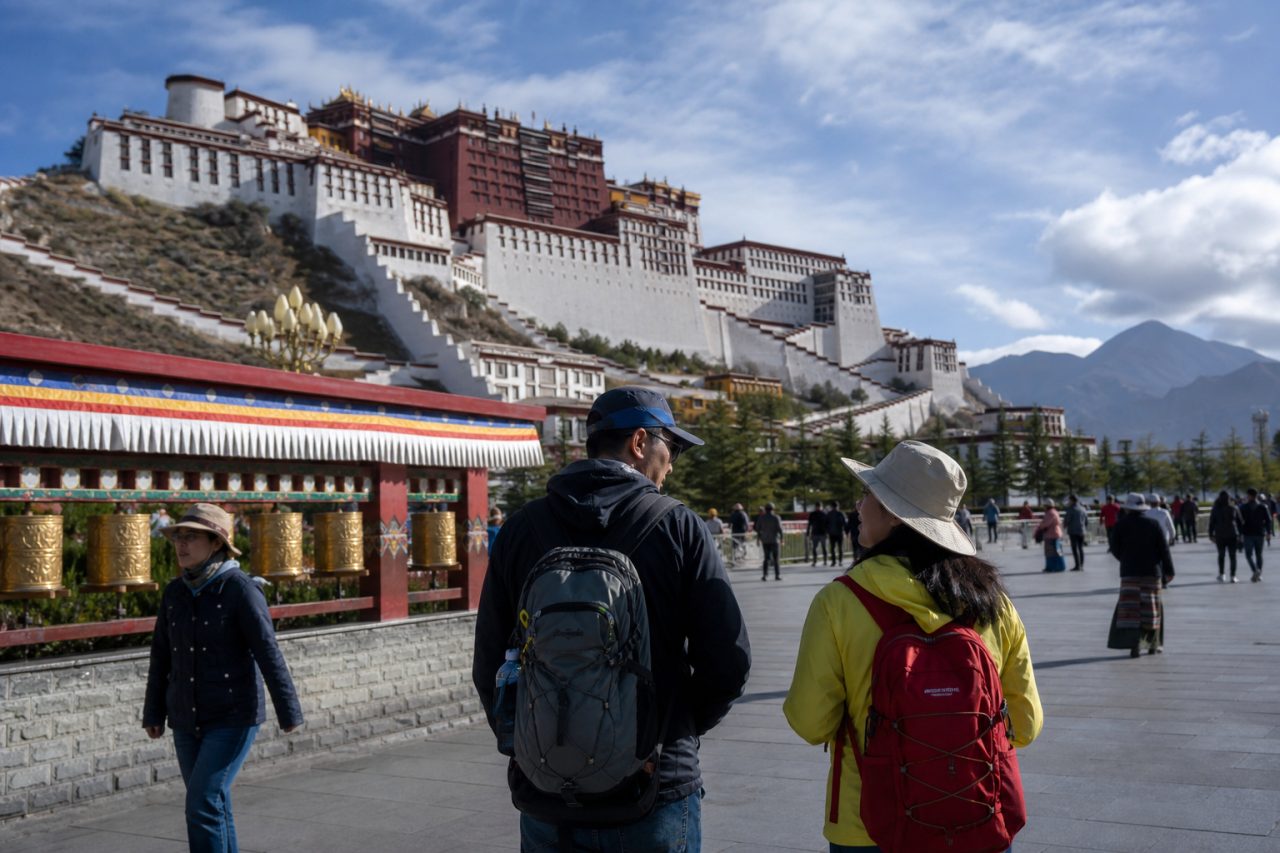
If you are planning your first Tibet trip, the real question is not simply spring or autumn? It is which month gives you the right balance of clear weather, altitude comfort, route quality, festival value, and total cost for the kind of trip you actually want. For most first-time travelers, the best overall windows are April to June and September to October. Those months usually offer the strongest mix of stable sightseeing conditions, broad route access, and manageable comfort at altitude, based on Lhasa climate patterns from Weather Spark’s average weather in Lhasa and altitude-health guidance from the CDC high elevation travel and altitude illness guidance.
That said, there is no single best month for everyone. Winter can be excellent for budget travelers who tolerate cold mornings, while summer works well for greener landscapes and school-holiday timing even though cloud and rain are more likely. The right decision depends on what you value most: comfort, price, festivals, photography, or family-friendly pacing.
The Best Time to Visit Tibet Depends on What You Want Most
If you want the safest all-around choice, choose May, June, September, or early October. These months usually give you pleasant daytime sightseeing in Lhasa, good visibility for classic overland routes, and fewer weather-related compromises than deep winter or the wettest part of summer, using Lhasa’s annual climate pattern as a practical reference from Weather Spark.
If price matters more than perfect comfort, November to February is often the value season. Costs commonly fall outside peak demand periods, but that is business information rather than a government-set rule, so treat it as a broad market pattern rather than a fixed published tariff.
If festivals matter most, you may prefer February or March for Losar season or July or August for major summer religious events. Festival timing can add depth to the trip, but it also brings heavier demand and less flexibility, so the cultural upside comes with a practical booking trade-off. Public-facing festival overviews are summarized by China Highlights’ Tibetan festival guide.
Tibet Month by Month: Weather, Crowds, Festivals, and Cost Trade-Offs
| Month | Best For | Main Trade-Off |
|---|---|---|
| January-February | Lowest prices, crisp winter light, fewer tourists | Cold mornings and nights, more selective itinerary design |
| March | Early spring, cultural atmosphere, shoulder pricing | Still cold at night, weather less forgiving than late spring |
| April | First-time travelers, clearer road-trip conditions | Popular shoulder season starts to build |
| May | Best overall balance for most travelers | Higher demand and earlier booking pressure |
| June | Comfort-first trips, longer overland routes | Prices often rise with summer demand |
| July-August | Summer holidays, greener scenery, festival travel | More cloud, some rain, peak-season crowd pressure |
| September | Excellent visibility, photography, stable travel conditions | High popularity, especially for classic first trips |
| October | Crisp weather and strong all-around conditions | Busy around major holiday dates, cooler late in month |
| November-December | Lower cost, quieter sites, winter value | Colder conditions and shorter comfortable outdoor hours |
January to February: Winter in Tibet is cold, but it is often less impossible than many travelers assume. Lhasa usually stays dry by winter standards, which helps sightseeing, but the colder nights matter more once you add altitude and early starts. This season suits travelers who want lower prices, lighter crowds, and a more selective route focused on realistic pacing rather than long, ambitious road days.
March: March is a transition month. It can work well if you want shoulder-season value and a cultural atmosphere, but it still behaves more like cold-season travel than classic spring comfort, especially outside central Lhasa.
April to June: This is the strongest planning window for most first-time visitors. Daytime conditions usually improve, roads and landscapes become easier to enjoy, and you get a better margin for acclimatization because daily travel feels less physically harsh than in colder months. The CDC still recommends gradual ascent and attention to altitude symptoms regardless of season: CDC high elevation guidance.
July to August: Summer is not a write-off. According to Weather Spark’s Lhasa climate data, this is the wetter, cloudier part of the year, but Tibet is not the same as a tropical beach destination where rain automatically ruins travel. The real issue is reduced visibility, occasional disruption to mountain views, and higher demand during holiday periods.
September to October: For many travelers, this is the premium season. You often get excellent clarity, comfortable sightseeing, and strong conditions for classic routes such as Lhasa plus Yamdrok Lake or longer overland trips. The drawback is simple: these months are rarely the cheapest, and the best departures can fill earlier.
November to December: Late autumn and early winter reward travelers who care more about savings and quieter sites than about mild mornings. The mistake to avoid here is choosing a summer-style itinerary in winter conditions; a shorter, better-paced route often delivers a better experience than trying to force too much distance into cold weather.
Which Months Are Best for Different Travelers?
First-time travelers: May, June, September, and early October are the safest recommendations. They offer the best chance of enjoying Tibet without having your impression shaped too heavily by cold stress, cloudier views, or off-season itinerary limits.
Budget travelers: November through February usually offers the best value. If you can handle colder mornings and choose a realistic route, winter can be a smart decision rather than a compromise.
Festival-focused travelers: Plan around specific event periods, but expect more demand and less flexibility. Festival value is real, yet it changes the trip from a comfort-first holiday into a timing-sensitive cultural trip that should be booked earlier.
Families with children: Late spring and early autumn are usually the easiest balance of comfort and routine. If you are traveling with children, a gentler pace matters more than squeezing in more destinations, and family travel planning for Tibet becomes especially important once dates are chosen.
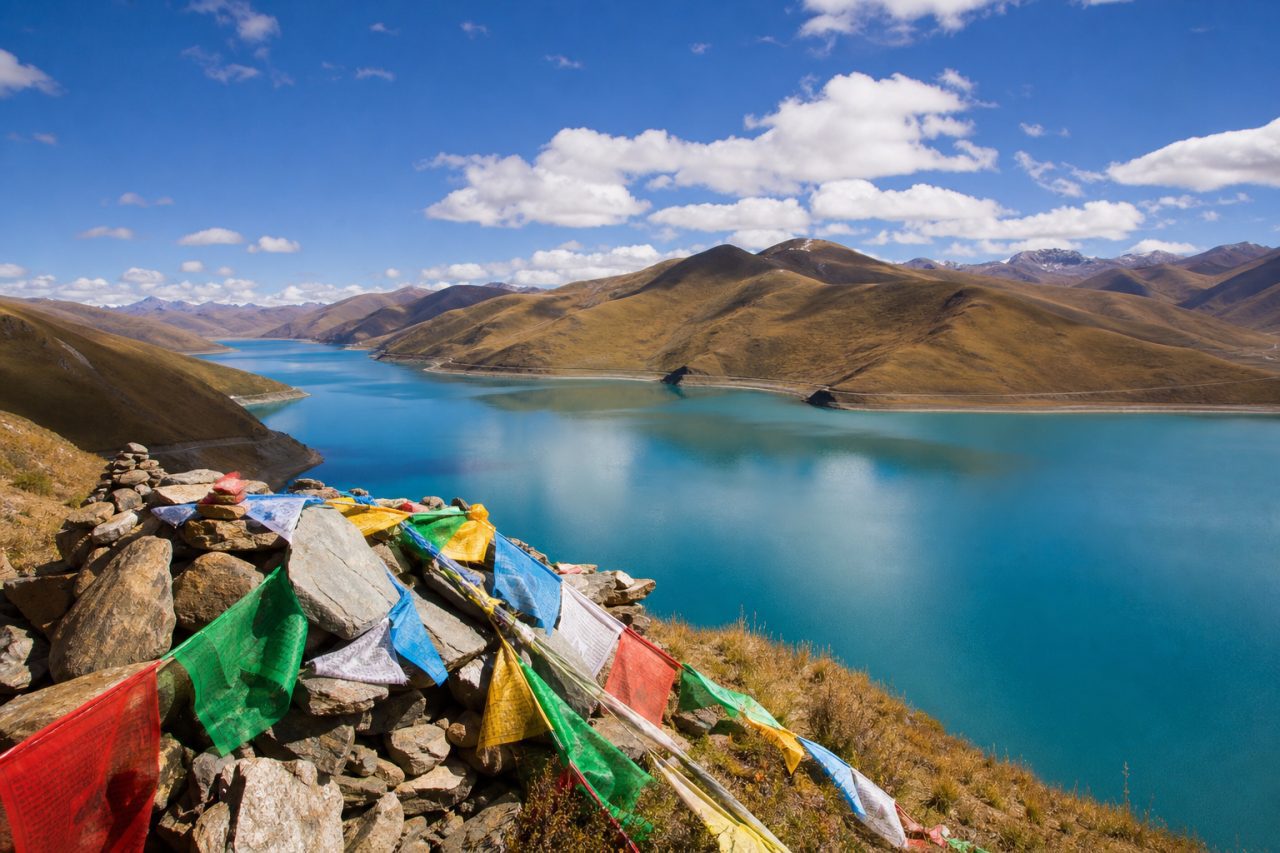
Photography and landscape travelers: September is often the strongest single month if clear skies and long-distance visibility matter more than price. Early winter can also be rewarding for crisp light, but only if you are comfortable with colder field conditions.
When Tibet Is Most Expensive and Hardest to Book
In practical travel terms, the costliest and most competitive periods are usually late spring, summer, and early autumn, especially around public holidays and major festival windows. That price pattern comes from demand rather than an official seasonal fee schedule, so you should expect variation by route, hotel level, transport class, and how early you book.
Timing also affects logistics. Tibet travel requires advance planning for permits, and travelers should treat this as a booking-timeline issue, not an afterthought. For a clear overview of what travelers actually need, see Do I Need a Visa to Enter Tibet? and the practical risk guide at What to Pay Attention to When Traveling to Tibet; industry permit requirements are also summarized by Travel China Guide’s Tibet Travel Permit page.
How Season Changes Your Itinerary and Altitude Experience
Season does not change the altitude itself, but it changes how hard the trip feels. The CDC notes that altitude illness risk rises with elevation and speed of ascent, which is why a rushed itinerary can feel much tougher in cold weather or on a longer overland route: CDC high elevation travel guidance.
That is why month choice and itinerary choice should be made together. A one-week first trip in May or September is usually easier to pace well, while winter often works best with a more focused Lhasa-centered route such as this Tibet 7 day itinerary. If you want a broader route across several regions, a longer plan such as this Tibet 13 day itinerary is easier to justify in late spring or autumn when daily travel conditions are generally more comfortable.
Our Practical Recommendation
If you want one answer, choose May, June, September, or early October. Those months give most foreign travelers the best chance of a comfortable, visually rewarding, and operationally smooth first Tibet trip, supported by representative Lhasa climate patterns from Weather Spark and altitude-health guidance from the CDC.
If you want the best value, consider November to February, but shorten expectations before you shorten the budget. If you want festivals or school-holiday travel, choose summer with your eyes open: more cultural energy, more competition, and a higher chance that weather affects visibility.
The one mistake to avoid is choosing dates from a generic climate chart without matching them to your route, pace, and comfort threshold. Once you narrow your best month range, the next step is to match it to a realistic itinerary, hotel level, and permit timeline rather than keeping the timing decision separate from the trip design.
Seasonality
Dynamic Trust & Reassurance Block
Use this article as a planning reference, not a final commitment
Seasonality
For "Best Time to Visit Tibet: Month-by-Month Weather, Festivals, and Travel Costs", the best choice can shift with season, weather, road access, scenery and crowd levels.
Decision support
Use this article to compare when the experience is likely to match your comfort expectations and visual priorities.
Before you commit
Before committing, confirm current road access, hotel availability, weather patterns and seasonal limits for your exact dates.
Last reviewed: July 14, 2026
Match Dates to RouteSeason-based planning
Want the right Tibet route for your season?
We can help match your travel month with realistic scenery, road access, comfort level and route choices.
Match Dates to RouteYou Might Also Like
Jul 22, 2026
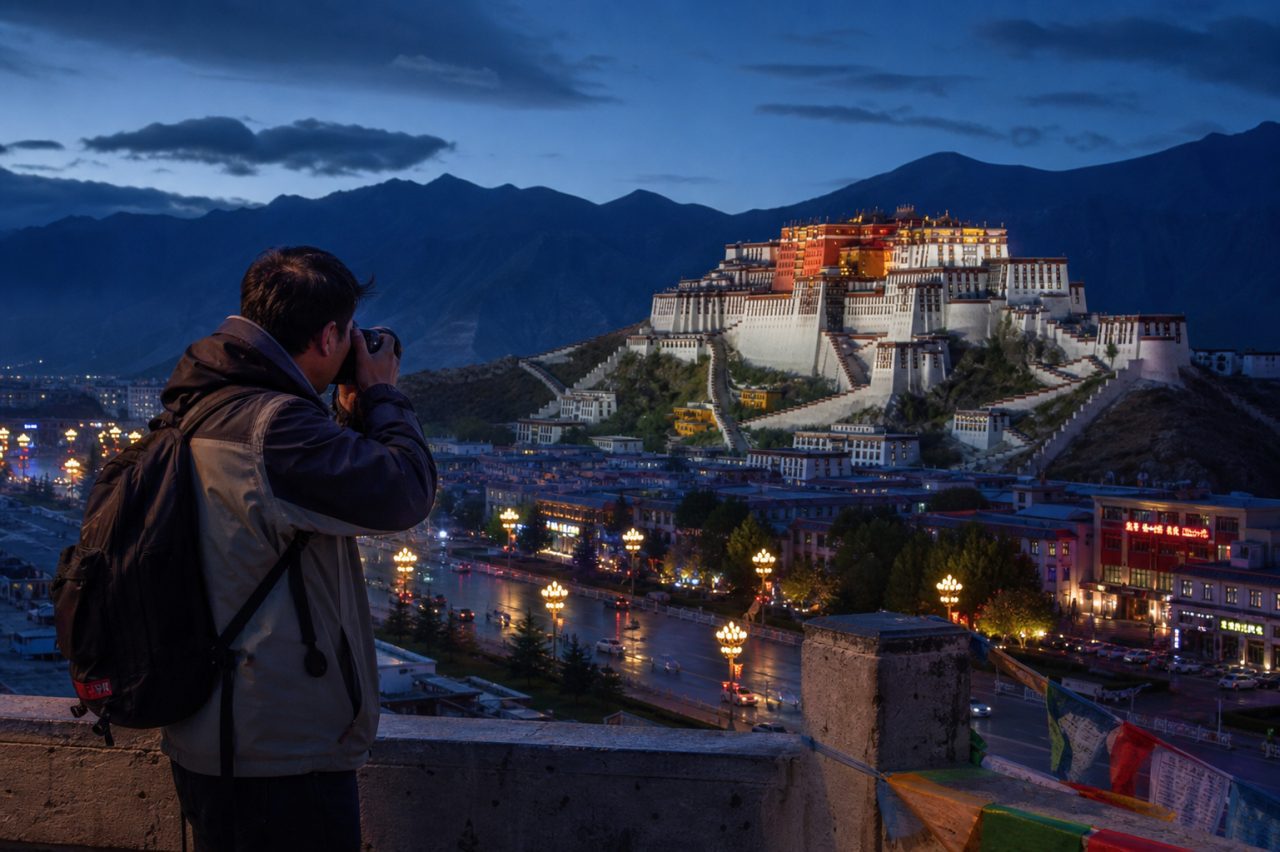
Tibet Photography Guide: Best Places, Camera Rules, and Drone Restrictions
Plan where to sh…
Jul 22, 2026
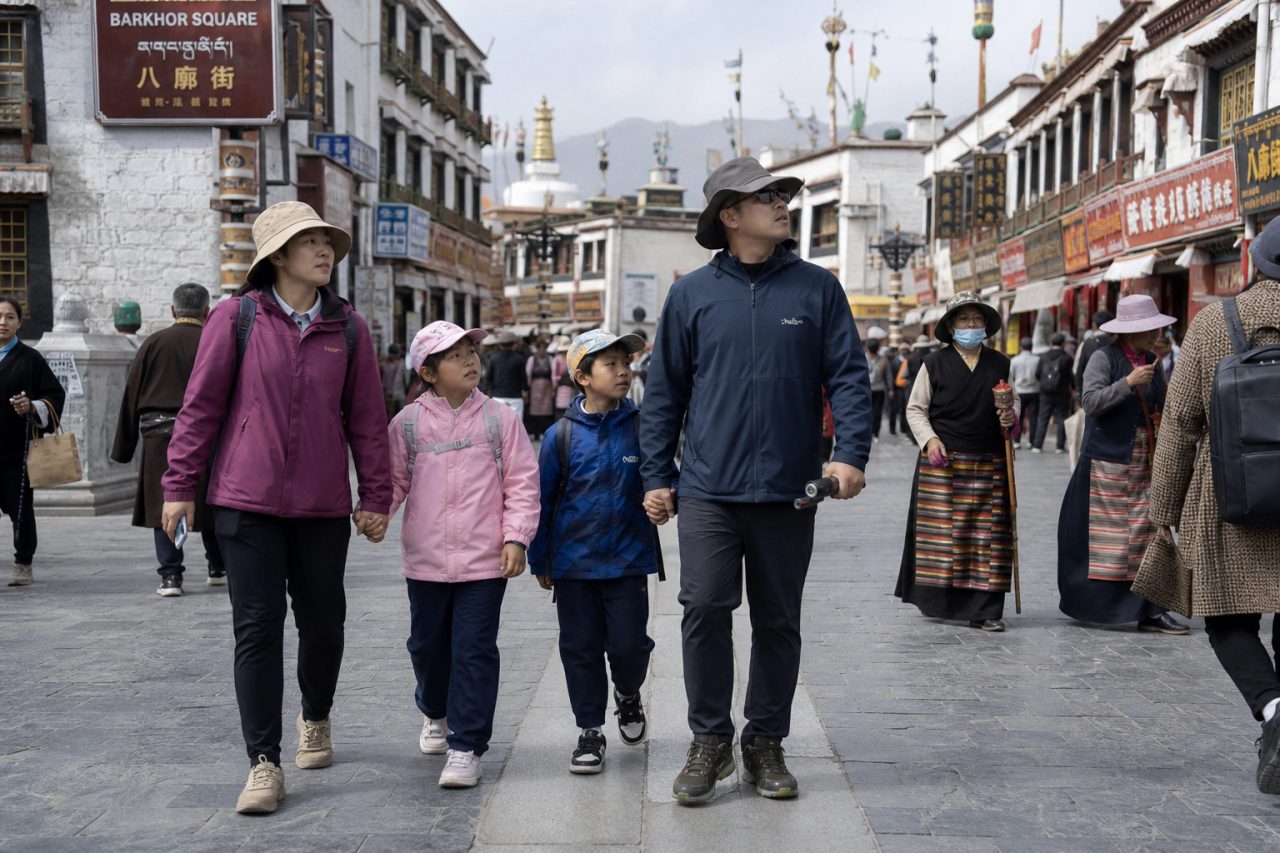
Tibet with Kids: Family-Friendly Routes, Age Limits, and Comfort Planning
Planning Tibet w…
Jul 22, 2026
Tibet Travel Insurance Guide: What Policies Should Cover for Remote Trips
Choosing Tibet t…
Common Questions
Questions Readers Usually Ask Next
These answers close the practical questions still left after this guide, so you can decide what to do next without another search.
Is winter a bad time to visit Tibet, or just a colder one?
Winter is often a strong value season rather than a bad one. It suits travelers who can handle colder mornings and nights, want lower prices, and are willing to choose a shorter or better-paced itinerary instead of assuming every route feels equally comfortable.
Does summer rain usually ruin a Tibet trip?
Usually no, but summer can bring more cloud cover, less consistent long-range visibility, and heavier demand. It can still work well for school holidays, greener scenery, and festival travel if you accept that views and pricing may be less predictable than in the shoulder seasons.
Which months are best for first-time travelers to Tibet?
For most first-time travelers, May, June, September, and early October offer the best overall balance of daytime comfort, visibility, route flexibility, and manageable planning risk. They are usually the safest recommendation windows when comfort matters more than chasing the lowest price.
Do festivals make Tibet better to visit or harder to plan?
Both. Festivals can add major cultural value and make the trip feel more distinctive, but they can also increase crowd pressure, reduce flexibility, and push prices up. They are best chosen deliberately, not treated as an automatic upgrade.