
What to Pay Attention to When Traveling to Tibet: Permits, Altitude, Timing, and Practical Risks
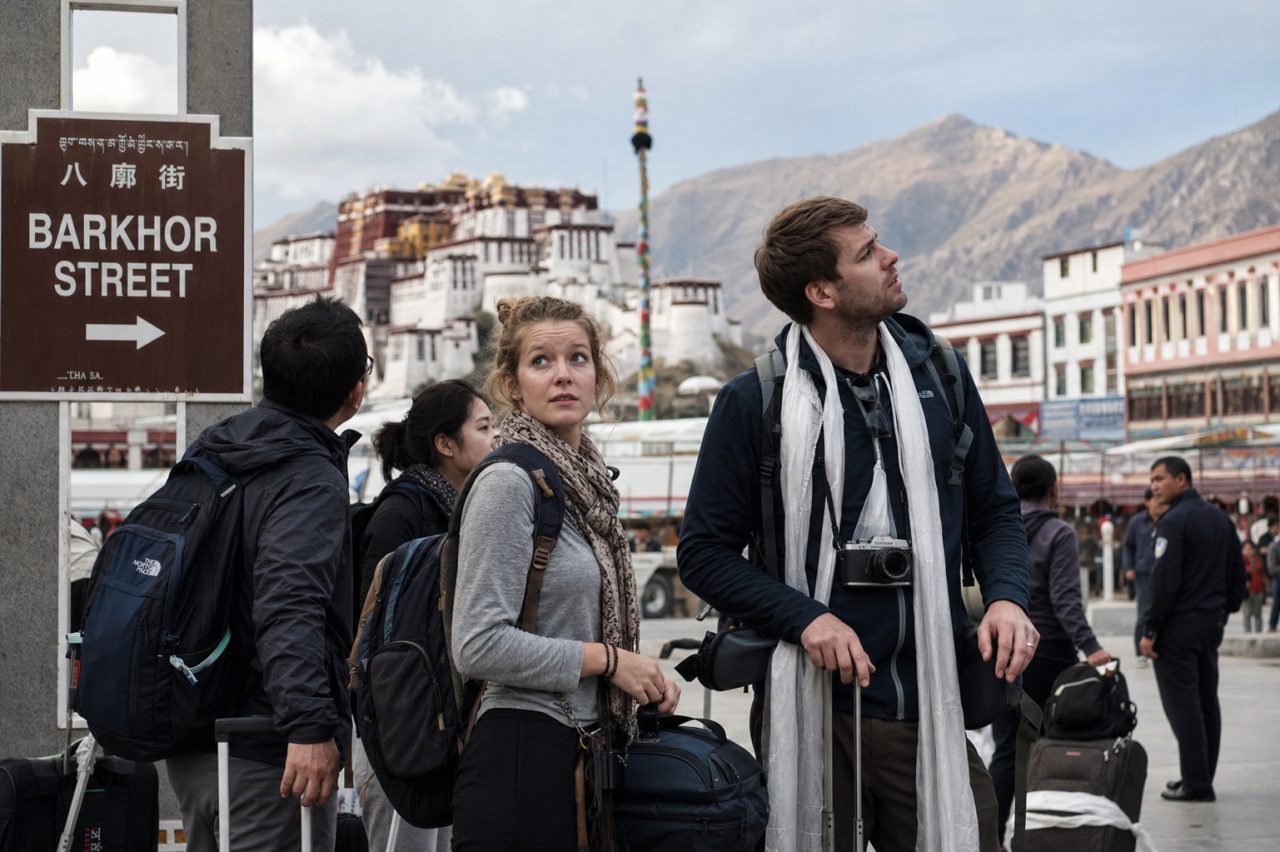
If you are planning a trip to Tibet for the first time, the main question is not which sights to see first. It is whether your trip is feasible under Tibet’s permit rules, your health and pace at high altitude, and the time of year you want to go. In practice, the travelers who have the best Tibet trips usually make four decisions early: document eligibility, altitude tolerance, route length, and season.
The short answer is this: pay attention to permits before booking flights, take altitude risk seriously even if you are generally fit, choose a route that matches your available days, and expect Tibet travel to be more structured than a normal independent trip. If those four points are handled well, most of the other details become manageable.
The first things to check before you decide to go
Start with entry documents and trip structure. Tibet is not the kind of destination where you should buy transport first and sort out paperwork later. Tibet Journeys’ guide on what travelers actually need to enter Tibet explains that Tibet travel planning depends on more than a standard China entry question, so document timing needs to be checked early.
The second early check is whether your body and schedule are a good fit for high-altitude travel. Lhasa sits at about 3,650 meters or 11,975 feet, according to Encyclopaedia Britannica, “Lhasa” (https://www.britannica.com/place/Lhasa). That is high enough that even healthy travelers may feel shortness of breath, fatigue, poor sleep, or headaches in the first days.
The third check is how much time you really have. A rushed Tibet plan often looks efficient on paper and feels miserable on arrival. If your total trip time is limited, a shorter Lhasa-centered route is usually smarter than trying to cover too much ground.
Why permits and travel rules shape the whole trip
Before choosing hotels or sightseeing days, confirm what documents your nationality and route require. Tibet-specific travel arrangements can affect when you can finalize transport and how you sequence the rest of the trip. That is why the permit question is not a minor detail but the frame around the entire itinerary.
A common mistake is treating Tibet like another domestic stop within a larger China trip. That can lead to timing problems, mismatched bookings, or expectations that independent last-minute changes will be easy. A better approach is to confirm your entry path first, then build the itinerary around what is realistically possible.
If you are an American traveler, nationality-specific risk checks are worth reviewing separately rather than relying on general travel advice. The internal guide on what Americans should check before going to Tibet is useful for that narrower planning question.
Altitude is not a side issue
Altitude affects who should go, how fast you should travel, and how long your route should be. The U.S. Centers for Disease Control and Prevention notes in “High-Altitude Travel and Altitude Illness” that travelers can develop altitude illness above 2,500 meters and that gradual ascent helps reduce risk (https://wwwnc.cdc.gov/travel/page/high-altitude-travel-and-altitude-illness). Tibet is well above that threshold.
This does not mean most travelers should avoid Tibet. It means you should plan for acclimatization instead of assuming fitness at sea level will protect you. The controllable factors are simple: do less on day one, sleep in Lhasa before pushing higher, stay hydrated, avoid aggressive pacing, and take symptoms seriously if they worsen rather than improve.
Travelers with heart, lung, or other health concerns should speak with a qualified clinician before committing. The NHS explains that altitude sickness risk increases when you go too high too fast and recommends descending if symptoms become severe, in “Altitude sickness” (https://www.nhs.uk/conditions/altitude-sickness/). That matters in Tibet because ambitious overland routes can stack altitude exposure quickly.
Choose the season based on trade-offs, not a generic “best time”
Weather, crowding, road comfort, and costs do not move in the same direction. There is no single perfect month for every traveler. What matters is matching the season to your priorities.
If you want a balance of manageable conditions and broad itinerary options, spring and autumn often work well. If you care more about a specific month, October deserves its own closer look because it can combine attractive travel conditions with heavier demand. Tibet Journeys’ article on what to expect from Tibet travel in October is useful because it focuses on the real trade-offs: weather, crowds, costs, and expectations.
Winter can work for some travelers, especially those who care more about lower crowd pressure than maximum route flexibility. But if you are a cautious first-timer, shoulder-season planning is usually easier than choosing the coldest or busiest window without a clear reason.
Do not underestimate distance, transport, and route length
The most common planning error is overestimating how much Tibet you can comfortably see in a short trip. Distances can look manageable on a map while the altitude, road time, and slower pace make them feel much longer in reality. Tibet rewards realistic pacing more than checklist-style sightseeing.
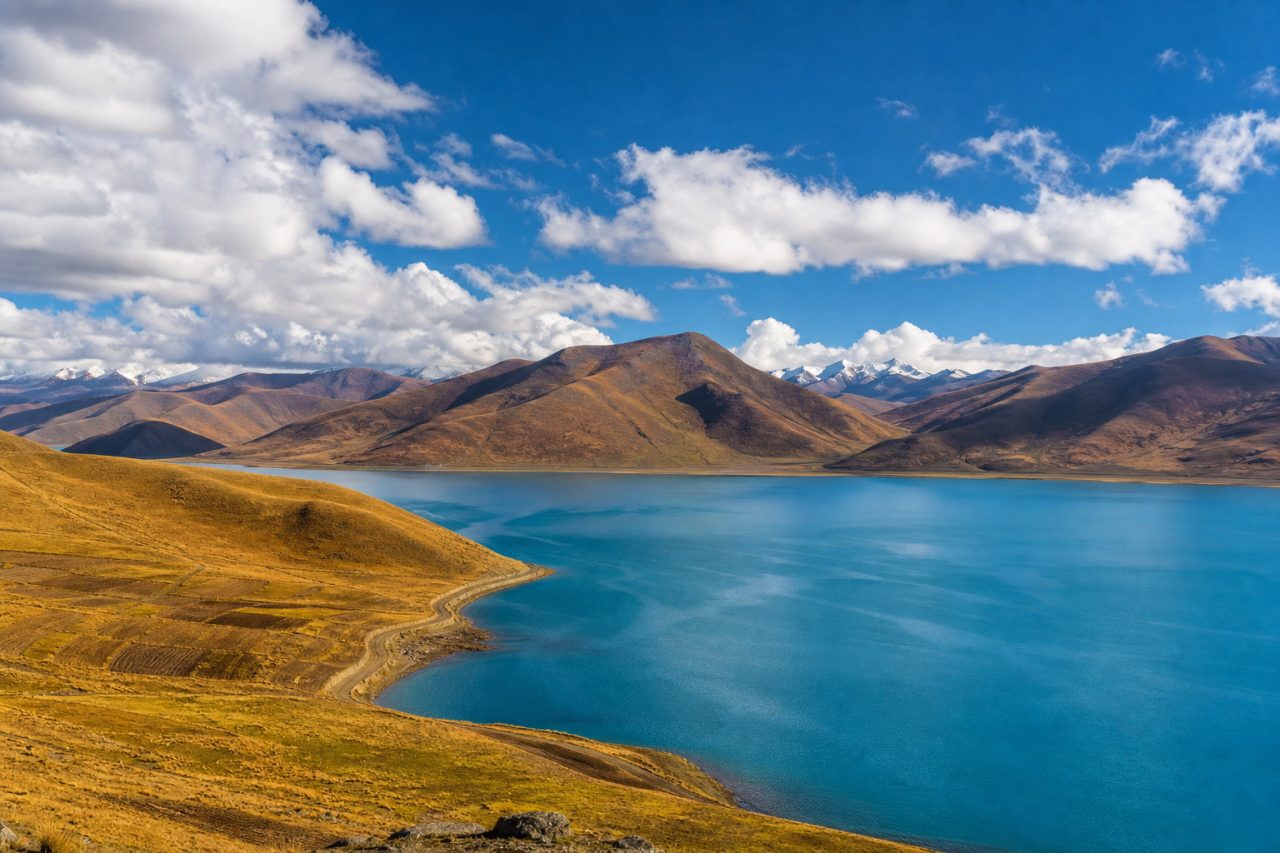
If you have about a week, a simpler route is often the right call. The guide to a realistic 7-day Tibet itinerary is a good benchmark for travelers who want Lhasa and nearby highlights without building too much strain into the trip.
If you have closer to two weeks and want a deeper overland journey, a longer route can make sense. The guide on how to plan a 13-day Tibet route is better suited to travelers who can handle more moving parts, more driving time, and a slower energy curve at altitude.
What to pack, budget for, and confirm before departure
Pack for strong sun, cold mornings and nights, and fast weather shifts. At Tibet’s elevation, sunlight feels harsher than many first-time visitors expect, so sunglasses, sunscreen, lip protection, and layered clothing matter more than fashion or minimal packing.
Budget with more buffer than you would for an ordinary city break. Tibet travel usually involves structured logistics, altitude-aware pacing, and route limits that reduce flexibility. Even without quoting exact prices here, the practical takeaway is clear: leave room for transport timing, seasonal demand, and itinerary choices to affect cost.
Before departure, reconfirm your document sequence, arrival timing, hotel and route pacing, medication plan if your doctor recommends one, and how many low-intensity hours you will give yourself after reaching Lhasa. That last point is often the difference between a difficult first day and a manageable one.
When a Tibet trip is realistic, and when it is not
A Tibet trip is usually realistic for travelers who can plan ahead, accept a structured route, and give altitude proper respect. It is a weaker fit for people trying to improvise at the last minute, compress too much into too few days, or dismiss health symptoms because the scenery is the main focus.
Family travel can also work, but it changes the pacing standard. If children are part of the trip, review planning a Tibet trip with children before choosing the route, because comfort, rest, and road-time tolerance matter more than adults often expect.
The best sign that you are ready to move forward is simple: you know your document path, you have chosen a route length that fits your time and energy, and you are willing to give the first days to acclimatization instead of rushing. If you can do that, Tibet becomes a demanding but manageable trip rather than a high-risk guess.
Permit accuracy
Dynamic Trust & Reassurance Block
Use this article as a planning reference, not a final commitment
Permit accuracy
For "What to Pay Attention to When Traveling to Tibet: Permits, Altitude, Timing, and Pract", permit and entry requirements may change by nationality, route, entry city and travel date.
Decision support
Use this article to identify which documents, timing risks and route constraints need confirmation before flights, hotels or overland plans are locked.
Before you commit
Before committing, check the final requirement against your passport, Chinese visa status, route plan and intended document submission date.
Last reviewed: July 13, 2026
Check Permit GuidePermit timeline support
Need help planning your Tibet permit timeline?
We can help match your travel dates with route options, permit requirements and local arrangements.
Check Your Tibet Travel OptionsYou Might Also Like
Jul 22, 2026
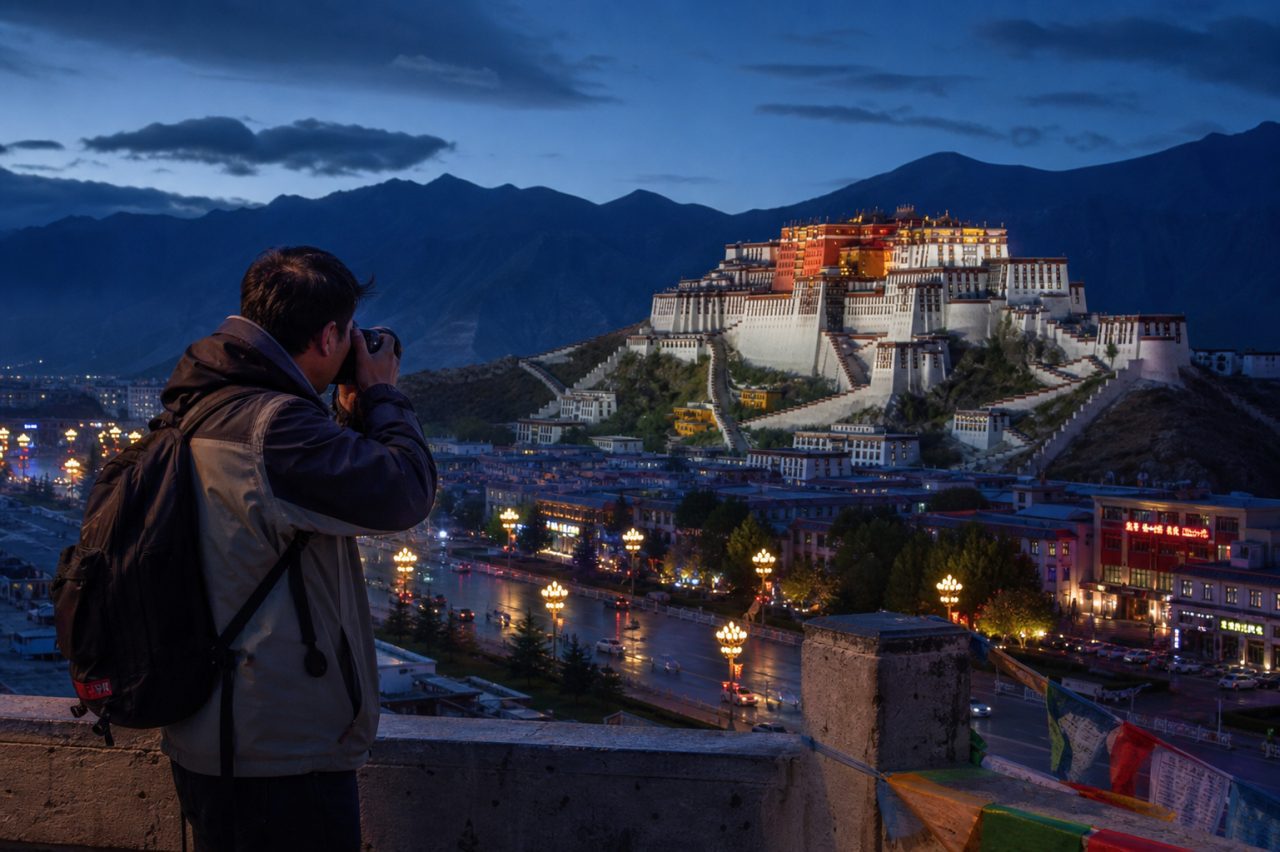
Tibet Photography Guide: Best Places, Camera Rules, and Drone Restrictions
Plan where to sh…
Jul 22, 2026
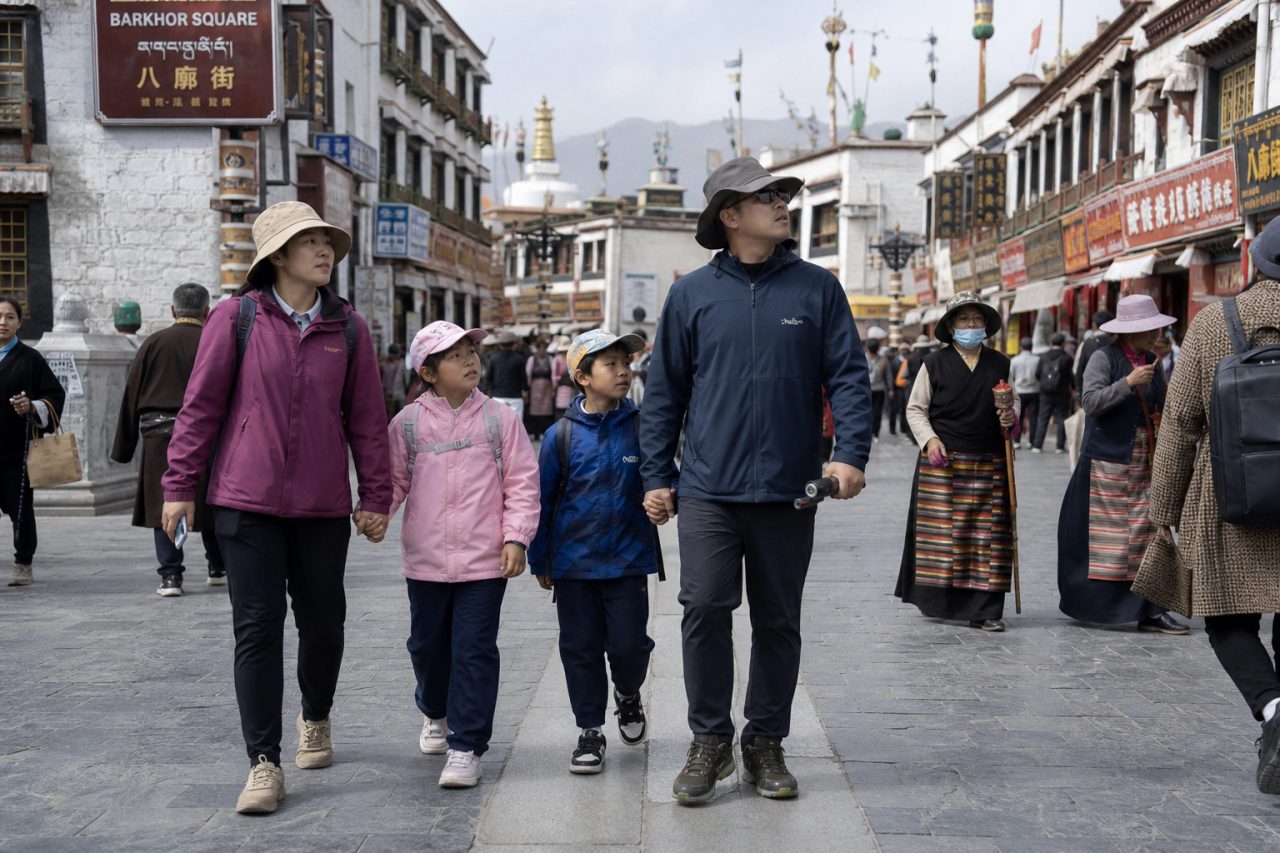
Tibet with Kids: Family-Friendly Routes, Age Limits, and Comfort Planning
Planning Tibet w…
Jul 22, 2026
Tibet Travel Insurance Guide: What Policies Should Cover for Remote Trips
Choosing Tibet t…
Common Questions
Questions Readers Usually Ask Next
These answers close the practical questions still left after this guide, so you can decide what to do next without another search.
Is a short Tibet trip too rushed for a first-time visitor?
It can be, especially if you try to cover too much too quickly. A shorter Tibet trip works best when it stays focused on Lhasa and a limited number of nearby stops, with enough time to adjust to altitude rather than chasing distance.
Is October a good time to travel to Tibet?
October can be a good choice, but it comes with trade-offs. Travelers should look at expected weather comfort, scenery, crowd levels, and cost rather than assuming it is automatically the best month for every route and travel style.
Should families with children plan Tibet differently?
Yes. Families usually need a slower pace, more conservative acclimatization planning, and a route that prioritizes comfort and flexibility over distance. A realistic family itinerary matters more than trying to fit in too many places.