
Can Foreigners Visit Tibet Now? Latest Travel Permits & Restrictions Explained
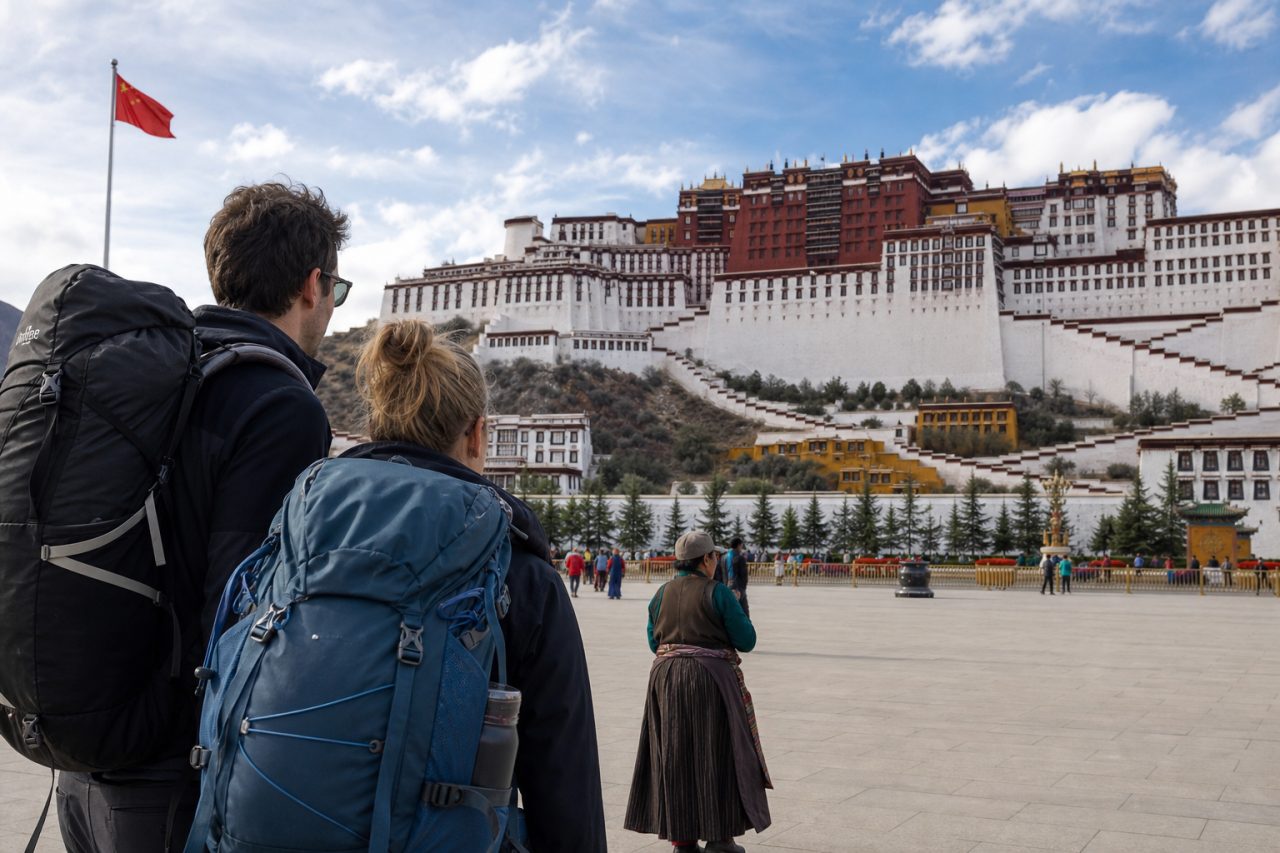
If you are asking whether foreigners can visit Tibet now, the practical answer is yes, usually, but not in the same way you would visit most places in China. For most foreign passport holders, Tibet travel is possible only through a registered Tibet travel agency that arranges the required permits, guide, vehicle, and approved itinerary. The real decision is not just whether Tibet is open, but whether your route, timing, passport, and document sequence make the trip realistic right now.
The key point many travelers miss is that a China visa alone is not enough for Tibet. The Tibet Travel Permit is required for foreign travelers, and independent travel is generally not the normal legal path. If you want to go beyond Lhasa, more regional permits may also be needed. That is why the safest next step is to treat Tibet as a permit-led trip, not a flight-led trip.
Can foreigners visit Tibet now? The short answer
Yes. Foreign travelers can usually visit Tibet under organized travel arrangements, but access depends on current permit approval and the route you use. The Tibet Autonomous Region tourism authorities state that foreign tourists need a Tibet Travel Permit arranged through a local travel agency, not through a direct personal application process. See Tibet Tourism Bureau guidance via regional tourism authorities: Tibet Autonomous Region Department of Culture and Tourism.
For entry into China itself, travelers entering Tibet from mainland China also need valid China entry documents under national immigration and consular rules. China’s National Immigration Administration provides entry and exit information here: National Immigration Administration. If you plan to enter Tibet from Nepal, document handling is different and may require a separate China visa process through Kathmandu rather than relying on a previously issued China visa; travelers should check the Embassy of the People’s Republic of China in Nepal before setting dates.
What permits foreign travelers need
The first permit is the Tibet Travel Permit. This is the core document for foreign visitors entering Tibet, including Lhasa. In practice, the permit is normally handled by an authorized Tibet travel agency after you submit your passport copy, China visa details if applicable, and your confirmed itinerary.
If your trip includes places outside the standard Lhasa corridor, you may also need additional documents such as an Alien’s Travel Permit or military-related approvals for certain border and restricted areas. This matters for trips toward Everest Base Camp, western Tibet, or other sensitive regions. The travel agency usually coordinates these, but you need to know about them early because a wider route means more paperwork and less flexibility.
The planning implication is simple: choose your route before you start the permit process. A short Lhasa-based trip is easier to organize than a long overland route with multiple restricted areas. If you are still comparing options, a simpler program such as this Tibet 7 Day Itinerary is usually easier to approve and manage than a longer cross-region plan.
Mainland China entry vs Nepal entry
Your entry route changes the paperwork. If you enter Tibet from mainland China, the usual order is: confirm itinerary, provide passport and China visa details, then wait for the Tibet Travel Permit before finalizing the last parts of your journey into Tibet. This route is often more straightforward for travelers who already have a workable China visa plan.
If you enter from Nepal, the process is more specialized. Many Tibet-bound travelers from Nepal need a visa arrangement linked to the Tibet trip rather than using an existing China visa. Because this rule affects boarding and border clearance, it is not something to guess about from old forum posts. Use the current guidance from the Chinese Embassy in Nepal and align it with your Tibet agency’s permit timeline.
For first-time travelers, the choice is mostly about risk control. Mainland entry can be simpler if your China entry documents are already in order. Nepal entry can be attractive for overland travel goals, but it usually requires tighter coordination and less room for document mistakes.
The restrictions that matter before you book
The biggest restriction is that foreigners generally cannot travel independently in Tibet in the same way they can in other parts of China. Organized transport, guide arrangements, and permit-linked itineraries are part of the normal operating framework. If your ideal trip depends on spontaneous solo movement, Tibet may not fit that travel style well.
The second restriction is itinerary scope. Being allowed into Tibet does not mean every area is equally accessible at all times. Some places need extra permits, and some routes can be affected by administrative controls, road conditions, or temporary policy changes. That does not make the trip impossible, but it does mean you should build flexibility into your dates and route expectations.
The third restriction is booking order. A common mistake is buying non-refundable flights before the permit sequence is clear. A better approach is to hold flexible transport where possible and let permit progress guide the final commitment. For a fuller planning checklist, see what to pay attention to when traveling to Tibet.
How early to apply and what delays approval
Permit timing is partly administrative and partly practical. Agencies usually need your documents well in advance, and longer or more restricted itineraries often need more lead time than a simple Lhasa trip. Operationally, this is one reason many travelers start with route confirmation first and airfare second.
Delays commonly come from three sources: visa timing problems, last-minute route changes, and holiday-season compression. A first-time European or North American traveler who has not finalized China entry documents should not assume Tibet permits can be handled at the very end. The controllable move is to settle your route, passport validity, and entry city early.
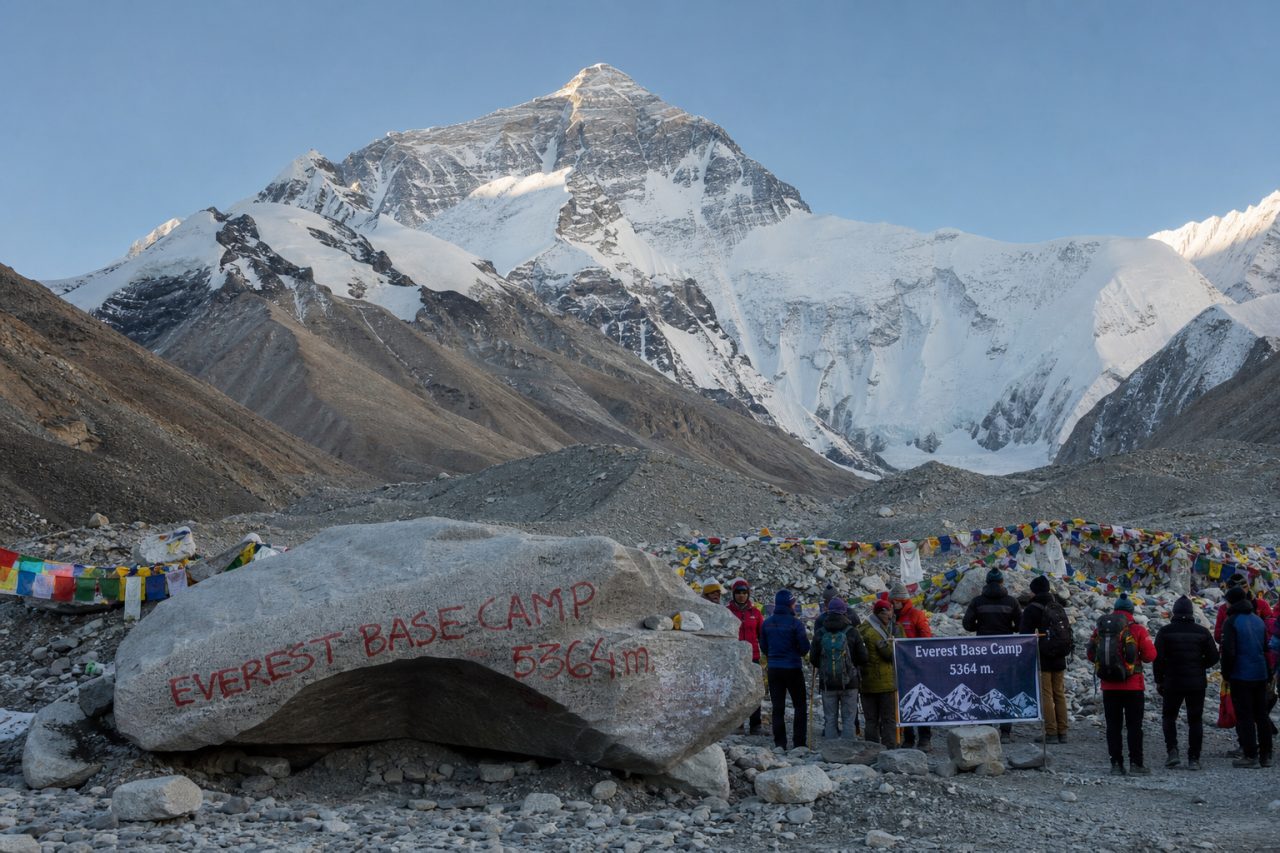
Season also affects planning pressure. Peak periods can make transport and hotel coordination tighter even when permits remain available. If your dates are flexible, review Best Time to Visit Tibet before locking the month.
When it makes sense to plan now and when to wait
It makes sense to start now if you have a valid passport, flexible dates, a clear entry route, and realistic expectations about guided travel. This is especially true if you are considering a classic Lhasa-focused trip or a structured longer route such as this Tibet 13 Day Itinerary. In these cases, the main job is matching your documents and itinerary to the permit workflow.
It may be better to wait if you still have unresolved China visa issues, want fully independent travel, or can only travel on rigid non-refundable dates. Tibet is not a good destination for casual last-minute improvisation. The best-fit traveler is someone willing to plan in sequence and keep some buffer for permit handling.
If you are traveling with children, do not assume the process is identical to a standard adult trip. Family pacing, altitude adjustment, and document coordination all matter more. This guide on Family Travel to Tibet is a useful next read before committing.
Permit accuracy
Dynamic Trust & Reassurance Block
Use this article as a planning reference, not a final commitment
Permit accuracy
For "Can Foreigners Visit Tibet Now? Latest Travel Permits & Restrictions Explained", permit and entry requirements may change by nationality, route, entry city and travel date.
Decision support
Use this article to identify which documents, timing risks and route constraints need confirmation before flights, hotels or overland plans are locked.
Before you commit
Before committing, check the final requirement against your passport, Chinese visa status, route plan and intended document submission date.
Last reviewed: July 18, 2026
Check Permit GuidePermit timeline support
Need help planning your Tibet permit timeline?
We can help match your travel dates with route options, permit requirements and local arrangements.
Check Your Tibet Travel OptionsYou Might Also Like

Jul 22, 2026
Tibet with Kids: Family-Friendly Routes, Age Limits, and Comfort Planning
Planning Tibet w…
Jul 22, 2026
Tibet Travel Insurance Guide: What Policies Should Cover for Remote Trips
Choosing Tibet t…
Jul 21, 2026
Tibet Monastery Etiquette: What Travelers Should Wear, Say, and Never Do
A practical guid…
Common Questions
Questions Readers Usually Ask Next
These answers close the practical questions still left after this guide, so you can decide what to do next without another search.
Can foreigners travel independently in Tibet?
No, in practical terms foreign travelers normally need an organized trip handled by a registered Tibet travel agency, with the permit, guide, vehicle, and approved itinerary arranged in advance.
How long does a Tibet Travel Permit usually take?
Processing often needs lead time beyond the permit itself because the route, passport details, China-entry documents, and itinerary must line up first. Travelers should start planning well before travel dates and avoid last-minute, non-refundable bookings.
Can I enter Tibet from Nepal with my existing China visa?
Travelers entering Tibet from Nepal often face a different document process than travelers entering from mainland China, so an existing China visa should not be assumed to solve the Nepal route automatically.
Do children need separate Tibet permits?
Children are typically included within the permit and tour-document process, but family travelers should confirm passport and traveler-detail requirements early because minor documentation can affect timing.
Should I book flights before my Tibet permit is confirmed?
Usually no for non-refundable transport. The safest planning sequence is to confirm the permit path and document sequence first, then lock in major payments once the route is workable.