
Tibet Train vs Flight: Which Entry Option Fits Your Budget, Time, and Acclimatization Plan?
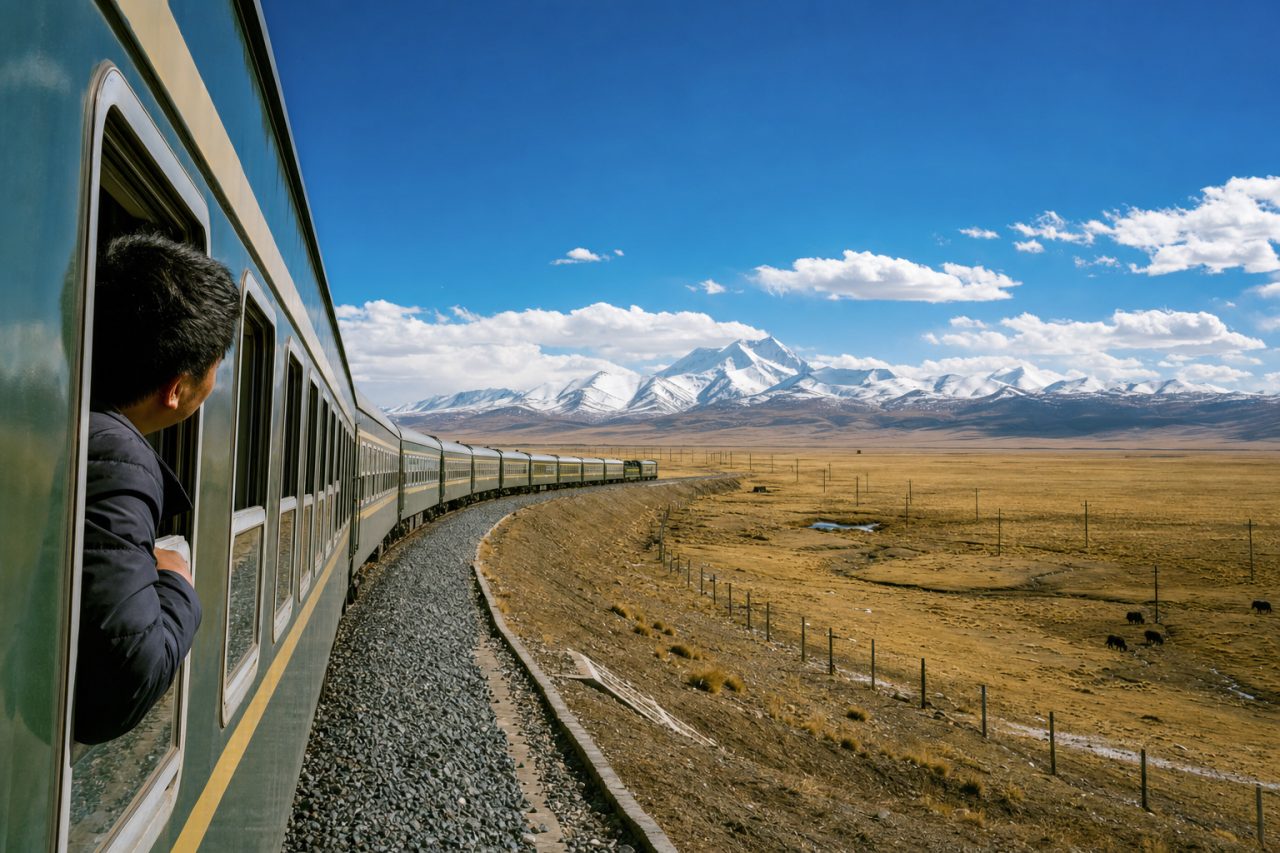
If you are choosing how to enter Tibet for a real trip, the decision is usually not about transport alone. It is about protecting your budget, not wasting limited holiday days, and giving yourself the best chance to handle Lhasa’s altitude sensibly. For most first-time travelers, the simplest answer is this: fly if your trip is short or tightly scheduled, take the train if the rail journey is part of the experience and you can afford the extra time, and consider a one-way combination if you want a better balance.
That judgment matters because many travelers overvalue one factor. Some focus only on the train ticket and forget the cost of extra nights and lost sightseeing time. Others assume the train prevents altitude sickness, which it does not. Professional health guidance from the CDC on high-altitude travel and NHS Fit for Travel altitude advice supports gradual ascent where possible, but both sources also make clear that slower ascent is not a guarantee against altitude illness.
When the train is the better choice
The Tibet train makes more sense when you have enough time, want a lower-pressure arrival, and see the journey itself as part of the trip. Published route and schedule information from China Railway 12306 shows that rail travel to Lhasa from major mainland cities takes much longer than flying, often turning transport into a major part of the itinerary rather than a simple transfer.
That longer journey can still be worth it. A slower climb toward the plateau feels psychologically easier for many travelers, especially people anxious about altitude, older travelers who dislike rushed transitions, or visitors who simply prefer a cabin, scenery, and a more gradual shift into Tibet. The mistake to avoid is treating that comfort advantage as a medical safeguard.
The train is also stronger on raw ticket budget in some cases, but only if your schedule is flexible. If you need extra hotel nights in the departure city, lose two to three usable sightseeing days, or arrive already tired from a very long transit, the cheaper ticket can stop being the cheaper trip overall.
When a flight makes more sense
Flying is usually the better choice for travelers with one week or less of usable travel time in China or Tibet. Airline route pages such as Air China show the practical advantage clearly: air entry compresses a long overland approach into a much shorter travel day, which protects your itinerary for Lhasa, Yamdrok, Shigatse, or Everest-side planning.
This is why flying is often the smarter option even for cautious first-time visitors. You reach Tibet faster, get into your hotel sooner, and can start controlled acclimatization immediately through rest, hydration, and a conservative first 24 to 48 hours. That is often more useful than spending days in transit and arriving exhausted.
The main downside is the faster altitude jump. Lhasa sits at about 3,650 meters, and altitude illness risk rises with rapid ascent according to the CDC. If you fly in, the solution is not panic; it is pacing. Keep the first day light, avoid treating arrival day like a sightseeing race, and build your hotel choice and first-night routine around recovery. For that next step, this guide on how to avoid altitude sickness in Lhasa is a more useful follow-up than obsessing over entry mode alone.
Train vs flight by the factors that actually matter
| Factor | Tibet Train | Flight to Lhasa |
|---|---|---|
| Ticket cost | Often lower than flying, but not always the cheapest full-trip option | Usually higher direct transport cost |
| Total trip cost | Can rise once extra nights and lost time are included | Can be more efficient for short itineraries |
| Time | Consumes a large part of the itinerary | Saves major travel time |
| Altitude pacing | Slower ascent may feel easier for some travelers | Faster ascent requires stricter first-day pacing |
| Fatigue pattern | Long transit fatigue, limited privacy depending on berth | Shorter transport, earlier hotel rest |
| Experience value | High if scenic rail travel is a trip goal | Better if transport is just a means to start the tour |
The key planning point is that ticket price and total travel cost are not the same thing. A traveler with ten flexible days may find the train excellent value. A traveler with six days may spend less on the ticket but lose too much of the actual Tibet experience.
Does the train really help with acclimatization?
Yes, but only in a limited and often misunderstood way. Health guidance from the CDC and NHS Fit for Travel supports gradual ascent as a useful principle, so the train can help some travelers adjust more comfortably than a direct flight.
What it cannot do is guarantee that you will avoid altitude symptoms in Lhasa. A first-time traveler can still arrive by train and get headache, poor sleep, or shortness of breath. The better interpretation is this: the train may improve pacing, but your first days in Tibet still matter more than the transport myth.
That means both train and flight travelers should keep expectations realistic. If you have a history of altitude problems, are traveling with children, or feel anxious about the first days on the plateau, treat the entry choice as one part of a wider acclimatization plan, not the whole plan. Family travelers may also want this practical guide to a Tibet family tour with toddlers.
Best choice by traveler scenario
Choose the train if you have a longer itinerary, moderate budget sensitivity, and you actively want the overland Tibet experience. It is also a reasonable fit for travelers who dislike abrupt transitions and prefer to arrive more gradually.
Choose the flight if your holiday is short, you want to protect sightseeing time, or you see transport as a practical step rather than part of the trip. For many first-time international visitors, this is the strongest default choice.
Choose a hybrid plan if your priorities conflict. Train in and flight out works well when the rail journey matters to you but you do not want to lose too many days both ways. Flight in and train out is less common for altitude-focused logic, but it can still suit travelers who want to save time on arrival and enjoy the scenic rail experience later.
What to do after you choose
Once you know your entry mode, move quickly to permit and route logistics before buying nonrefundable transport. Your entry city, visa situation, and whether you are entering via mainland China or Nepal can affect the planning sequence. If Nepal is part of your route, start with Tibet Group Visa vs China Tourist Visa and How American Tourists Apply for a Tibet Permit From Nepal. If you are planning from the UK, this page on Tibet Travel Permit requirements for UK passport holders is the right next step.
The one mistake worth avoiding is locking in transport first and thinking the rest will sort itself out. The better sequence is: choose the right entry mode for your time and altitude tolerance, confirm the permit path, then match your first days in Lhasa to that choice. If you do that, both train and flight can work well; the wrong option is usually the one that ignores your actual trip constraints.
Route suitability
Dynamic Trust & Reassurance Block
Use this article as a planning reference, not a final commitment
Route suitability
For "Tibet Train vs Flight: Which Entry Option Fits Your Budget, Time, and Acclimatization", the right route depends on available days, altitude comfort, transport preference and the experience you want to prioritize.
Decision support
Use this article to compare route trade-offs, pacing and must-confirm logistics before choosing a final itinerary.
Before you commit
Before committing, confirm permit feasibility, road access, hotel availability, physical difficulty and your preferred travel pace.
Last reviewed: July 17, 2026
Design Your RouteRoute design support
Need help turning this route idea into a real plan?
We can help adjust the itinerary around your dates, pace, altitude comfort, permit needs and must-see places.
Design Your RouteYou Might Also Like
Jul 22, 2026
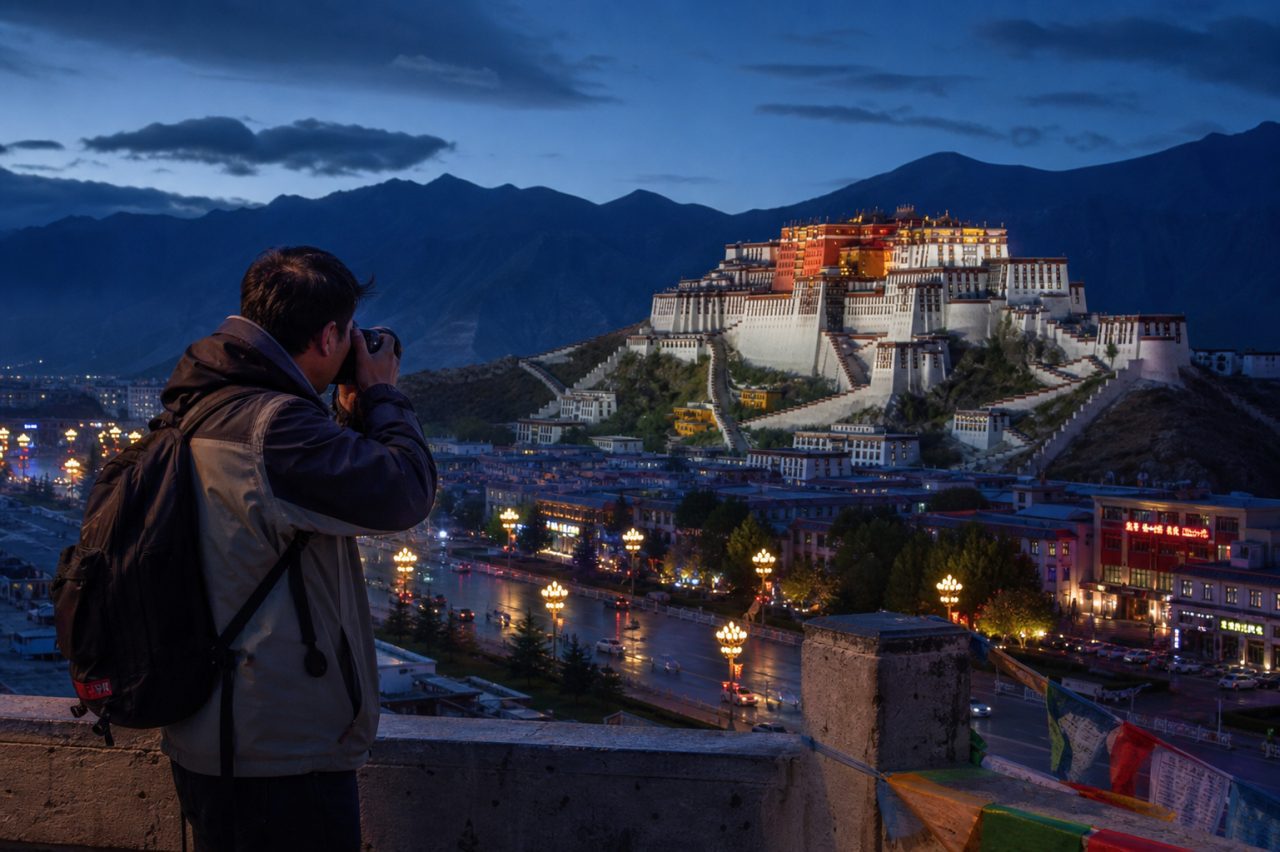
Tibet Photography Guide: Best Places, Camera Rules, and Drone Restrictions
Plan where to sh…
Jul 22, 2026
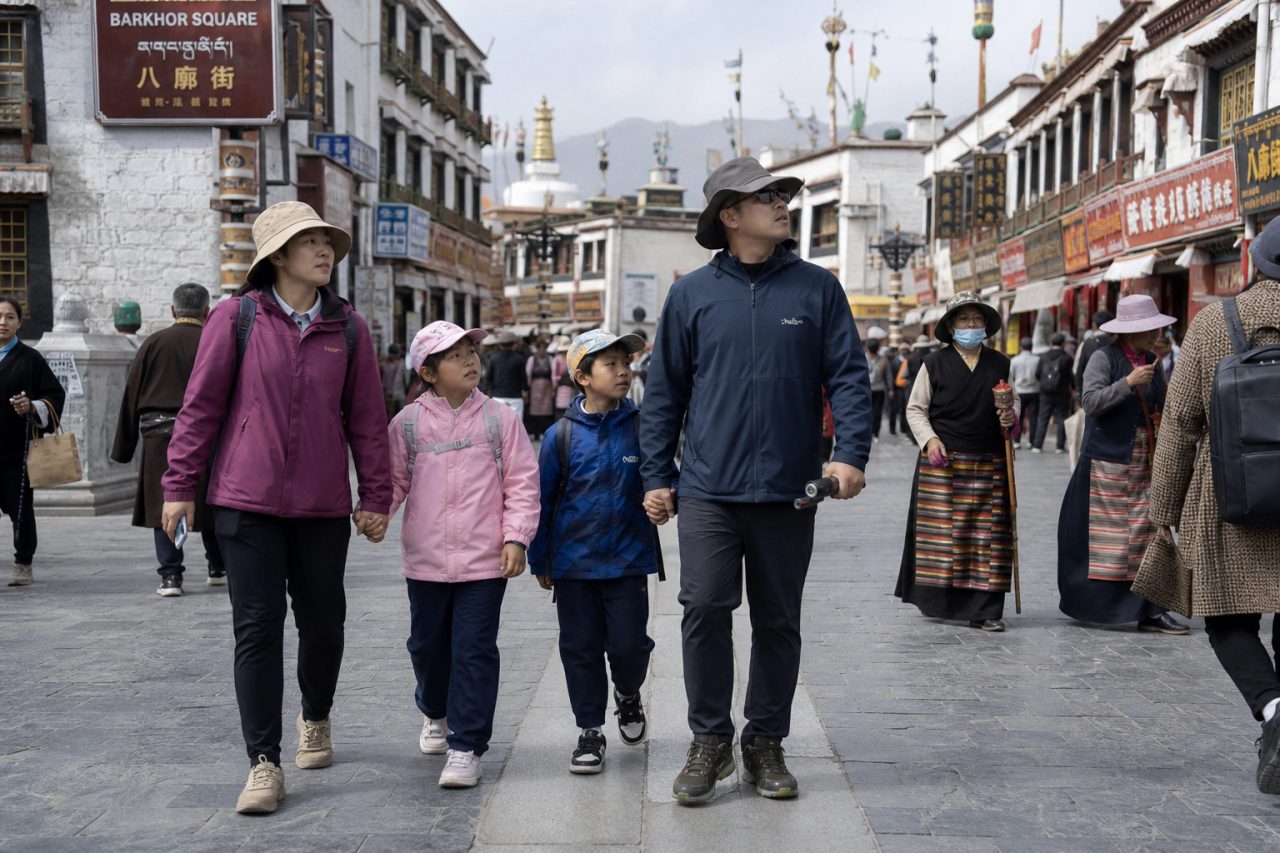
Tibet with Kids: Family-Friendly Routes, Age Limits, and Comfort Planning
Planning Tibet w…
Jul 22, 2026
Tibet Travel Insurance Guide: What Policies Should Cover for Remote Trips
Choosing Tibet t…
Common Questions
Questions Readers Usually Ask Next
These answers close the practical questions still left after this guide, so you can decide what to do next without another search.
Is train in and flight out the best compromise for most first-time Tibet travelers?
Often yes. It can give you a slower arrival experience without forcing you to spend long rail transit time in both directions, which preserves more sightseeing days on the way home.
Should older travelers or families automatically choose the train?
No. Slower ascent may be appealing, but long cabin time, overnight comfort, and total travel fatigue can outweigh that benefit for some travelers. The better choice depends on health, tolerance for long transit, and trip length.
If my Tibet trip is short, is the train still worth it?
Usually only if the train journey is itself a major goal of the trip. If your usable Tibet time is limited, flying usually protects more of your itinerary.