
Tibet Group Tour vs Private Tour: Cost, Flexibility, Comfort, and Who Each Option Fits
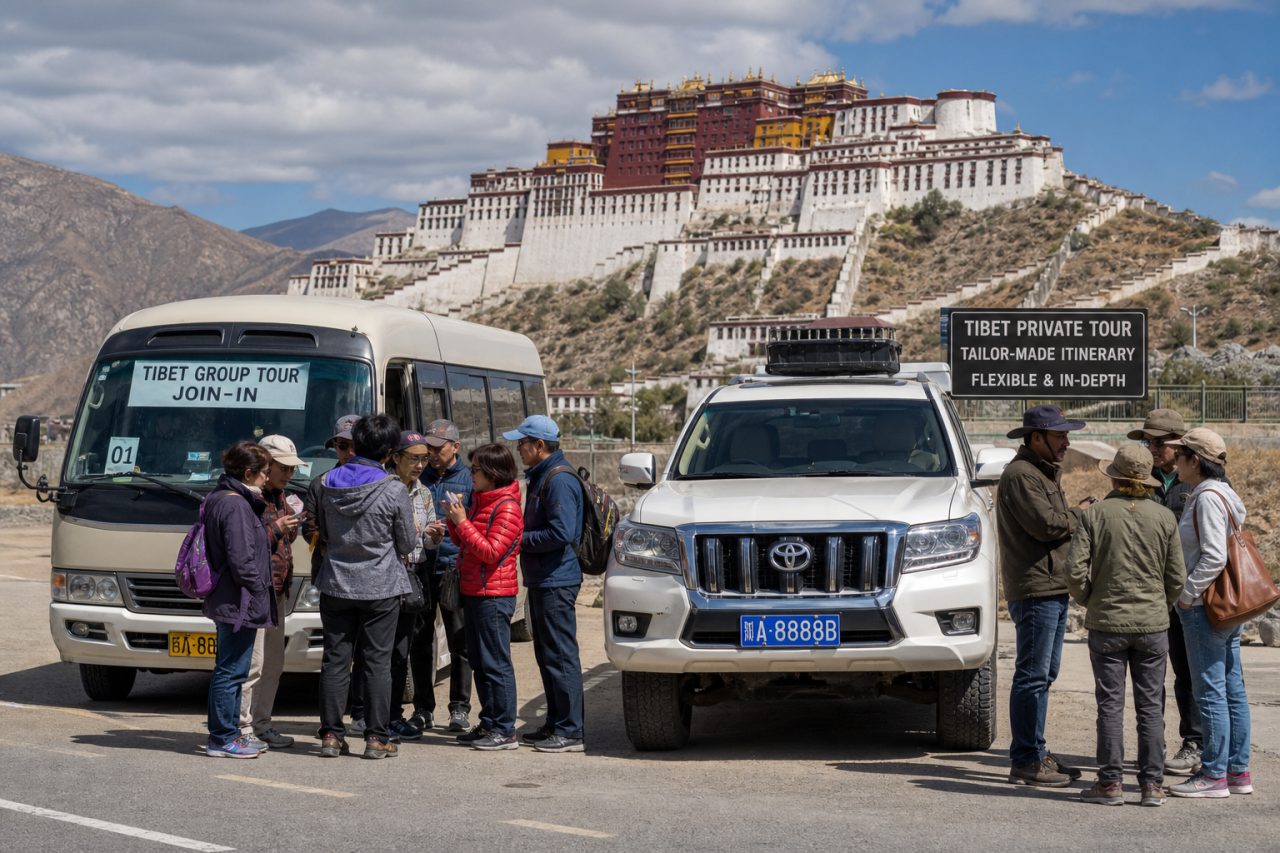
If you are comparing Tibet group tours and private tours, the real decision is not simply cheap versus expensive. It is whether lower shared cost is worth giving up control over pace, stops, privacy, and daily comfort in a destination where altitude, long driving days, and permit-based logistics can make small planning differences feel much bigger. For most first-time travelers, a group tour fits best when budget matters most and you are comfortable following a fixed itinerary. A private tour is usually worth the extra cost when your time is limited, your comfort needs are higher, or the trip only works if the schedule bends around your family, photography goals, or preferred pace.
There is one important planning boundary before comparing tour styles. Independent foreign travel in Tibet is generally not the practical option, and travel arrangements are tied to permits and organized services; see Can Australian Citizens Travel to Tibet Independently? What’s Actually Possible and Tibet Travel Permit Requirements for UK Passport Holders: What You Actually Need. That means your tour format is not a cosmetic choice. It shapes how the whole trip feels.
Tibet Group Tour vs Private Tour: The Short Comparison
| Factor | Group Tour | Private Tour |
|---|---|---|
| Cost | Lower per person because vehicle, guide, and some logistics are shared | Higher per person, especially for solo travelers or couples |
| Flexibility | Limited to fixed departure dates, shared stops, and group pace | High flexibility on timing, stop length, route emphasis, and daily rhythm |
| Comfort | Varies with group size and schedule; less privacy and less control over breaks | Better privacy, easier pacing, more control over rest, meals, and stops |
| Best For | Solo travelers, budget-focused travelers, and people happy with standard highlights | Families, couples, older travelers, photographers, and anyone with specific needs |
What You Actually Pay For in a Group Tour vs a Private Tour
The headline reason group tours cost less is simple: the expensive parts of Tibet travel are shared. Vehicle, driver, guide service, and some route logistics are spread across several travelers instead of one booking. That makes group departures especially attractive for solo travelers, because a solo private trip often carries the full cost of transport and guide service alone.
The extra money in a private tour usually buys control, not luxury for its own sake. You are paying for a vehicle and guide arranged around your schedule, your stops, and your pace. In Tibet, that can change the quality of the trip more than many travelers expect, because road distances, sightseeing windows, and altitude adjustment are practical comfort issues, not minor preferences.
A common mistake is comparing only base package price. A cheaper group tour can become poor value if you care deeply about sunrise photography, slower mornings, extra monastery time, fewer shopping stops, or keeping children and older relatives from being rushed. A private tour can be better value even at a higher price when those needs are non-negotiable.
How Much Flexibility You Gain or Lose
Group tours work on shared logic. Departure dates are fixed, sightseeing time is shared, and the guide has to keep the day moving for everyone. If one traveler wants to stay longer at a viewpoint and another is tired and wants to leave, the group schedule wins.
Private tours give you room to shape the day around what matters most. That may mean a later start after your first high-altitude night, more time at a monastery, a lunch stop that suits your dietary needs, or fewer rushed photo stops on an overland route. This is where many travelers discover that “flexibility” really means lower stress.
Flexibility also matters before arrival. If your Tibet plan connects with a train, flight, or Nepal entry route, a private format can be easier to align with your exact timing. For transport planning, see Tibet Train vs Flight: Which Entry Option Fits Your Budget, Time, and Acclimatization Plan?. If you may enter via Nepal, visa handling can differ from standard China entry routes; see Tibet Group Visa vs China Tourist Visa: What Foreign Travelers Need to Know and How American Tourists Apply for a Tibet Permit From Nepal.
Comfort Differences Matter More in Tibet Than in Easier Destinations
In many countries, a shared tour mainly affects privacy. In Tibet, it can also affect energy management. Lhasa sits at about 3,650 meters above sea level according to Encyclopaedia Britannica, https://www.britannica.com/place/Lhasa, so even standard sightseeing days can feel more tiring than travelers expect. A private tour cannot remove altitude, but it can make it easier to control pacing, rest breaks, and how hard you push on the first days.
Comfort also shows up during overland days. If you are fine with a practical schedule and standard sightseeing rhythm, a group tour is often enough. If you know you need frequent restroom stops, quieter travel, more personal space, or the ability to shorten or rebalance a tiring day, private travel becomes more than a comfort upgrade; it becomes a planning tool.
This matters most for families with children, older travelers, and anyone who already knows they do not do well with rigid group pacing. Families traveling with very young children usually benefit from private scheduling because meal timing, rest, and altitude response are harder to manage in a shared departure; see Tibet Family Tour With Toddlers: Altitude Safety and Packing Checklist.
Who a Group Tour Usually Fits Best
A group tour usually makes the most sense for solo travelers, younger travelers with moderate comfort expectations, and first-time visitors who mainly want the classic Tibet highlights at the lowest workable cost. It also fits travelers who enjoy meeting other people and do not need a highly personalized day.
It is a strong option when your priorities are clear: keep costs under control, see the main sights, and accept that the trip runs on a shared timetable. For many travelers, that is a perfectly good trade. It is not an inferior way to see Tibet if your expectations match the format.
Where group tours become a poor fit is when you already know you dislike waiting on others, strongly prefer privacy, or will feel frustrated by fixed stop lengths. In those cases, the lower price can lead to more regret than savings.
Who a Private Tour Is Usually Worth Paying More For
Private tours are usually worth the extra money for couples who want a smoother experience, families who need flexible days, photographers who care about timing, and older travelers who want more control over rest and pacing. They also make sense for small friend groups, because once the private cost is shared across several people, the price gap may feel more reasonable relative to the added control.
A private format is also the better choice when the trip has special constraints. Examples include tight arrival timing, a strong preference for certain monasteries or landscapes, concern about early altitude fatigue, or a need to avoid rushed transitions. The value comes from reducing friction points that can affect the whole trip.
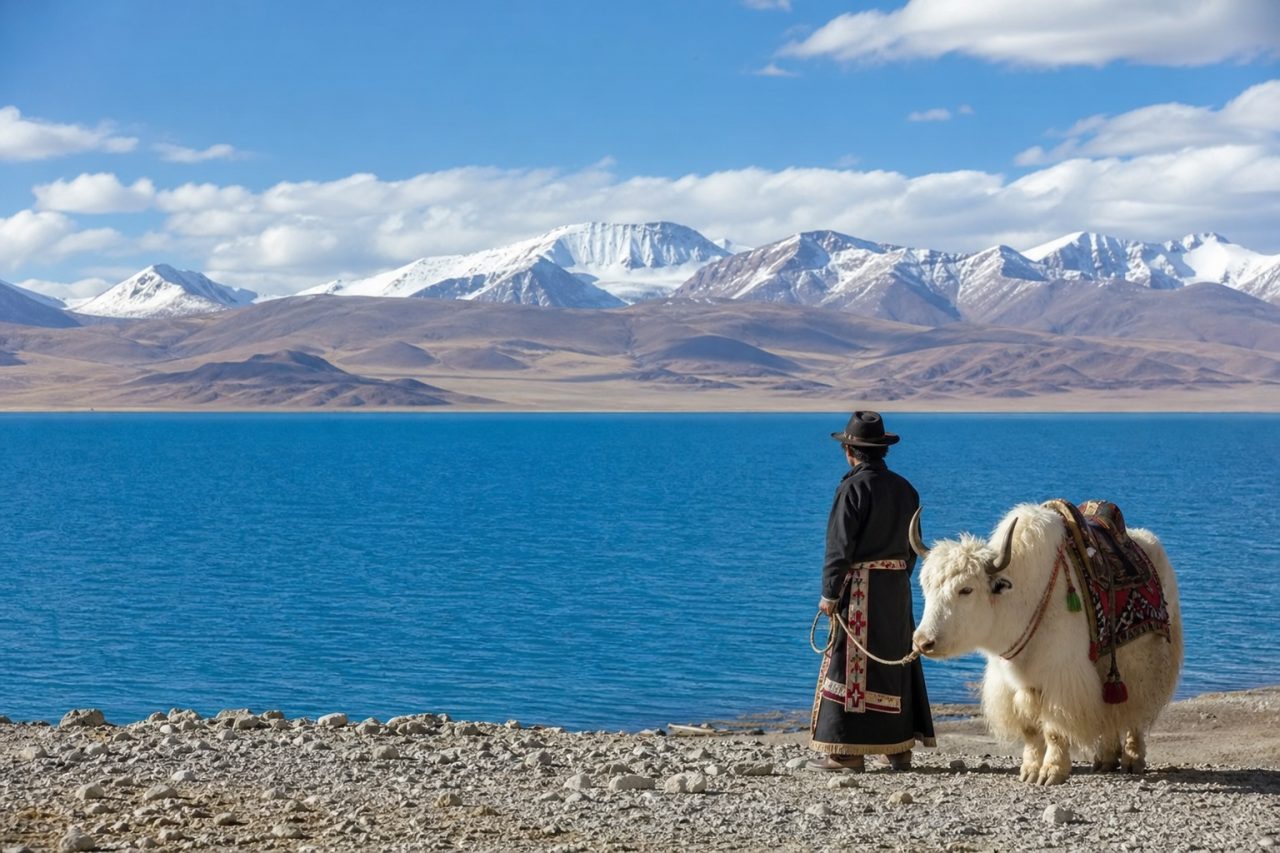
Private does not automatically mean luxury, and group does not automatically mean uncomfortable. The better question is whether your trip has enough personal variables that shared logistics start getting in the way.
How to Choose Without Regret
Use a simple decision rule. Choose a group tour if your main goal is to keep cost down and you are happy to trade control for efficiency. Choose a private tour if your trip will go wrong, or feel unnecessarily stressful, when the schedule cannot adapt to you.
Before booking, list three non-negotiables. These may be budget ceiling, privacy, child-friendly pacing, photography time, extra acclimatization caution, or a specific route. If only one of those is cost, private travel may be the smarter fit even if it is more expensive.
The one mistake to avoid is choosing on headline price alone. In Tibet, the better-value trip is often the one whose pace, comfort, and structure match how you actually travel.
Service fit
Dynamic Trust & Reassurance Block
Use this article as a planning reference, not a final commitment
Service fit
For "Tibet Group Tour vs Private Tour: Cost, Flexibility, Comfort, and Who Each Option Fits", value depends on route complexity, hotel level, season, group size and how much private support you expect.
Decision support
Use this article to clarify which comfort level, flexibility and service scope fit your budget before requesting a proposal.
Before you commit
Before committing, confirm inclusions, exclusions, hotel standards, vehicle arrangements and guide support in the final quote.
Last reviewed: July 18, 2026
Start Custom PlanningPrivate trip planning
Need a Tibet plan that fits your comfort level?
Tell us your budget, hotel expectations and travel style. We can explain realistic private tour options before you commit.
Start Custom PlanningYou Might Also Like
Jul 22, 2026
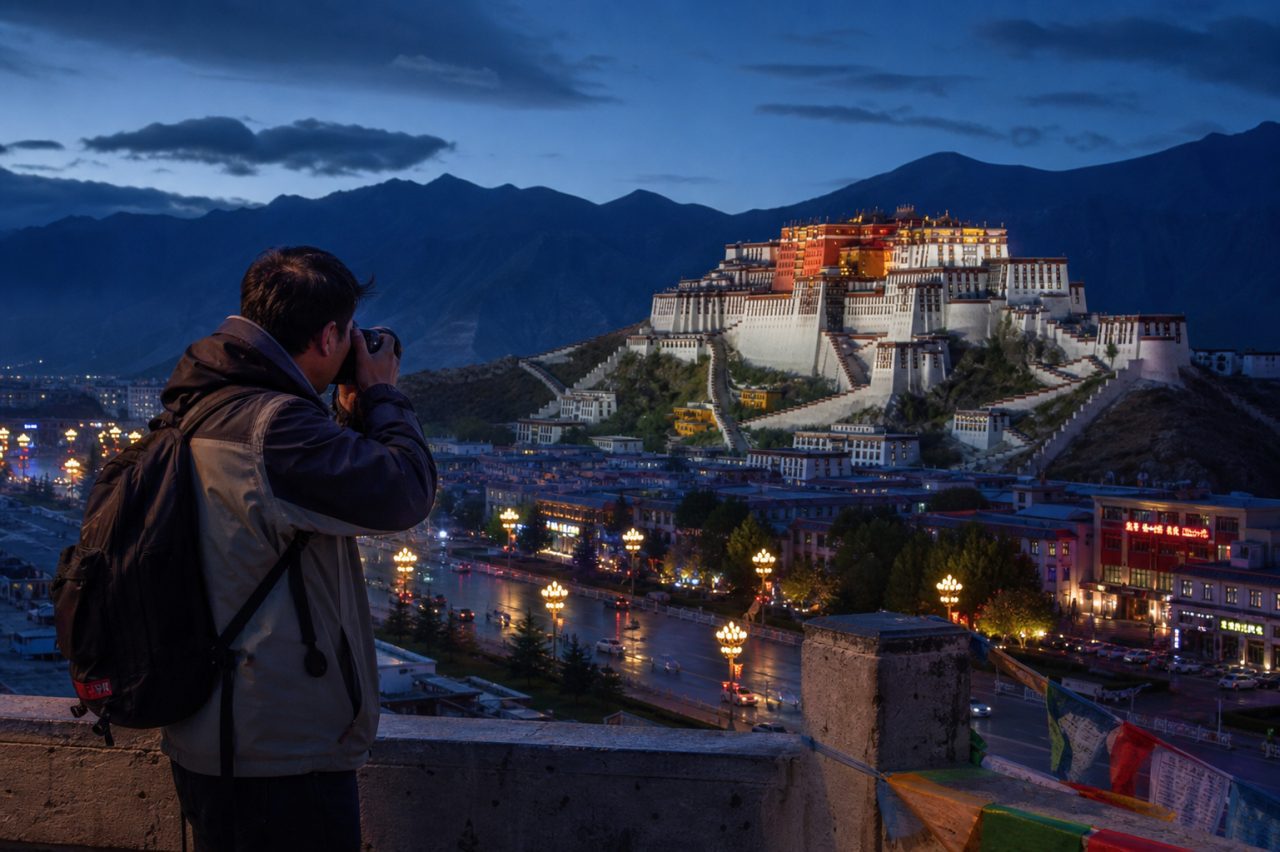
Tibet Photography Guide: Best Places, Camera Rules, and Drone Restrictions
Plan where to sh…
Jul 22, 2026
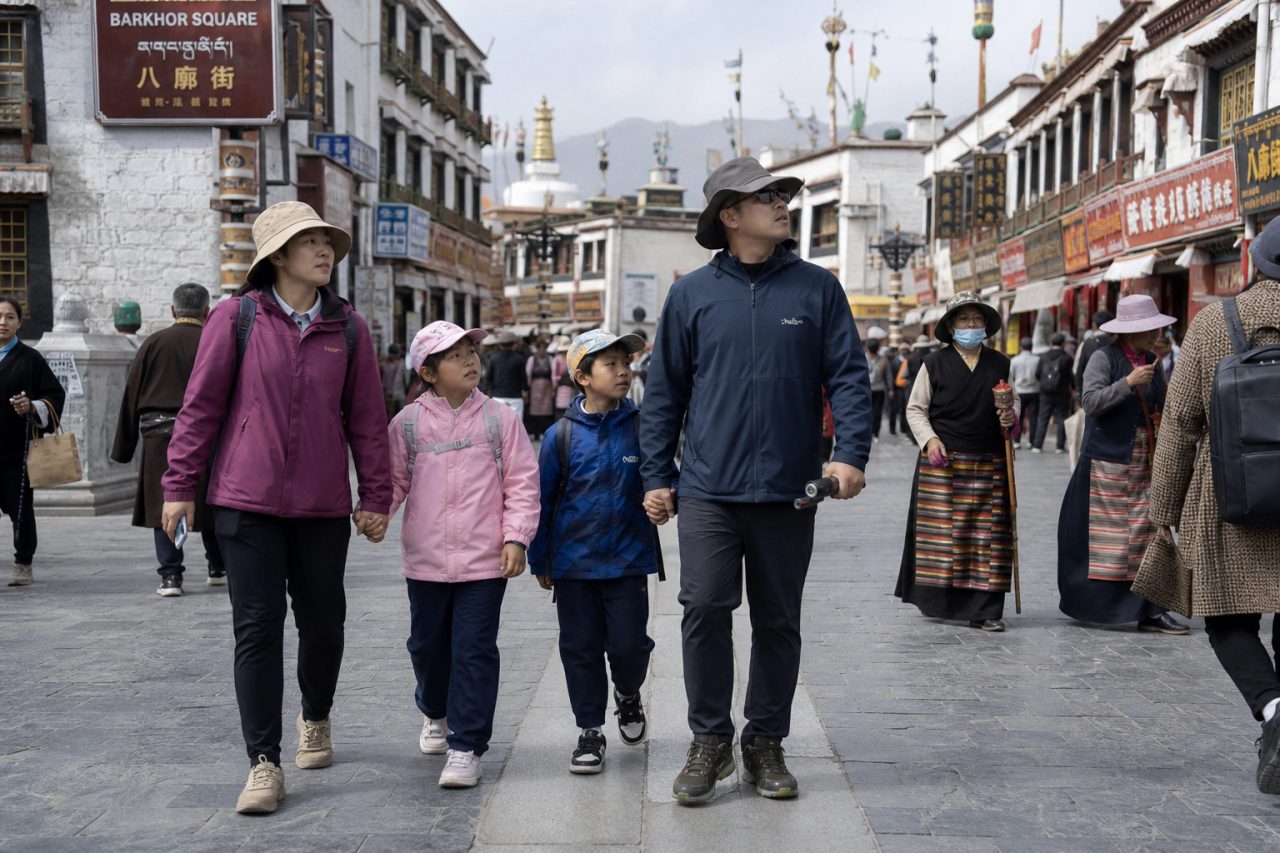
Tibet with Kids: Family-Friendly Routes, Age Limits, and Comfort Planning
Planning Tibet w…
Jul 22, 2026
Tibet Travel Insurance Guide: What Policies Should Cover for Remote Trips
Choosing Tibet t…
Common Questions
Questions Readers Usually Ask Next
These answers close the practical questions still left after this guide, so you can decide what to do next without another search.
Is a Tibet group tour a good choice for solo travelers?
Usually yes, especially when budget matters and you are comfortable following a fixed itinerary. Group tours often make solo travel more affordable because transport, guide service, and permits are shared.
When is a private Tibet tour worth it for couples or families?
A private tour is usually worth the extra cost when pacing, privacy, rest stops, child-friendly timing, or custom interests matter enough to affect the quality of the trip.
Can I customize part of a Tibet trip if I join a group tour?
Sometimes only in a limited way. Most group tours follow fixed dates and sightseeing schedules, so travelers who need meaningful changes are usually better matched with a private tour.