
Best Month to Photograph Mount Kailash Without Clouds
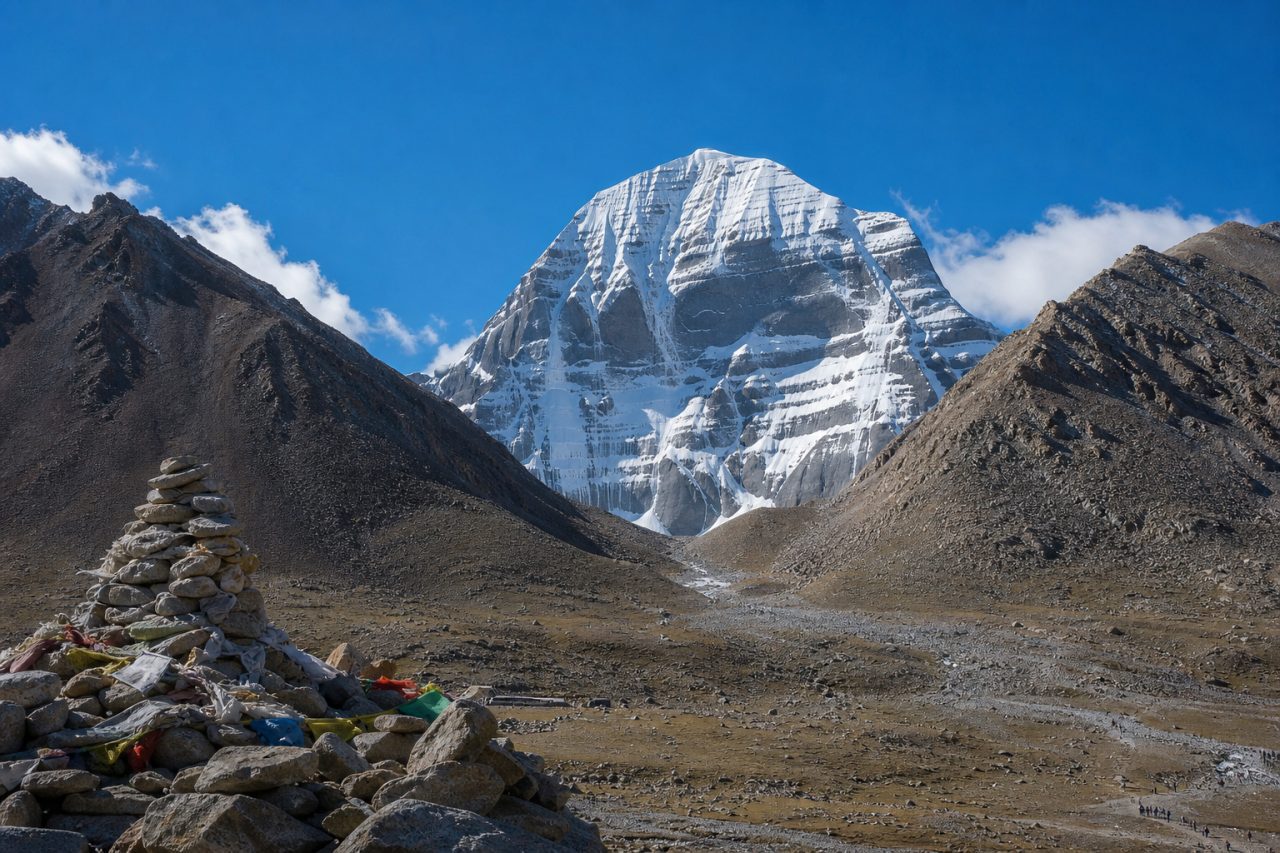
If your goal is to photograph Mount Kailash with the lowest practical chance of cloud cover, the best month is usually September, especially the second half of the month. That is the clearest single answer for most photographers planning a trip to western Tibet: summer moisture has usually eased, visibility is often better than in July and August, and the cold has not yet become as punishing as later in autumn. The catch is simple: no month is cloud-free every day, so the real win comes from choosing September and then shooting early.
The reason September tends to work well is seasonal, not magical. Western Tibet and the broader Ngari region sit at very high altitude, where weather changes fast, but the late-summer monsoon influence is generally weaker than in peak summer. Geographic references for Mount Kailash place the area around the far-western Tibetan plateau at roughly 6,638 meters, which is high enough that even small weather shifts can change visibility quickly. For that reason, the month matters, but the time of day matters too. See the general location and altitude context from Mount Kailash and the regional climate framing from Tibet travel and weather references such as the Ngari region overview.
Why September is usually the safest photography choice
For a photographer, September offers the best practical balance. Compared with mid-summer, the air is often less moisture-laden, which improves the odds of a clean summit outline and a more contrasty sky. Compared with later autumn, temperatures are usually more manageable, so you are less likely to lose a shooting window because you are too cold, too stiff, or delayed by harsher conditions.
That balance matters because Mount Kailash photography is not only about cloud statistics. It is also about whether you can stand still long enough, reach the viewpoint on time, and have another chance if the first morning is not clear. A month that is slightly less cold but still dry enough is often more useful than a theoretically clearer month that is harder to work in.
September vs. early October vs. May
If September is not possible, early October is the next best choice for many travelers. It can be very clear, and the light often feels crisp, but the trade-off is colder weather and a greater chance that an otherwise good morning becomes uncomfortable or operationally tight. Early October is a strong option for dedicated photographers who can tolerate cold and want a more autumn-like atmosphere.
May is the other plausible alternative. It can offer stable, clean-looking mountain conditions before the wetter summer pattern builds, but it is less consistently the best answer if your priority is the lowest cloud risk. May is better suited to travelers who want a good visibility window and milder shoulder-season logistics, not the absolute strongest cloud-avoidance bet.
| Month | Cloud-risk profile | Comfort | Best for |
|---|---|---|---|
| September | Usually lowest practical risk | Good balance | Most photographers |
| Early October | Often clear, but variable | Colder | Photo-first travelers who can handle cold |
| May | Good shoulder-season option | Milder than October | Travelers wanting a balanced spring window |
Why the best month is still not enough
Even in September, Mount Kailash can be clouded for parts of the day. High-altitude terrain often produces clearer mornings and more build-up later, especially when wind and sun start working on the plateau. That is why a month-only plan is incomplete. If you only have one afternoon set aside, your odds drop. If you can shoot sunrise and stay flexible, your odds improve materially.
The practical mistake is assuming that “September” means “clear all day.” It does not. The better approach is to treat September as the best probability window, then stack the odds in your favor with early starts, extra buffer time, and a route that leaves you room to wait for a better sky.
What to do when you are planning the trip
Choose September first if the trip is photography-led. Choose early October only if you are willing to trade comfort for a chance at sharper autumn light. Choose May if you want a shoulder-season compromise and can accept that it is not always the top cloud-avoidance month.
From there, plan your actual shooting around the first light of the day. Morning is usually the most valuable time for mountain visibility, and it is the easiest window to lose if you arrive late or build a tight itinerary. If you can add a spare morning near Kailash, do it. That small buffer often matters more than a slightly different calendar week.
If you are moving from timing research into broader Tibet planning, a related seasonal guide such as Is September a Good Time to Travel to Tibet? can help you align weather, crowds, and route timing without widening the decision too far.
Bottom line
For the highest practical chance of photographing Mount Kailash without clouds, book for September, with late September being the strongest target inside that month. Use early October only if colder conditions are acceptable, and use May as a reasonable fallback. The real success rule is simple: month choice gets you close, but sunrise shooting and schedule flexibility are what turn a good month into a usable photo day.
Route suitability
Dynamic Trust & Reassurance Block
Use this article as a planning reference, not a final commitment
Route suitability
For "Best Month to Photograph Mount Kailash Without Clouds", the right route depends on available days, altitude comfort, transport preference and the experience you want to prioritize.
Decision support
Use this article to compare route trade-offs, pacing and must-confirm logistics before choosing a final itinerary.
Before you commit
Before committing, confirm permit feasibility, road access, hotel availability, physical difficulty and your preferred travel pace.
Last reviewed: July 20, 2026
Design Your RouteRoute design support
Need help turning this route idea into a real plan?
We can help adjust the itinerary around your dates, pace, altitude comfort, permit needs and must-see places.
Design Your RouteYou Might Also Like
Jul 22, 2026
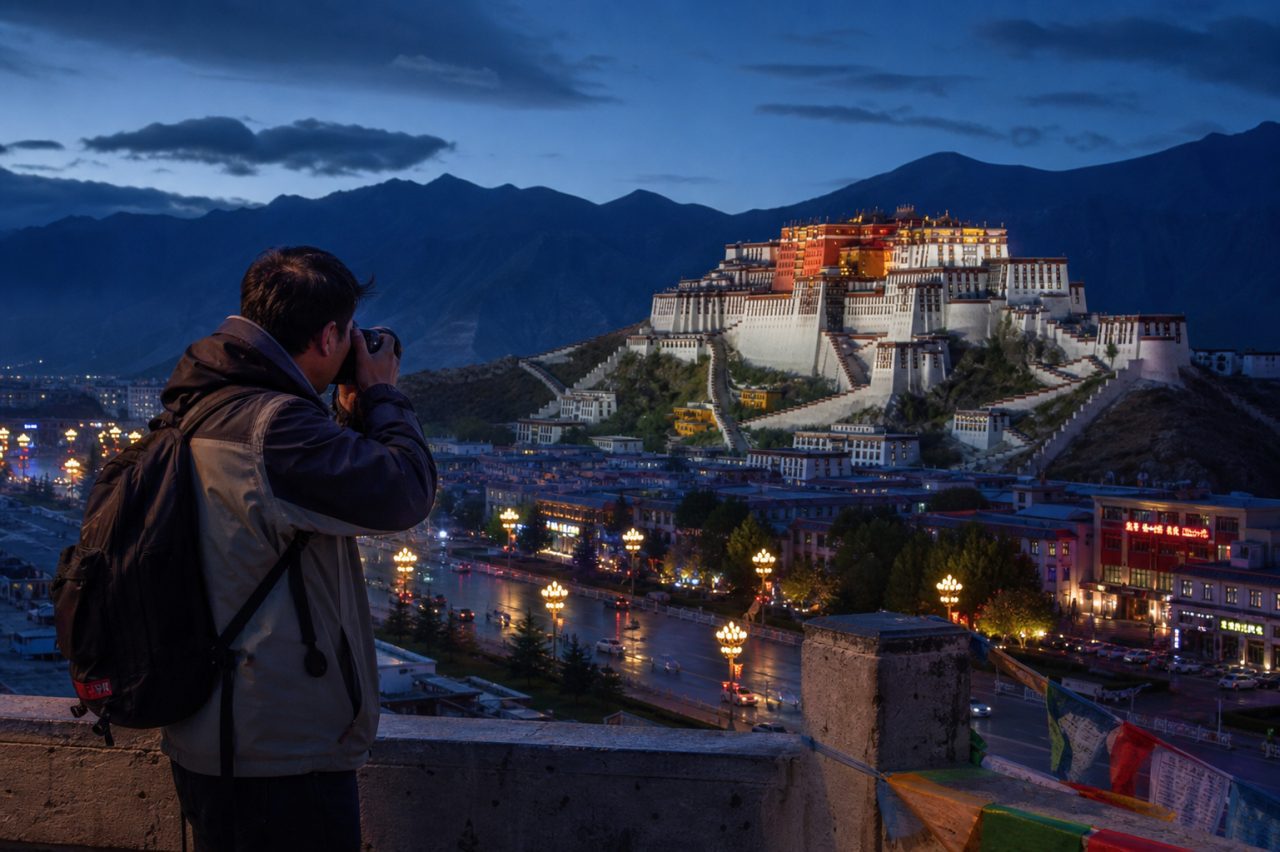
Tibet Photography Guide: Best Places, Camera Rules, and Drone Restrictions
Plan where to sh…
Jul 22, 2026
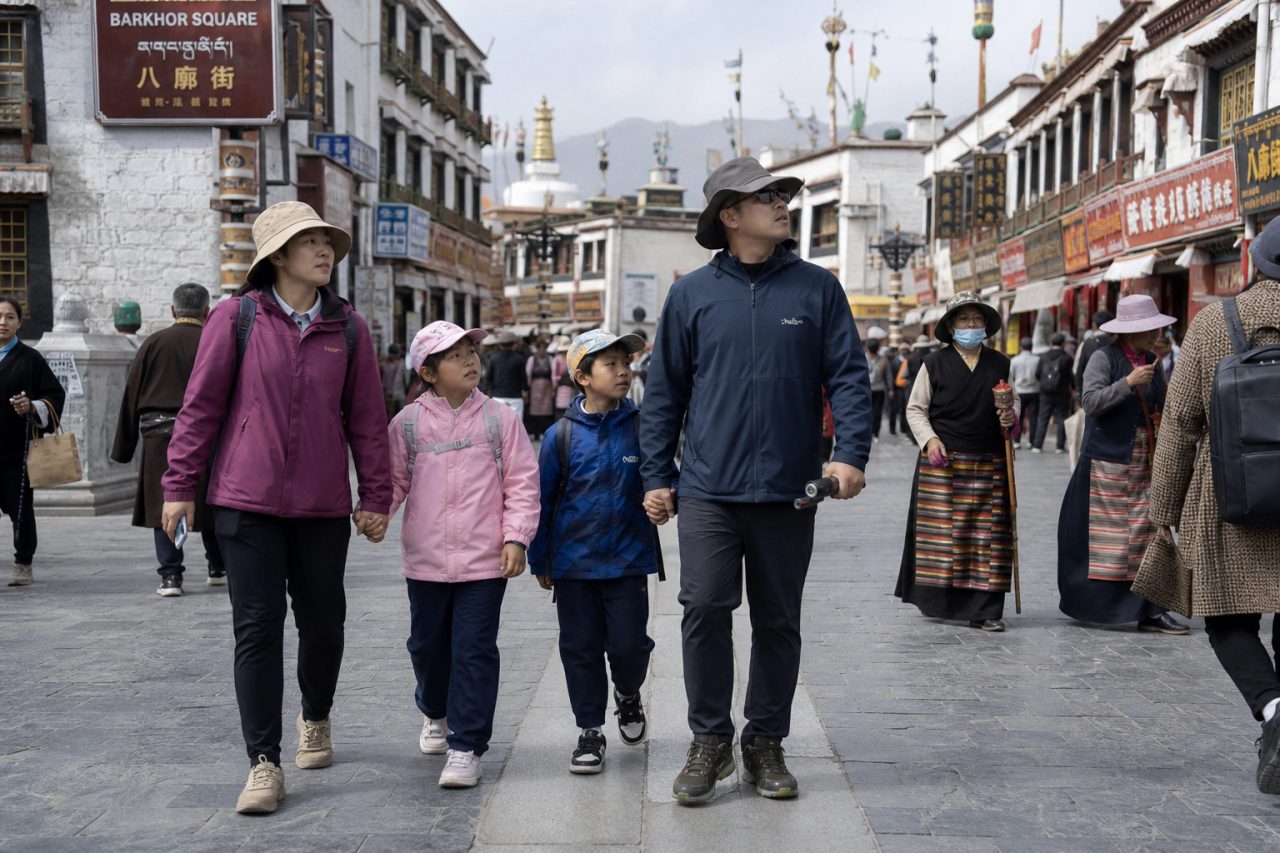
Tibet with Kids: Family-Friendly Routes, Age Limits, and Comfort Planning
Planning Tibet w…
Jul 22, 2026
Tibet Travel Insurance Guide: What Policies Should Cover for Remote Trips
Choosing Tibet t…