
Tibet Luxury Private Tours for Honeymooners: How to Plan the Right Trip
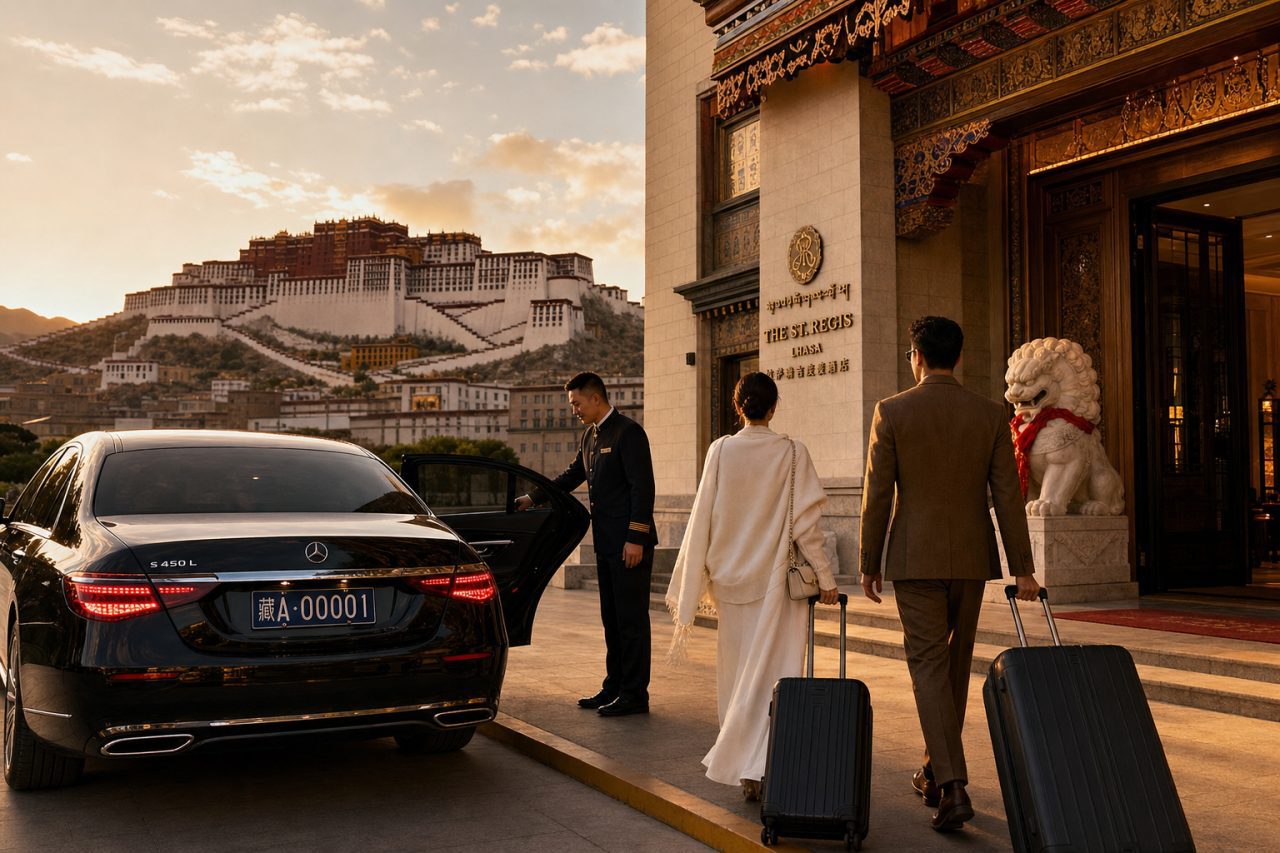
If you are considering Tibet for a honeymoon, the real question is not whether it is luxurious in the same way as the Maldives or Kyoto. It is whether a private, well-paced Tibet trip can give you the kind of intimacy, scenery, privacy, and shared sense of occasion you want without turning the honeymoon into an exhausting high-altitude project.
For the right couple, the answer is yes. Tibet works best for honeymooners who value silence, dramatic landscapes, cultural depth, and private pacing more than resort-style indulgence. The key judgment is this: in Tibet, luxury matters most in itinerary design, acclimatization, guide quality, vehicle comfort, and hotel recovery time. It does not remove altitude, paperwork, or route restrictions.
That distinction is what should guide your planning.
Is Tibet a good luxury honeymoon destination?
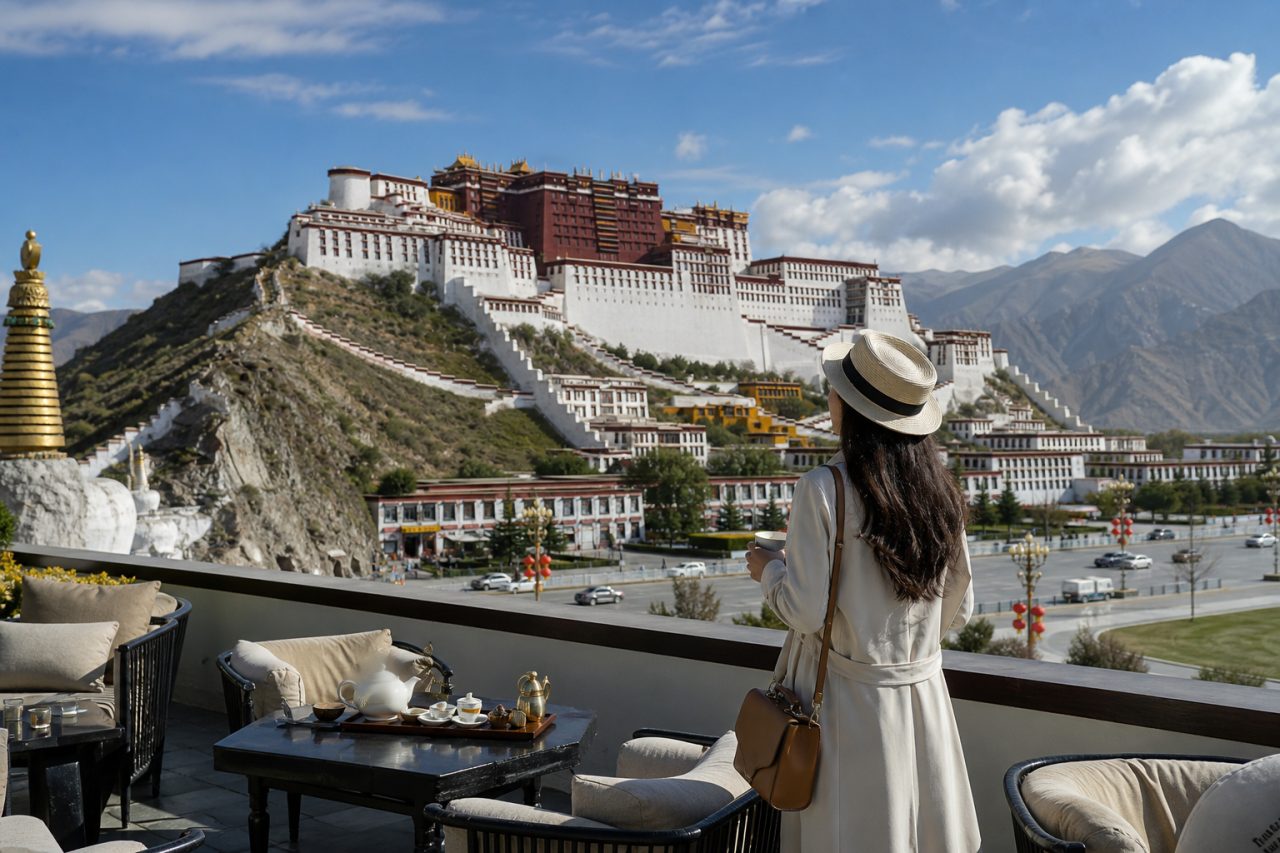
Tibet is a strong honeymoon choice for couples who want a rare trip with emotional space, not a schedule filled with nightlife, shopping, or polished urban luxury. A private guide, slower mornings, well-chosen viewpoints, and better hotels can make the experience feel intimate and calm in a way group tours usually cannot.
It is a weaker fit if your idea of a honeymoon depends on sea-level relaxation, spa-heavy resort time, or highly flexible independent movement. Foreign travelers in Tibet need pre-arranged travel logistics and permits, and route planning has to follow those rules. For permit planning, see Tibet Travel Permit Requirements for UK Passport Holders: What You Actually Need.
What luxury should mean in Tibet
A real luxury private Tibet honeymoon is not defined by a vague “VIP” label. It should mean a private vehicle, a guide who can adjust pace intelligently, strong hotel selection in the first days, airport or station coordination, and an itinerary that protects rest rather than chasing every landmark.
Hotel quality matters, but expectations should stay realistic. Lhasa has better upper-end accommodation than more remote areas, while outside major hubs the standard may be comfortable rather than ultra-luxury. That is normal for plateau travel and should be treated as a route design issue, not a disappointment discovered after booking.
Private transport also matters more than many couples expect. On a honeymoon, comfort often comes less from thread count and more from having space, a smooth transfer plan, flexible photo stops, and fewer rushed transitions between sites.
Choose the route by honeymoon style, not by attraction count
For most first-time honeymooners, the best route is a 6 to 8 day private trip centered on Lhasa with one or two scenic extensions. That usually gives enough time to acclimatize, enjoy the city properly, and add a major landscape day such as Yamdrok Lake without making the trip feel like a test of endurance.
If you want the gentlest option, choose a Lhasa-focused itinerary with premium hotel nights and limited driving in the first 48 hours. If you want more visual payoff, add a carefully paced scenic overland segment after acclimatization rather than on arrival.
Couples entering from Nepal need to decide that early because the document path differs from entry via mainland China. The route can be attractive for a broader honeymoon combining Kathmandu and Tibet, but it adds coordination. For that distinction, see Tibet Group Visa vs China Tourist Visa: What Foreign Travelers Need to Know and How American Tourists Apply for a Tibet Permit From Nepal.
Altitude is the comfort issue that luxury can improve, but not solve
Lhasa sits at about 3,650 meters or 11,975 feet, a height that can affect even fit travelers. The U.S. Centers for Disease Control and Prevention notes that acute altitude illness can begin above 2,500 meters and recommends gradual ascent, lighter activity at first, hydration, and attention to symptoms such as headache, nausea, dizziness, and poor sleep (CDC: Travel to High Altitudes).
Luxury helps by giving you quieter rooms, better rest, cleaner bathrooms, warmer interiors, and less physical strain from logistics. It does not make you altitude-proof. That is why the first planning priority is not room category alone, but a slower first two days with limited stairs, no long overland push on arrival, and time to adapt.
For a more detailed look at how hotel choice affects recovery without removing altitude risk, see How to Avoid Altitude Sickness in Lhasa: Luxury vs Budget Hotels.
A common honeymoon mistake is spending heavily on premium rooms while still overloading the itinerary. If comfort is your goal, pay first for pacing, then vehicle quality, then hotel standard, then scenic add-ons.
When to go for the best honeymoon balance
Weather and atmosphere shape the trip as much as hotel level. The China Meteorological Administration describes Tibet as a plateau climate with large day-night temperature differences and strong solar radiation, which is why even visually mild days can feel cold in mornings and evenings (China Meteorological Administration: Climate in Tibet).
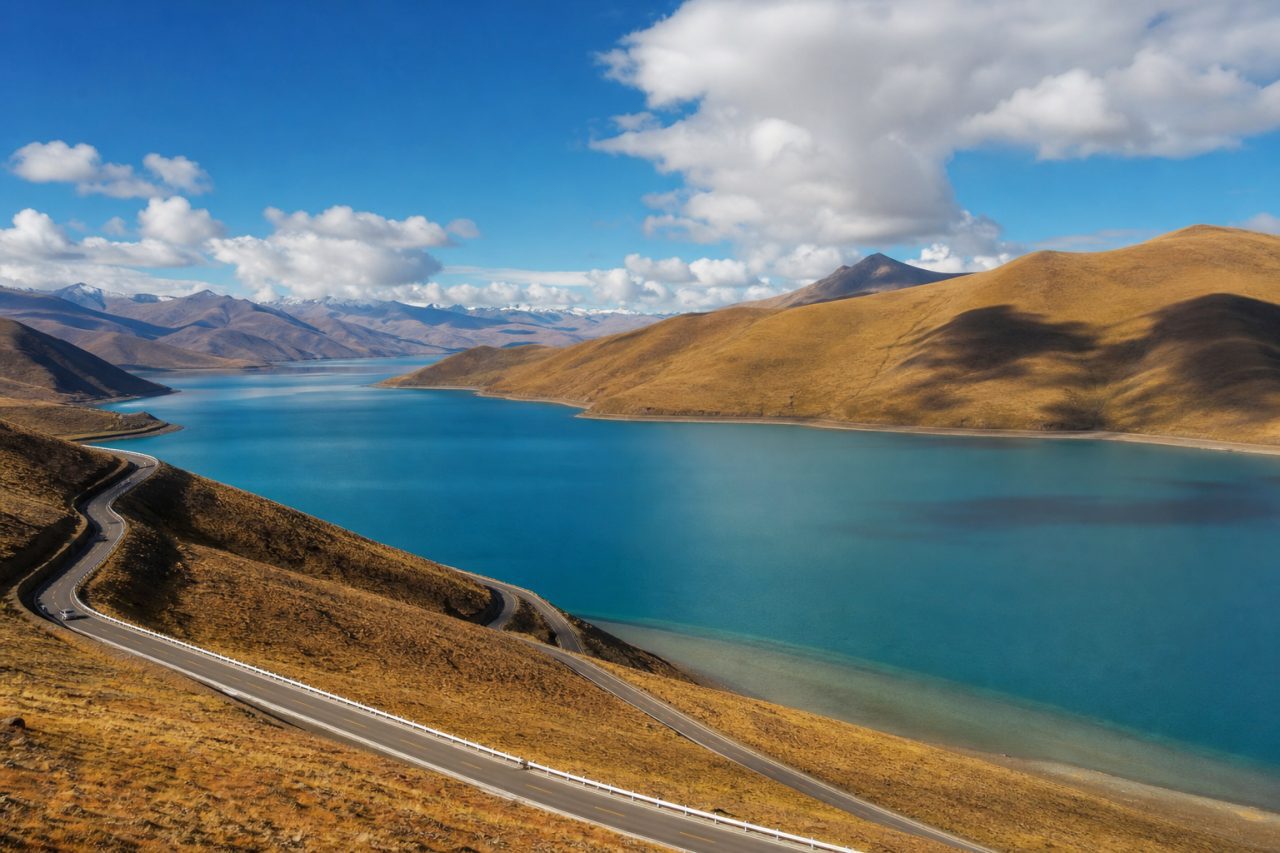
For many honeymooners, late spring and autumn offer the best balance of clearer views, stable touring conditions, and comfortable daytime sightseeing. Summer can be greener and lively, but weather variability may affect long scenic drives. Winter can feel peaceful and photogenic for the right couple, but only if you are deliberately choosing a quieter, colder trip rather than expecting classic warm-honeymoon energy.
Permit and booking sequence matters more than most couples expect
Foreign travelers cannot treat Tibet like a normal last-minute luxury destination. Entry documents, route approvals, and visa alignment affect when you should confirm flights and how you should structure the trip. The practical rule is simple: lock the document path before committing to nonrefundable arrangements.
This matters even more for honeymoon travel because date rigidity is higher. If you are connecting Tibet with mainland China or Nepal, the order of flights, permits, and visas needs to be checked before deposits are finalized. Readers comparing entry routes should start with the permit guidance above rather than with hotel browsing.
Who should book this trip, and who should choose another honeymoon
Choose a Tibet luxury private honeymoon if you want privacy, scenery, meaningful cultural moments, and a trip that feels distinct from standard luxury travel. It suits couples who are comfortable with some structure and who understand that exclusivity here comes from access, space, and pacing, not from a resort bubble.
Choose another destination if one partner is highly anxious about altitude, if you want a fully spontaneous trip, or if your honeymoon priority is effortless relaxation with minimal planning variables. Tibet can be deeply rewarding, but only when both travelers accept the trade-off between rare experience and operational complexity.
What to ask before you shortlist an itinerary
- How many nights are in Lhasa before any long overland section?
- What hotel category is actually available on each night of the route?
- What vehicle is used for airport transfers and longer drives?
- How are permit timing and visa route handled for your nationality and entry point?
- What happens if one traveler needs a slower acclimatization pace?
If the answers are clear and the first days are protected, Tibet can be an excellent honeymoon. The best version is rarely the longest or the most expensive. It is the one that respects altitude, protects energy, and gives the two of you enough room to actually enjoy where you are.
Service fit
Dynamic Trust & Reassurance Block
Use this article as a planning reference, not a final commitment
Service fit
For "Tibet Luxury Private Tours for Honeymooners: How to Plan the Right Trip", value depends on route complexity, hotel level, season, group size and how much private support you expect.
Decision support
Use this article to clarify which comfort level, flexibility and service scope fit your budget before requesting a proposal.
Before you commit
Before committing, confirm inclusions, exclusions, hotel standards, vehicle arrangements and guide support in the final quote.
Last reviewed: July 18, 2026
Start Custom PlanningPrivate trip planning
Need a Tibet plan that fits your comfort level?
Tell us your budget, hotel expectations and travel style. We can explain realistic private tour options before you commit.
Start Custom PlanningYou Might Also Like
Jul 22, 2026
Tibet with Kids: Family-Friendly Routes, Age Limits, and Comfort Planning
Planning Tibet w…
Jul 22, 2026
Tibet Travel Insurance Guide: What Policies Should Cover for Remote Trips
Choosing Tibet t…
Jul 21, 2026
2026 Lhasa Luxury Travel Itineraries: How to Choose the Right Private Tibet Trip
Compare 2026 Lha…
Common Questions
Questions Readers Usually Ask Next
These answers close the practical questions still left after this guide, so you can decide what to do next without another search.
Can a luxury Tibet tour prevent altitude sickness?
No. Better hotels, slower pacing, private transport, and stronger support can improve comfort and recovery, but they do not remove the effects of high altitude.
Is Tibet better for a honeymoon from mainland China or from Nepal?
It depends on your route and document preference. Mainland China and Nepal can involve different visa and permit paths, so couples should choose the entry route early before booking flights.
Who should choose a different honeymoon destination?
Couples who want resort-style relaxation, ultra-luxury hotel depth, or a very low-effort trip may be happier elsewhere. Tibet fits better when scenery, privacy, and a sense of shared adventure matter more than effortless indulgence.