
Tibet Travel in July and August: Rainy Season, Mudslides, and What to Plan For
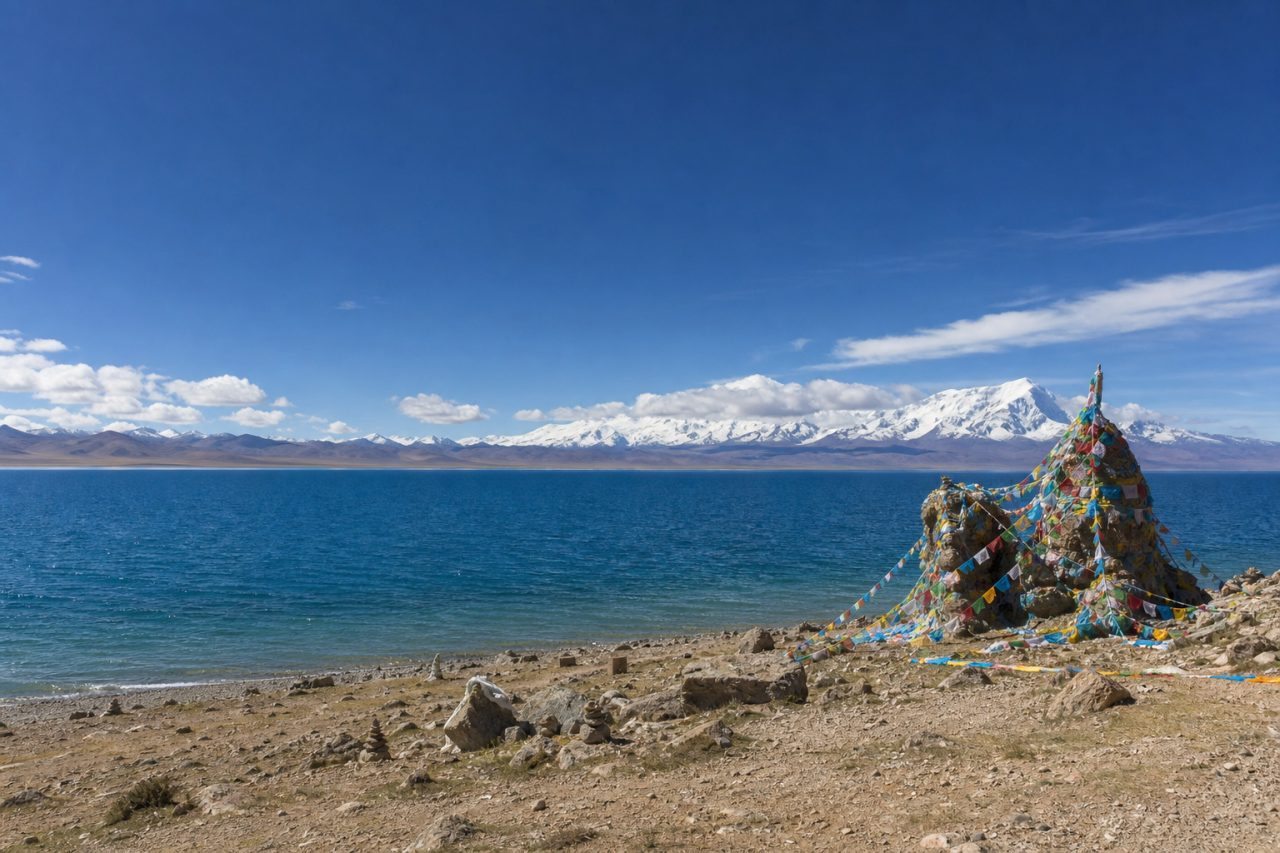
If your only travel window is July or August, Tibet is not automatically a bad idea. The real decision is whether you can accept some weather-related uncertainty and build your route around it. For most first-time foreign travelers, the practical answer is this: summer Tibet travel is still workable, but it is a better fit for flight-based itineraries centered on Lhasa and nearby highlights than for tightly timed overland routes that depend on long mountain-road transfers.
Rain does fall more often in these months, and mudslide or landslide risk matters most on exposed road sections rather than everywhere equally. Lhasa sits at about 3,650 meters, so altitude still deserves just as much attention as rain. The U.S. CDC altitude guidance explains that rapid ascent, poor acclimatization, and overexertion are major risk factors at high elevation, regardless of season (CDC Yellow Book: High-Altitude Travel and Altitude Illness).
Is July or August still worth it?
Yes, if you want summer travel dates, greener landscapes, and warmer daytime temperatures, and you can allow for delays. No, if your trip is rigid, short, and built around exact road timing with no buffer. That is the line that matters more than the word “rainy season.”
Average summer temperatures in Lhasa are still comfortable for sightseeing, with cooler mornings and evenings because of the altitude. For current monthly climate normals and forecasts, check the China Meteorological Administration weather service and the Lhasa forecast pages before departure (China Meteorological Administration Weather Service). Use those reports for short-term planning, not as a promise of stable road conditions across the whole region.
What rainy season actually changes
Rain in Tibet usually does not mean nonstop downpours all day in Lhasa. What it changes most is road reliability, mountain visibility, and transfer timing. A traveler who spends several nights in Lhasa and uses flights in and out may only experience wet streets, occasional cloud cover, and slower driving on day trips.
The bigger issue is that heavy rain can destabilize slopes on mountain roads. That creates the risk of mudslides, falling rocks, or temporary closures on some overland routes. These disruptions matter less for a relaxed itinerary and much more for a schedule that links permits, hotels, long drives, and outbound flights too tightly.
Which travel styles face the highest risk
The most vulnerable summer plans are long overland entries, ambitious multi-stop loops, and any itinerary with no recovery day before an international flight. A first-time traveler trying to cover Lhasa, Shigatse, Everest Base Camp, and multiple long drives in a few days is much more exposed to rainy-season problems than someone doing a simpler Lhasa-based trip.
Road condition updates can change quickly. Travelers should monitor transport notices from official Chinese transport channels when available, including the Ministry of Transport and local traffic or highway announcements for major disruptions (Ministry of Transport of the People’s Republic of China). In practice, this is one reason local operator coordination matters more in July and August than in drier months.
Lower-risk summer styles usually share three features: flight entry, fewer long road days, and at least one spare day. That does not remove weather risk, but it prevents a minor delay from breaking the whole trip.
How to plan a more reliable July or August itinerary
Start by simplifying the route. If this is your first Tibet trip, prioritize Lhasa and one or two nearby extensions instead of trying to cover every headline stop. A shorter route gives you better odds of actually enjoying the trip instead of spending it recovering from delays.
Next, protect the edges of the itinerary. Do not schedule your outbound international connection immediately after a long overland transfer. Add a buffer day before leaving Tibet if your plan includes remote road travel during the wettest part of summer.
Then treat altitude planning as non-negotiable. The NHS notes that altitude sickness can affect travelers above about 2,500 meters and is more likely when ascending too quickly (NHS: Altitude Sickness). A sensible first day in Lhasa, good hydration, and a moderate pace are still essential, even if the weather feels mild. For a deeper hotel and acclimatization strategy, see how to avoid altitude sickness in Lhasa.
Who should proceed, and who should choose another season
July and August can work well for travelers with fixed school-holiday dates, flexible expectations, and enough trip length to absorb a weather change. They can also suit visitors who prefer somewhat warmer daytime conditions and do not mind occasional clouds or wet roads.
Another season is usually smarter for travelers who hate uncertainty, have very limited leave, or need every transfer to run exactly on time. The same applies to groups with older relatives, very young children, or anyone who is already anxious about both altitude and road disruption. If you are traveling as a family, this guide to a Tibet family tour with toddlers covers altitude and packing issues that become more important in summer.
What to pack and prepare for
The right packing list is less about extreme cold and more about staying dry, layered, and steady on wet ground. Bring a waterproof outer layer, quick-dry base clothing, a warm mid-layer for evenings, shoes with grip, and dry bags or waterproof pouches for passports, phones, and batteries.
Do not overpack bulky winter gear if your itinerary is mostly Lhasa and standard summer sightseeing. The more common mistake is the opposite: travelers bring light city clothing but forget that damp evenings, altitude, and wind can make them feel cold quickly after sunset.
The one planning mistake to avoid
The biggest summer error is assuming that rain is just a comfort issue. In Tibet, summer weather becomes a route-design problem first. If you solve that with simpler routing, a buffer day, and realistic altitude pacing, July and August can still be good travel months.
Seasonality
Dynamic Trust & Reassurance Block
Use this article as a planning reference, not a final commitment
Seasonality
For "Tibet Travel in July and August: Rainy Season, Mudslides, and What to Plan For", the best choice can shift with season, weather, road access, scenery and crowd levels.
Decision support
Use this article to compare when the experience is likely to match your comfort expectations and visual priorities.
Before you commit
Before committing, confirm current road access, hotel availability, weather patterns and seasonal limits for your exact dates.
Last reviewed: July 18, 2026
Match Dates to RouteSeason-based planning
Want the right Tibet route for your season?
We can help match your travel month with realistic scenery, road access, comfort level and route choices.
Match Dates to RouteYou Might Also Like
Jul 22, 2026
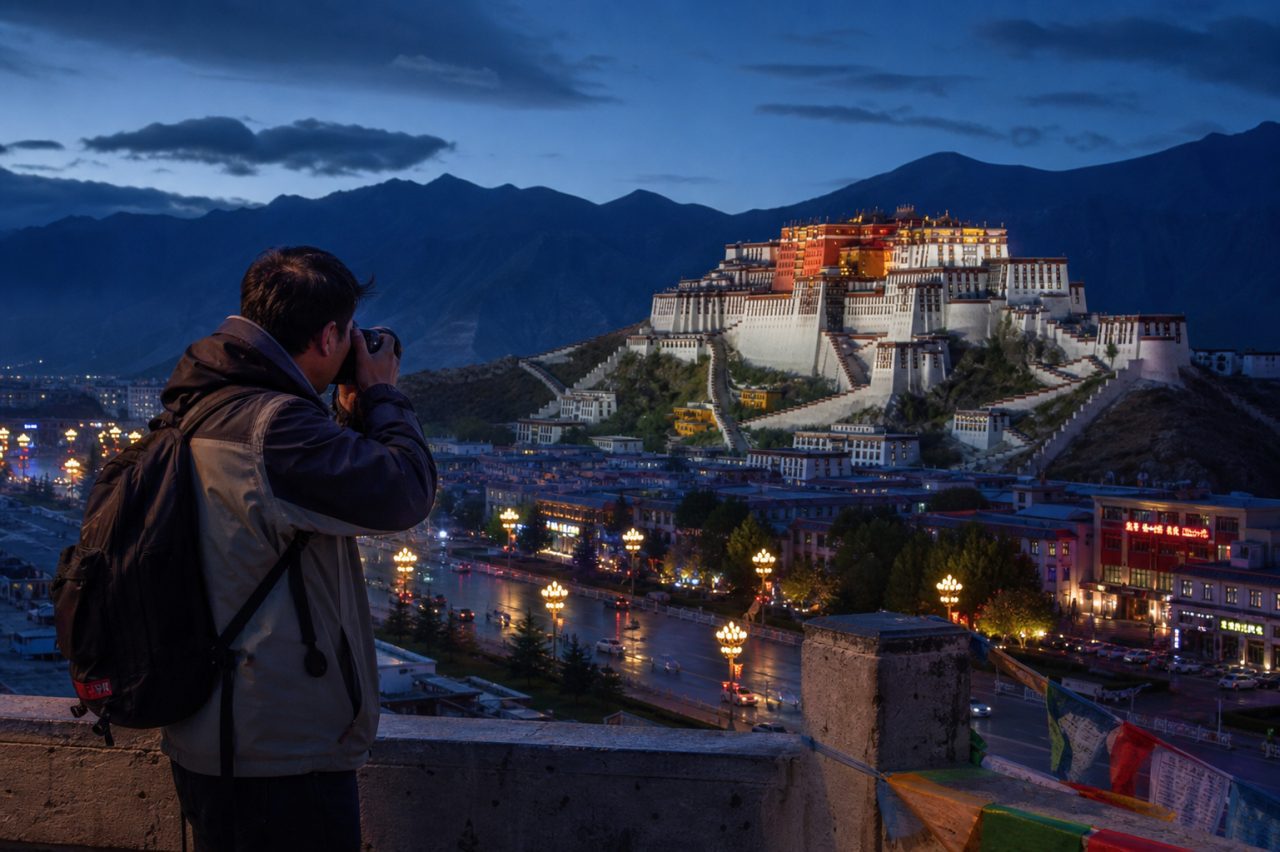
Tibet Photography Guide: Best Places, Camera Rules, and Drone Restrictions
Plan where to sh…
Jul 22, 2026
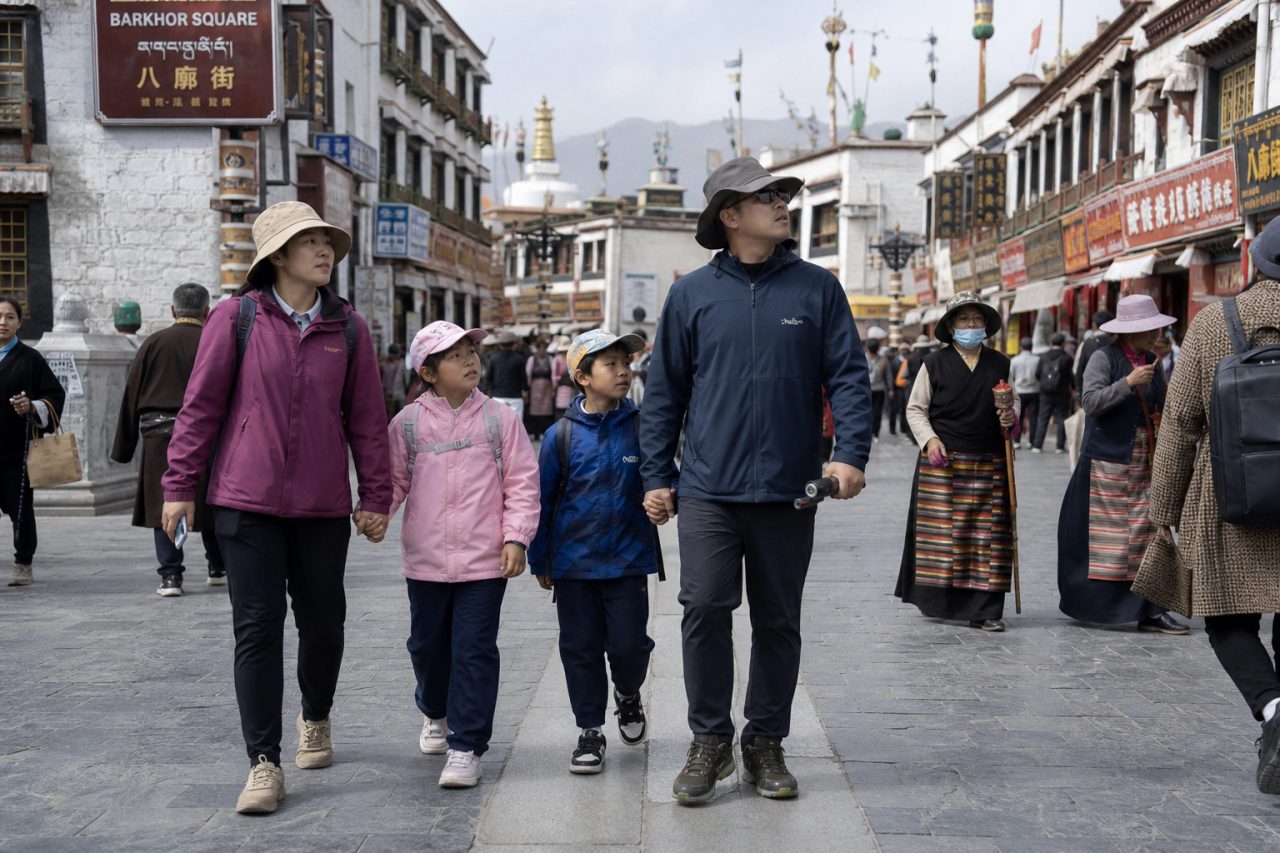
Tibet with Kids: Family-Friendly Routes, Age Limits, and Comfort Planning
Planning Tibet w…
Jul 22, 2026
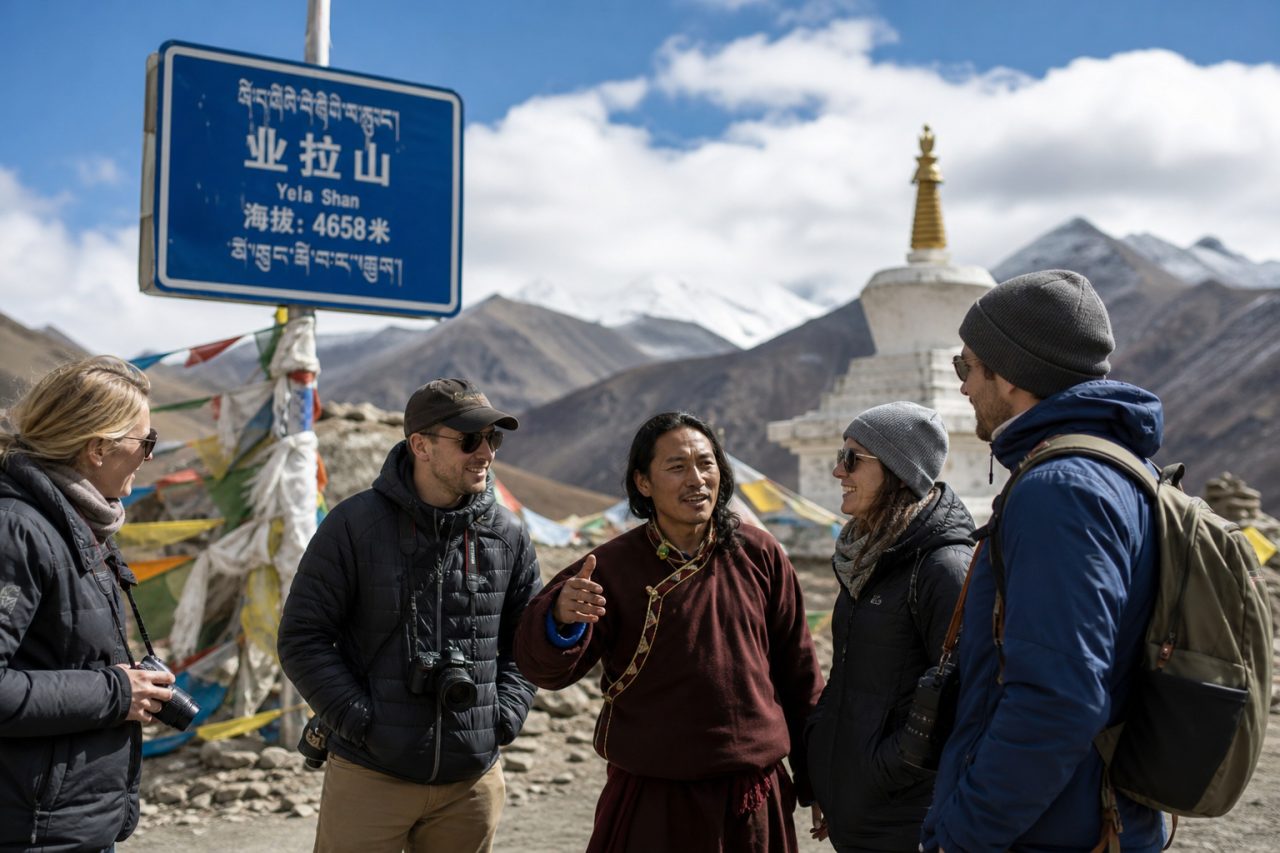
Tibet Travel Insurance Guide: What Policies Should Cover for Remote Trips
Choosing Tibet t…
Common Questions
Questions Readers Usually Ask Next
These answers close the practical questions still left after this guide, so you can decide what to do next without another search.
Are flights into Tibet safer than overland entry during July and August?
Usually more reliable for summer planning because they reduce exposure to long mountain-road sections where mudslides and washouts can cause delay cascades. They do not remove all weather risk, but they generally make a July or August itinerary easier to protect.
How many buffer days should I add for a July or August Tibet trip?
At least one buffer day is sensible for a short trip, and more is better if your route includes multiple road-transfer days or fixed onward flights. The tighter the itinerary, the more disruptive even a single delay becomes.
Should families with children or older travelers avoid Tibet in rainy season?
Not always, but these groups usually do better with simpler, Lhasa-centered itineraries, slower pacing, and less dependence on long overland road segments. If the group has very low tolerance for uncertainty, another season is often the better fit.
Does a private vehicle remove mudslide risk?
No. It can improve flexibility and comfort if plans need adjustment, but it does not eliminate road closures, unsafe conditions, or official transport restrictions.