
Tibet Train Classes Explained: Soft Sleeper vs Hard Sleeper vs Flying to Lhasa
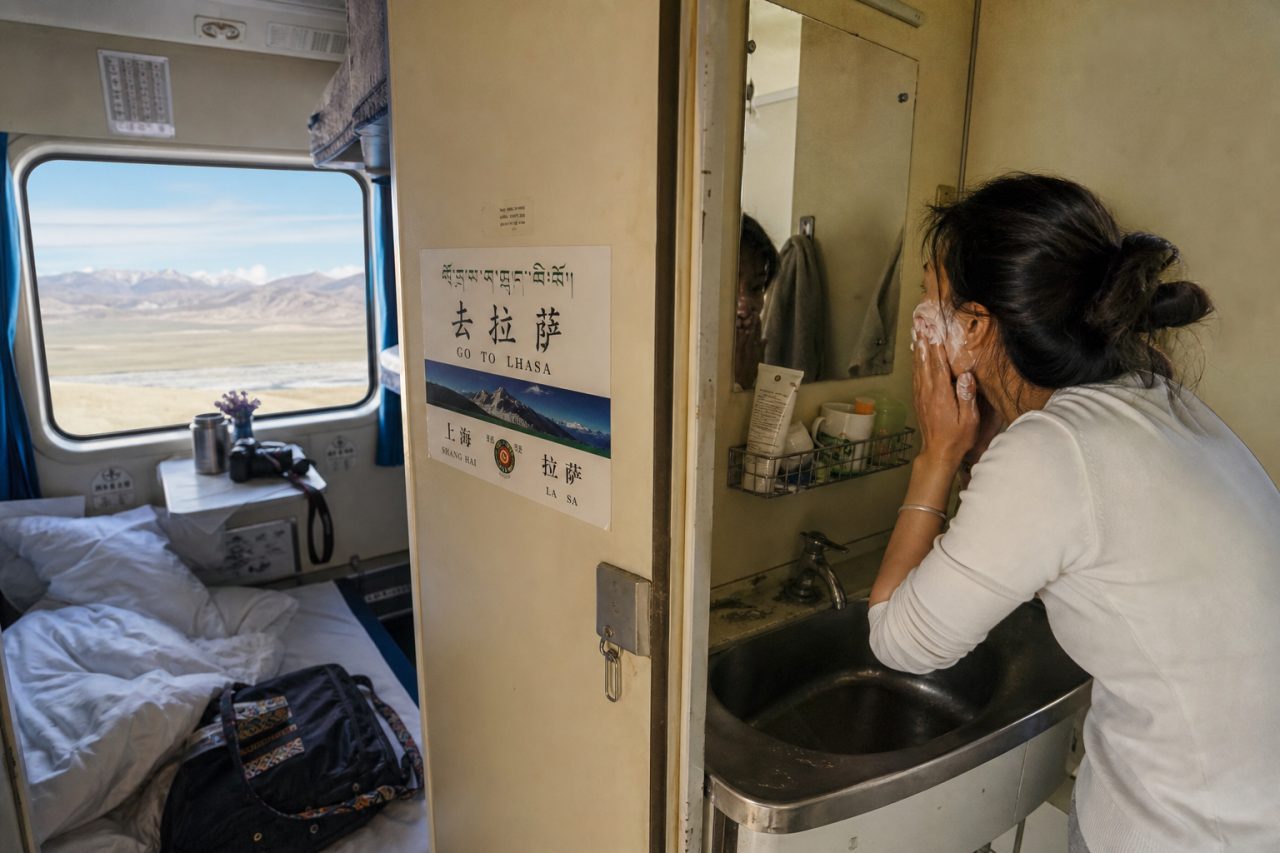
If you are choosing how to enter Lhasa, the practical answer is this: soft sleeper is usually the best balance for first-time international travelers, hard sleeper works mainly for tighter budgets and shorter or more flexible train journeys, and flying is the better choice when time matters more than gradual arrival. That is the real decision, not just train class definitions.
The reason this choice matters is that your entry method affects your first 24 to 48 hours in Tibet. Sleep quality, fatigue, schedule pressure, and how abruptly you arrive at altitude can shape the start of the trip. Lhasa sits at about 3,650 meters, according to Encyclopaedia Britannica, “Lhasa,” https://www.britannica.com/place/Lhasa, so even a good itinerary starts with altitude-aware pacing.
For most travelers, the question is not “train or plane” in the abstract. It is whether paying more for comfort now helps you arrive in better condition, or whether saving time is more important than a gradual overland approach.
Soft Sleeper vs Hard Sleeper vs Flying: The Fastest Real Answer
| Option | Best For | Main Strength | Main Weakness |
|---|---|---|---|
| Soft sleeper | First-time visitors, couples, older travelers, light sleepers | Better rest, more privacy, less fatigue | Higher ticket cost, limited availability |
| Hard sleeper | Budget travelers, backpackers, people comfortable with basic overnight trains | Lower cost, still far better than a seat | Less privacy, noisier, harder sleep on long routes |
| Flight | Short trips, limited annual leave, travelers starting from far away Chinese cities | Saves major time | More abrupt altitude transition, less scenic overland experience |
The verdict for most readers is simple. If your route to Tibet involves a long rail journey and you can afford the difference, soft sleeper is usually worth it. If your schedule is tight, flying is often the smarter choice, provided you keep your first day in Lhasa light.
What Actually Changes Between Soft Sleeper and Hard Sleeper on a Tibet-Bound Train
The biggest difference is not luxury. It is how well you will sleep and how worn out you feel when you arrive. On a Tibet-bound journey, that matters more than people expect, because poor sleep and dehydration can make the first day at altitude feel harder.
Soft sleeper cabins are generally more enclosed and private, usually with fewer berths per compartment than hard sleeper. Hard sleeper is still a bed, not a seat, so it is a reasonable budget option, but the environment is more open and busy. That means more light, more movement, and more interruptions over a long trip.
A first-time traveler who has done basic overnight trains elsewhere may still underestimate Tibet routes. The issue is not whether hard sleeper is “possible.” It is whether you want to start Lhasa tired, stiff, and underslept after a long approach.
When the Train Is Better Than Flying to Lhasa
The train is usually the better choice when the journey itself is part of the trip and when you want a gentler transition into Tibet. The U.S. Centers for Disease Control and Prevention notes that risk of altitude illness rises with rapid ascent and sleeping at high elevation, and recommends ascending gradually when possible; see CDC Yellow Book, “High-Altitude Travel and Altitude Illness,” https://www.cdc.gov/yellow-book/hcp/environmental-hazards-risks/high-altitude-travel-and-altitude-illness.html.
That does not mean the train prevents altitude symptoms. It means the pace of arrival may feel easier for some travelers than landing directly in Lhasa. You should still plan a slow first day, drink regularly, avoid heavy exertion, and take altitude concerns seriously whichever entry method you choose.
The train is also better when you have enough time in your itinerary. If you are turning the Tibet entry into part of the travel experience, soft sleeper makes the trip much more sustainable. That is especially true for couples, travelers over 50, and anyone who already knows poor sleep affects them badly.
When Flying to Lhasa Is the Better Choice
Flying is the better choice when your available trip length is short. Losing one or two extra days to rail travel can be a poor trade if you only have a week or less for the whole Tibet trip.
It is also the better choice when your starting city is already far from the main Tibet rail routes, or when train tickets in the class you want are hard to secure. In those cases, chasing the “ideal” train experience can create more planning friction than value.
The common mistake is assuming flying is automatically the wrong choice for first-time visitors. It is not. It is the right choice when time savings clearly outweigh the comfort and scenery benefits of the train. You just need to protect the first day in Lhasa more carefully by doing less, eating lightly, and sleeping early. For hotel-related acclimatization planning, this guide is useful: How to Avoid Altitude Sickness in Lhasa: Luxury vs Budget Hotels.
Which Option Fits Your Travel Style, Budget, and Altitude Concerns
Choose soft sleeper if: this is your first Tibet trip, you value sleep, you are traveling as a couple or with family, or your train journey is long enough that fatigue will affect arrival. This is usually the most practical middle ground.
Choose hard sleeper if: budget matters more than privacy, you tolerate basic overnight travel well, and you accept that the last part of the journey may feel tiring. Hard sleeper is not a bad choice; it is just a choice that asks more from your body and patience.
Choose a flight if: your schedule is tight, Tibet is one part of a larger China trip, or the extra train time would force you to cut important days from the actual Tibet itinerary. For many working travelers, that is the deciding factor.
If you are traveling with children, the comfort calculation shifts quickly toward soft sleeper or flying. Families usually get less value from “saving money” if poor rest makes the first days harder. This related guide may help: Tibet Family Tour With Toddlers: Altitude Safety and Packing Checklist.
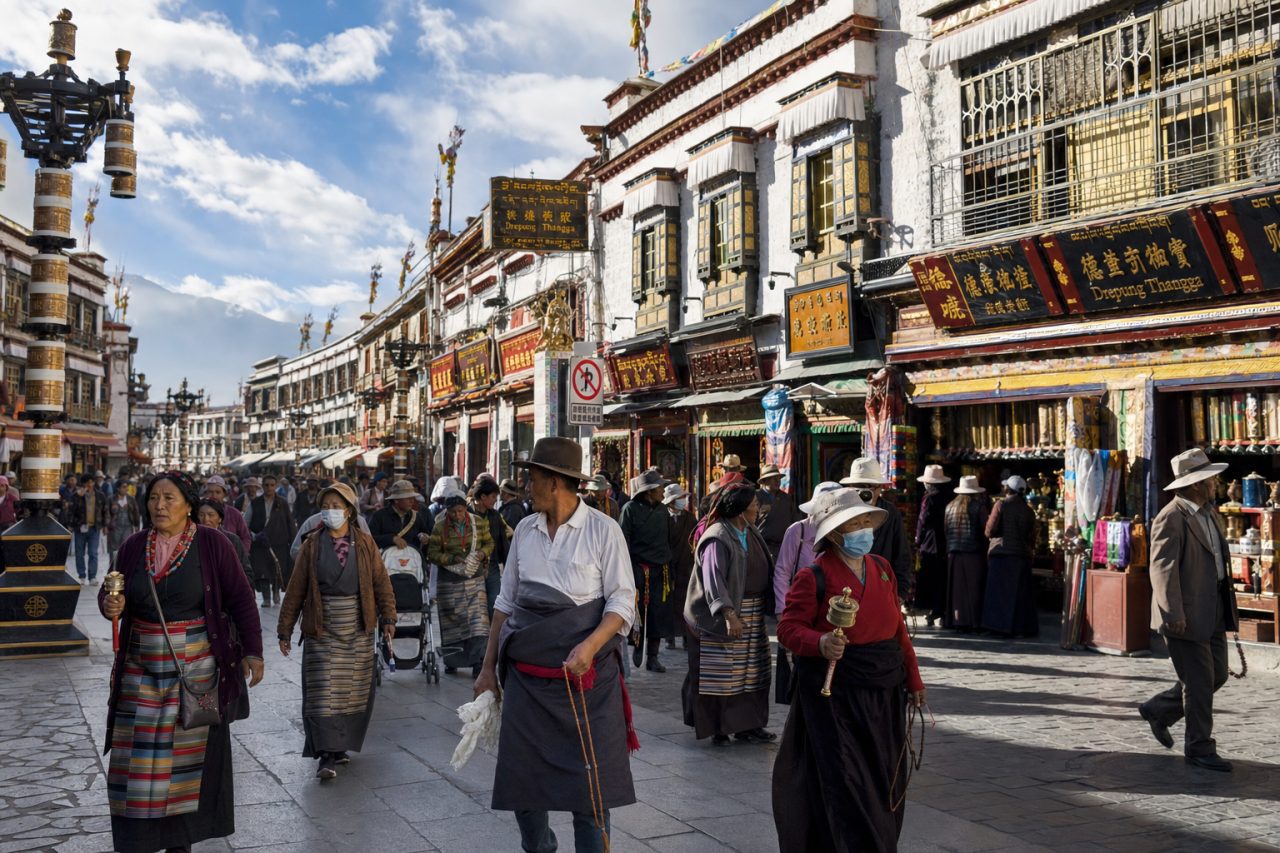
Common Mistakes First-Time Tibet Travelers Make When Choosing Their Entry Option
Mistake 1: Choosing hard sleeper on price alone. The hidden cost is not just comfort. It is arriving more fatigued, which can reduce the value of your first sightseeing day in Lhasa.
Mistake 2: Assuming the train solves altitude issues. Gradual travel can help with pacing, but no entry method removes the need for acclimatization. The CDC guidance above still applies after a train arrival.
Mistake 3: Choosing the train without checking how it affects the rest of the itinerary. A scenic approach is not always worth it if it shortens your time at key Tibet stops.
Mistake 4: Treating transport choice separately from permit planning. International travelers often need Tibet entry arrangements lined up before finalizing routes. If you are entering via Nepal or comparing visa setups, read How American Tourists Apply for a Tibet Permit From Nepal and Tibet Group Visa vs China Tourist Visa: What Foreign Travelers Need to Know.
Route suitability
Dynamic Trust & Reassurance Block
Use this article as a planning reference, not a final commitment
Route suitability
For "Tibet Train Classes Explained: Soft Sleeper vs Hard Sleeper vs Flying to Lhasa", the right route depends on available days, altitude comfort, transport preference and the experience you want to prioritize.
Decision support
Use this article to compare route trade-offs, pacing and must-confirm logistics before choosing a final itinerary.
Before you commit
Before committing, confirm permit feasibility, road access, hotel availability, physical difficulty and your preferred travel pace.
Last reviewed: July 20, 2026
Design Your RouteRoute design support
Need help turning this route idea into a real plan?
We can help adjust the itinerary around your dates, pace, altitude comfort, permit needs and must-see places.
Design Your RouteYou Might Also Like
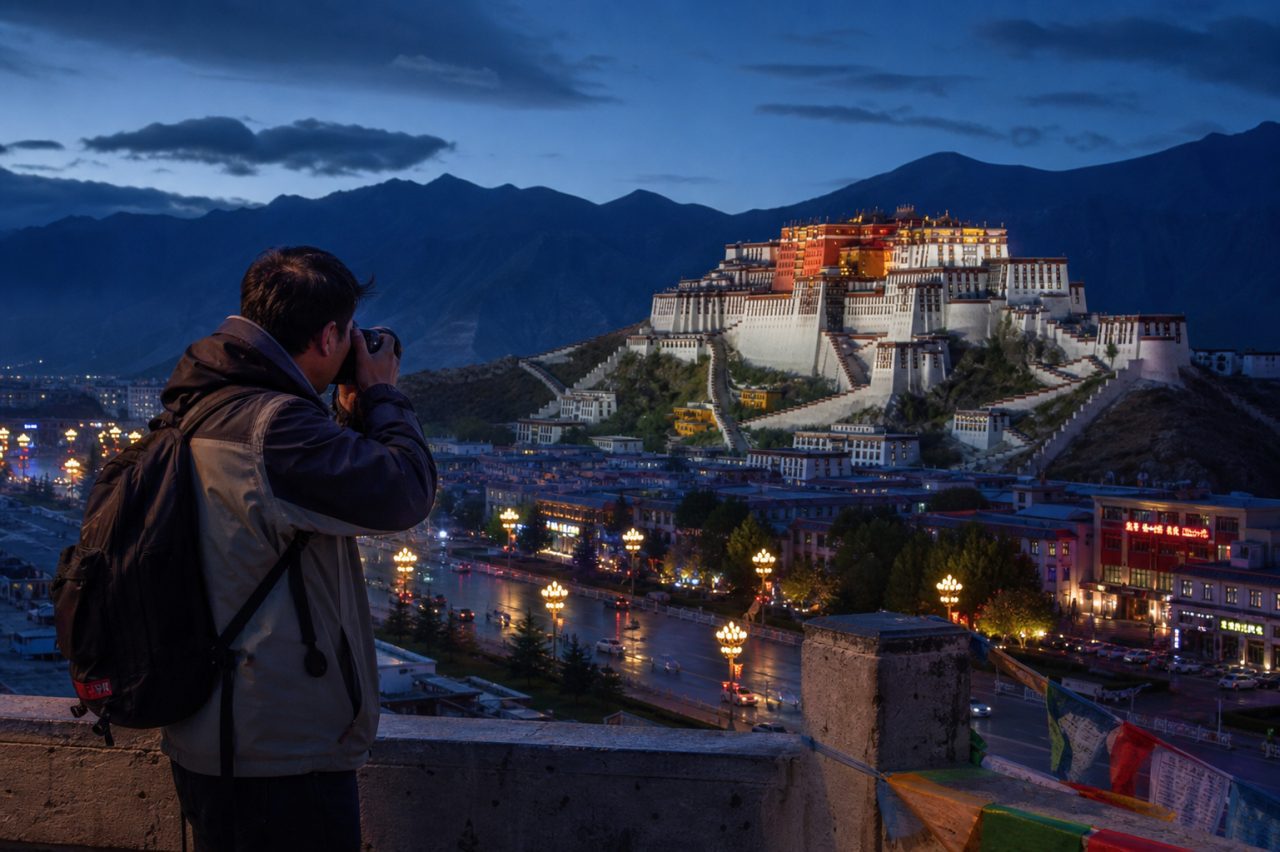
Jul 22, 2026
Tibet Photography Guide: Best Places, Camera Rules, and Drone Restrictions
Plan where to sh…
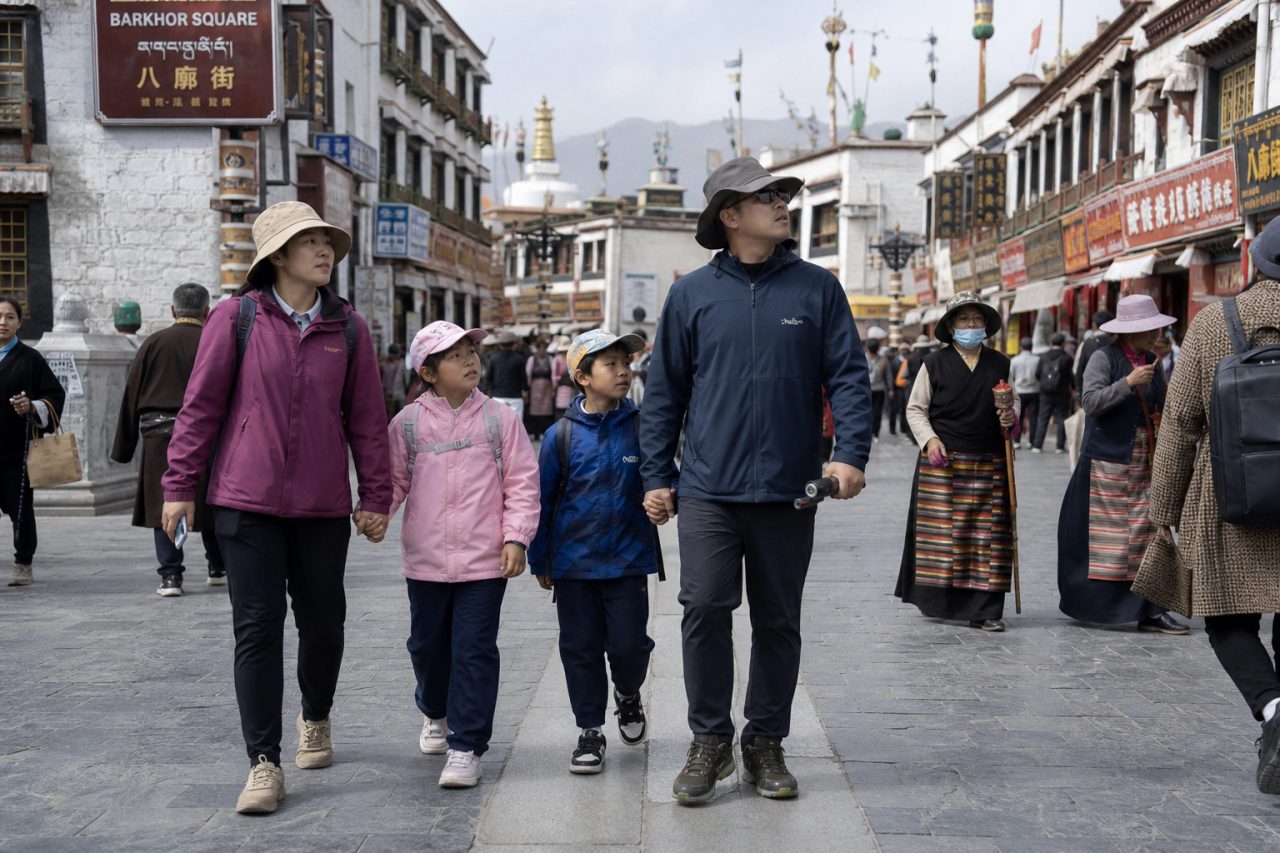
Jul 22, 2026
Tibet with Kids: Family-Friendly Routes, Age Limits, and Comfort Planning
Planning Tibet w…

Jul 22, 2026
Tibet Travel Insurance Guide: What Policies Should Cover for Remote Trips
Choosing Tibet t…
Common Questions
Questions Readers Usually Ask Next
These answers close the practical questions still left after this guide, so you can decide what to do next without another search.
Is soft sleeper worth paying for on every Tibet train route, or mainly on the longer ones?
Soft sleeper is usually most worth paying for on longer Tibet-bound train routes, where better sleep, more privacy, and less fatigue can noticeably improve how you feel on arrival. On shorter or more flexible journeys, hard sleeper may be acceptable if budget matters more than comfort.
Does taking the train to Lhasa prevent altitude sickness compared with flying?
No. Taking the train may make the arrival feel more gradual for some travelers, but it does not guarantee that altitude symptoms will not happen. You should still plan a light first day in Lhasa, hydrate, rest well, and keep expectations realistic regardless of how you arrive.
Who is most likely to regret choosing hard sleeper?
Hard sleeper is most likely to be regretted by first-time international travelers on long routes, light sleepers, older travelers, families with young children, and anyone who already knows poor sleep affects them badly. The lower price can stop looking cheap if you arrive exhausted.
Is flying to Lhasa a mistake for a short Tibet trip?
Usually no. For shorter Tibet trips, flying is often the smarter option because it saves substantial travel time. The trade-off is that you should treat the first day in Lhasa more carefully, keep activity light, and avoid assuming speed comes with no adjustment cost.