
Tibet Festival Calendar for Travelers: Which Tibetan Festivals Are Worth Planning a Trip Around?
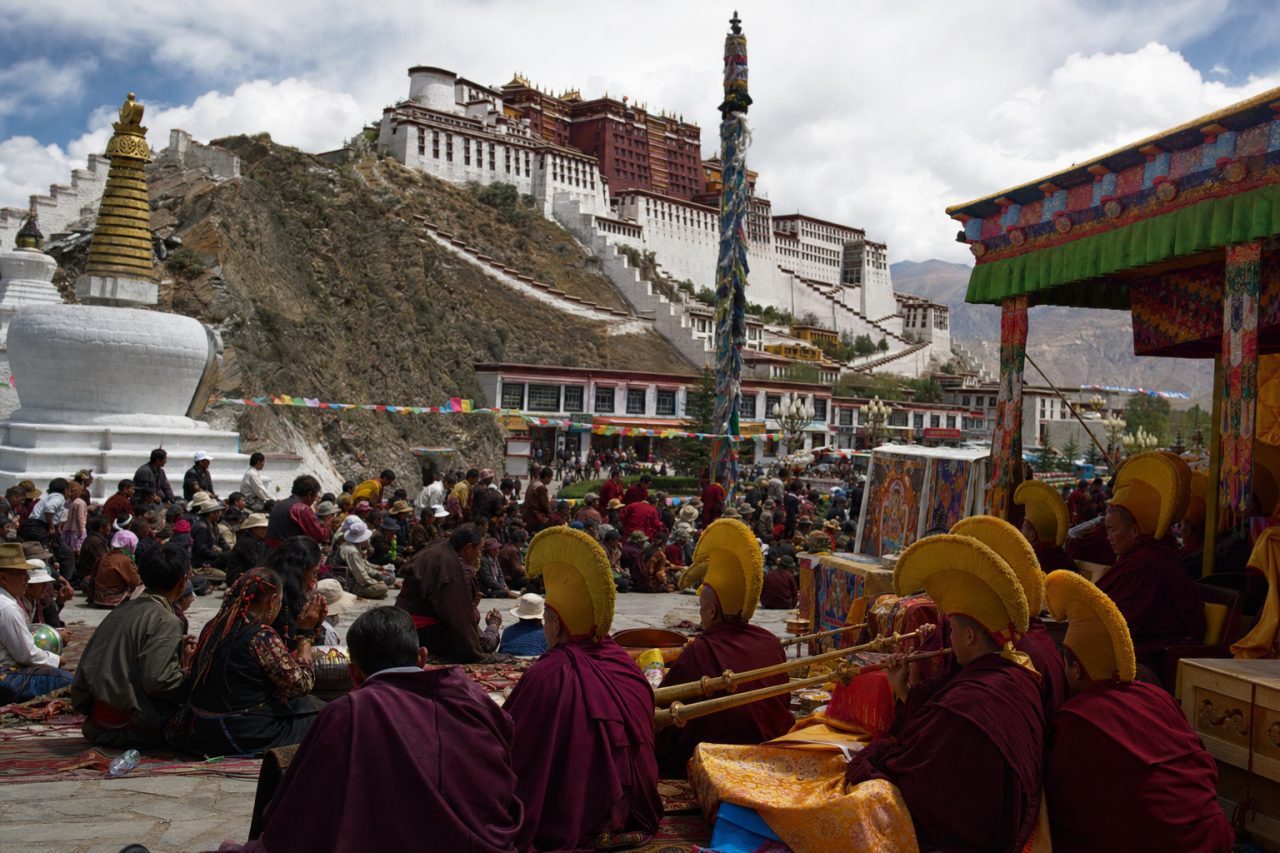
Which Tibetan festivals are actually worth planning a trip around?
If you are choosing travel dates mainly to experience Tibetan culture, only a few festivals usually justify shaping the whole trip around them. For most foreign travelers, the strongest choices are Losar for atmosphere and local celebration, Saga Dawa for religious devotion and pilgrimage energy, and Shoton for a first-time-friendly mix of festival activity and sightseeing in Lhasa.
The key decision is not which festival is most famous. It is which kind of experience you want, how much crowding and schedule rigidity you can accept, and whether you want a Lhasa-focused trip or a wider Tibet route. Exact annual dates can shift because Tibetan festivals follow the Tibetan lunar calendar, so timing should always be reconfirmed before booking. For cultural background on the Tibetan calendar and major observances, Encyclopaedia Britannica provides a useful overview of Tibetan Buddhism and its ritual calendar: https://www.britannica.com/topic/Tibetan-Buddhism.
How to choose the right festival for your travel style
Choosing the right festival depends on what you want the trip to feel like. Some travelers want monastery ceremonies and strong devotional energy. Others want something easier to interpret, easier to combine with landmark sightseeing, and less likely to make the trip feel entirely date-driven.
A simple rule works well. Choose Losar if you want a major cultural holiday atmosphere, Saga Dawa if spiritual observation matters more than convenience, and Shoton if this is your first Tibet trip and you want festival energy without giving up a practical Lhasa itinerary.
Losar: best for travelers who want a true holiday atmosphere
Losar is Tibetan New Year, and it is one of the most meaningful periods in the Tibetan calendar. Britannica notes that Losar is the Tibetan New Year festival and an important seasonal religious and social observance: https://www.britannica.com/topic/Losar.
For travelers, Losar is worth planning around if you care about seeing Tibet during a major local celebration rather than just checking off famous sites. The appeal is the atmosphere: festive streets, family-centered customs, monastery activity, and a stronger sense that the city is living its own calendar rather than performing for tourism.
It is not the easiest choice for every visitor. Holiday timing can make services less predictable, some logistics may need earlier confirmation, and the experience is better for travelers who are comfortable with a trip that feels more seasonal and less flexible. Many first-time visitors still enjoy it, but it suits culturally curious travelers more than travelers who want a smooth, highly structured sightseeing schedule.
Saga Dawa: best for pilgrims, spiritual travelers, and observers of devotion
Saga Dawa is the festival most likely to feel powerful for travelers who want to witness living religious practice. It marks the birth, enlightenment, and parinirvana of the Buddha in Tibetan Buddhist tradition; the Office of Tibet describes Saga Dawa as one of the holiest periods in the Tibetan calendar: https://tibet.net/. Because local observance timing can vary by region and calendar calculation, the exact travel window should be reconfirmed for the year of travel before deposits are finalized.
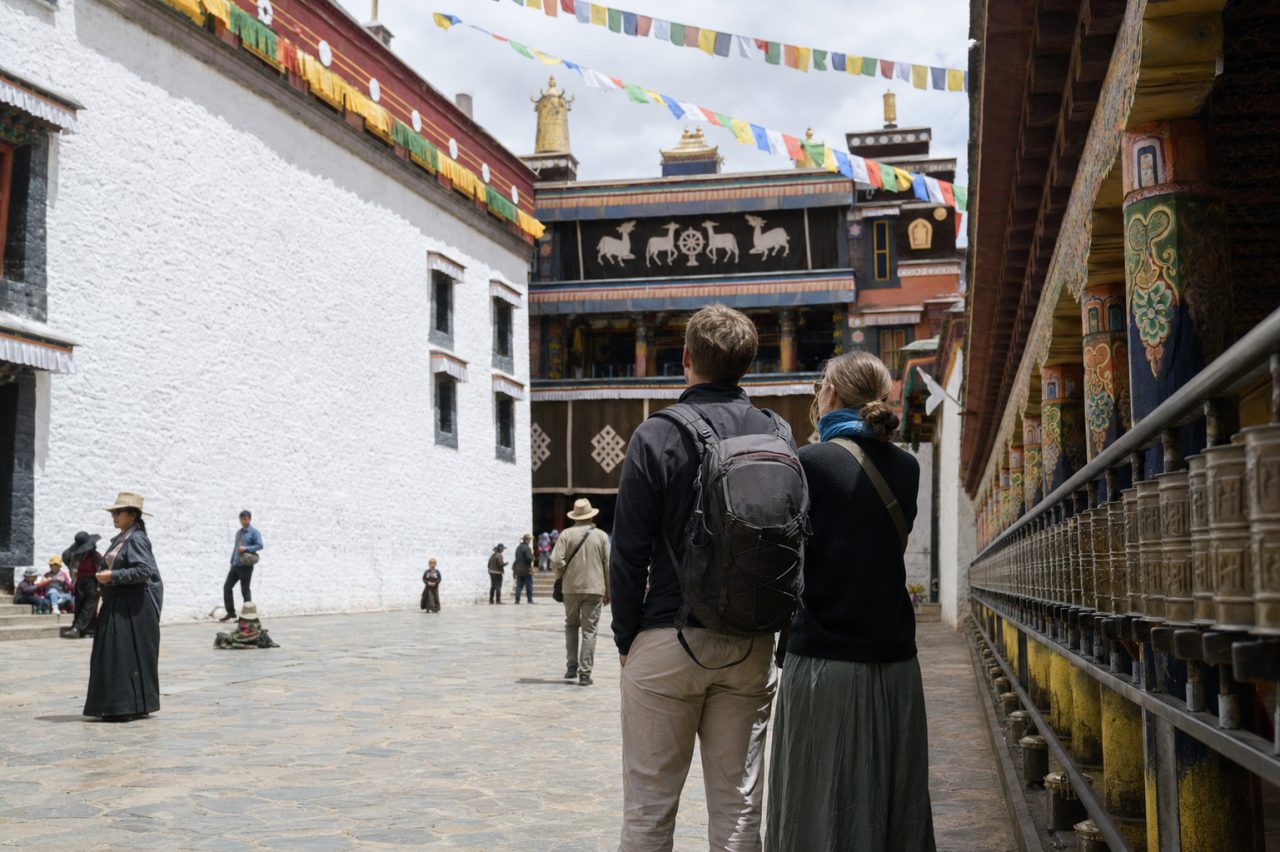
This is often the most meaningful festival for people who want to watch pilgrims, kora circuits, offerings, and public acts of merit rather than staged celebration. In Lhasa, the Barkhor area can feel especially charged during this period. For a spiritually motivated traveler, that can be the trip-defining reason to go.
It is less suitable if your main goal is easy sightseeing with light crowds. Saga Dawa can make the trip feel more devotional and less relaxed, and travelers who are mainly seeking clean sightseeing flow may prefer another season. If you are considering a pilgrimage-focused route beyond Lhasa, a Mount Kailash Tour may fit that intention better than a standard city-based itinerary.
Shoton: the best choice for many first-time Tibet travelers
If you want one recommendation for the broadest range of travelers, Shoton is often the most practical answer. It is widely known for monastery events and the giant thangka display associated with Drepung Monastery, while also connecting well with a classic Lhasa sightseeing plan. For general cultural context on Shoton, China Daily has described its role as a major traditional festival in Tibet: https://www.chinadaily.com.cn/. Annual event scheduling should still be checked against current local notices before locking dates.
Shoton works especially well for first-time visitors because it combines visible festival activity with recognizable sightseeing anchors such as the Potala Palace, Jokhang Temple, and the Barkhor circuit. You do not need deep religious knowledge to appreciate it, and you do not need to build an unusually complex route around it.
This is also the easiest festival to pair with a shorter city-based trip. Travelers who want a balanced introduction often do best with a Lhasa Tour timed around Shoton rather than trying to chase a more demanding festival window.
When festival timing improves a Tibet trip and when it makes travel harder
Festival timing improves a trip when the event matches your main reason for going. If your goal is cultural immersion, being there during a major observance can make Tibet feel far more textured than an ordinary sightseeing week. If your goal is simple route efficiency, comfortable pacing, and maximum flexibility, a festival period may add pressure rather than value.
Crowding is the main trade-off. Important festivals can draw more pilgrims and domestic travelers, which changes the rhythm of public spaces and can make some days feel less flexible. That does not automatically make festival travel a bad idea. It simply means you should choose it because you want the festival itself, not because you assume every major date is automatically the best time to visit.
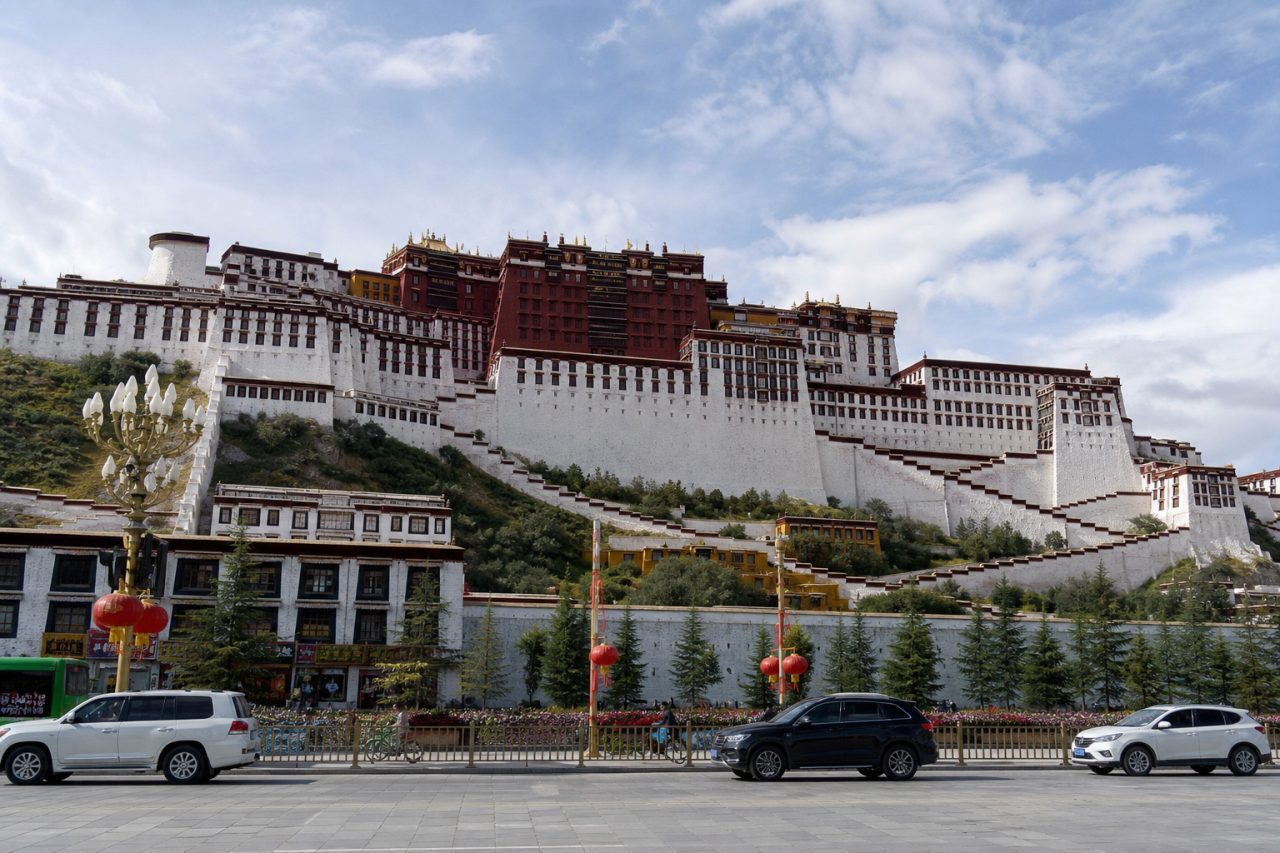
Altitude is another planning factor, even though it is not festival-specific. Lhasa sits at about 3,650 meters, according to Encyclopaedia Britannica: https://www.britannica.com/place/Lhasa. That matters because a festival-centered itinerary can tempt travelers to pack too much into the first days. A better plan is to preserve acclimatization time and treat festival viewing as an experience to pace, not rush.
Common mistakes travelers make when choosing festival dates
The most common mistake is choosing a festival by name alone. A famous festival may be historically important but still be a poor fit if you dislike crowds, want flexible dates, or prefer a wider overland route with fewer fixed commitments.
The second mistake is treating lunar-calendar timing as fixed too early. Festival dates should be confirmed close enough to booking that your route and permit planning can be aligned realistically. If your trip also involves broader permit questions or nationality-specific rules, check the planning implications early, especially if you are traveling on a stricter schedule. For some travelers, guides on route and permit expectations such as Are Tibet Tour Guides Mandatory for Canadian Citizens? Rules, Permits, and What to Expect or Tibet Travel Restrictions for Malaysian and Singaporean Tourists can help clarify the next step.
The third mistake is overbuilding the trip around one event. A festival should improve the trip, not turn the entire journey into a stressful timing exercise. In practice, the best plans usually keep the festival as a highlight within a sensible Lhasa or custom route, not as the only reason the trip works.
When a custom itinerary makes more sense than a festival-first trip
If your dates are limited, your group includes older family members, or you want to balance culture with comfort, a fully festival-centered plan may not be the best fit. Travelers with elderly parents often prefer a route where the festival is included if timing works, but the itinerary still protects rest time, acclimatization, and manageable day structure.
A custom plan also makes more sense when your interests are specific. You may want a short Lhasa stay around Shoton, or a more devotional route built around Saga Dawa and pilgrimage sites. In those cases, a Custom Tibet Tour is usually more useful than forcing a standard itinerary to match one festival date.
The practical recommendation
For most first-time travelers, Shoton is the safest festival to plan around because it gives you visible culture, manageable structure, and a strong fit with classic Lhasa sightseeing. Choose Losar if you want a real holiday atmosphere and are comfortable with a more seasonal, less predictable trip rhythm. Choose Saga Dawa if religious devotion is the point of the journey and you want to witness Tibetan Buddhism in public life rather than simply visit monuments.
If none of those descriptions fits you clearly, do not force a festival-centered trip. A normal Tibet itinerary can still deliver monasteries, Barkhor life, mountain landscapes, and meaningful cultural contact without the extra rigidity of a major festival window. The right choice is the one that improves your actual experience, not the one that sounds most important on paper.
Route suitability
Dynamic Trust & Reassurance Block
Use this article as a planning reference, not a final commitment
Route suitability
For "Tibet Festival Calendar for Travelers: Which Tibetan Festivals Are Worth Planning a Tr", the right route depends on available days, altitude comfort, transport preference and the experience you want to prioritize.
Decision support
Use this article to compare route trade-offs, pacing and must-confirm logistics before choosing a final itinerary.
Before you commit
Before committing, confirm permit feasibility, road access, hotel availability, physical difficulty and your preferred travel pace.
Last reviewed: July 19, 2026
Design Your RouteRoute design support
Need help turning this route idea into a real plan?
We can help adjust the itinerary around your dates, pace, altitude comfort, permit needs and must-see places.
Design Your RouteYou Might Also Like
Jul 22, 2026
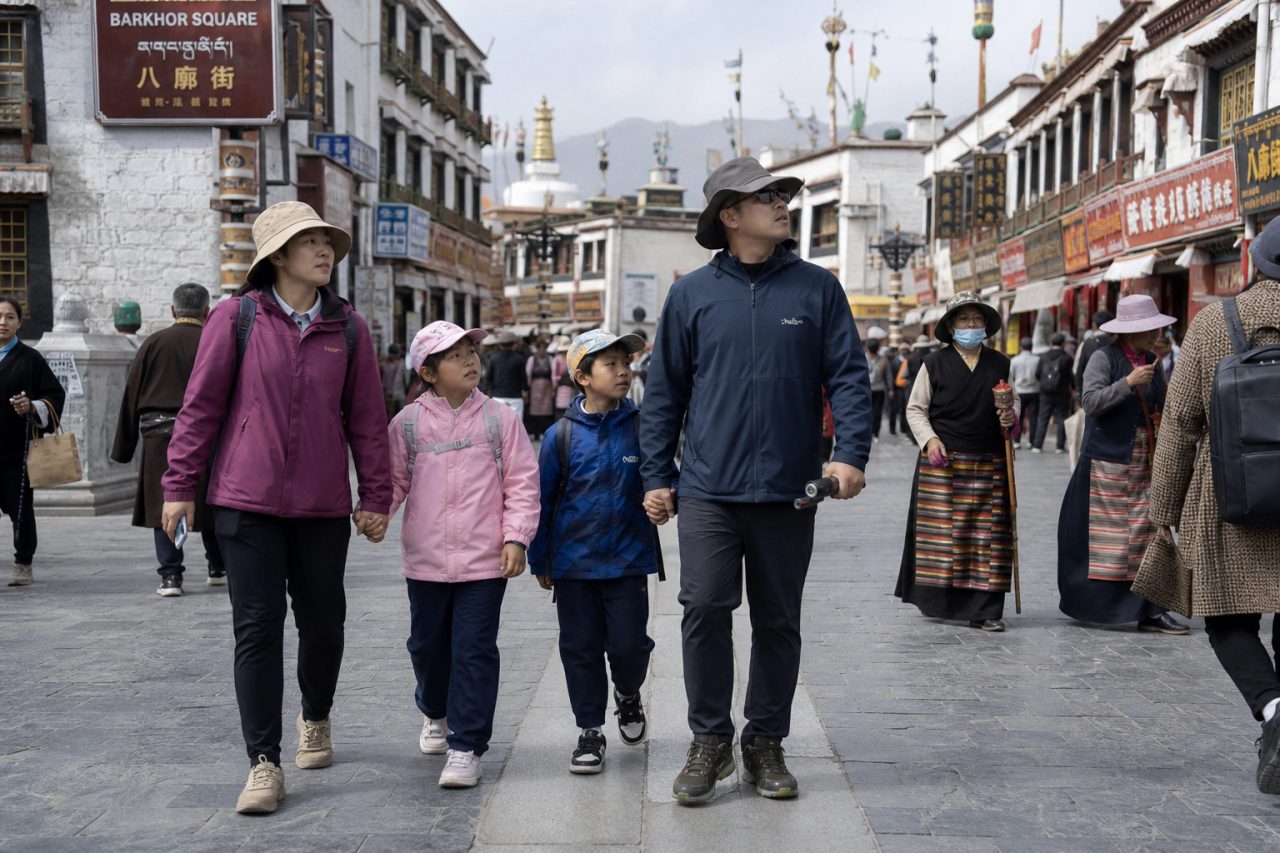
Tibet with Kids: Family-Friendly Routes, Age Limits, and Comfort Planning
Planning Tibet w…
Jul 22, 2026
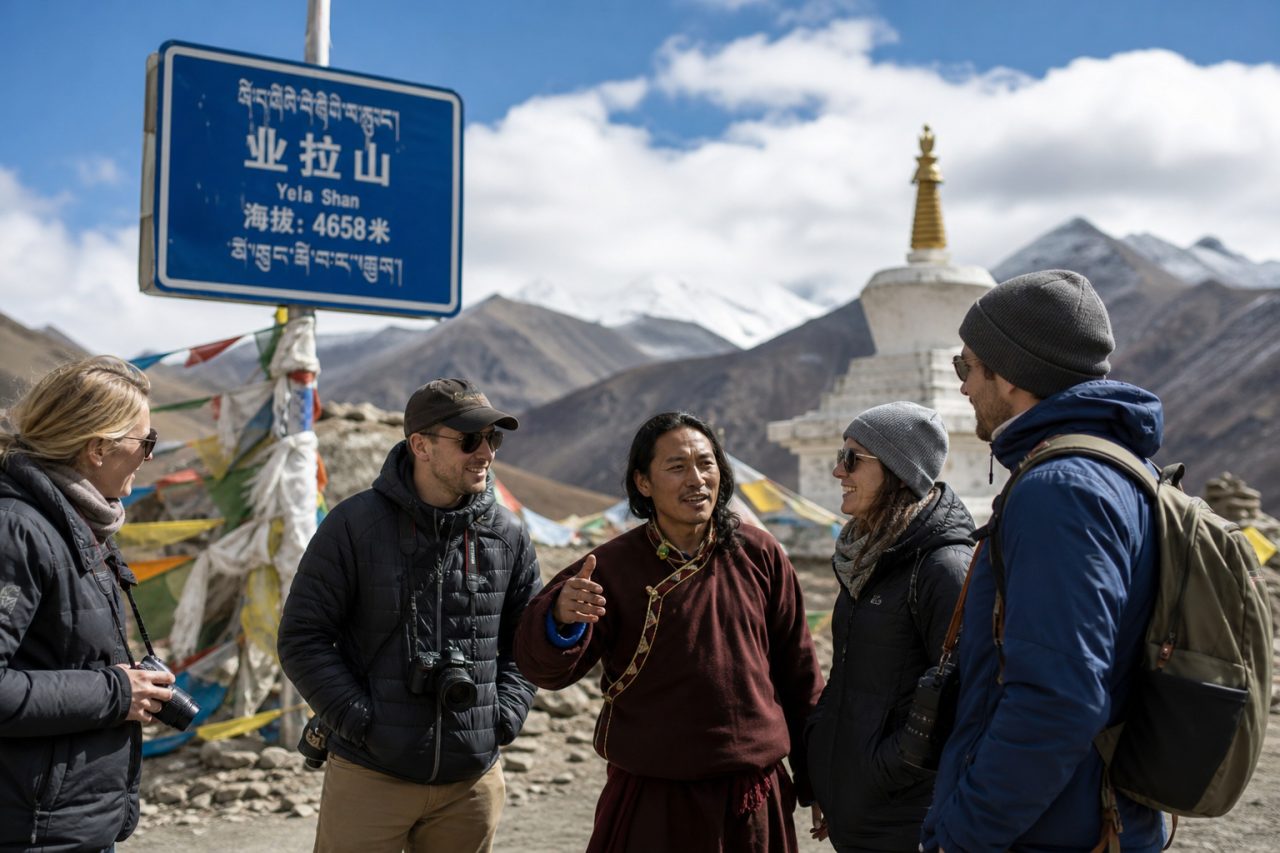
Tibet Travel Insurance Guide: What Policies Should Cover for Remote Trips
Choosing Tibet t…
Jul 21, 2026
Tibet Monastery Etiquette: What Travelers Should Wear, Say, and Never Do
A practical guid…
Common Questions
Questions Readers Usually Ask Next
These answers close the practical questions still left after this guide, so you can decide what to do next without another search.
Should first-time visitors choose Shoton or Losar?
Shoton is usually easier for first-time travelers who want festival atmosphere with accessible sightseeing in Lhasa. Losar is stronger for holiday atmosphere but can feel more date-sensitive and less flexible.
Is Saga Dawa worth it if I am not religious?
It can still be meaningful if you want to observe pilgrimage culture and devotional energy. Travelers looking mainly for relaxed sightseeing often prefer Shoton or a non-festival trip.
How far in advance should festival dates be confirmed?
Because dates follow the Tibetan lunar calendar, confirm the exact travel window before booking flights and finalizing the itinerary.
When is it better not to build a whole trip around a festival?
If flexible dates, lighter crowds, or easier route planning matter more than a festival atmosphere, a normal Tibet itinerary may be the better choice.