
Tibet Nepal Tour: How to Plan the Right Journey From Kathmandu to Lhasa
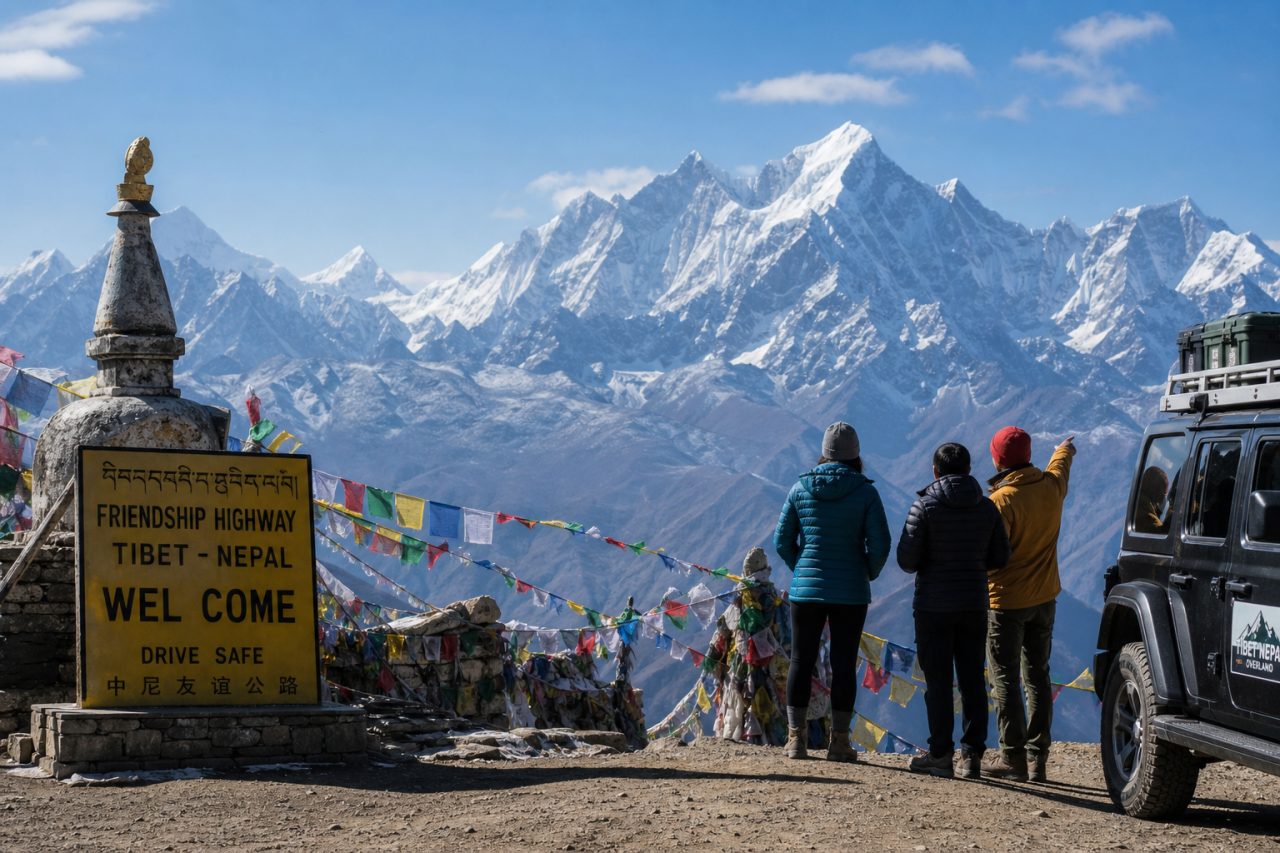
Is a Kathmandu-to-Lhasa Tibet Nepal Tour the Right Fit?
A Tibet Nepal tour is not the right choice for every Tibet traveler, and that is the first decision to make. If you want the journey itself to feel like part of the trip, with a gradual shift from Kathmandu into the Tibetan plateau and enough time for scenery, cultural stops, and acclimatization, this route can be deeply rewarding.
If your priority is simplicity, shorter travel time, or a lower-stress first visit to Tibet, a Private Lhasa Tibet Tour is often the better match. Choosing the right route depends less on dream imagery and more on three practical filters: time, altitude comfort, and how much cross-border complexity you are willing to accept.
Many first-time visitors assume a Tibet Nepal tour is a standard package with one fixed format. In reality, the experience changes a lot depending on whether you want a Lhasa-focused cultural trip, an overland route with Everest views, or a longer remote extension such as Kailash.
How the Journey Usually Works From Nepal Into Tibet
The basic appeal of this route is clear: you begin in Nepal, enter Tibet through a cross-border planning process, and continue toward Lhasa through some of the most dramatic high-altitude landscapes in the region. For many travelers, that overland progression is the real reason to choose this trip rather than flying directly into a shorter city-based itinerary.
The planning side needs more care than a single-country tour. Current entry handling for travelers starting in Nepal can change, so the most reliable checkpoint before flights or document submission is the Chinese Embassy in Nepal’s consular-services notices, which is the main official source for Nepal-origin consular and visa notices.
That matters because the main risk in this route is not usually the sightseeing plan. It is assuming that current visa or consular steps will work exactly the same way on your intended travel date without confirming them first.
A practical approach is to choose your preferred route first, then confirm live entry handling, then lock in flights. Travelers who reverse that order can end up with avoidable timing pressure.
Which Itinerary Style Makes the Most Sense?
Choose a Lhasa-focused route if comfort matters more than overland mileage
A Lhasa-focused trip works best for travelers with limited time, cautious altitude tolerance, or a stronger interest in monasteries, city culture, and a more controlled pace. It is also a sensible choice for older travelers, families, or anyone who wants Tibet without turning the route itself into the main event.
In that case, the better fit is usually a Private Lhasa Tibet Tour or a Private Tibet Tour. You give up some overland drama, but you gain schedule clarity and a more comfortable introduction to the region.
Choose the Kathmandu-to-Lhasa route if the overland experience is the point
This is the right choice for travelers who want to feel the geographic transition from Nepal into Tibet and are willing to spend more time on the road to get it. It tends to suit people who value landscape, route progression, and a broader Himalayan experience more than a simple city stay.
If that is your goal, the core Tibet Nepal Tour is the natural starting point. The value of this route is strongest when you have enough days to travel at a measured pace rather than trying to compress it aggressively.
Add Everest Base Camp if scenery outranks comfort
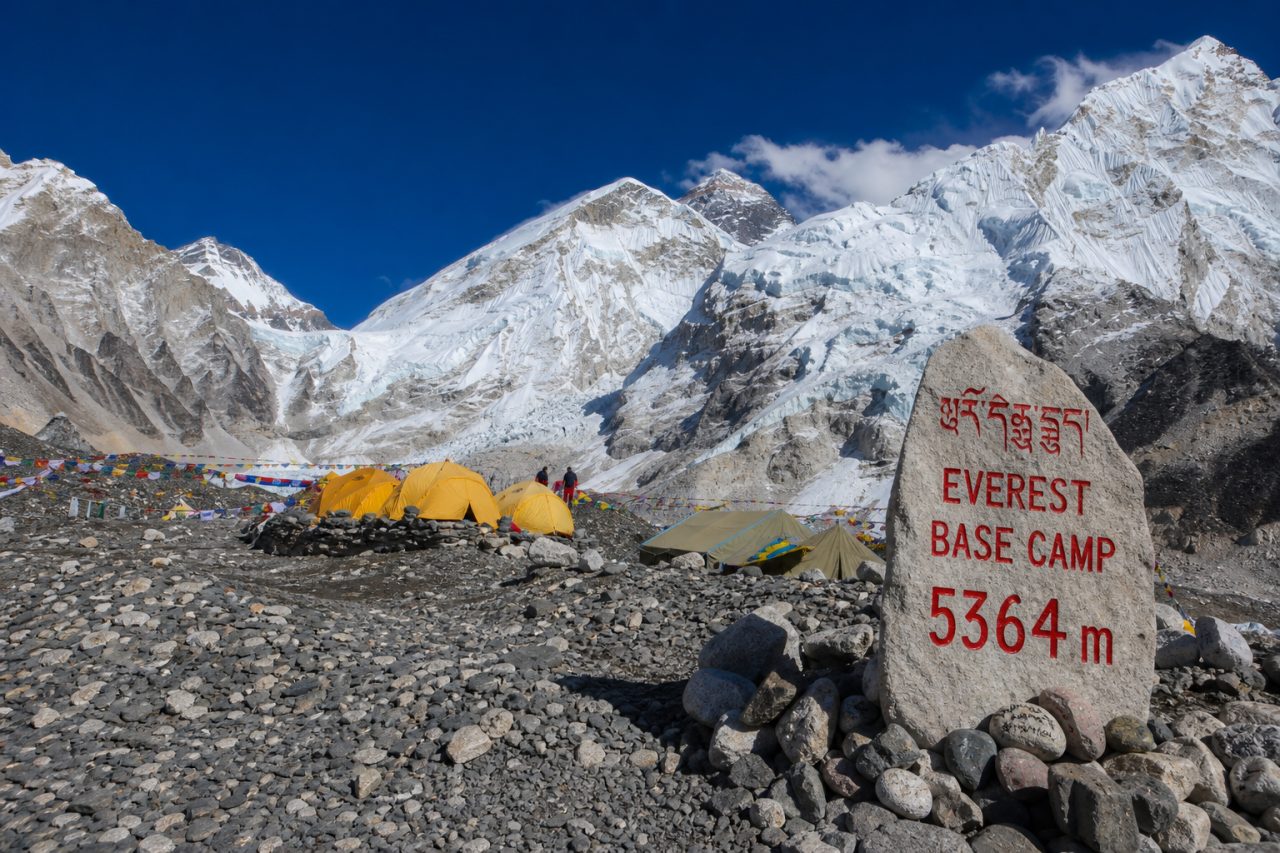
An Everest extension is usually the best add-on for travelers who want iconic plateau scenery and are comfortable with a rougher, more exposed route. It raises the visual payoff, but it also increases travel time, altitude exposure, and fatigue.
For readers who already know the mountain landscape matters most, the Everest Base Camp Tibet Tour is often a better fit than a broader route trying to do too many things at once. The trade-off is simple: stronger scenery, more effort.
Choose a Kailash extension only if the remote pilgrimage element is central
Kailash is not just a longer version of the same trip. It is a more remote and demanding journey that makes sense when spiritual purpose, remote landscapes, or a major pilgrimage-style objective is central to the trip.
If Kailash is only a secondary idea, it is usually better to skip it and protect the quality of the main Tibet Nepal route. Travelers who try to add it casually often underestimate how much it changes the pace and physical demands.
What to Know Before Booking
Permits and entry timing need confirmation before you treat dates as fixed
Tibet travel always involves planning steps beyond a normal domestic trip, and Nepal-origin entry adds another layer. For that reason, it is safer to treat current consular handling, submission timing, and route feasibility as confirmation items until checked against the latest notices from the Chinese Embassy in Nepal’s consular-services section.
For general background on trip preparation, the Tibet Travel Permit Guide helps explain the broader permit context. The key judgment is this: use guides for preparation, but use current official notices for time-sensitive decisions.
Altitude is manageable for many travelers, but pace matters
The main altitude mistake is not going to Tibet. It is choosing a route whose pace is too ambitious for your body, age group, or confidence level.
Travelers with elderly parents often prefer a private itinerary with better pacing, stronger hotel selection, and fewer forced long days. Families may also benefit from reading Tibet with Kids: Family-Friendly Routes, Age Limits, and Comfort Planning before deciding how much overland travel to include.
No article can predict an individual response to altitude. What you can control is route length, rest balance, hydration, and whether you choose a simpler plan instead of pushing for every possible highlight.
Comfort expectations should be realistic, especially outside Lhasa
A premium Tibet trip can be well designed, but premium does not mean every section feels like a city luxury holiday. Once you move into longer overland sections, comfort depends on road time, remoteness, hotel availability, and how much flexibility is built into the itinerary.
This is where private planning usually earns its value. If you care about room standard, slower pacing, photography stops, or recovery time, a tailor-made tour often makes more sense than trying to fit into a rigid standard route.
Who Should Choose a Private Tibet Nepal Tour?
A private version is usually the better choice for couples, families, older travelers, photographers, and anyone making this trip as a high-value once-in-a-long-time journey. The core advantage is not exclusivity for its own sake. It is control over pace, stop length, hotel priorities, and how hard or easy the route feels in practice.
A first-time traveler may think private travel is only about luxury. In Tibet, it is often more about reducing friction: fewer rushed transitions, better acclimatization rhythm, and a route shaped around what matters most.
It is also the right call if your needs do not fit a standard plan cleanly. That includes travelers adding Everest selectively, travelers balancing comfort with scenic ambition, and travelers who want a Kathmandu-to-Lhasa framework without turning the trip into an endurance exercise.
When to Move Forward With Planning
You are ready to move forward when you can answer four questions clearly: Do I want the overland route badly enough to justify the extra logistics? How much altitude and road time am I comfortable with? Do I want Lhasa only, Everest added, or a longer extension? Do I need a private pace to enjoy the trip properly?
If your answers still lean toward simplicity, choose a Lhasa-focused itinerary and keep the first Tibet trip clean. If your answers lean toward scenery, route progression, and a bigger Himalayan arc, then the Tibet Nepal Tour is worth serious planning.
The one mistake to avoid is paying deposits or fixing flights before current Nepal-origin entry handling is checked and your route is matched to your real pace. Get the route right first, then confirm the live consular steps, then finalize the trip.
For readers who already know they want a custom version of this journey, the best next step is to request a tailor-made tour with your preferred pace, hotel level, and route priorities stated clearly from the beginning.
Route suitability
Dynamic Trust & Reassurance Block
Use this article as a planning reference, not a final commitment
Route suitability
For "Tibet Nepal Tour: How to Plan the Right Journey From Kathmandu to Lhasa", the right route depends on available days, altitude comfort, transport preference and the experience you want to prioritize.
Decision support
Use this article to compare route trade-offs, pacing and must-confirm logistics before choosing a final itinerary.
Before you commit
Before committing, confirm permit feasibility, road access, hotel availability, physical difficulty and your preferred travel pace.
Last reviewed: July 23, 2026
Design Your RouteRoute design support
Need help turning this route idea into a real plan?
We can help adjust the itinerary around your dates, pace, altitude comfort, permit needs and must-see places.
Design Your RouteYou Might Also Like
Jul 23, 2026
How to Choose the Best Tibet Entry City in China for Your Trip
Compare Chengdu,…
Jul 21, 2026
2026 Lhasa Luxury Travel Itineraries: How to Choose the Right Private Tibet Trip
Compare 2026 Lha…
Jul 21, 2026
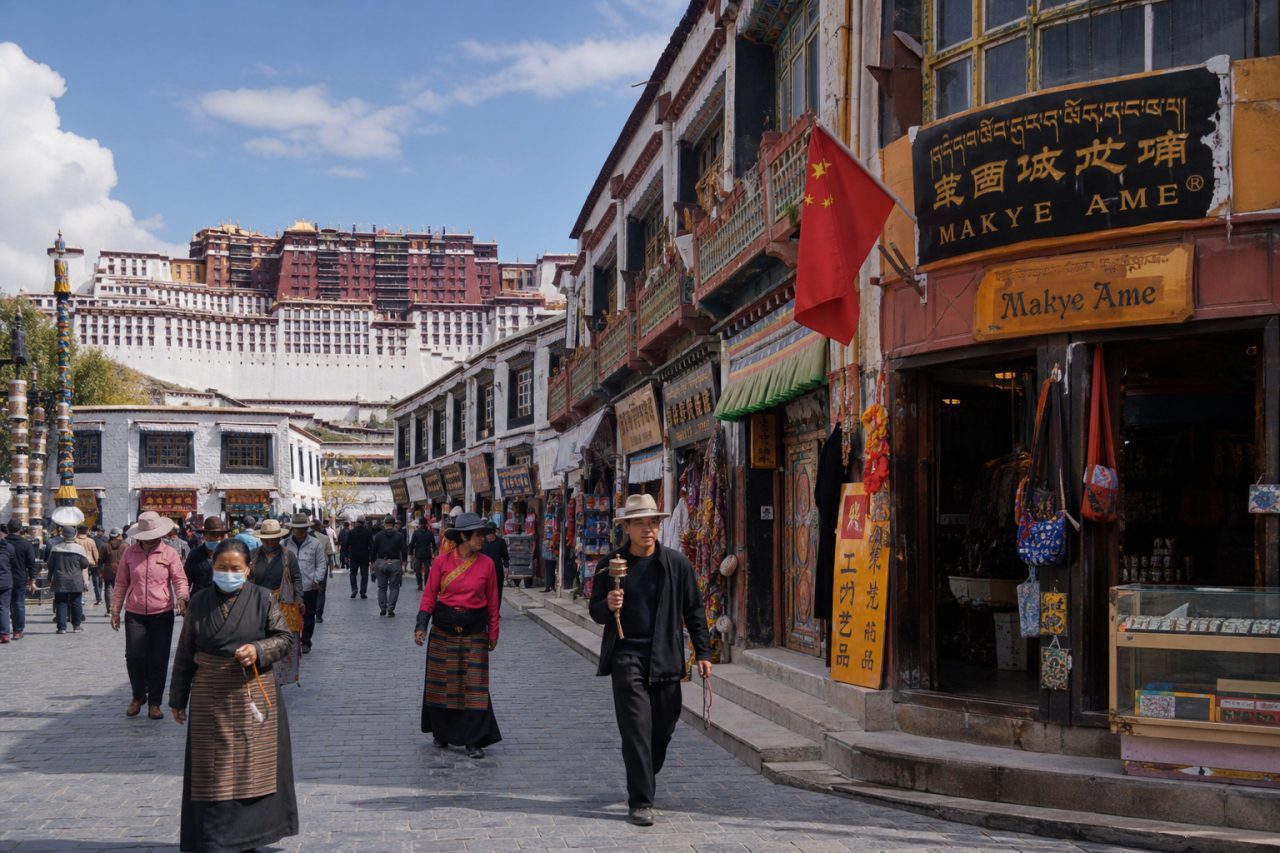
Lhasa Old Town Walking Guide: Barkhor Route, Monastery Stops, and How Much Time You Need
Plan a practical…
Common Questions
Questions Readers Usually Ask Next
These answers close the practical questions still left after this guide, so you can decide what to do next without another search.
Is a Tibet Nepal tour suitable for first-time Tibet travelers?
It can be, but it is usually best for travelers who have enough time for a slower pace and are comfortable with a more complex cross-border route. If simplicity, easier acclimatization, and lower transit strain matter more, a Lhasa-focused itinerary is often the better first trip.
What is the best season for a Kathmandu-to-Lhasa Tibet Nepal tour?
The best timing depends on what matters most to you. Many travelers prefer seasons with clearer mountain views and more stable road conditions, but comfort, temperature, and crowd patterns also matter. Final route timing should be matched to your priorities and confirmed before flights are fixed.
Can this route be customized for families or comfort-focused travelers?
Yes, but the level of customization matters. Families, older travelers, and guests who want a slower pace often benefit from a private itinerary with more control over acclimatization, hotel level, and daily driving time.
Should I add Everest Base Camp or keep the trip focused on Lhasa?
Choose Everest Base Camp if dramatic overland scenery is a major reason for the trip and you have enough time for a longer, more demanding route. Keep the trip Lhasa-focused if you want more comfort, less transit, and a simpler first visit.