
How to Choose the Best Tibet Entry City in China for Your Trip
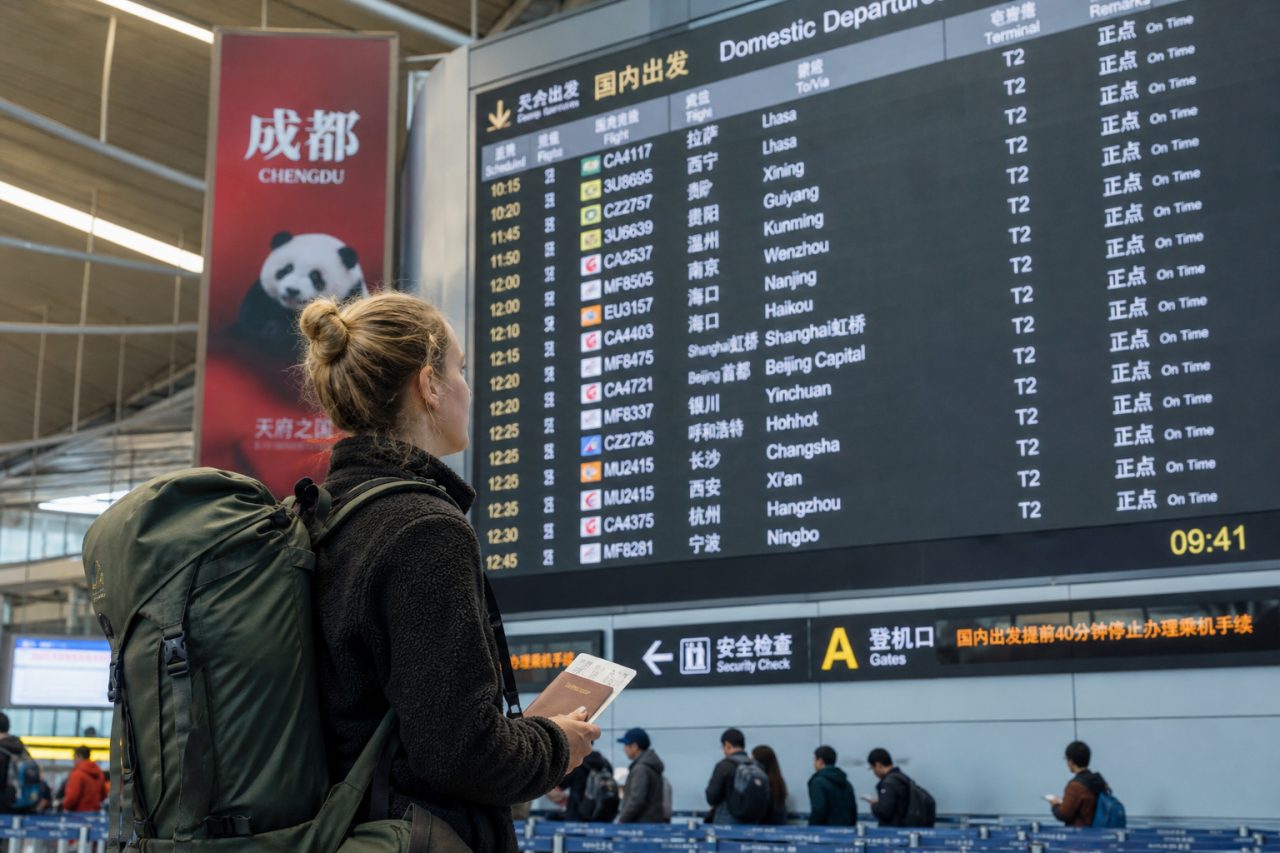
If you already know you want to visit Tibet, the real question is not simply which city can get you there. It is which entry city makes your trip smoother, more comfortable, and easier to coordinate with transport and permit timing. For most first-time travelers, Chengdu is the easiest all-round choice. For travelers who care most about the classic Tibet train journey, Xining is often the better fit. Beijing and Shanghai usually make sense when Tibet is only one part of a wider China trip.
That judgment depends on four things: whether you want to fly or take the train, how many days you have, how much altitude adjustment matters to you, and whether you are already traveling elsewhere in China. Foreign travelers also need route planning that fits Tibet permit coordination. For current permit context, see Can Foreigners Visit Tibet Now? Latest Travel Permits & Restrictions Explained.
One point matters before you book anything expensive: there is no universally best Tibet gateway. The best city is the one that reduces unnecessary connections, fits your preferred entry method, and leaves enough flexibility for permit and ticket coordination.
What makes one Tibet entry city better than another
A good Tibet entry city does three jobs well. It gives you practical transport options, fits your acclimatization plan, and works with the rest of your China itinerary instead of fighting against it.
Transport matters because some cities are stronger for flights while others are stronger for the Tibet train. The China Railway 12306 booking platform shows that Tibet trains operate from several mainland cities, but route length and seat availability vary by origin, which is why the most practical train gateway is not always the city furthest east or most famous. Source: China Railway 12306, https://www.12306.cn/.
Altitude comfort matters because entering Tibet by train usually gives your body a slower ascent than flying directly into Lhasa. The UK NHS notes that altitude sickness can affect travelers at high elevation and that gradual ascent can reduce risk. Source: NHS, Altitude sickness, https://www.nhs.uk/conditions/altitude-sickness/. That does not mean the train is automatically better for everyone, but it does mean entry-city choice should match your comfort level and available time.
Which Tibet entry city fits your trip best
Chengdu: best for most first-time travelers
Chengdu is usually the safest all-round recommendation because it combines broad domestic and international connectivity with relatively straightforward onward planning to Tibet. If your main goal is to keep the route simple, Chengdu is hard to beat.
Direct flights between Chengdu and Lhasa are operated by airlines including Air China, and Chengdu’s airport system is one of western China’s major aviation hubs. Source: Air China route and booking pages, https://www.airchina.com/; Chengdu Tianfu International Airport, https://www.tfiu.com/. Flight schedules can change by season, so the useful planning conclusion is this: Chengdu generally offers strong flight flexibility, but exact timings should be confirmed before ticketing.
Chengdu is a good fit if you want fewer moving parts, are entering Tibet mainly for Lhasa and the classic highlights, or are connecting from another Asian city. It is less ideal if the train journey itself is one of your top trip goals.
Xining: best for the classic Tibet train experience
Xining is often the best choice for travelers who specifically want the Qinghai-Tibet Railway experience. It is the key gateway before the highest plateau section of the railway, which is why many travelers treat it as the most logical train departure city for Tibet.
China Railway 12306 and Qinghai-Tibet Railway information show Xining as a core boarding point for Tibet-bound rail travel. Sources: China Railway 12306, https://www.12306.cn/; Qinghai-Tibet Railway overview via China Highlights reference to route structure, https://www.chinahighlights.com/tibet/train/. For decision-making, the practical takeaway is that Xining gives you the train experience without committing to one of the very longest mainland departures.
Xining suits travelers who have enough time, want a slower approach to altitude, and see the train as part of the trip rather than just transportation. It is not the best choice if you are short on time or want the simplest possible international arrival pattern.
Beijing and Shanghai: best when Tibet is part of a wider China trip
Beijing and Shanghai are usually not the most efficient Tibet gateways if Tibet is your main destination. They become sensible when you are already starting or ending your China trip in one of these cities for international flight convenience, business travel, or a broader sightseeing route.
Both cities have major long-haul connectivity and access to Tibet trains or connecting flights, but the extra scale can add transit time and complexity. China Railway 12306 lists Tibet train services from Beijing and Shanghai, but these are long journeys that suit travelers who genuinely want a cross-China rail experience rather than just practical access. Source: China Railway 12306, https://www.12306.cn/.
Choose Beijing or Shanghai when avoiding backtracking matters more than having the shortest Tibet access route. If you would otherwise fly into one of these cities anyway, using them as your Tibet gateway can still be logical.
Chongqing, Xi’an, and other secondary gateways
These cities can work well, but they are usually route-specific choices rather than default recommendations. They make sense when they clearly reduce backtracking from your existing mainland itinerary or when available flights line up better than Chengdu.
The mistake is treating every possible gateway as equally practical. Secondary cities are usually best chosen for a specific logistical reason, not because they appear on a general Tibet transport list.

How train, flight, and altitude change the right answer
If you are still undecided, start with transport mode. That choice usually determines the best entry city faster than any city ranking does.
If you want to fly, Chengdu is often the strongest starting point because it tends to offer easier western-China connectivity and fewer unnecessary route complications. If you want the train, Xining is usually the cleanest recommendation because it gives you the iconic rail approach without forcing one of the longest possible departures. For a deeper breakdown, see Tibet Train vs Flight: Which Entry Option Fits Your Budget, Time, and Acclimatization Plan?.
If altitude comfort is a major concern, a slower ascent may feel more manageable for some travelers, but it is not a medical guarantee. The US Centers for Disease Control and Prevention notes that risk rises with altitude and speed of ascent, and travelers with symptoms or personal health concerns should seek medical advice before high-altitude travel. Source: CDC Yellow Book, High-Altitude Travel and Altitude Illness, https://wwwnc.cdc.gov/travel/yellowbook/2024/preparing/high-elevation-travel-and-altitude-illness.
Common mistakes when choosing a Tibet gateway
The first mistake is choosing the city with the cheapest-looking first flight instead of the smoothest overall route. A low headline fare can lose its value if it creates extra overnight stops, weak connections, or difficult permit timing.
The second mistake is choosing a long train route without enough days. Many first-time visitors imagine the train as automatically better, then realize too late that the extra travel time cuts into Tibet itself.
The third mistake is assuming permit planning can be handled after transport is fixed. Tibet trips for foreign travelers need route coordination, so the smarter order is to confirm your trip structure first, then lock the gateway and ticketing plan. If you want a broader safety and planning view, see Is Tibet Safe to Visit? A Local Agency’s Honest Guide on Health, Safety, and Travel Permits.
A simple way to choose your best entry city
- Choose Chengdu if you want the easiest overall planning path and expect to fly into Tibet.
- Choose Xining if the Tibet train is part of the reason for the trip and you have enough time.
- Choose Beijing or Shanghai if they already fit your international or wider China itinerary.
- Choose Chongqing, Xi’an, or another secondary city only when it clearly reduces detours or improves your existing route.
For many first-time visitors, the low-regret decision is Chengdu unless there is a strong reason to do otherwise. For scenic rail-focused travelers, Xining is often the better answer. For long-haul travelers combining Tibet with major mainland stops, Beijing or Shanghai can be practical even if they are not the most direct Tibet gateways.
Before you book, confirm three things: whether you want train or flight, whether your total days support that choice, and whether your Tibet route and permit timing line up cleanly. Travelers coming from long-haul markets may also find it useful to review Can You Fly to Tibet From the UK? What’s Actually Possible before finalizing flight plans.
If you are comparing two or three possible gateways, the right next step is not to search more city lists. It is to match your route to your real priorities: speed, train experience, altitude comfort, and trip simplicity. Once those are clear, the best Tibet entry city usually becomes obvious.
Route suitability
Dynamic Trust & Reassurance Block
Use this article as a planning reference, not a final commitment
Route suitability
For "How to Choose the Best Tibet Entry City in China for Your Trip", the right route depends on available days, altitude comfort, transport preference and the experience you want to prioritize.
Decision support
Use this article to compare route trade-offs, pacing and must-confirm logistics before choosing a final itinerary.
Before you commit
Before committing, confirm permit feasibility, road access, hotel availability, physical difficulty and your preferred travel pace.
Last reviewed: July 22, 2026
Design Your RouteRoute design support
Need help turning this route idea into a real plan?
We can help adjust the itinerary around your dates, pace, altitude comfort, permit needs and must-see places.
Design Your RouteYou Might Also Like

Jul 23, 2026
Internet in Tibet for Tourists: SIM Cards, eSIM Options, Wi-Fi, and App Access
Planning interne…

Jul 23, 2026
Tibet Nepal Tour: How to Plan the Right Journey From Kathmandu to Lhasa
Planning a Tibet…

Jul 22, 2026
Tibet Photography Guide: Best Places, Camera Rules, and Drone Restrictions
Plan where to sh…
Common Questions
Questions Readers Usually Ask Next
These answers close the practical questions still left after this guide, so you can decide what to do next without another search.
Can foreigners enter Tibet from any city in China?
In practice, the best city still needs to fit your permit coordination and your confirmed transport route, so travelers should match their entry city with their final itinerary before booking.
Is Xining better than Chengdu for altitude adjustment?
Xining is often preferred by travelers who want the classic train approach and a slower entry rhythm, while Chengdu is usually easier for travelers who value simpler flight logistics and shorter total travel time.
Should I book my Tibet train or flight before my route is finalized?
No. It is safer to choose the gateway city first, then confirm permit timing and transport fit before locking tickets.
Are Beijing and Shanghai good choices for a first Tibet trip?
They can work well when Tibet is part of a wider China itinerary, but they are usually less efficient than Chengdu if Tibet is the main purpose of the trip.