
How to Choose the Right Tibet Tour for Seniors and Multi-Generation Families
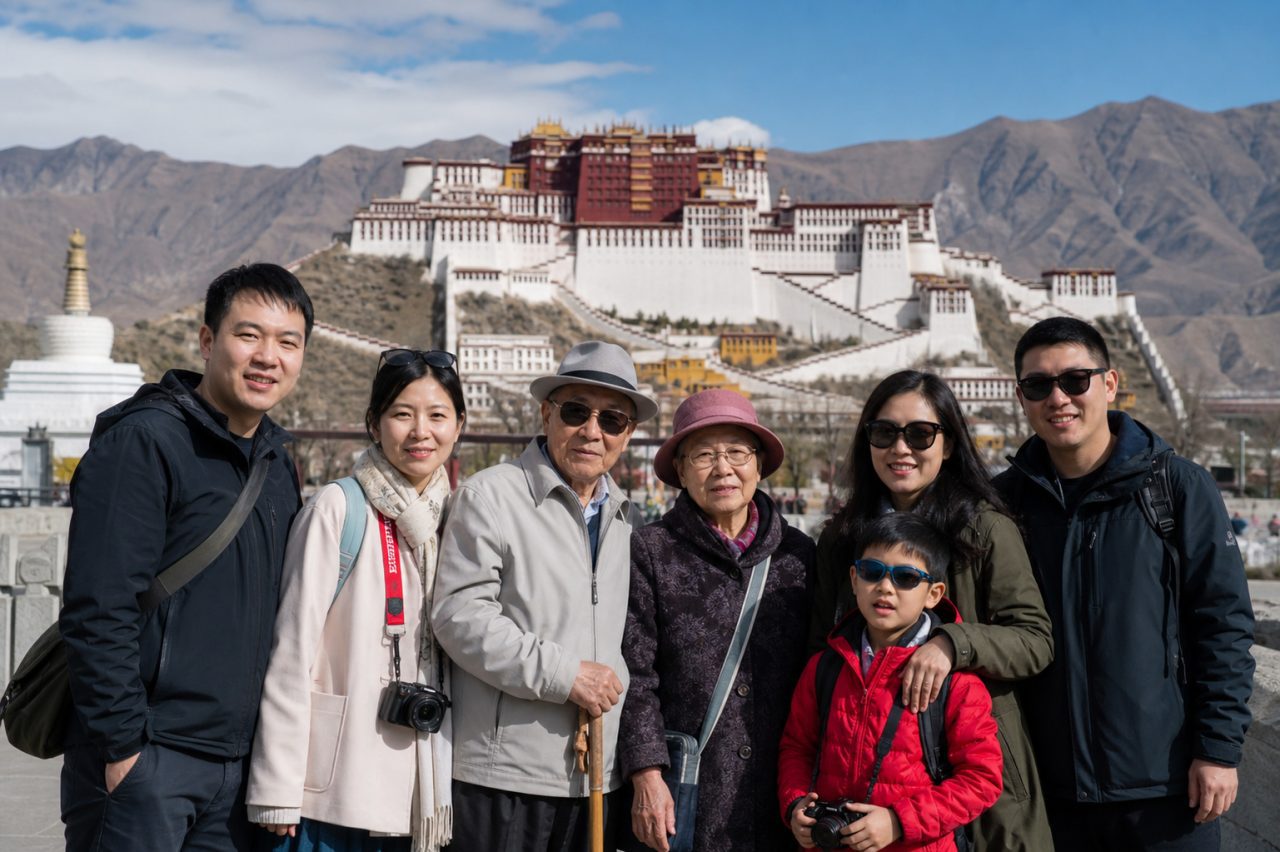
If you are planning Tibet for older parents or grandparents plus adult children, the real decision is not which attractions to include first. It is whether the itinerary pace, altitude pattern, transport comfort, and route difficulty match the oldest traveler in the group. For this kind of trip, the safest and most satisfying choice is usually a slower private tour built around Lhasa and a few nearby highlights, not a fast itinerary that tries to cover everything.
That judgment is grounded in public health guidance. The CDC guidance on travel to high altitudes and NHS altitude sickness advice both note that higher altitude can affect healthy travelers as well as those with existing conditions, and that gradual ascent, lighter activity at first, and medical advice for higher-risk travelers matter. For families, that means choosing a tour based on acclimatization and daily strain, not only on the sightseeing list.
Who this kind of Tibet tour is right for
A senior-friendly Tibet tour makes sense when one or more travelers are older, walk more slowly, tire easily on long sightseeing days, or need a more predictable bathroom, meal, and rest schedule. It is also the better fit when younger family members want a special shared trip but do not need every day to be packed.
It is usually not the right approach to force everyone onto a demanding overland route just because the family wants one iconic photo stop. In mixed-age travel, the success standard is simple: the oldest traveler can enjoy most days without being rushed, and the younger travelers still feel the trip is meaningful.
The six factors that matter most
1. Altitude pattern
Lhasa sits at about 3,650 meters or 11,975 feet, which is already high enough for acclimatization to matter. The CDC and NHS both advise paying attention to symptoms, slowing activity, and being cautious with further ascent. A better family itinerary gives at least the first one to two days a lighter rhythm instead of sending seniors straight into a long, higher-altitude road trip.
2. Daily pace
Many standard Tibet tours are not physically extreme, but they can still be tiring because of early starts, stairs, walking at altitude, and repeated hotel check-ins. For seniors, a good tour often includes fewer stops per day, more sitting breaks, and time to return to the hotel rather than treating every day like a race.
3. Private vehicle comfort
This matters more than many families expect. A spacious vehicle, flexible stop timing, and the ability to adjust the day around how the oldest traveler feels can make a meaningful difference on plateau roads. That is one reason private tours are often worth the extra cost for this audience.
4. Hotel standard in Lhasa
At altitude, recovery time matters. Families should look closely at hotel location, elevator access, heating, oxygen availability if offered, and whether the property reduces unnecessary stair climbing and transfer stress. This is also where a more comfortable stay can support acclimatization better than chasing the lowest budget; see How to Avoid Altitude Sickness in Lhasa: Luxury vs Budget Hotels.
5. Route realism
Lhasa plus nearby cultural sights is usually easier than longer overland circuits with repeated high passes and long driving days. The official Tibet tourism site, Travel Tibet, is useful for destination background, but the practical question for families is not whether a place is famous. It is how much altitude gain, road time, and cumulative fatigue the route creates.
6. Flexibility to split the trip
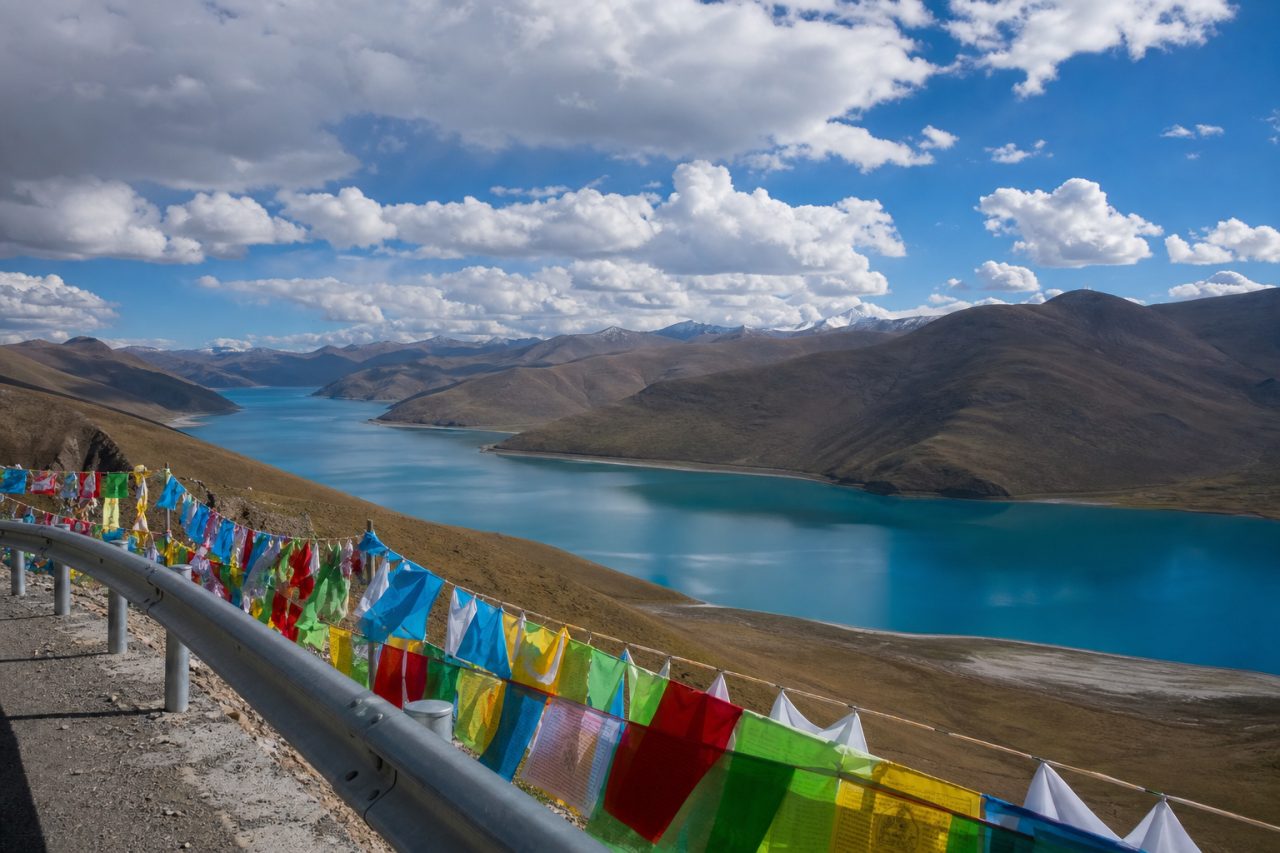
One of the best solutions for multi-generation families is not to keep every person on the same schedule every day. Grandparents may enjoy Lhasa and an easier lake or monastery day, while younger adults add a harder extension later. That often works better than pretending one itinerary fits everyone equally well.
Private tour vs group tour
For seniors and mixed-age families, private tours usually fit better. The main benefit is not luxury for its own sake. It is control over pace, rest stops, meal timing, and how much walking happens before anyone is tired.
Group tours can still work when all travelers are fairly active, the itinerary is centered on Lhasa, and the family accepts a fixed schedule. They are less ideal if one traveler may need extra time, wants to skip a stop, or could feel pressured to keep up with strangers. For this audience, the price savings of a group tour can disappear quickly if the trip itself is a poor fit.
How to choose an itinerary without pushing the oldest traveler too hard
Start with the oldest traveler, not the most adventurous one. If a parent or grandparent has limited stamina, slower mobility, or health concerns that make altitude a bigger issue, build the trip around what they can enjoy comfortably after speaking with their doctor when appropriate, as advised by the CDC for travelers with medical conditions going to high altitude.
In most cases, the best first shortlist is a 4- to 6-day Lhasa-focused trip with a calm first day and only one or two nearby excursions. A longer trip is not automatically harder, but a short trip that packs in too much often is. Families should be cautious about routes that require long consecutive drives or quick movement to higher viewpoints in the first few days.
If part of the family wants more adventure, split the itinerary in stages. Seniors can do the Lhasa portion and stop there, while younger family members continue. That is often a smarter design than canceling the whole trip or overloading the grandparents.
Questions to ask before you book
- What is the highest sleeping altitude and on which night? This helps you judge how quickly the itinerary climbs.
- How many hours of driving are there on the longest day? Road fatigue can matter as much as walking difficulty.
- Can the guide shorten or skip a stop if a senior feels unwell or tired? Flexibility matters more than attraction count.
- What vehicle is used for our group size? Ask about space, entry height, and comfort for older travelers.
- Are there many stairs at hotels or sightseeing sites? Mobility limits are often more important than age itself.
- Can grandparents join only the Lhasa section? This is one of the most useful ways to make a family trip workable.
When to shortlist, adjust, or skip a route
Shortlist a tour when it starts gently, keeps the first days light, uses private transport, and does not depend on long overland days for the trip to feel worthwhile. Adjust the plan when the route is appealing but the pace is too fast; often one removed stop or one extra night in Lhasa makes the trip much more suitable.
Skip the route when the main selling point is speed, distance, or checking off many landmarks. That is where families make the most expensive mistake in Tibet: paying for coverage that the oldest traveler cannot comfortably enjoy.
Permit logistics also shape what is realistic for foreign travelers, so nationality and entry route should be checked early using the relevant permit guidance, such as Tibet Travel Permit Requirements for UK Passport Holders, How American Tourists Apply for a Tibet Permit From Nepal, or Tibet Group Visa vs China Tourist Visa.
Route suitability
Dynamic Trust & Reassurance Block
Use this article as a planning reference, not a final commitment
Route suitability
For "How to Choose the Right Tibet Tour for Seniors and Multi-Generation Families", the right route depends on available days, altitude comfort, transport preference and the experience you want to prioritize.
Decision support
Use this article to compare route trade-offs, pacing and must-confirm logistics before choosing a final itinerary.
Before you commit
Before committing, confirm permit feasibility, road access, hotel availability, physical difficulty and your preferred travel pace.
Last reviewed: July 18, 2026
Design Your RouteRoute design support
Need help turning this route idea into a real plan?
We can help adjust the itinerary around your dates, pace, altitude comfort, permit needs and must-see places.
Design Your RouteYou Might Also Like
Jul 22, 2026
Tibet Photography Guide: Best Places, Camera Rules, and Drone Restrictions
Plan where to sh…
Jul 22, 2026
Tibet with Kids: Family-Friendly Routes, Age Limits, and Comfort Planning
Planning Tibet w…
Jul 22, 2026
Tibet Travel Insurance Guide: What Policies Should Cover for Remote Trips
Choosing Tibet t…
Common Questions
Questions Readers Usually Ask Next
These answers close the practical questions still left after this guide, so you can decide what to do next without another search.
Can healthy seniors still have problems with Tibet altitude?
Yes. Healthy travelers can still be affected at high altitude, so itinerary pace and acclimatization matter even when older family members are generally fit.
Does arriving by train make a senior-friendly Tibet itinerary easier?
It may help some travelers adjust more gradually, but it does not remove the need for a slower first few days in Lhasa.
Can grandparents join only the Lhasa part of the trip?
Yes. For many mixed-age families, splitting the itinerary is a practical way to protect comfort while letting younger travelers add harder segments.
Does oxygen support mean a harder route is fine for seniors?
No. Oxygen support may help with comfort, but it does not make an aggressive itinerary automatically suitable.