
Tibet Family Tours: Age Rules, Kid-Friendly Routes, and What Parents Need to Plan
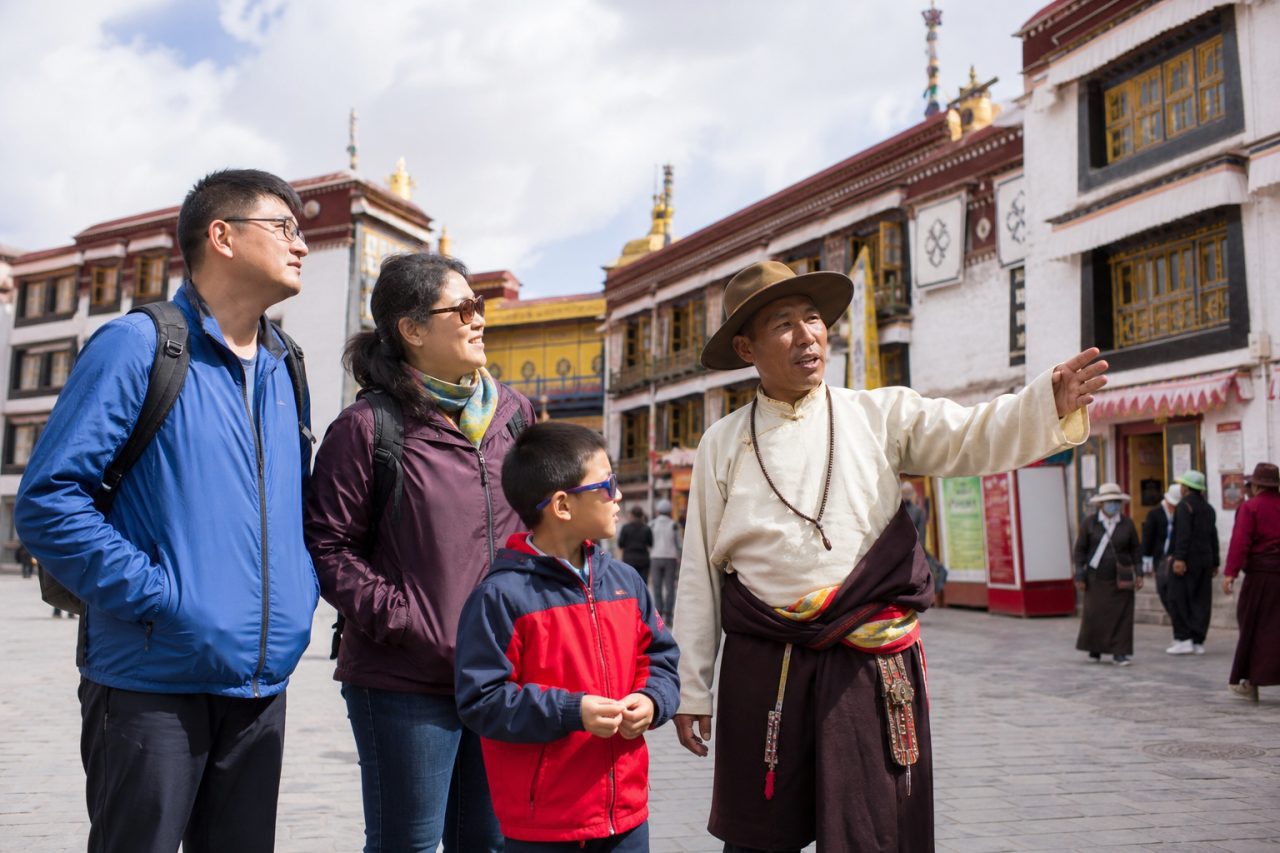
Parents usually ask Tibet family travel questions as if there is one official minimum age rule. In practice, the harder decision is whether your child can handle the altitude, the pace, and the route shape you are considering. Children can join Tibet trips, but a family plan should be built differently from a standard adult itinerary.
The safest starting point for most first-time families is a Lhasa-based trip with extra acclimatization time, short sightseeing days, and only limited extensions to higher areas. That judgment lines up with professional high-altitude guidance from the CDC Yellow Book, which explains that altitude illness can affect both adults and children and that gradual ascent matters, and from NHS Fit for Travel, which advises careful planning, slower ascent, and close attention to symptoms at high altitude (CDC Yellow Book: Altitude Illness; NHS Fit for Travel: High Altitude Travel).
Can children travel to Tibet? The real age question
For foreign travelers, Tibet access is controlled through permits and organized travel arrangements rather than independent free travel, so families need to plan paperwork and routing early. For permit-related details by nationality, see Tibet travel permit requirements or, for Nepal entry cases, Tibet Group Visa vs China Tourist Visa.
That said, paperwork is not the main family issue. The real question is whether your child is old enough to communicate discomfort, tolerate long road days, sleep reasonably at altitude, and follow a slow first two or three days. A healthy school-age child on a calm Lhasa-first itinerary is often a more practical fit than a toddler on an ambitious overland route.
Parents should be more cautious when a child is very young, has a heart or lung condition, has had previous altitude problems, or struggles to explain symptoms clearly. The CDC notes that altitude illness symptoms can include headache, nausea, fatigue, dizziness, and poor sleep, and these can progress if the traveler continues ascending instead of resting or descending (CDC Yellow Book: Altitude Illness).
How to judge family suitability before you book
Use three filters first: altitude speed, daily road time, and flexibility. Families usually do better when they avoid a fast climb from arrival straight into long sightseeing days, and worse when they copy a classic adult itinerary that keeps pushing higher every day.
A simple decision rule helps. If this is your child’s first high-altitude trip, start with Lhasa and protect the first nights. If your plan includes back-to-back high passes, long drives, and limited stop-or-turn-back options, it is probably the wrong first Tibet trip for a family.
Train versus flight is part of that decision, but it is not a guarantee. Many parents prefer a train approach because the ascent is slower, which can feel easier psychologically and practically, but children can still develop altitude symptoms after arrival in Lhasa, so the first days still need to stay light. If you fly in, slow pacing becomes even more important.
Most kid-friendly Tibet routes for a first trip
The best family route is usually 4 to 6 days based mainly in Lhasa. This keeps medical support, better hotels, and easier schedule adjustments close at hand, while still giving children a meaningful Tibet experience through monasteries, Barkhor walks, palace views, and one or two lighter scenic outings.
A second good option is Lhasa plus one short extension such as Yamdrok Lake, with the understanding that it is higher and windier, so the day should remain flexible. This works better for families whose child has adjusted well after several nights in Lhasa and is still eating, sleeping, and moving normally.
For younger children, private tours usually make more sense than shared departures. The reason is simple: families need freedom to stop for rest, shorten a day, return early, or skip a viewpoint without disrupting a group schedule.
If you are traveling with a toddler, read Tibet Family Tour With Toddlers: Altitude Safety and Packing Checklist. The planning threshold is different because parents must manage not only altitude, but also hydration, sleep disruption, layering, and the child’s limited ability to describe what feels wrong.
Routes families should treat carefully or postpone
The biggest mistake is assuming that a famous route is automatically a family route. Long overland trips toward much higher regions can be rewarding for adults, but they often become tiring, rigid, and hard to reverse once a family is already deep into the itinerary.
Be especially careful with plans that combine a quick arrival, only one night in Lhasa, and then immediate movement to higher areas. According to NHS Fit for Travel, the safest high-altitude approach is to ascend gradually where possible and watch for symptoms closely rather than pressing on because the schedule is fixed (NHS Fit for Travel: High Altitude Travel).
If your child becomes unusually tired, refuses food, develops a persistent headache, vomits, or seems confused or short of breath, that is not the moment to “wait it out” on a higher route. The CDC’s advice is clear that worsening symptoms after ascent require immediate caution, and descent is the key response when serious altitude illness is suspected (CDC Yellow Book: Altitude Illness).
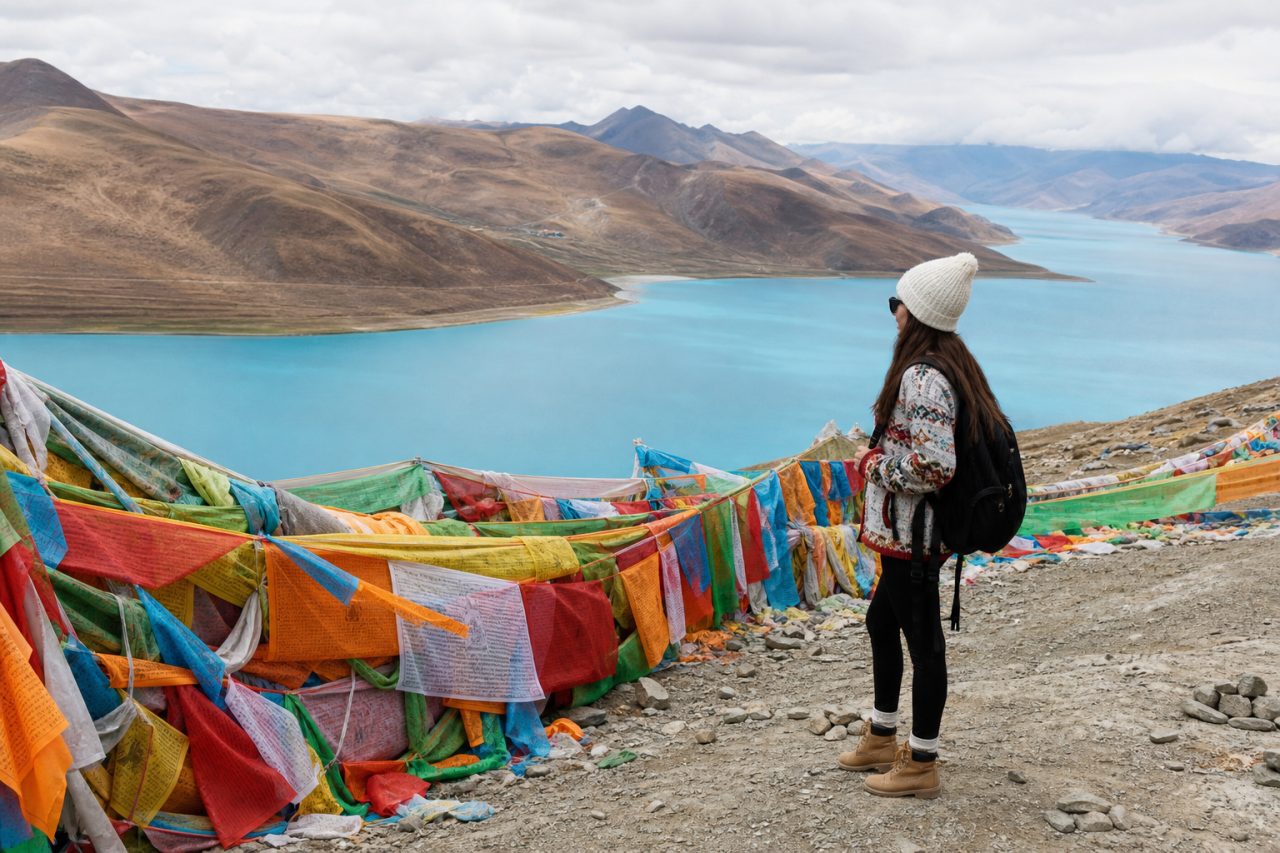
What parents need to plan before booking
First, protect the first 48 hours. Choose an itinerary with minimal exertion on arrival day and a light second day. Good family planning often means treating acclimatization time as part of the trip, not as wasted time.
Second, choose your hotel carefully. Room comfort, heating, quiet sleep, and easier recovery matter more with children than adults often expect. For a deeper look at why first-night comfort can affect how families settle in, see How to Avoid Altitude Sickness in Lhasa: Luxury vs Budget Hotels.
Third, confirm transport and oxygen logistics. Ask whether the vehicle can stop whenever needed, whether bottled oxygen is carried in the vehicle, how far the day’s driving really is, and what the operator would do if a child should not continue. These questions matter more than adding one more attraction.
Fourth, sort permits and visas early because Tibet travel for foreign visitors is structured. If your route starts from Nepal, the document path differs from entering from mainland China, so check the right process before you lock flights (How American Tourists Apply for a Tibet Permit From Nepal).
Questions to ask a Tibet tour operator before confirming a family tour
- How many nights in Lhasa come before any higher-altitude excursion?
- Can the itinerary be shortened or reversed if a child does not adjust well?
- Is the trip private, and can we make same-day pace changes?
- What oxygen, emergency, and hospital-access procedures do you use?
- How many hours are actually spent in the vehicle on each day?
- Which hotels do you use, and how do they handle heating and family room needs?
- What is your recommendation for our child’s age, not just your sales availability?
A good family-ready operator should answer those questions directly. If the replies stay vague and the sales focus is mainly on fitting in more places, that is a warning sign.
Route suitability
Dynamic Trust & Reassurance Block
Use this article as a planning reference, not a final commitment
Route suitability
For "Tibet Family Tours: Age Rules, Kid-Friendly Routes, and What Parents Need to Plan", the right route depends on available days, altitude comfort, transport preference and the experience you want to prioritize.
Decision support
Use this article to compare route trade-offs, pacing and must-confirm logistics before choosing a final itinerary.
Before you commit
Before committing, confirm permit feasibility, road access, hotel availability, physical difficulty and your preferred travel pace.
Last reviewed: July 20, 2026
Design Your RouteRoute design support
Need help turning this route idea into a real plan?
We can help adjust the itinerary around your dates, pace, altitude comfort, permit needs and must-see places.
Design Your RouteYou Might Also Like
Jul 22, 2026
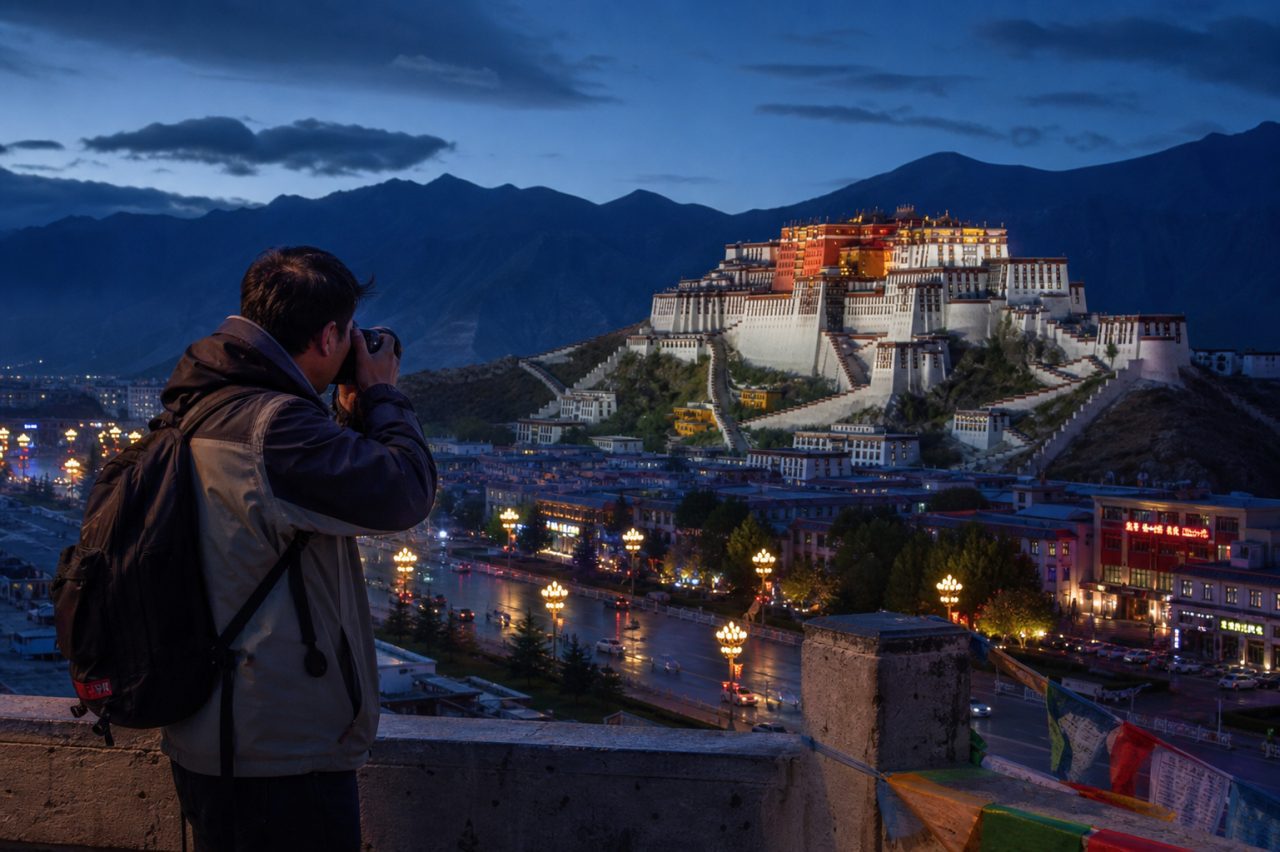
Tibet Photography Guide: Best Places, Camera Rules, and Drone Restrictions
Plan where to sh…
Jul 22, 2026
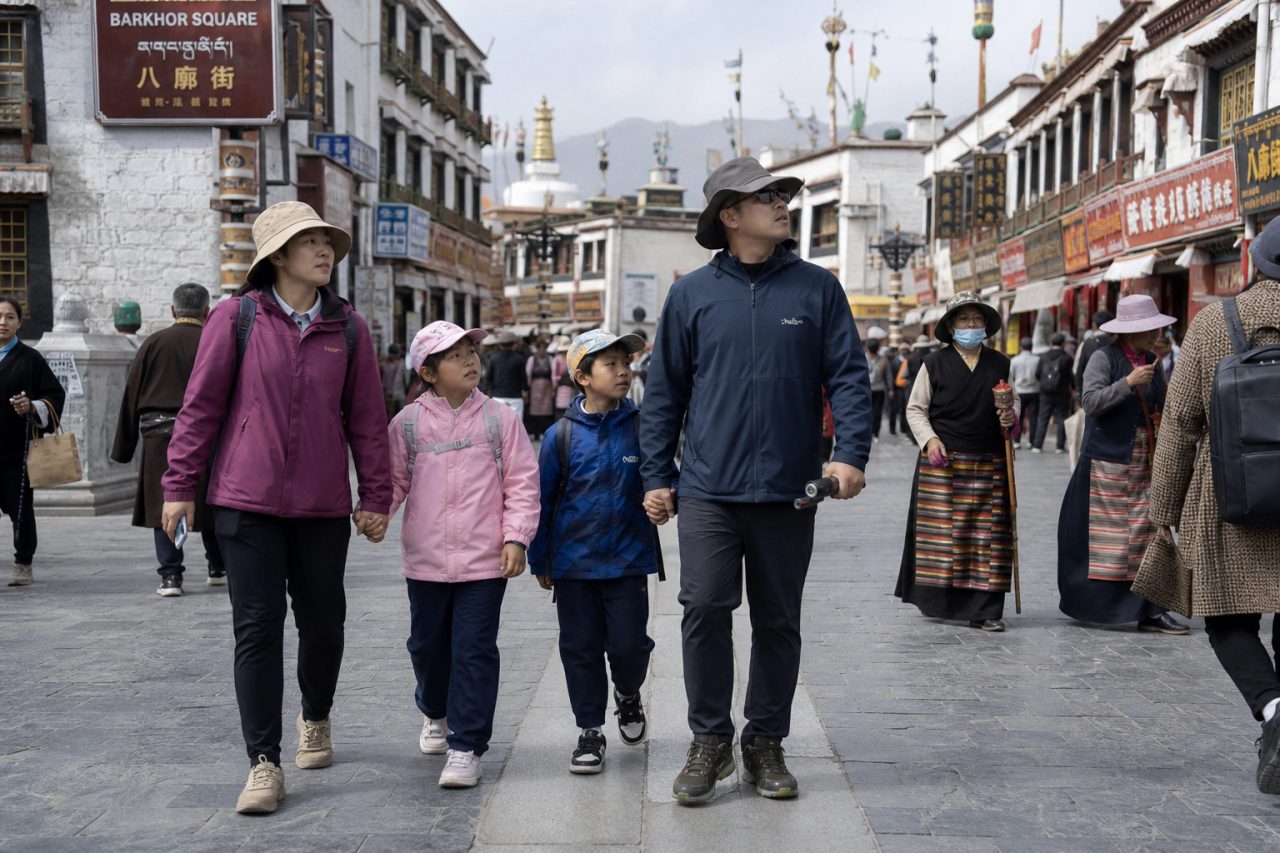
Tibet with Kids: Family-Friendly Routes, Age Limits, and Comfort Planning
Planning Tibet w…
Jul 22, 2026
Tibet Travel Insurance Guide: What Policies Should Cover for Remote Trips
Choosing Tibet t…
Common Questions
Questions Readers Usually Ask Next
These answers close the practical questions still left after this guide, so you can decide what to do next without another search.
Is there an official minimum age for children traveling in Tibet?
Parents often expect one simple minimum-age rule, but the more important issue is whether the child can handle the altitude, trip pace, and route design. Families should confirm any operator-specific handling rules for very young children, but practical suitability matters more than a single age number.
Is Tibet realistic for toddlers or preschool children?
It can be possible for some families, but it usually requires a much more conservative plan. A Lhasa-based itinerary, slower pacing, short sightseeing days, and a willingness to stop or postpone higher segments are more important than trying to copy a standard adult route.
Should families arrive by train or by flight?
Many families consider the train because the slower ascent may feel easier than flying straight to Lhasa. The better choice depends on the child’s tolerance for long travel days, sleep, and overall comfort, so parents should weigh gradual ascent against journey fatigue.
How many nights should families stay in Lhasa before going higher?
For a first family trip, extra time in Lhasa is usually a safety and comfort tool rather than wasted time. Parents should avoid rushing to higher-altitude extensions immediately after arrival.
When should parents stop a higher-altitude segment and turn back?
If a child is not settling after rest, hydration, and a gentler pace, parents should not feel locked into the itinerary. Family Tibet trips should be planned with a clear turn-back threshold instead of treating every segment as non-negotiable.
Is a private Tibet tour better than a shared group tour for families?
Private tours are often a better fit because they give families more control over pacing, rest stops, meal timing, and whether to shorten or skip a higher-altitude segment. Shared tours can work, but they usually offer less flexibility when a child needs the day to move more slowly.