
Tibet Food Guide for Travelers: What to Eat, What to Skip, and How to Order
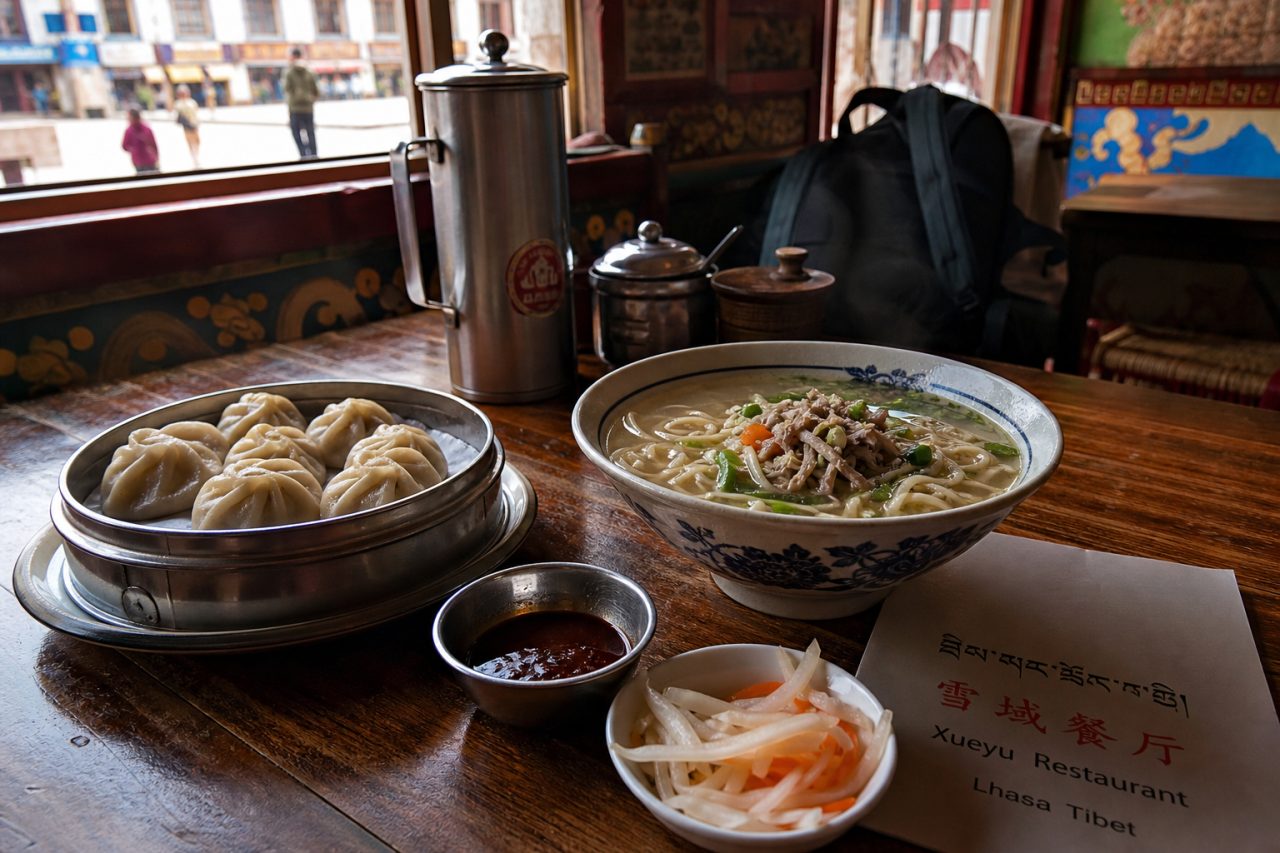
If this is your first trip to Tibet, the real food question is not simply what is traditional. It is how to enjoy local dishes without ending up too full, too dehydrated, or stuck with meals you do not want to finish at altitude. The practical answer is simple: start with hot cooked foods such as momos and noodle soups, treat rich drinks and heavy meat dishes as small tastings rather than full meals, and keep one safe backup order in mind for low-appetite days.
That approach matters because altitude can change appetite, thirst, and digestion. The CDC’s Traveler’s Health guidance recommends food and water precautions for travelers, and NHS Fit for Travel notes that altitude can affect how you feel, including appetite and hydration needs. See CDC Traveler’s Health: https://wwwnc.cdc.gov/travel and NHS Fit for Travel: https://www.fitfortravel.nhs.uk/.
What Food in Tibet Is Actually Like for First-Time Travelers
Food on most Tibet trips is more practical than romantic. In Lhasa you can usually find a mix of Tibetan, Chinese, and some Western-style meals, but once you move onto common touring routes, menus often become simpler and more repetitive.
Tibetan food is built for a cold, dry, high-altitude environment. Expect warm soups, noodles, dumplings, yak meat, potatoes, simple vegetable dishes, and calorie-dense staples such as butter tea and tsampa. That does not mean every meal is difficult for foreign travelers, but it does mean heavy, oily, or unfamiliar dishes feel heavier than they might at sea level.
What to Eat First: Tibetan Dishes Most Travelers Usually Enjoy
Momos are the easiest first choice. They are Tibetan-style dumplings, usually filled with yak meat, beef, or vegetables, and they are familiar enough for cautious eaters while still feeling local.
Thukpa, a noodle soup, is often the smartest meal on your first days. It is hot, cooked, easy to digest for many people, and useful when altitude lowers your appetite but you still need energy and fluids.
Simple fried rice or noodle dishes are a good bridge meal when you want something predictable. They may not be the most distinctive dish on the menu, but they reduce the risk of ordering badly when you are tired after sightseeing.
Yak meat is worth trying, but usually in a small portion first. It can be flavorful and lean, but texture and cooking style vary, so a yak dish shared at the table is often a better first test than making it your entire meal.
Tsampa, roasted barley flour, is culturally important, but it is not the first Tibetan food most foreign travelers enjoy. Try it if you are curious, but think of it as a cultural tasting rather than a must-order meal.
What to Skip or Order Carefully if You Have a Sensitive Stomach
Start cautiously with butter tea. It is one of Tibet’s most famous drinks, but the salty, oily taste surprises many first-time visitors. A few sips are enough to decide whether you like it.
Be careful with very greasy meat dishes or large heavy meals on your first one or two days. NHS Fit for Travel’s altitude advice emphasizes hydration and sensible pacing at altitude, and that same logic applies to food: when appetite is low and your body is adjusting, lighter cooked meals are often the easier choice. Source: NHS Fit for Travel.
Also be more selective with raw foods, lukewarm buffet items, and anything that has obviously been sitting out. The CDC’s food and water safety advice for travelers is clear on the general principle: choose food that is freshly cooked and served hot when possible. Source: CDC Traveler’s Health.
If you have a sensitive stomach, the mistake to avoid is trying several unfamiliar foods in the same meal. One new dish at a time gives you a much better sense of what suits you and leaves you with a backup if something is too rich or too dry.
How to Order Food in Tibet Without Guessing Wrong
The safest ordering strategy is not to chase the most authentic-sounding name on the menu. Instead, order by format first: soup, dumplings, noodles, rice, vegetables, or meat. That helps you control texture, heaviness, and portion size even if the English translation is imperfect.
Useful questions are simple: Is it spicy? Is it yak or beef? Soup or dry? Vegetable? Fried or steamed? Even on guided trips, your guide can often help with these exact points faster than explaining full dietary preferences from scratch.
If you are unsure, order one local dish plus one predictable dish for the table. A first-time European traveler, for example, might choose momos to try and a plain noodle soup as insurance. That keeps the meal interesting without turning it into a gamble.
In Lhasa, bilingual menus are easier to find than in smaller towns, but descriptions can still be vague. When the menu is unclear, asking for a photo, pointing at another table’s dish, or asking your guide to recommend the mildest hot dish is usually more reliable than ordering by dish name alone.
Safe Fallback Meals for Kids, Picky Eaters, and Low-Appetite Days
Every traveler should keep a fallback list. The most useful options are plain noodle soup, egg fried rice, vegetable fried rice, steamed dumplings, and simple stir-fried vegetables with rice.
These choices matter more than people expect because altitude can reduce appetite, especially after arrival or long driving days. If you are traveling as a family, this same backup-meal logic pairs well with broader altitude planning in Tibet Family Tour With Toddlers: Altitude Safety and Packing Checklist.
If your trip starts with a quick flight into Lhasa, food tolerance can feel different from a slower overland arrival. A gentler acclimatization rhythm often makes meals easier too, which is one reason some travelers compare entry options in Tibet Train vs Flight: Which Entry Option Fits Your Budget, Time, and Acclimatization Plan?.
Simple Food Rules That Make Eating in Tibet Easier
- On your first days, prefer hot cooked meals over cold or mixed items.
- Try famous foods in small amounts first, especially butter tea and heavy meat dishes.
- Do not confuse cultural importance with personal fit. A dish can be meaningful and still not be your best lunch at 3,650 meters.
- Have one backup meal ready before you sit down. This removes stress when the menu is unclear.
- Match your meal to your condition that day. If you feel dry, tired, or slightly headachy, soup is usually a better choice than a rich fried meal.
The goal is not to eat cautiously forever. It is to make good decisions early, so you can try more confidently once you know how your body is responding to altitude and travel pace.
Route suitability
Dynamic Trust & Reassurance Block
Use this article as a planning reference, not a final commitment
Route suitability
For "Tibet Food Guide for Travelers: What to Eat, What to Skip, and How to Order", the right route depends on available days, altitude comfort, transport preference and the experience you want to prioritize.
Decision support
Use this article to compare route trade-offs, pacing and must-confirm logistics before choosing a final itinerary.
Before you commit
Before committing, confirm permit feasibility, road access, hotel availability, physical difficulty and your preferred travel pace.
Last reviewed: July 20, 2026
Design Your RouteRoute design support
Need help turning this route idea into a real plan?
We can help adjust the itinerary around your dates, pace, altitude comfort, permit needs and must-see places.
Design Your RouteYou Might Also Like

Jul 22, 2026
Tibet Photography Guide: Best Places, Camera Rules, and Drone Restrictions
Plan where to sh…

Jul 21, 2026
Tibet Monastery Etiquette: What Travelers Should Wear, Say, and Never Do
A practical guid…
Jul 21, 2026
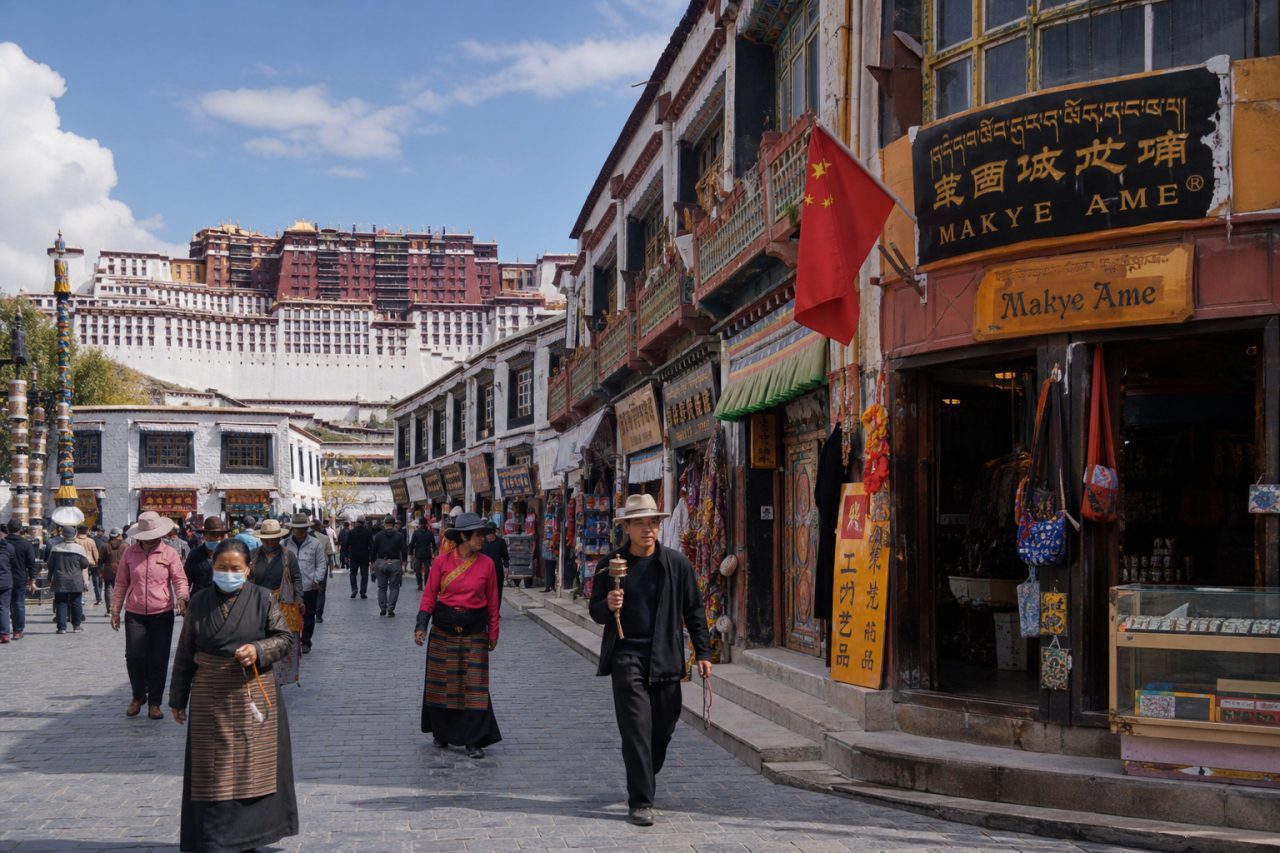
Lhasa Old Town Walking Guide: Barkhor Route, Monastery Stops, and How Much Time You Need
Plan a practical…
Common Questions
Questions Readers Usually Ask Next
These answers close the practical questions still left after this guide, so you can decide what to do next without another search.
Can vegetarians eat reasonably well in Tibet?
In Lhasa and larger stops, usually yes if they stay flexible and ask for simple cooked dishes, noodles, eggs, vegetables, or soup. On remote route days, options may narrow, so travelers should tell their guide early and keep backup snacks.
Is Tibetan food usually spicy?
Not always. Many Tibetan staples are more rich, salty, or fatty than spicy. If you are sensitive, soup, noodles, steamed dishes, and plain rice-style backups are safer first orders than oily shared plates.
Should I try butter tea on my first day?
Try it as a small tasting, not as your main drink. Many first-time travelers find it heavy or unfamiliar, especially when altitude already affects appetite.
What should I order on a low-appetite day?
Choose hot soup, plain noodles, simple rice, eggs, or steamed momos, and eat lightly rather than forcing a heavy local meal.