
Tibet Train Classes Explained: Soft Sleeper vs Hard Sleeper vs Flying to Lhasa
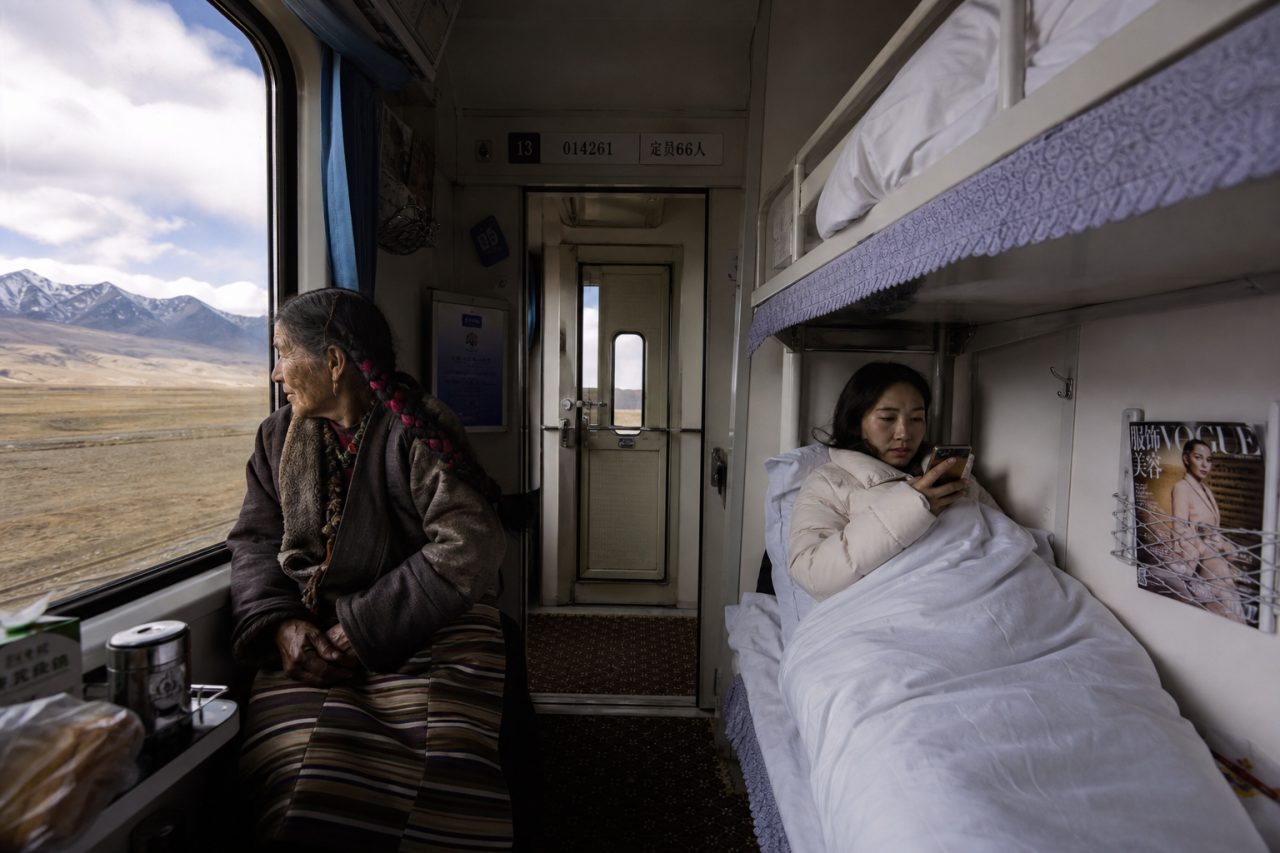
If you are deciding how to enter Tibet, the real question is not just train or flight. It is whether you want to spend more time for a gentler build-up and an overland experience, or save time and arrive faster with less travel fatigue before the Tibet portion of your trip begins. For most first-time travelers who want the train, soft sleeper is the better default. Hard sleeper is acceptable only if budget matters more than privacy and sleep quality. Flying to Lhasa is usually the better choice when vacation time is short or the train journey itself is not a major goal.
Two facts shape this decision. First, Lhasa sits at high altitude, so how you arrive can affect how your first day feels. The U.S. Centers for Disease Control and Prevention advises that altitude illness risk rises with rapid ascent and recommends gradual ascent when possible: CDC, Travel to High Altitudes. Second, train classes differ in privacy and rest quality on long journeys, and those differences matter more on Tibet routes than on short overnight trips.
Soft sleeper, hard sleeper, or flight: the short answer
Choose soft sleeper if you want the Tibet train experience but do not want to arrive already tired. It usually makes the most sense for first-time visitors, couples, older travelers, and anyone who knows poor sleep can spoil the first days of a high-altitude trip.
Choose hard sleeper only if you are budget-led, sleep easily in shared spaces, and accept a more public, less comfortable environment. It is not automatically a bad choice, but it is the option most likely to cause regret among travelers who imagined they were fine with basic conditions and then faced a long route.
Choose a flight to Lhasa if time is your top priority or if the train is not part of the experience you care about. A flight gets you there faster, but the altitude jump is quicker, so it is smart to keep your arrival day light and avoid planning demanding sightseeing immediately after landing.
What actually changes between soft sleeper, hard sleeper, and flying
Soft sleeper
Soft sleeper cabins are the comfort-focused train choice. In practical terms, you are paying for a quieter space, fewer people in the compartment, more privacy, and a better chance of real sleep rather than broken rest.
That difference matters because the Tibet-bound rail journey is long. Even travelers who are comfortable on trains often find that privacy, noise, and repeated interruptions feel more tiring once the trip extends well beyond a simple overnight ride.
Hard sleeper
Hard sleeper is usually the lowest-cost sleeper option people seriously consider for Tibet. The issue is not only that the bed is firmer. The bigger difference is the shared environment: more people, less privacy, more corridor noise, and a higher chance that you arrive feeling like the journey has already taken a bite out of your energy.
This can still work for younger budget travelers, travelers used to basic rail travel, or people who care more about reaching Tibet cheaply than arriving well rested. It is a weak fit for couples seeking comfort, seniors, and travelers treating Tibet as a once-in-a-lifetime trip rather than a backpacking segment.
Flight entry
Flying changes the equation completely. You skip the long overland approach and preserve more days for Lhasa and the rest of Tibet. That is often the rational choice for travelers on a one-week or tightly planned trip.
The trade-off is a faster altitude gain. The CDC advises travelers at high altitude to pace activity and watch for symptoms such as headache, nausea, fatigue, or dizziness: CDC, Travel to High Altitudes. That does not mean flying is unsafe for most travelers, but it does mean your first day should be treated as an arrival and adjustment day, not a performance day.
Which option fits your trip style, budget, and altitude comfort
Best for most first-time travelers: soft sleeper
For most foreign visitors, soft sleeper is the safest recommendation because it balances experience and comfort. You still get the scenic rail approach and a more gradual ascent than flying, while protecting the sleep quality that helps you enjoy Lhasa after arrival.
Many first-time travelers underestimate how much arrival energy matters in Tibet. If you reach Lhasa already sleep-deprived, even mild altitude effects can feel worse than they otherwise would.
Best for budget-led travelers: hard sleeper
Hard sleeper makes sense when controlling total cost clearly outweighs comfort. If that is your situation, book it with realistic expectations, not romantic train imagery.
The mistake is choosing hard sleeper to save money without considering the rest of the trip budget. If you are already investing in permits, flights within China, hotels, and a guided Tibet itinerary, the cheaper berth can become a false economy if it leaves you exhausted for the first part of the trip. Travelers comparing total trip value often also benefit from reading Tibet Group Tour vs Private Custom Tour Cost: Which Option Actually Saves More?.
Best for tight schedules: flight
If you have limited annual leave or only a short Tibet window, flying is usually the smarter choice. The time saved is often more valuable than the train experience, especially if your main goal is Tibet itself rather than the journey to get there.
This is also a good choice for travelers who dislike confined overnight transport or do not sleep well on trains. In that case, the flight may actually reduce total travel stress even if the altitude adjustment requires a slower first day.
Best middle ground: train one way, flight the other
A one-way train and one-way flight is often the most balanced plan. You get one overland entry or exit, but you do not spend both directions on long rail travel.
This hybrid works especially well for travelers who want the train as part of the story, but not at the cost of too many vacation days. It also lowers the pressure to choose between experience and efficiency as if only one can win.
When the Tibet train is worth the extra time and when it is not
The train is worth the extra time when the journey is part of the purpose, when you prefer a slower approach to altitude, or when you would regret skipping the overland route. It is also worth the time when your itinerary already has enough days that the rail segment does not squeeze Tibet itself.
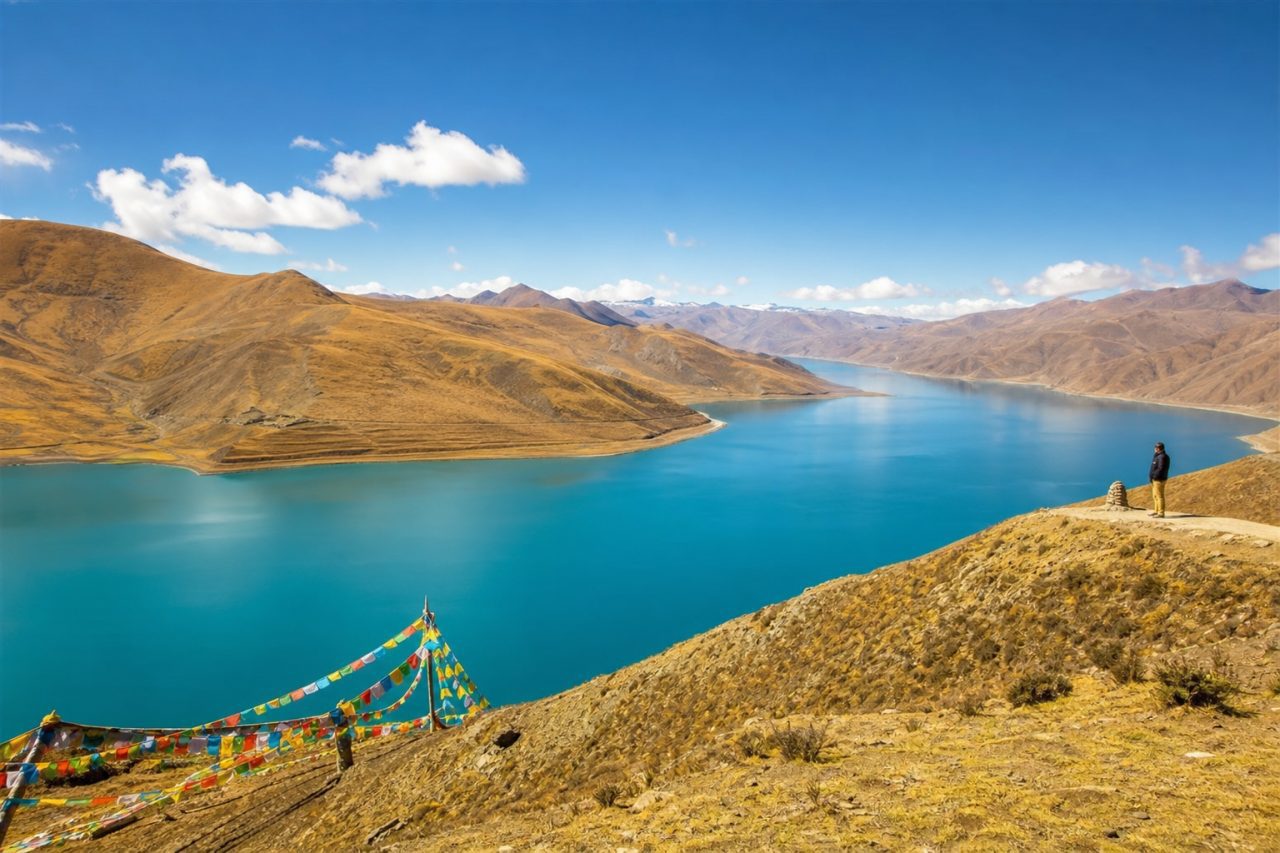
The train is usually not worth the extra time when you only have a short holiday, when comfort matters more than novelty, or when the train booking process adds complexity you do not want. Train schedules, berth availability, and routing can change, so exact options should always be confirmed before payment and permit timing should be lined up with your final transport plan.
If your travel dates fall in summer, weather and transport disruptions can affect broader route planning in western China. For that angle, see Tibet Travel in July and August: Rainy Season, Mudslides, and What to Plan For.
Common mistakes that lead to the wrong entry choice
Choosing by price alone
The cheapest berth is not always the cheapest decision. A long, badly rested arrival can reduce the value of the first days of your Tibet trip, which is often where travelers have the highest expectations.
Assuming the train automatically solves altitude concerns
A slower ascent can help some travelers feel more comfortable, and the CDC supports gradual ascent as a general altitude principle: CDC, Travel to High Altitudes. But the train is not a guarantee against altitude symptoms. Good pacing after arrival still matters.
Ignoring who the option is a poor fit for
Hard sleeper is a poor fit for seniors, light sleepers, privacy-focused couples, and travelers with low tolerance for shared facilities. Travelers with elderly parents or multi-generation groups often prefer more comfort and easier transitions, which is why route style matters as much as cost; this related guide can help: How to Choose the Right Tibet Tour for Seniors and Multi-Generation Families.
The best choice for different traveler types
First-time travelers: choose soft sleeper if taking the train, or fly if time is limited. Avoid hard sleeper unless budget clearly overrides comfort.
Couples: soft sleeper is usually the better train option because privacy and rest matter more on a long route. Travelers planning a more comfort-led itinerary may also want Tibet Travel for Couples: Private Tour Ideas, Romantic Routes, and Hotel Choices.
Seniors and multi-generation families: soft sleeper or flight usually makes more sense than hard sleeper. The decision depends on mobility, sleep needs, and how much travel strain the group wants before reaching Tibet.
Travelers on a tight schedule: fly in, then decide later whether a train on the return is worth it. Protecting Tibet sightseeing days is often the better use of limited time.
Budget travelers: hard sleeper can work if you are realistic about the trade-off. Just make sure you are saving money for a reason, not out of habit.
Final recommendation
If you want one clear recommendation, it is this: book soft sleeper if you want the train, book a flight if you want efficiency, and book hard sleeper only if you are consciously trading comfort for savings. That framework fits most travelers better than chasing a universal answer.
The one mistake to avoid is treating the Tibet train like an ordinary overnight train decision. It is part of how you start a high-altitude trip, so sleep quality, fatigue, and vacation time matter more than they would on a shorter journey. When you are ready to turn that choice into a workable itinerary, How to Choose a Tibet Tour Company: Red Flags, Inclusions, Reviews, and Questions to Ask is the right next step.
Route suitability
Dynamic Trust & Reassurance Block
Use this article as a planning reference, not a final commitment
Route suitability
For "Tibet Train Classes Explained: Soft Sleeper vs Hard Sleeper vs Flying to Lhasa", the right route depends on available days, altitude comfort, transport preference and the experience you want to prioritize.
Decision support
Use this article to compare route trade-offs, pacing and must-confirm logistics before choosing a final itinerary.
Before you commit
Before committing, confirm permit feasibility, road access, hotel availability, physical difficulty and your preferred travel pace.
Last reviewed: July 19, 2026
Design Your RouteRoute design support
Need help turning this route idea into a real plan?
We can help adjust the itinerary around your dates, pace, altitude comfort, permit needs and must-see places.
Design Your RouteYou Might Also Like
Jul 22, 2026
Tibet Photography Guide: Best Places, Camera Rules, and Drone Restrictions
Plan where to sh…
Jul 22, 2026
Tibet with Kids: Family-Friendly Routes, Age Limits, and Comfort Planning
Planning Tibet w…

Jul 22, 2026
Tibet Travel Insurance Guide: What Policies Should Cover for Remote Trips
Choosing Tibet t…
Common Questions
Questions Readers Usually Ask Next
These answers close the practical questions still left after this guide, so you can decide what to do next without another search.
Is a soft sleeper worth it for a first-time Tibet trip?
Usually yes if you already know you want to take the train. Better privacy and rest tend to matter more on a long Tibet-bound journey than the headline price difference, especially for first-time visitors who want to arrive with more energy.
Who should avoid hard sleeper on the Tibet train?
Hard sleeper is usually a poor fit for light sleepers, seniors, travelers who care about privacy, and anyone who gets tired easily from long shared-space travel. It suits budget-led travelers who accept lower comfort in exchange for lower cost.
Is taking the train to Lhasa always better for altitude adjustment than flying?
Not always. A slower ascent can help some travelers feel more comfortable, but it does not guarantee an easy adjustment for everyone. The better choice still depends on your time budget, comfort needs, and how much the rail journey matters to you.
Does a train-in, flight-out plan make sense for many travelers?
Yes. It is often the best middle option for travelers who want the overland train experience once but do not want to spend long rail time in both directions. It also makes itinerary planning more flexible.