
How to Choose a Tibet Tour Company: Red Flags, Inclusions, Reviews, and Questions to Ask

If you are comparing Tibet tour companies, the real decision is not who has the lowest quote. It is who can explain the trip clearly, handle the permit-dependent logistics properly, and give you a written itinerary that still makes sense if weather, road conditions, or travel policy details require adjustments. For most travelers, the safest choice is the company that is most transparent about inclusions, exclusions, pacing, and limits, even if the price is not the cheapest.
That matters more in Tibet than in many other destinations because independent foreign travel is restricted and permit handling is part of the booking process. The official travel guidance published by Travel China Guide states that foreign travelers need a Tibet Travel Permit and cannot travel in Tibet independently, while the Chinese Embassy in the United States explains that China entry visa requirements depend on nationality and passport situation, both of which can affect trip planning (Travel China Guide: Tibet Travel Permit; Embassy of the People’s Republic of China in the United States: Visa for China). A good Tibet operator should explain those dependencies clearly, not treat them like a sales detail.
What Actually Makes a Tibet Tour Company Worth Trusting
A reliable Tibet tour company does four things well. It gives you a realistic itinerary, a line-by-line inclusion list, a clear explanation of what it can arrange, and calm answers when you ask difficult questions about permits, hotels, altitude pacing, road changes, or cancellations.
In practice, trust usually looks boring. The company tells you which hotels are planned or what standard they represent, whether airport or train station transfers are included, what kind of vehicle is used, whether entrance tickets and guide service are included, and what happens if a route is affected by seasonal conditions.
That last point matters because transport and weather can affect overland plans. For example, travelers considering summer dates should compare how operators discuss disruption planning, not just scenic highlights, especially in the rainy season when route conditions can change; this becomes more important if you are reading tours for July or August, as discussed here: Tibet Travel in July and August: Rainy Season, Mudslides, and What to Plan For.
Red Flags That Should Make You Pause Before Booking
The company avoids specifics
If the quote says “all included” but does not list hotels, entry tickets, vehicle type, guide language, meals, or transfers, you are not comparing a real product. You are comparing marketing language. Weak operators often stay vague because a vague quote is harder to challenge later.
The price is much lower than everyone else
A cheaper quote is not automatically a problem, but a dramatically cheaper one usually means something has been stripped out or downgraded. The most common issues are lower hotel standards, extra fees added later, shared transport where you expected private transport, or an itinerary paced too aggressively to be comfortable at altitude.
That is why price should be your final comparison point, not your first. A slightly higher quote can be better value if it includes stronger hotels, clearer transfer support, better route pacing, and more realistic change handling.
The operator promises certainty where certainty does not exist
Be careful with statements like “permit guaranteed,” “no possibility of schedule changes,” or “no risk in any season.” Permit processing, road access, weather, and local operating conditions can change, and responsible companies explain how they manage those variables rather than pretending they do not exist.
The reviews look perfect but not useful
Five-star ratings alone do not prove much. Be cautious if reviews are extremely short, repetitive, generic, or focused only on scenery instead of the company’s communication, guide quality, transport, hotel accuracy, and problem handling.
What a Tibet Tour Quote Should Include Before You Compare Prices
Before you compare companies, ask each one for the same level of detail in writing. At minimum, the quote should state the route, number of nights, hotel standard or named hotels, private or shared vehicle arrangement, guide service, entrance tickets, transfer coverage, meal plan, permit support, exclusions, deposit amount, and cancellation terms.
This is also where you need to separate official facts from company service claims. A company can help organize Tibet travel paperwork, but visa eligibility, document requirements, and entry approval are governed by official authorities, not by the operator’s sales team (Chinese Embassy visa guidance).
For cost comparison, focus on what changes the real travel experience: hotel category, transport privacy, flexibility, and whether the company has built enough acclimatization time into the route. If you are weighing shared and custom formats, these guides are useful for comparing the trade-offs directly: Tibet Group Tour vs Private Tour: Cost, Flexibility, Comfort, and Who Each Option Fits and Tibet Group Tour vs Private Custom Tour Cost: Which Option Actually Saves More?.
How to Read Tibet Tour Reviews Without Being Misled
Start with review patterns, not star averages. Useful reviews mention whether the final trip matched the original quote, how the company handled permits and pre-trip communication, whether the guide was organized, whether hotels matched the promised standard, and how the operator responded when plans changed.
Then check review spread. If a company has reviews on multiple independent platforms such as Google or TripAdvisor, compare the themes. Consistency matters more than volume. One company may have fewer reviews but more detailed and credible ones.
Pay special attention to negative or mixed reviews. A complaint about one hotel room is less important than repeated complaints about hidden fees, poor communication, rushed altitude pacing, or last-minute itinerary changes with no clear explanation.
The Questions That Reveal Whether an Operator Really Knows Tibet Travel
Good questions are specific enough that weak companies cannot hide behind polished wording. Ask what is included and excluded line by line, what hotel options are actually being quoted, and whether the route has enough time for acclimatization before any higher pass or longer overland segment.
Ask what happens if weather, road conditions, or local operating rules affect the route. You are not looking for a guarantee. You are looking for a process. A serious operator should explain how it communicates changes, what alternatives are usually considered, and which costs would or would not change.
Also ask who this itinerary is not ideal for. That question often reveals more than a sales pitch does. A thoughtful company will tell you if the route is too fast for seniors, too basic for honeymoon travelers, or too rigid for families with children.
If your needs are more specific, match the operator to the trip style. Couples often need stronger hotel and privacy planning, while families and older travelers usually need slower pacing and comfort adjustments; these scenarios are covered in Tibet Travel for Couples: Private Tour Ideas, Romantic Routes, and Hotel Choices, Tibet Luxury Private Tours for Honeymooners: How to Plan the Right Trip, and How to Choose the Right Tibet Tour for Seniors and Multi-Generation Families.
How to Choose the Right Company for Your Travel Style, Budget, and Risk Tolerance
If you are budget-focused and comfortable with a fixed route, a group-tour specialist may be the better fit, provided the inclusions are clear and the departure logistics are well explained. If you care more about pace, privacy, hotel choice, or route flexibility, a private-tour operator is usually worth the extra cost.
If you are a first-time Tibet traveler, avoid choosing purely on enthusiasm or branding. Choose the company that writes the clearest quote, answers hard questions directly, and shows that it understands altitude comfort, transfer logistics, and seasonal limits.
The best operator is rarely the one making the biggest promises. It is the one making the fewest vague ones.
Before You Pay a Deposit
Shortlist two to four companies and compare them side by side using the same checklist. Eliminate any operator with unclear exclusions, unrealistic certainty, weak review patterns, or evasive answers. Then ask for a final written confirmation of the itinerary, hotel standard, transport arrangement, permit support scope, payment terms, and cancellation policy.
If you want a dependable booking decision, that final written quote is your standard. A company that cannot explain the trip clearly before payment is unlikely to manage it well after payment.
Permit accuracy
Dynamic Trust & Reassurance Block
Use this article as a planning reference, not a final commitment
Permit accuracy
For "How to Choose a Tibet Tour Company: Red Flags, Inclusions, Reviews, and Questions to A", permit and entry requirements may change by nationality, route, entry city and travel date.
Decision support
Use this article to identify which documents, timing risks and route constraints need confirmation before flights, hotels or overland plans are locked.
Before you commit
Before committing, check the final requirement against your passport, Chinese visa status, route plan and intended document submission date.
Last reviewed: July 18, 2026
Check Permit GuideTravel partner support
Looking for a reliable Tibet travel partner?
Share your travel plans and we can explain how private Tibet planning works, including permits, guides and route design.
Start Custom PlanningYou Might Also Like
Jul 22, 2026
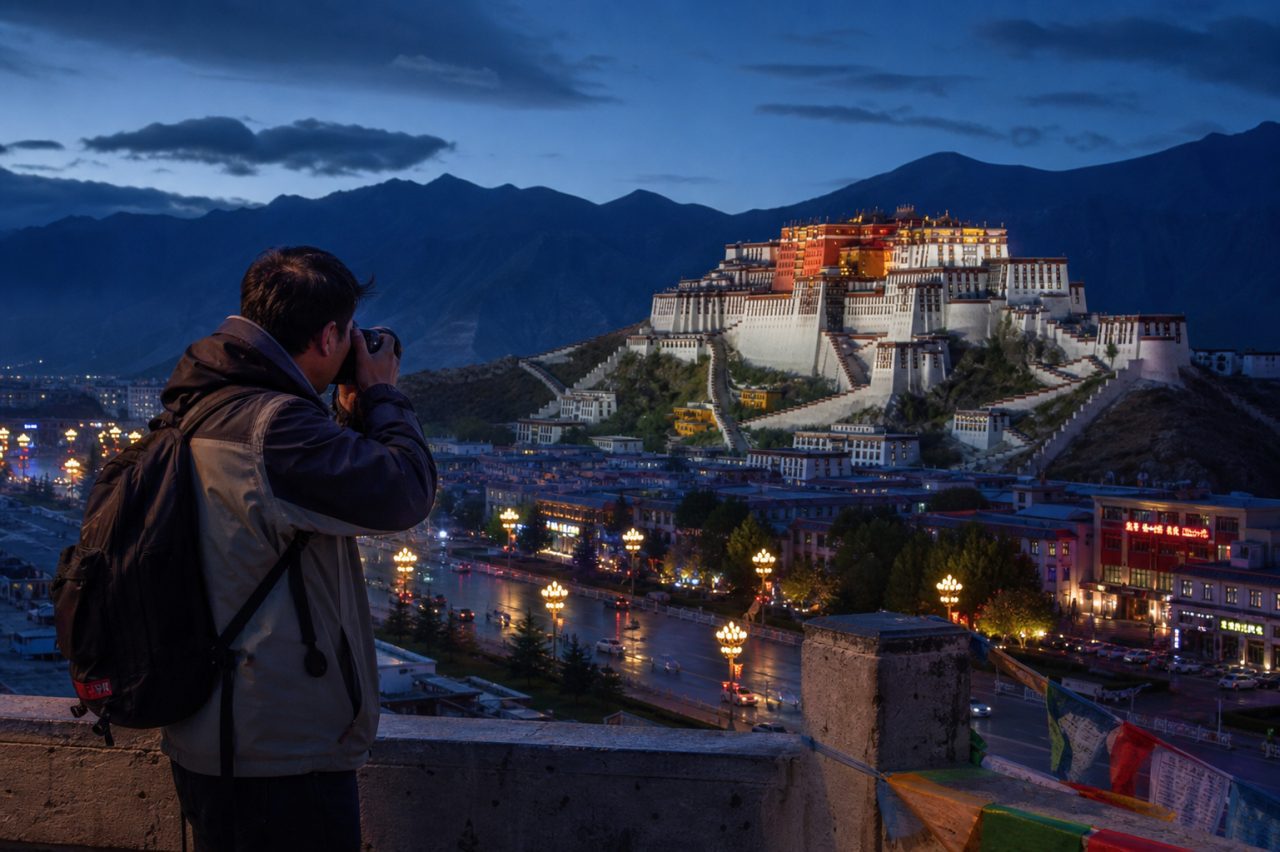
Tibet Photography Guide: Best Places, Camera Rules, and Drone Restrictions
Plan where to sh…

Jul 22, 2026
Tibet with Kids: Family-Friendly Routes, Age Limits, and Comfort Planning
Planning Tibet w…
Jul 22, 2026
Tibet Travel Insurance Guide: What Policies Should Cover for Remote Trips
Choosing Tibet t…
Common Questions
Questions Readers Usually Ask Next
These answers close the practical questions still left after this guide, so you can decide what to do next without another search.
Should permit help always be included in a Tibet tour booking?
In most cases, travelers should expect the company to explain how permit support works and what documents or deadlines affect the process. Ask whether permit coordination is included, what is excluded, and what happens if policy timing changes before departure.
How do I compare deposit and cancellation policies between Tibet tour companies?
Compare the upfront payment percentage, written refund terms, change deadlines, and whether hotels, trains, or flights follow separate rules. A clearer policy can be worth paying slightly more for.
Is a private Tibet tour worth the extra cost?
It often is for travelers who need more pace control, custom routing, better hotel choice, more privacy, or family-friendly flexibility. Group tours usually fit travelers who prioritize savings and are comfortable with a fixed schedule.
Does local Tibet operator support matter if I book through an overseas agency?
Yes, because what matters most is who actually coordinates the permit, guide, vehicle, and on-the-ground changes. Ask who the operating company is and who handles problems during the trip.