
Lhasa Old Town Walking Guide: Barkhor Route, Monastery Stops, and How Much Time You Need
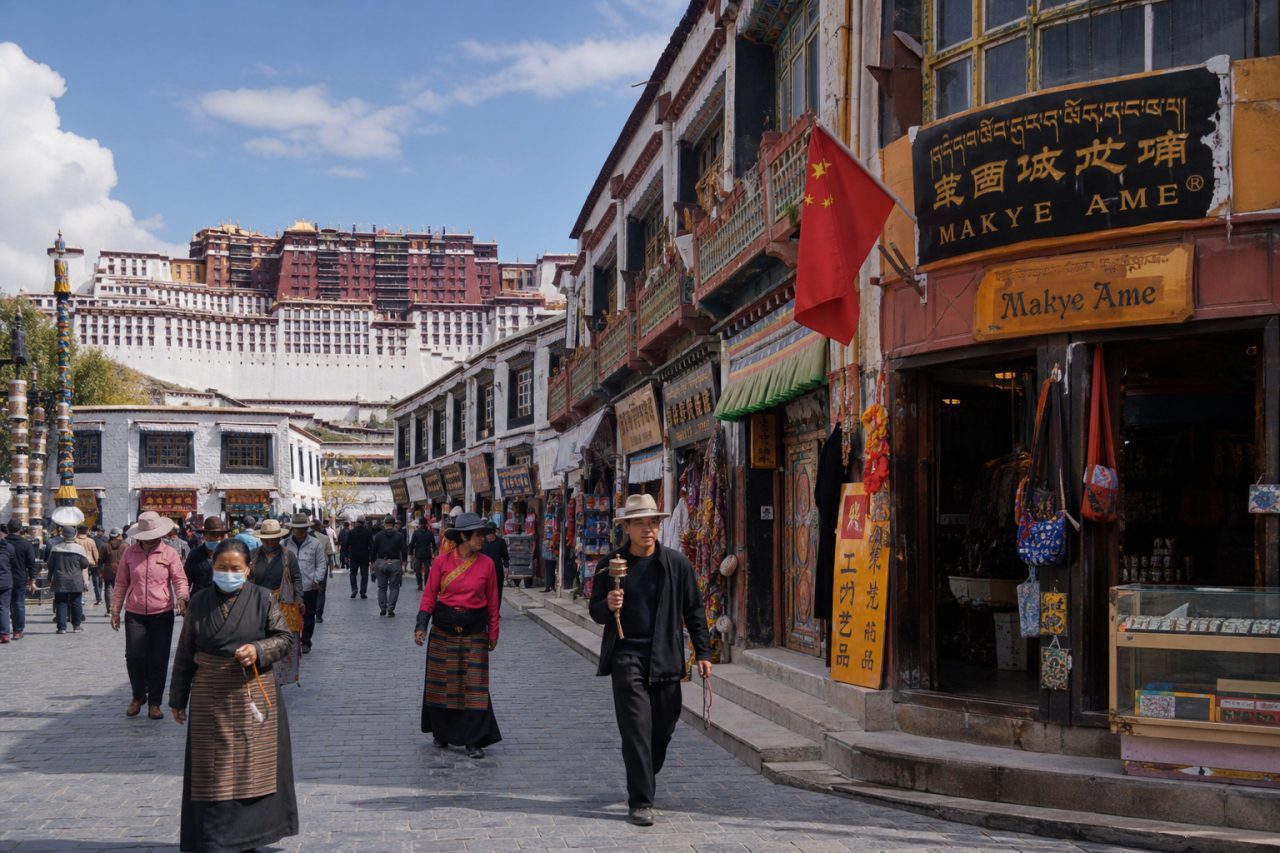
What the Barkhor Walk Actually Covers
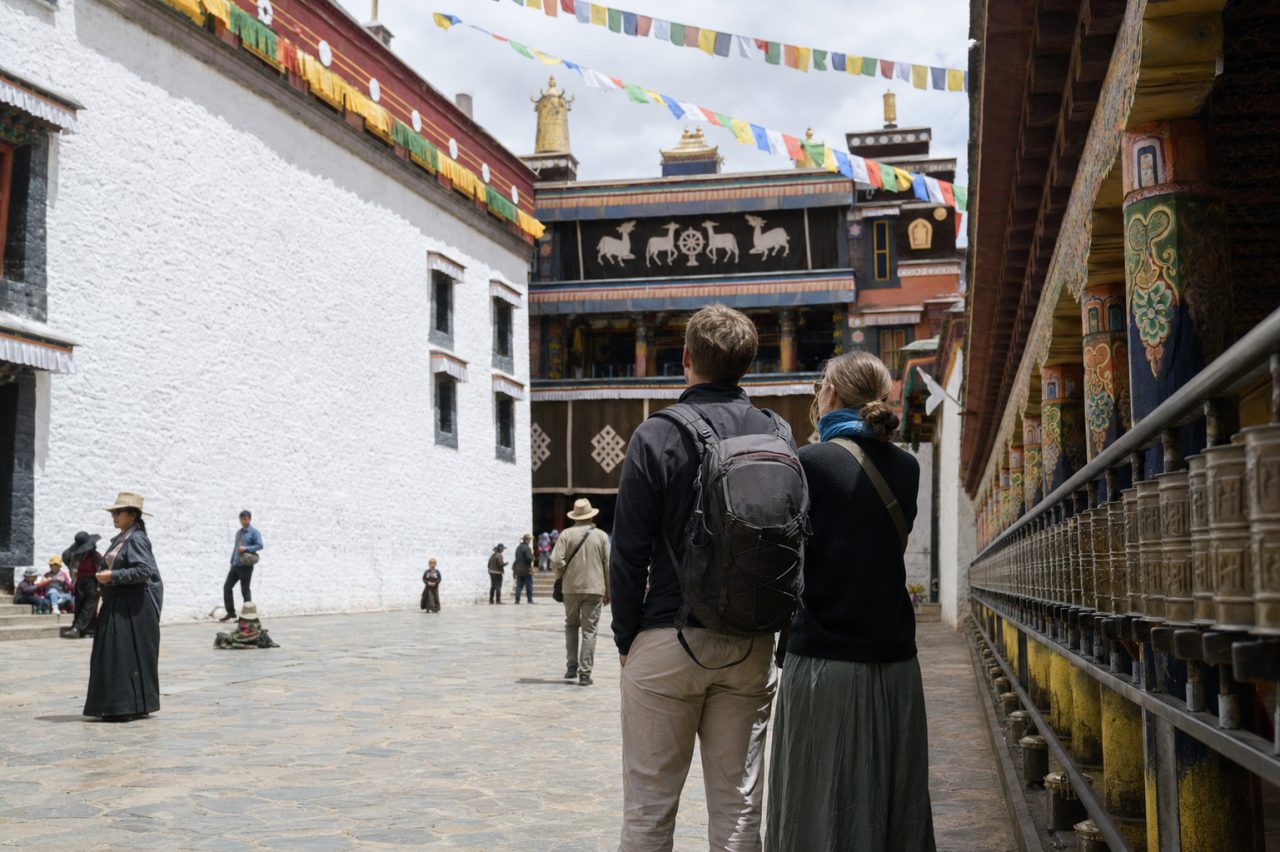
The Barkhor area is the most practical starting point for a Lhasa Old Town walk. It gives you the core street atmosphere, the pilgrimage circuit, and easy access to major religious stops without trying to cover all of Lhasa in one outing.
UNESCO recognizes the wider Lhasa heritage context through the Potala Palace Historic Ensemble, which includes the Jokhang Temple area and Barkhor as part of the city’s historic and cultural core: UNESCO World Heritage Centre. For a visitor, that means Barkhor is not just a shopping street or a photo stop; it is a living route where pilgrims, locals, and travelers share the same space.
The simplest way to think about the walk is this: start with the Barkhor circuit, then add monastery stops only if you have enough time and energy. That keeps the visit meaningful without turning it into a rushed checklist.
The Best First-Time Route
For most first-time visitors, the strongest route is a clockwise walk around Barkhor, with one or two short stops layered in. Clockwise movement matches the flow many pilgrims follow, so it helps you move with the rhythm of the area instead of against it.
A practical sequence is:
- Begin on the main Barkhor streets and get oriented before entering any temple spaces.
- Walk the circuit once at an easy pace so you can observe the atmosphere first.
- Choose one major stop, usually Jokhang Temple if it fits your schedule.
- Add a second stop only if you still have time and want a slower cultural visit.
This is the right version of the walk for most travelers because it balances depth and pace. A quick loop alone can feel too thin, while trying to fit in too many stops often makes the day feel crowded and tiring.
Which Stops Are Worth Your Time
The most important stop for many visitors is Jokhang Temple, because it anchors the Barkhor experience and gives the walk its strongest cultural context. If your time is limited, this is the stop to prioritize over less essential detours.
Other nearby monastery or temple visits can be worthwhile, but only if they support the kind of visit you want. If your goal is a clear first look at Lhasa Old Town, one major religious stop is usually enough. If your goal is deeper observation and a slower pace, adding a second stop makes sense.
The key is not to collect as many names as possible. It is to choose the stop that actually improves your understanding of the Barkhor area. For many readers, that means fewer stops and more time to absorb the place properly.
How Much Time to Allow
Time is the main decision point for this walk. A short Barkhor circuit can be done in under an hour if you only want the street experience, but that is the minimum version, not the most satisfying one.
For a balanced visit, allow about 2 to 3 hours. That gives you time for the walk itself, one meaningful temple stop, and a few pauses for observation without feeling rushed. For a slower cultural walk, half a day is more realistic, especially if you want to spend more time inside religious sites or stop often to look around.
Choosing the right time block depends on your pace, your interest in monastery visits, and how much altitude comfort you have left that day. Many first-time visitors do best with the middle option because it leaves room for discovery without creating fatigue.
When to Walk for Comfort and Atmosphere
Earlier in the day is usually easier if you want a calmer walk and a little more breathing room. Later hours can bring stronger atmosphere, but also more crowd pressure. The better choice depends on whether you value quiet movement or a busier, more social street feel.
Altitude matters too. Lhasa is high enough that even an easy walk can feel more demanding than the distance suggests, so the route should be planned as a relaxed outing rather than a fitness test. If you are already adjusting to altitude, keep the first walk short and add time only if you still feel comfortable.
Weather can also change the experience. In summer, city walks can still be pleasant, but rain can make the day less comfortable and slow you down. If you are traveling in July or August, it is worth checking seasonal conditions before you lock in a longer walking day: Tibet Travel in July and August: Rainy Season, Mudslides, and What to Plan For.
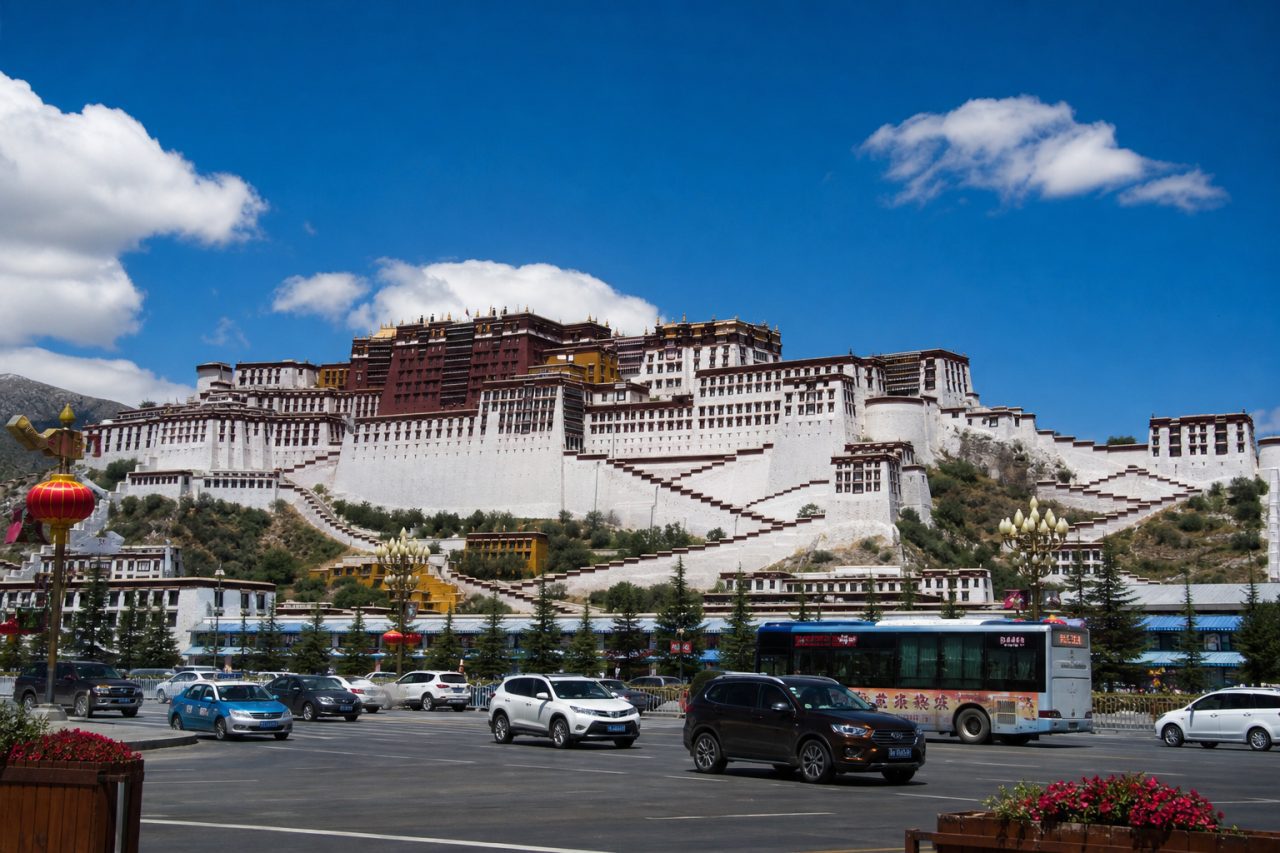
Etiquette and Common Mistakes
The biggest mistake is treating Barkhor like a fast sightseeing loop. That often leads to poor pacing, too many stops, and a visit that feels more rushed than rewarding. A better approach is to walk slowly, watch how others move, and let the route guide the pace.
Respectful behavior matters most around religious spaces and pilgrims. Keep your voice low, do not block movement, and be careful with photography near sensitive areas. If you are unsure, pause and observe first; that simple habit prevents most awkward moments.
Another common mistake is underestimating how much time temple entries, crowd flow, and rest breaks add to the day. Even a short walk becomes fuller once you include those real-world pauses, so build a buffer into your plan.
Who Should Choose Which Version
If you have limited time in Lhasa, choose the short circuit and one major stop. That version gives you the Barkhor experience without forcing you to rush through it.
If you want the best balance of depth and comfort, choose the 2 to 3 hour version with one strong temple stop. That is the most useful choice for many first-time visitors because it leaves enough time to understand the area without overcommitting.
If you are traveling with slower walkers, older relatives, or a multi-generation group, keep the route simple and leave extra margin. For that kind of trip, route clarity matters more than covering every stop. A related planning guide can help if you are shaping a broader family itinerary: How to Choose the Right Tibet Tour for Seniors and Multi-Generation Families.
The Best Practical Takeaway
The right Lhasa Old Town walk is usually not the longest one. It is the version that fits your time, your energy, and your interest in temple visits. For most readers, that means a clockwise Barkhor circuit, one major monastery stop, and enough buffer time to walk slowly.
If you build the day around that logic, the walk feels clear instead of fragmented. You will see the most important parts of Old Town, avoid the usual planning mistakes, and leave with a better sense of place rather than just another item checked off.
Route suitability
Dynamic Trust & Reassurance Block
Use this article as a planning reference, not a final commitment
Route suitability
For "Lhasa Old Town Walking Guide: Barkhor Route, Monastery Stops, and How Much Time You Ne", the right route depends on available days, altitude comfort, transport preference and the experience you want to prioritize.
Decision support
Use this article to compare route trade-offs, pacing and must-confirm logistics before choosing a final itinerary.
Before you commit
Before committing, confirm permit feasibility, road access, hotel availability, physical difficulty and your preferred travel pace.
Last reviewed: July 19, 2026
Design Your RouteRoute design support
Need help turning this route idea into a real plan?
We can help adjust the itinerary around your dates, pace, altitude comfort, permit needs and must-see places.
Design Your RouteYou Might Also Like
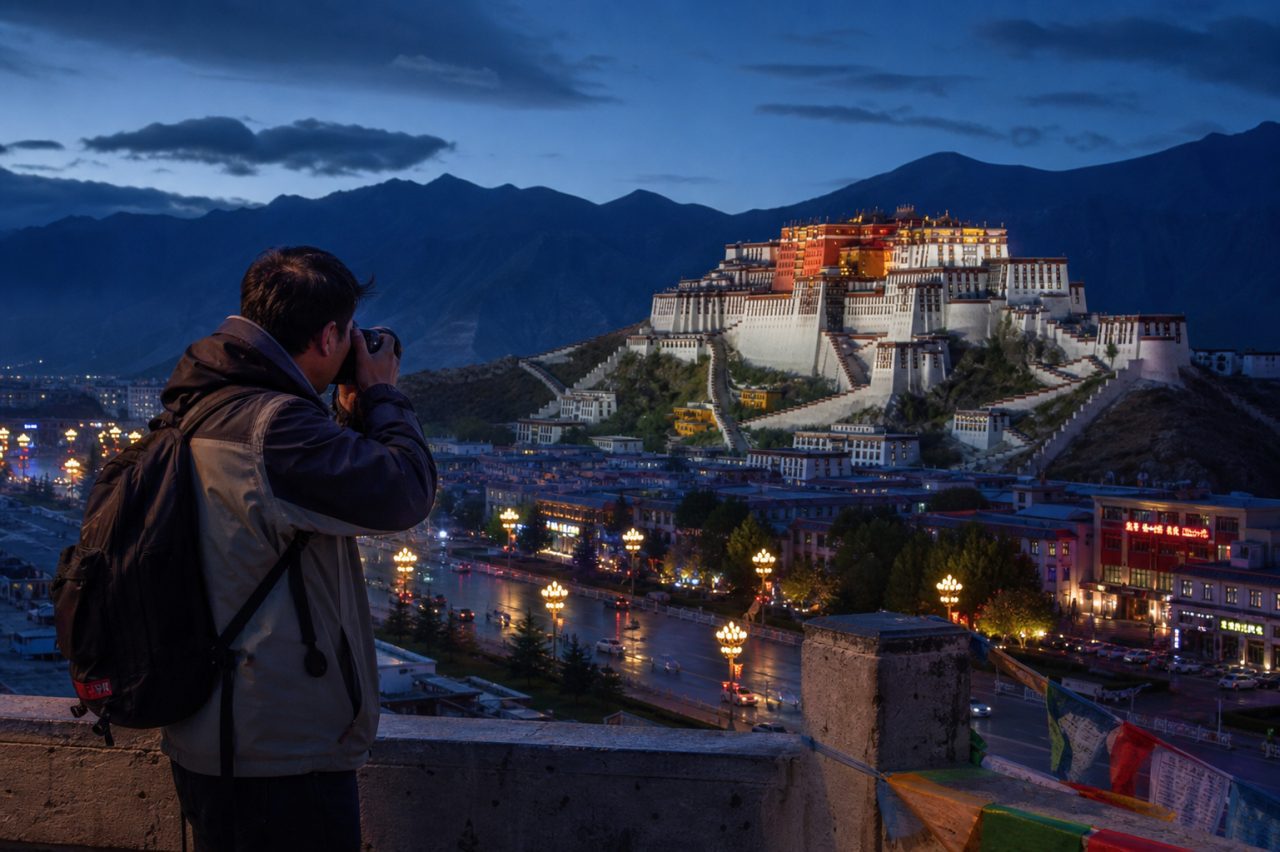
Jul 22, 2026
Tibet Photography Guide: Best Places, Camera Rules, and Drone Restrictions
Plan where to sh…
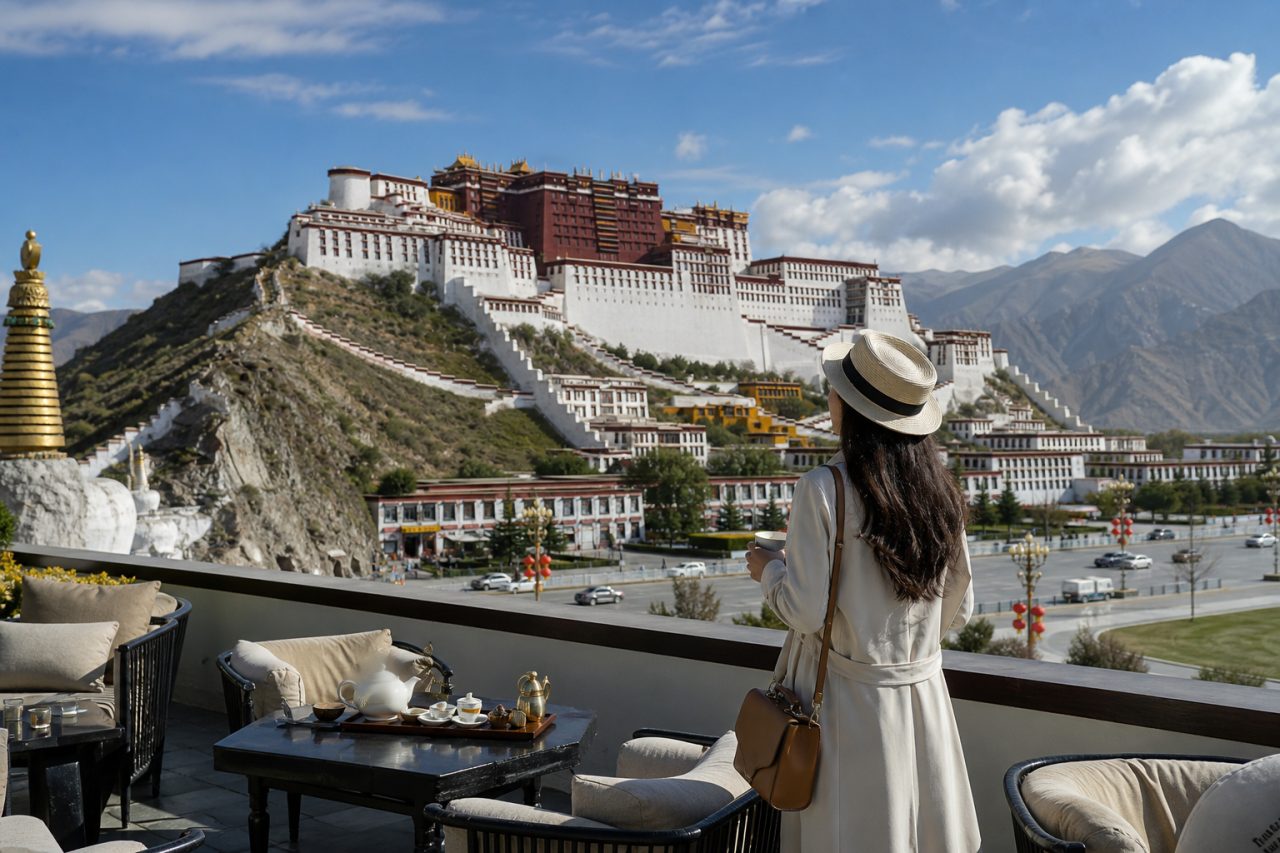
Jul 21, 2026
2026 Lhasa Luxury Travel Itineraries: How to Choose the Right Private Tibet Trip
Compare 2026 Lha…
Jul 21, 2026
Tibet Monastery Etiquette: What Travelers Should Wear, Say, and Never Do
A practical guid…
Common Questions
Questions Readers Usually Ask Next
These answers close the practical questions still left after this guide, so you can decide what to do next without another search.
Do you have to walk Barkhor clockwise?
Yes, most visitors follow the same clockwise flow used by pilgrims. Following local movement keeps the walk smoother and more respectful.
Is Barkhor suitable on your first day in Lhasa?
It can be, if you keep the walk short and move slowly. Many first-time visitors prefer a lighter version on arrival day and save longer temple visits for later.
How much extra time do temple visits add?
A walk-only circuit is much quicker than a walk with temple stops. Entry, queues, slower observation, and rest breaks can easily turn a simple circuit into a two- to three-hour visit.
Is the route manageable for seniors or families?
Often yes, but a shorter version usually works better. Slower walkers and multi-generation groups tend to have a better experience when they limit stops and keep flexible rest time.
Can you take photos everywhere?
Street photography may be possible in some areas, but temple interiors or active religious spaces often have stricter expectations. It is better to check on site and follow posted rules or local guidance.