
Is It Safe for Seniors Over 60 to Travel to Everest Base Camp in Tibet?
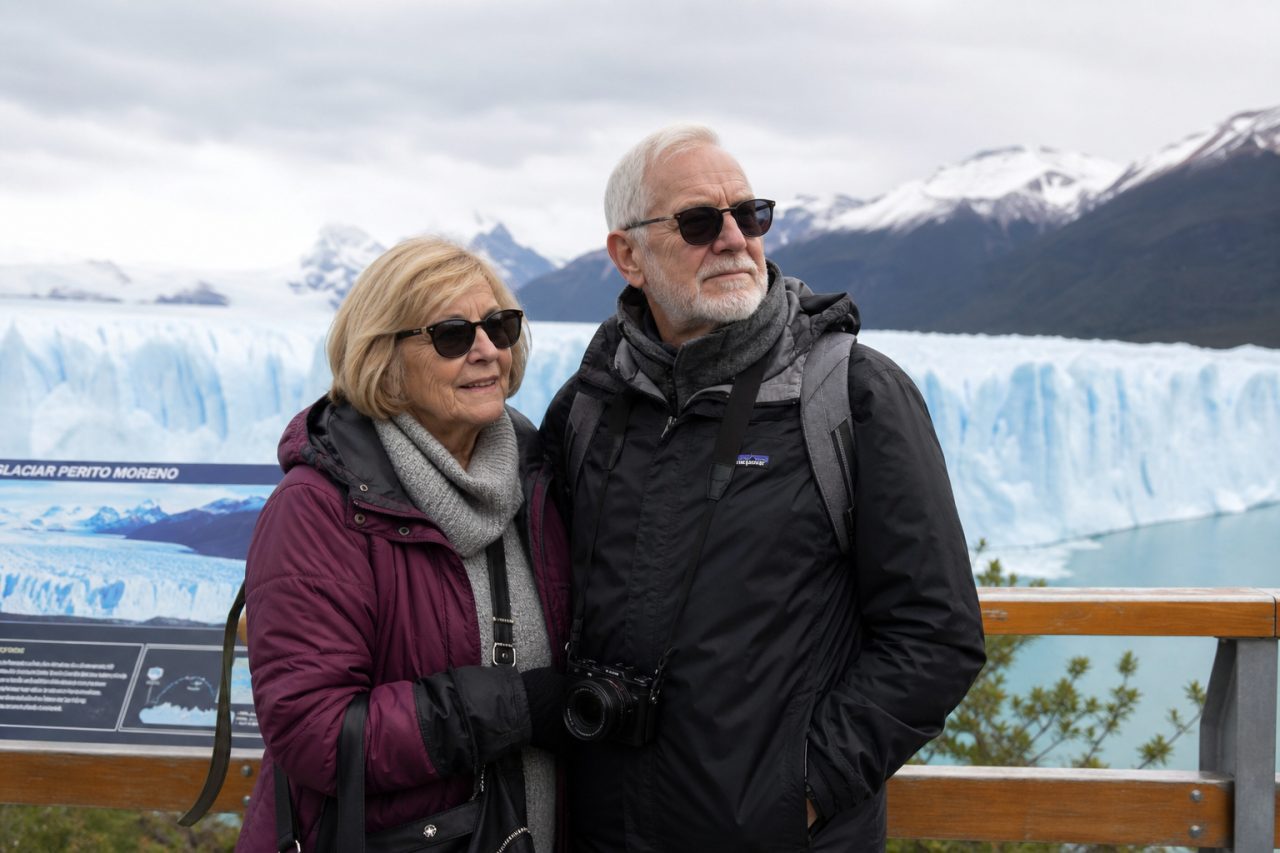
If you are over 60 and thinking about Everest Base Camp in Tibet, the right question is not simply, “Am I too old?” The real decision is whether your health, altitude tolerance, and itinerary give you enough safety margin at very high elevation. The short answer is yes, some seniors over 60 can safely visit Everest Base Camp in Tibet, but it is not a routine sightseeing trip and it is not a good fit for everyone.
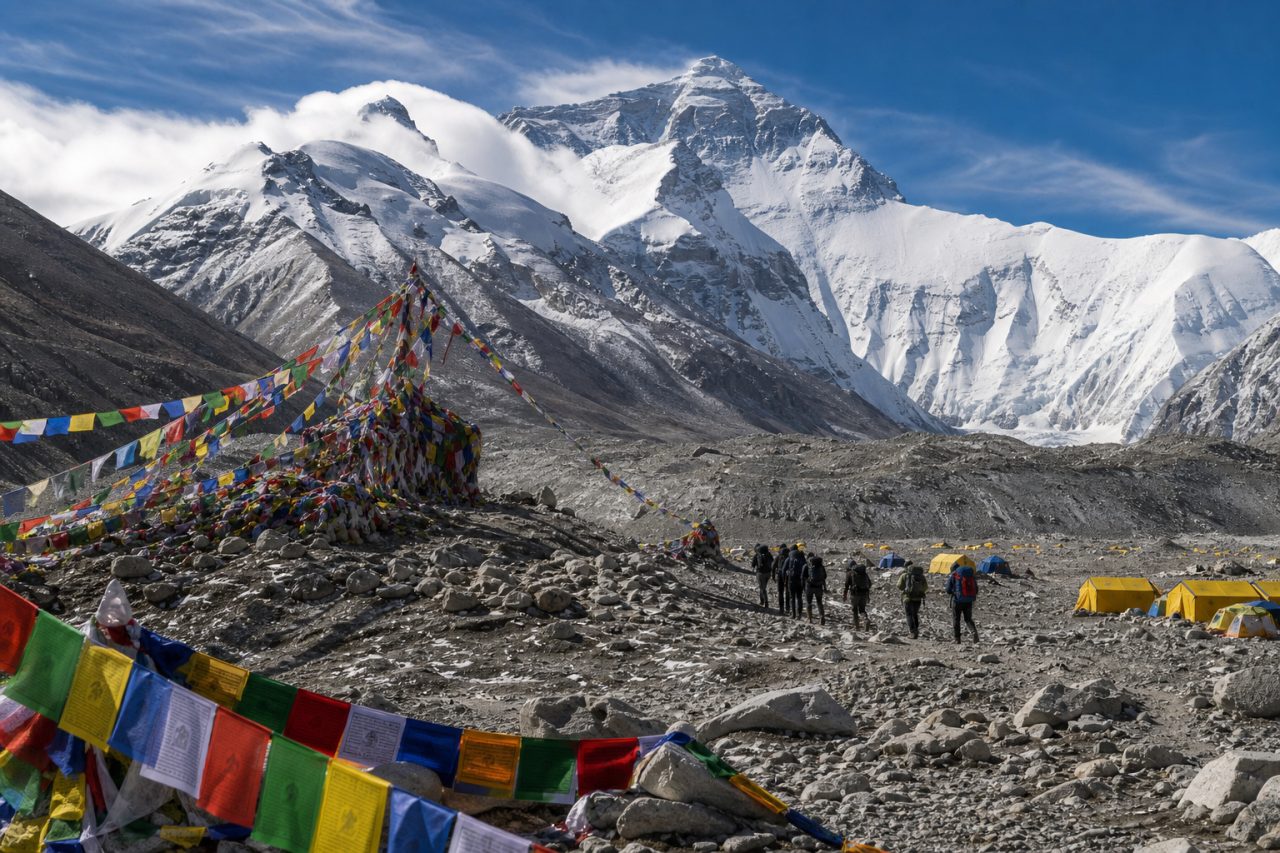
The key issue is altitude. Everest Base Camp on the Tibet side is around 5,200 meters, and major travel-health guidance from the CDC Yellow Book, the NHS, and the Wilderness Medical Society treats this as a serious high-altitude environment where acute mountain sickness can affect even otherwise healthy travelers. See CDC Yellow Book high-altitude guidance: https://www.cdc.gov/yellow-book/, NHS altitude sickness overview: https://www.nhs.uk/conditions/altitude-sickness/, and Wilderness Medical Society clinical guidance: https://wms.org/magazine/magazine/1252/2019altitude-cpg/default.aspx.
When age is not the main risk
Age alone is not the best predictor of whether you will handle Everest Base Camp well. The more important factors are pre-existing heart or lung disease, how quickly you ascend, your highest sleeping altitude, whether you have time to acclimatize, and whether you are willing to stop if symptoms start. That is consistent with the Wilderness Medical Society guidance on altitude illness risk and prevention: https://wms.org/magazine/magazine/1252/2019altitude-cpg/default.aspx.
This is why one 68-year-old traveler may do well on a slow overland Tibet route, while a 62-year-old with poorly controlled blood pressure, sleep apnea, or a rushed itinerary may be a poor candidate. Being active at home helps, but it does not prove that your body will tolerate 5,200 meters. High altitude stresses oxygen delivery, sleep, hydration, recovery, and judgment in ways normal daily fitness does not fully test.
Who should reconsider or delay the trip
A senior traveler should get medical clearance before committing if there is any history of cardiovascular disease, chronic lung disease, prior severe altitude illness, stroke, unstable blood pressure, or recent major surgery. That is not because age makes the trip automatically unsafe, but because high altitude reduces oxygen availability and can turn a manageable condition into a serious problem faster than many travelers expect.
You should be especially cautious if you already get short of breath with light exertion, need close medication monitoring, or would struggle to tell normal travel fatigue from worsening illness. The NHS advises urgent descent and medical attention for serious symptoms such as severe breathlessness at rest, confusion, difficulty walking, or blue or gray lips, which may suggest high-altitude pulmonary edema or cerebral edema: https://www.nhs.uk/conditions/altitude-sickness/.
A simple rule is this: if your health is stable, your doctor agrees you can travel to very high altitude, and you can accept a conservative itinerary with the option to stop short, the trip may be realistic. If your health is unstable or you would feel pressured to continue despite symptoms, a lower-altitude Tibet plan is usually the better decision.
How itinerary design changes safety
For seniors, itinerary design matters almost as much as medical fit. A slower overland route with acclimatization time in Lhasa and intermediate stops is usually safer than a compressed schedule that pushes rapidly to the highest point. That aligns with the CDC Yellow Book and Wilderness Medical Society advice that gradual ascent improves acclimatization and lowers altitude illness risk: https://www.cdc.gov/yellow-book/ and https://wms.org/magazine/magazine/1252/2019altitude-cpg/default.aspx.
In practical terms, the safer senior-friendly version is vehicle-supported, adds rest time before the Everest segment, and treats Everest Base Camp as a conditional goal rather than a guaranteed finish. This is also where preparation matters. A focused Tibet acclimatization plan, hydration strategy, and symptom monitoring routine can reduce avoidable mistakes; see High-Altitude Travel Guide: How to Prepare, Acclimatize, and Stay Safe in Tibet.
The mistake to avoid is assuming that a road-based trip is low risk because you are not trekking for days. You may still sleep and travel at extreme altitude, and altitude illness can develop even when physical effort is modest. The vehicle helps with logistics and faster descent options, but it does not remove the underlying altitude stress.
Symptoms that mean stop, not push through
Mild headache, poor sleep, loss of appetite, and unusual fatigue can happen at altitude, but they should be treated as warning signals, not ignored. The NHS and CDC both emphasize that symptoms that worsen with ascent, do not improve with rest, or are joined by vomiting, severe weakness, breathlessness at rest, confusion, or trouble walking require immediate reassessment and often descent: https://www.nhs.uk/conditions/altitude-sickness/ and https://www.cdc.gov/yellow-book/.
For seniors, the safest mindset is to set stop rules before the trip starts. If symptoms escalate, the day’s goal changes from “reach base camp” to “stabilize and descend.” That removes the common pressure to continue because the trip took a long time to plan or because others in the group feel fine.
For a fuller symptom and decision framework, see High-Altitude Travel Sickness: How to Compare Risk, Prevention, and When to Change Your Tibet Plan.
When Everest Base Camp is reasonable for a traveler over 60
The trip can be a reasonable option when several conditions line up: stable health, medical clearance, no recent serious cardiopulmonary issues, a slow overland itinerary, one or more acclimatization days, and a willingness to stop early if symptoms develop. In that scenario, age over 60 is a factor to plan around, not a stand-alone reason to cancel.
A useful test is whether you are trying to prove you can do it, or whether you are prepared to do it conservatively. The second group usually makes better decisions. They build in extra days, keep activity light, stay warm, eat and drink consistently, and treat reaching base camp as optional if their body says no.
Safer alternatives if Everest Base Camp feels too aggressive
If the risk feels marginal, Tibet still offers meaningful alternatives. A Lhasa-focused or moderate-altitude route can deliver monasteries, plateau scenery, and Tibetan culture with a wider safety margin than the Everest sector. See Best Places to Visit in Tibet: How to Choose the Right Destination for Your Trip and What Are the Top Attractions in Tibet? A Practical Guide to Choosing What to See.
For some travelers, a shorter and less aggressive pace is the smarter win. A route such as 9-Day Tibet Tour: What You Can See, How to Pace It, and Who This Itinerary Fits may fit the goal better if you want Tibet without committing to the highest-risk segment.
Bottom line
For seniors over 60, Everest Base Camp in Tibet can be safe enough to consider, but only with the right health screening, acclimatization plan, and willingness to change course. The strongest predictor of a good outcome is not age. It is whether you choose a conservative itinerary, understand the warning signs, and accept that stopping early is sometimes the safest version of a successful trip.
Disclaimer: This article is general travel information, not personal medical advice. Before any very high-altitude Tibet trip, ask your doctor to review your medical history, medications, and ability to travel above 5,000 meters.
Route suitability
Dynamic Trust & Reassurance Block
Use this article as a planning reference, not a final commitment
Route suitability
For "Is It Safe for Seniors Over 60 to Travel to Everest Base Camp in Tibet?", the right route depends on available days, altitude comfort, transport preference and the experience you want to prioritize.
Decision support
Use this article to compare route trade-offs, pacing and must-confirm logistics before choosing a final itinerary.
Before you commit
Before committing, confirm permit feasibility, road access, hotel availability, physical difficulty and your preferred travel pace.
Last reviewed: July 12, 2026
Design Your RouteRoute design support
Need help turning this route idea into a real plan?
We can help adjust the itinerary around your dates, pace, altitude comfort, permit needs and must-see places.
Design Your RouteYou Might Also Like
Jul 22, 2026
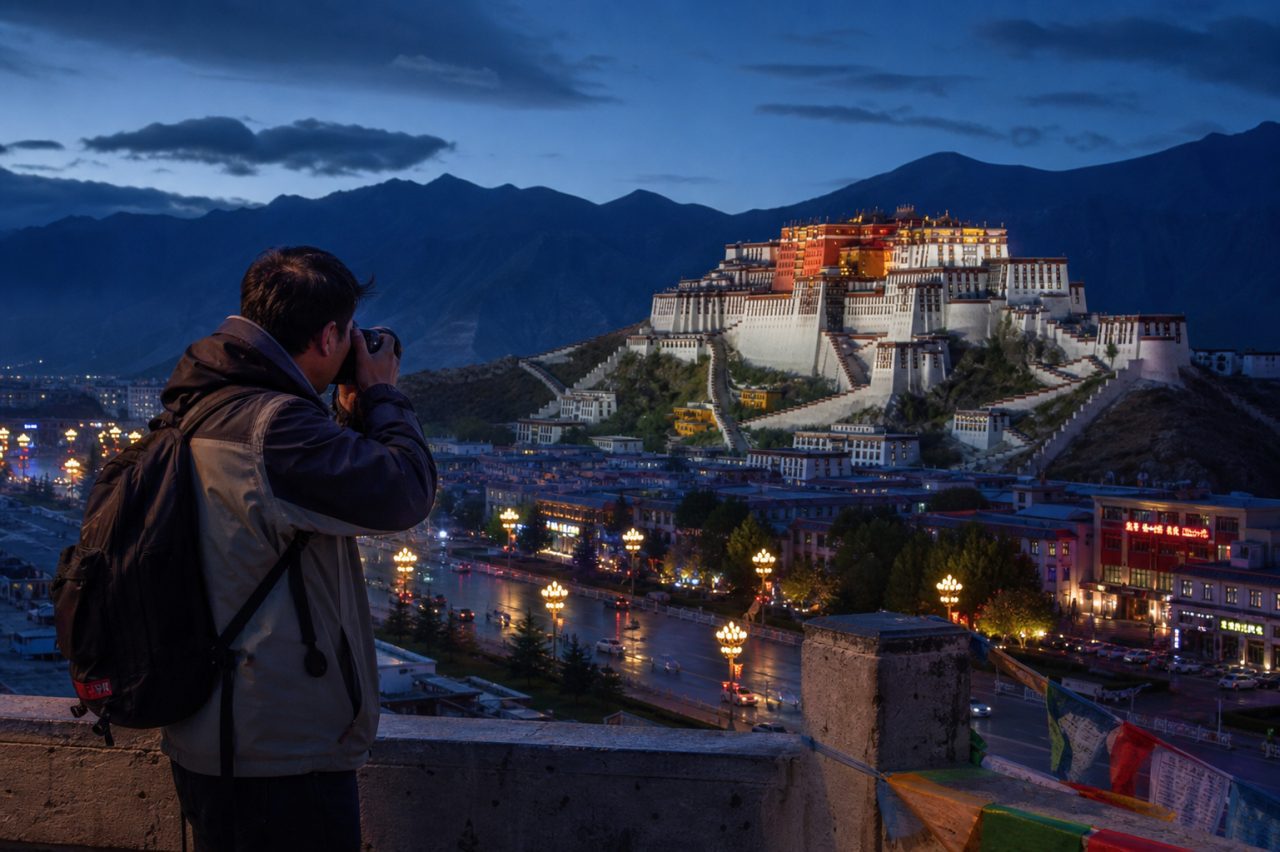
Tibet Photography Guide: Best Places, Camera Rules, and Drone Restrictions
Plan where to sh…
Jul 22, 2026
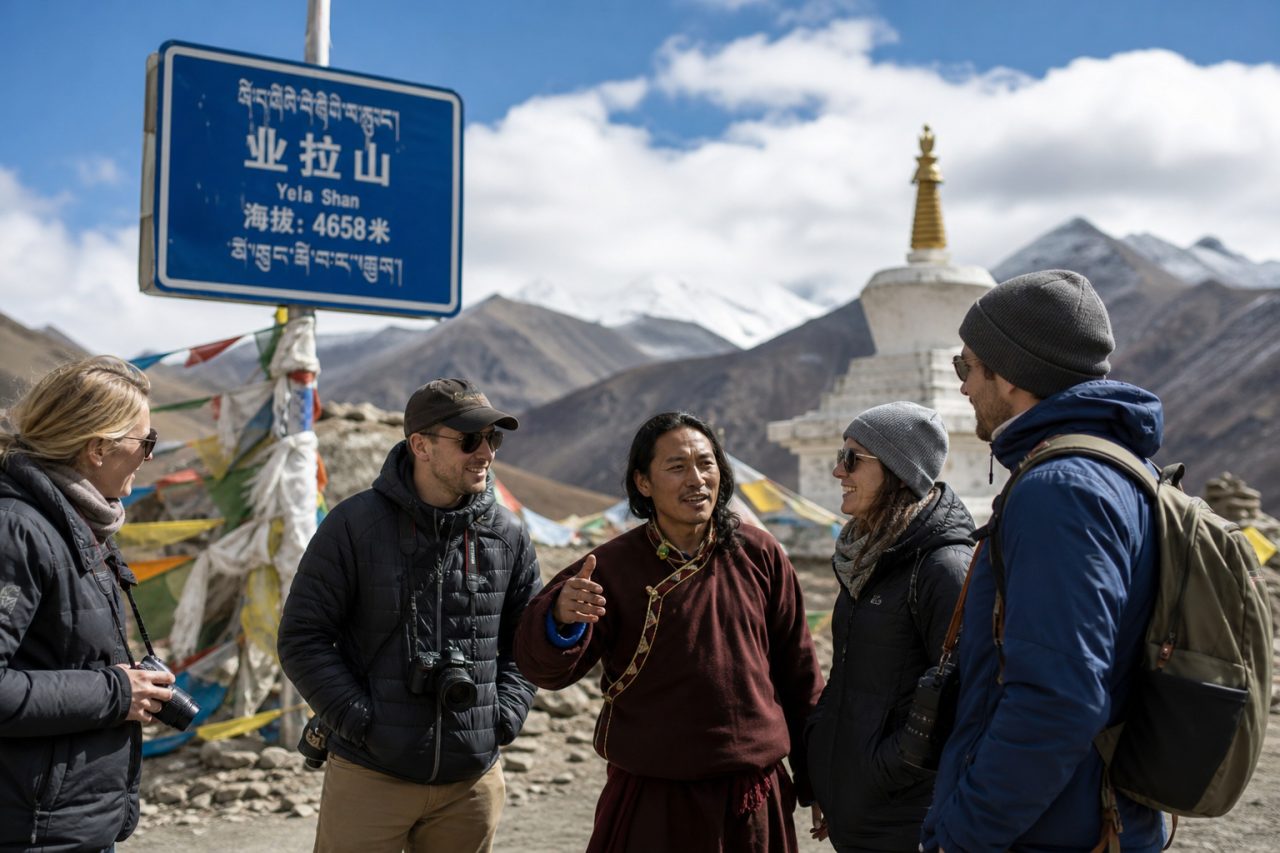
Tibet Travel Insurance Guide: What Policies Should Cover for Remote Trips
Choosing Tibet t…
Jul 21, 2026
What to Wear in Tibet by Month: Packing for Lhasa, Everest Base Camp, and Kailash
Month-by-month T…