
Tibet 13 Day Itinerary: How to Plan the Right Route, Pace, and Budget
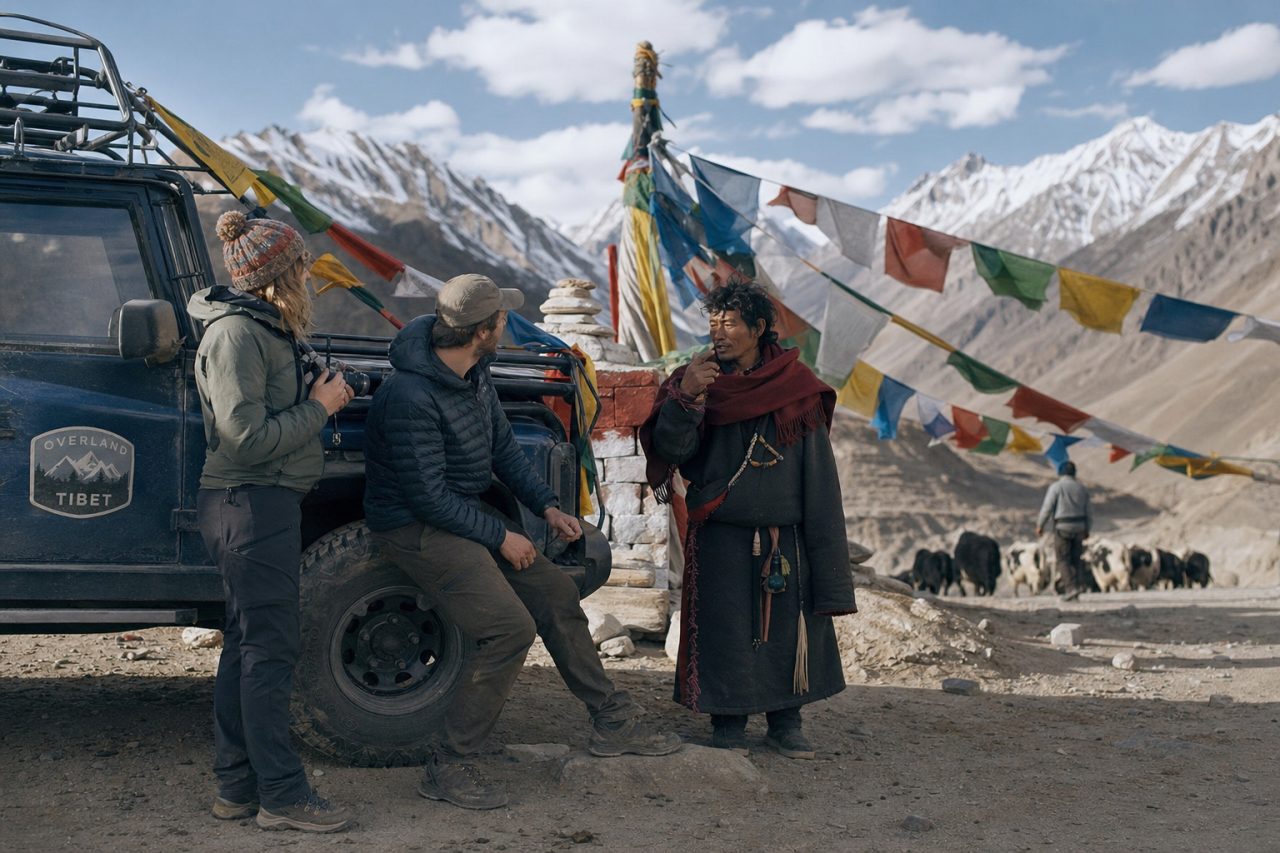
If you are comparing Tibet routes and wondering whether 13 days is the right length, the short answer is yes for a first serious Tibet trip, but only if the itinerary is built around acclimatization first and coverage second. For most first-time travelers, 13 days is enough to combine Lhasa, Gyantse, Shigatse, and the Everest Base Camp overland route without turning the trip into a rush. It is not the right choice if you mainly want an easy cultural trip, dislike long driving days, or are unsure how you respond to high altitude.
The real decision is not whether 13 days sounds long enough on paper. It is whether your route, pace, permit timing, and budget line up with what you actually want from Tibet. A good 13-day plan gives you enough time to see more than Lhasa while keeping altitude stress and transport fatigue under control. A weak one simply adds extra nights without improving comfort or route logic.
Is 13 Days the Right Length for a Tibet Trip?
For many travelers, 13 days is the point where Tibet becomes a full route rather than a city stay with a few side trips. It works best for people who have Everest Base Camp high on their priority list, want a deeper overland experience, and are willing to accept a few long road days as part of the trip.
It is usually too much if your main goal is monasteries, old Lhasa streets, and a moderate pace. In that case, a shorter 7 day Tibet itinerary often gives better value because you spend less time in transit and more time enjoying each stop.
The Most Practical 13-Day Tibet Itinerary for First-Time Travelers
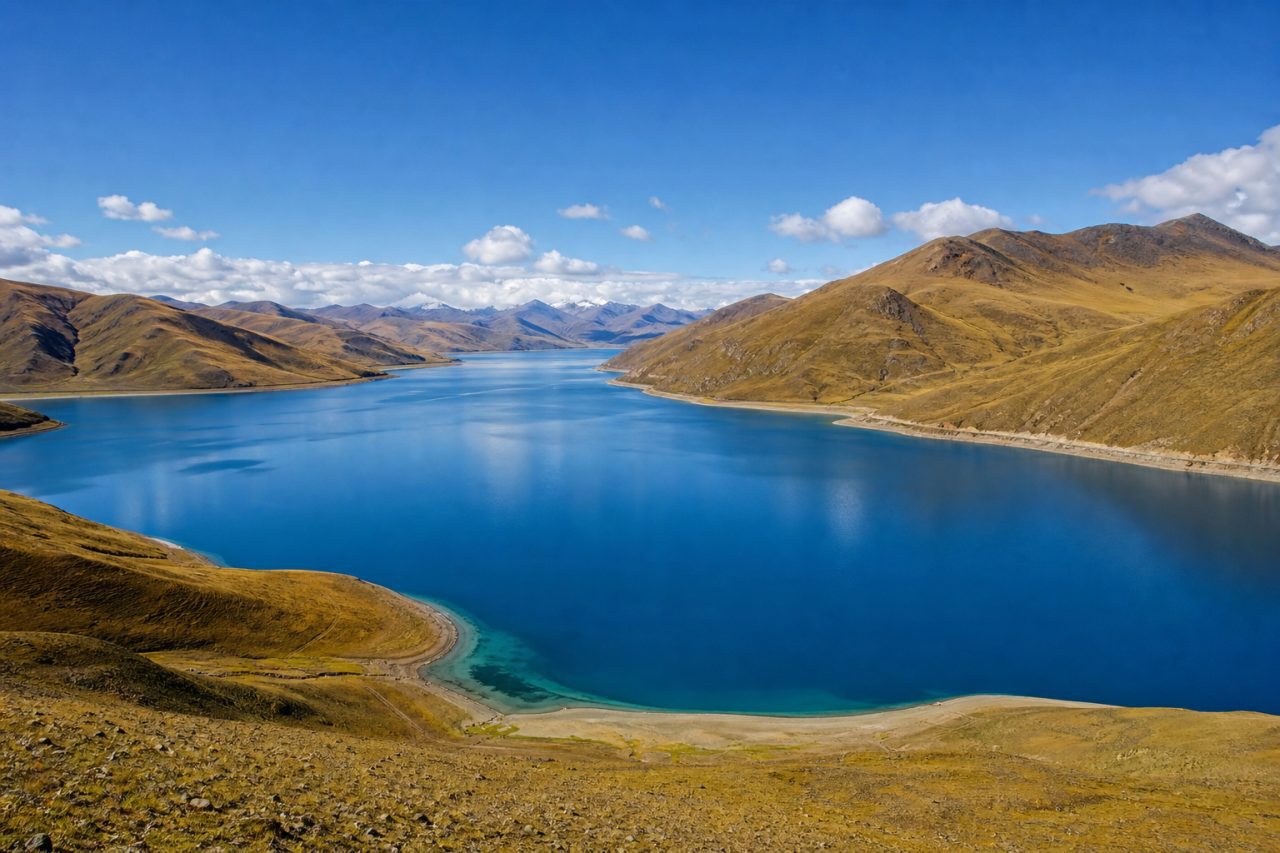
The strongest 13-day route for first-timers is usually: arrival in Lhasa, two to three full days in Lhasa for acclimatization and key sights, then overland travel via Yamdrok Lake and Gyantse to Shigatse, followed by the western drive toward Everest Base Camp, and finally return or exit according to permit and transport arrangements.
This structure works because Lhasa sits at about 3,650 meters, which already makes the first days important for adjustment. Going too far too fast is the most common itinerary design mistake. The altitude guidance in High-Altitude Travel Sickness: How to Compare Risk, Prevention, and When to Change Your Tibet Plan is useful here because it explains why rest, hydration, slower ascent, and itinerary changes matter more than trying to “push through” symptoms.
A sensible sample flow looks like this:
- Days 1-4: Arrive in Lhasa and acclimatize while visiting major city highlights.
- Days 5-6: Lhasa to Gyantse and Shigatse with moderate sightseeing and manageable driving.
- Days 7-9: Continue west with higher-altitude overnight stops and reach the Everest area.
- Days 10-13: Return with buffer time for road conditions, fatigue, and transport connections.
The exact hotel standard and stop sequence can vary, but the principle should not: use the first section of the trip to protect the rest of the trip.
Lhasa-Focused 13 Days vs Everest Overland 13 Days
If you are choosing between a Lhasa-centered version and an Everest overland version, the trade-off is simple. A Lhasa-focused itinerary gives more comfort, less cumulative fatigue, and more flexibility for travelers who care most about culture and daily pace. An Everest overland itinerary gives a bigger landscape experience and stronger route value, but it also adds more driving, more altitude exposure, and less room for lazy days.
For a couple on a premium trip, the Everest version often feels worth it if Mount Everest is a true goal rather than a box to tick. For a first-time high-altitude traveler who is cautious, a Lhasa plus Shigatse route may be the smarter choice because it still adds depth without forcing the highest-stress section of the journey.
Where 13-Day Tibet Plans Usually Go Wrong
The first problem is confusing trip length with acclimatization quality. An itinerary can be 13 days and still be badly paced if it moves west too quickly or stacks high-altitude overnights too early. That is why altitude planning should be checked before sightseeing details.
The second problem is underestimating driving time. Tibet overland travel can be memorable, but long plateau road days feel very different from city touring. If you want photography stops, slower mornings, or more comfort, private transport usually fits better than a rigid shared schedule, although it raises the total cost.
The third problem is choosing Everest Base Camp because it sounds essential. It is only essential if it is one of your main reasons for coming. If not, the added driving and altitude may reduce the overall quality of the trip rather than improve it.
Permits, Entry Rules, and Booking Timing
Tibet travel is not just a route decision. It is also a permit and entry-timing decision. Travelers should review Tibet visa and entry requirements before locking flights, because Tibet entry arrangements can affect your start city, booking timeline, and required documents.
Permit handling also shapes how flexible your itinerary can be. The practical cost side is explained in How Much Does a Tibet Permit Cost? What Travelers Actually Pay. That matters because travelers often compare package prices without understanding whether permit processing, transport segments, or hotel categories are included equally.
The safest planning sequence is: choose your route first, confirm eligibility and entry process second, then book flights once the permit path is clear. Doing this in the opposite order is one of the easiest ways to create avoidable stress.
What a 13-Day Tibet Trip Really Costs
There is no single correct price for a 13-day Tibet itinerary because the biggest cost drivers are trip style, not just trip length. The main variables are private versus shared transport, hotel class, number of travelers, season, and whether your route includes the Everest segment.
In practical terms, adding Everest usually raises cost for transport time, routing complexity, and accommodation logistics. Shoulder-season and peak-season differences can also matter. If you are considering autumn travel, Is October a Good Time to Travel to Tibet? Weather, Crowds, Costs, and What to Expect is a useful reference for balancing conditions and price pressure.
When comparing quotes, ask four direct questions: what permit-related costs are included, what hotel standard is actually confirmed, how many long driving days are involved, and whether any internal transport or return segment is extra. Those questions usually reveal the real value difference between similar-looking itineraries.
Who Should Choose This Itinerary and Who Should Not
A 13-day Tibet itinerary is a strong fit for first-time visitors who want one major trip rather than a short sampler. It suits travelers who want both Lhasa and the overland westbound route, can handle several full road days, and prefer to do Tibet once with reasonable depth.
It is a weaker fit for travelers with very limited altitude confidence, people who want a softer pace, or anyone whose main goal is comfort over coverage. Older travelers are not automatically excluded, but the Everest segment should be judged more conservatively. The guidance in Is It Safe for Seniors Over 60 to Travel to Everest Base Camp in Tibet? is relevant because age matters less than health status, acclimatization, and route design.
The Best Decision for Most Readers
If Everest Base Camp is one of your top priorities, 13 days is often the right Tibet trip length because it gives enough room to reach it without stripping Lhasa of the time it needs. If Everest is optional, a shorter or more focused route may be the better purchase.
The smartest next step is to decide your non-negotiable first: Everest or no Everest. After that, compare route pace, permit timing, and full-trip cost rather than headline price. That one decision does more to improve your Tibet itinerary than adding extra sightseeing stops ever will.
Disclaimer: Tibet entry policies, permit handling, road access, transport schedules, and trip pricing can change. Before paying deposits or fixing international flights, confirm current route feasibility, permit timing, and inclusions with your operator using the latest published information from the cited sources and your booked travel provider.
Route suitability
Dynamic Trust & Reassurance Block
Use this article as a planning reference, not a final commitment
Route suitability
For "Tibet 13 Day Itinerary: How to Plan the Right Route, Pace, and Budget", the right route depends on available days, altitude comfort, transport preference and the experience you want to prioritize.
Decision support
Use this article to compare route trade-offs, pacing and must-confirm logistics before choosing a final itinerary.
Before you commit
Before committing, confirm permit feasibility, road access, hotel availability, physical difficulty and your preferred travel pace.
Last reviewed: July 13, 2026
Design Your RouteRoute design support
Need help turning this route idea into a real plan?
We can help adjust the itinerary around your dates, pace, altitude comfort, permit needs and must-see places.
Design Your RouteYou Might Also Like
Jul 22, 2026
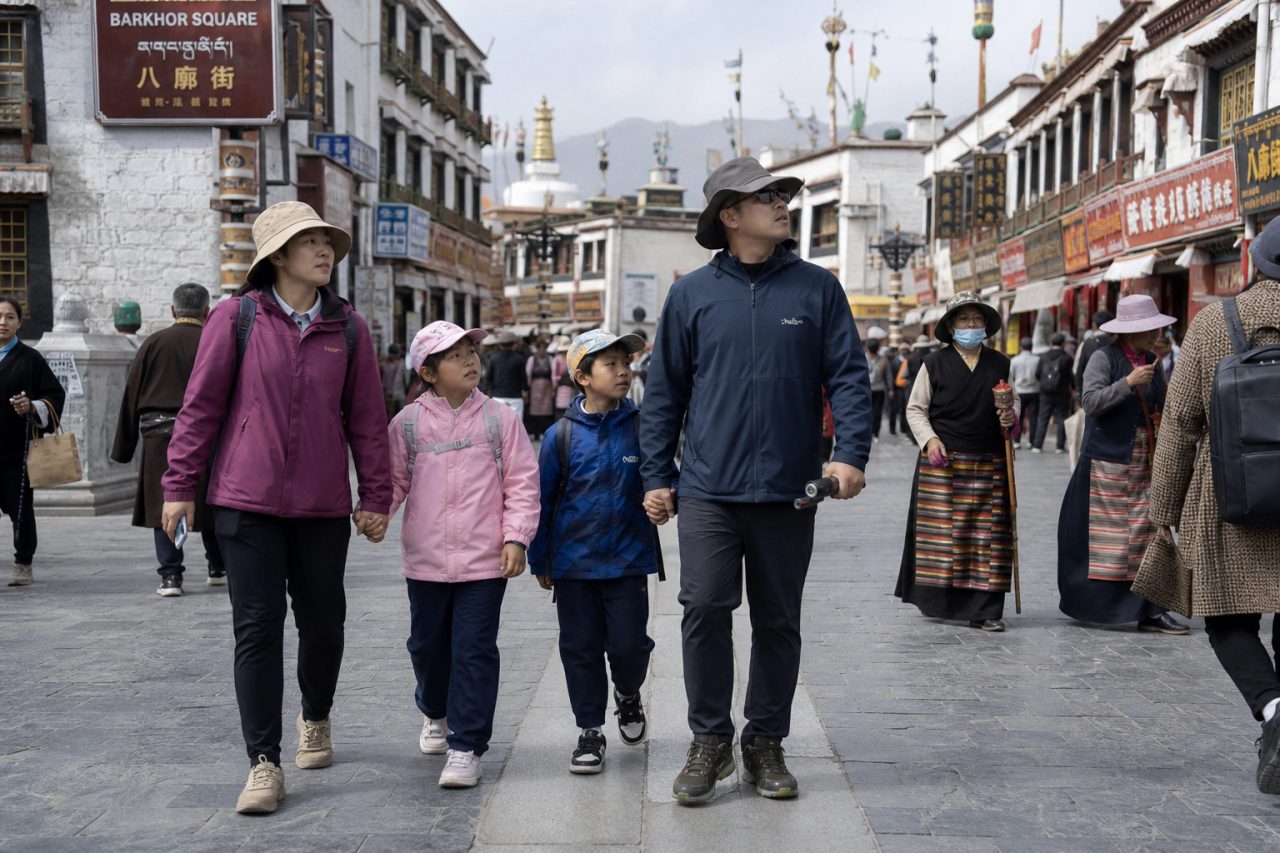
Tibet with Kids: Family-Friendly Routes, Age Limits, and Comfort Planning
Planning Tibet w…
Jul 22, 2026
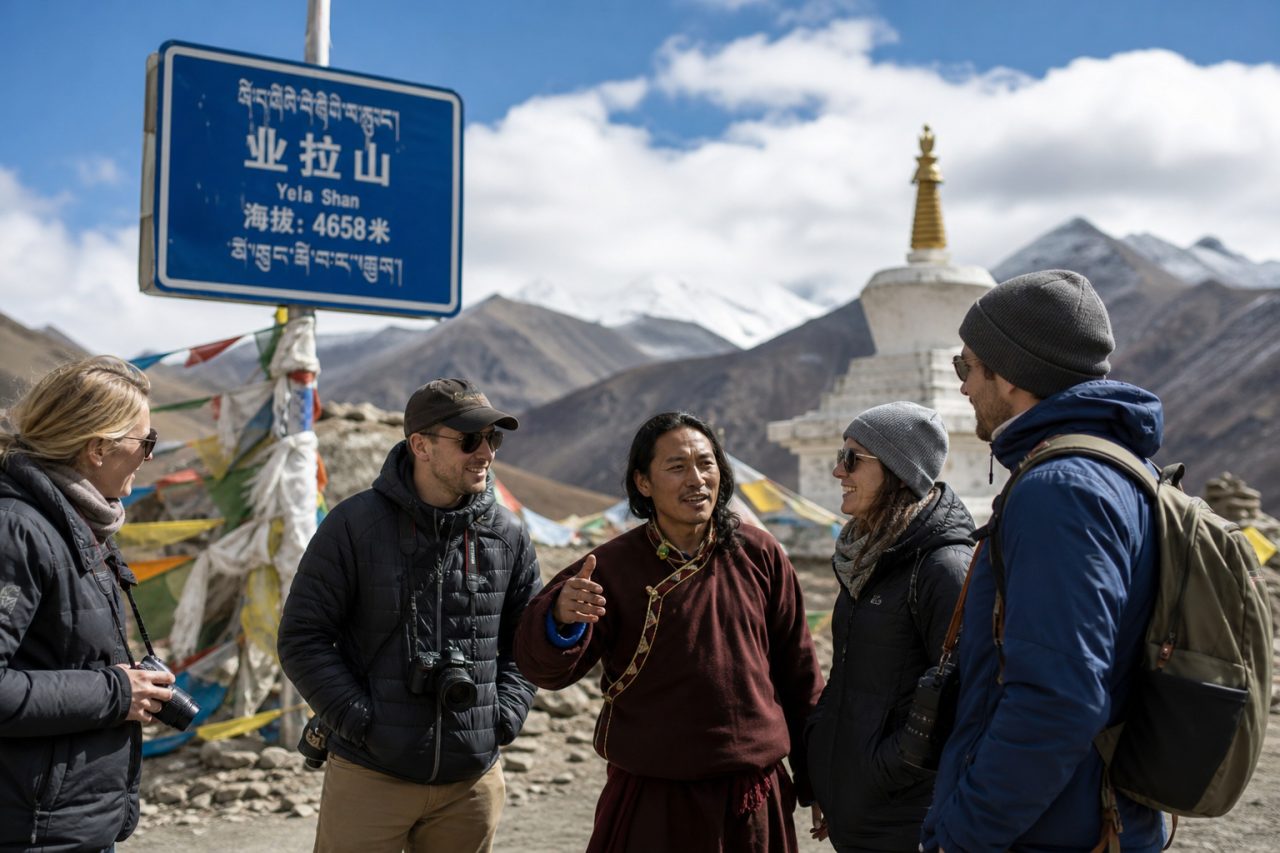
Tibet Travel Insurance Guide: What Policies Should Cover for Remote Trips
Choosing Tibet t…
Jul 21, 2026
2026 Lhasa Luxury Travel Itineraries: How to Choose the Right Private Tibet Trip
Compare 2026 Lha…