
How American Tourists Apply for a Tibet Permit From Nepal
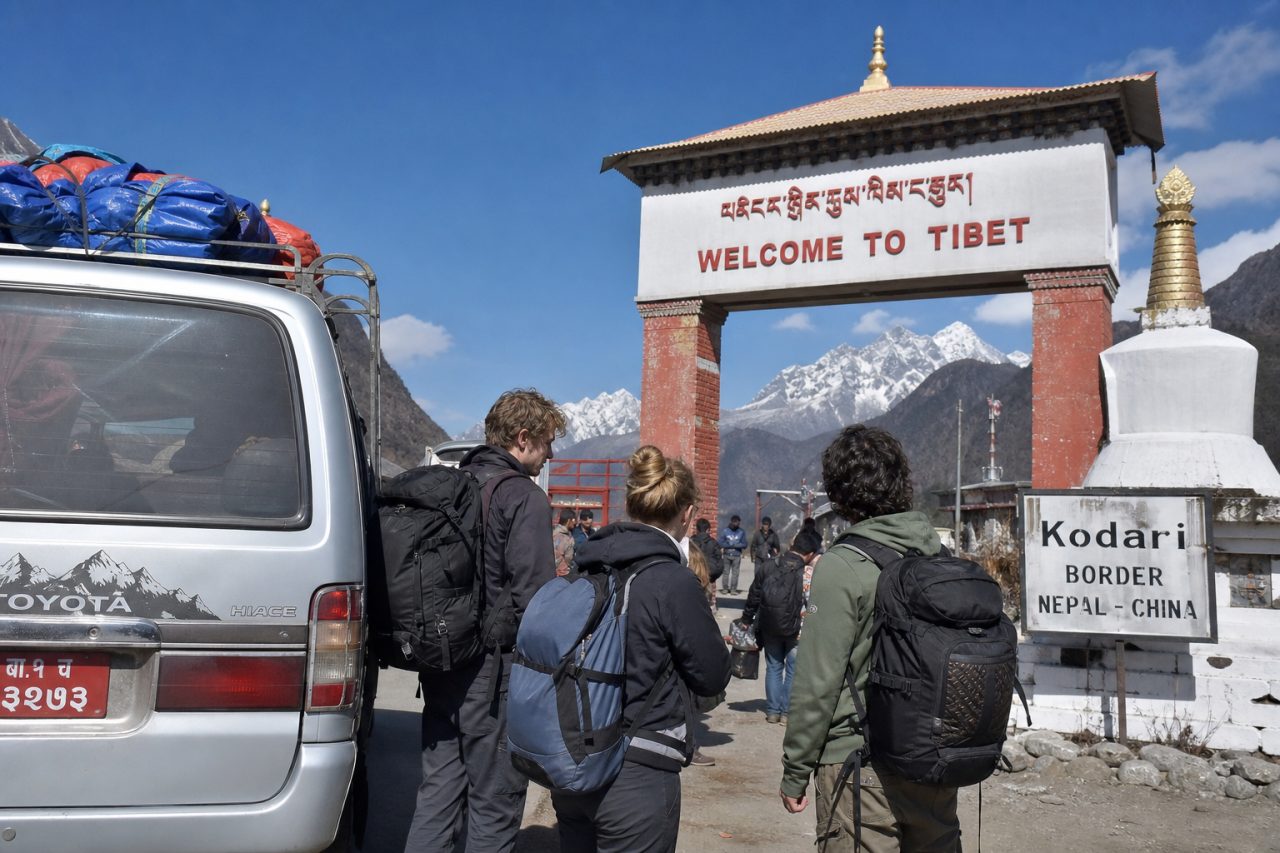
If you are a U.S. passport holder planning to enter Tibet from Nepal, the key decision is not just how to get a Tibet permit. It is whether you understand the Nepal-specific process well enough to avoid a visa or timing mistake that can stop the trip before departure.
The short answer is this: American tourists cannot apply for a Tibet Travel Permit on their own, and entering Tibet from Nepal usually follows a different China visa workflow than entering from mainland China. The practical route is to book a Tibet tour through an agency that handles foreign travelers, submit your passport details and trip plan early, and follow the Kathmandu-side visa instructions the agency gives you.
This matters because many travelers research Tibet entry through mainland China first, then assume the same steps apply from Nepal. That is the most common error. For route context and broader access rules, see Can foreigners visit Tibet now?
Americans cannot self-apply for a Tibet permit from Nepal
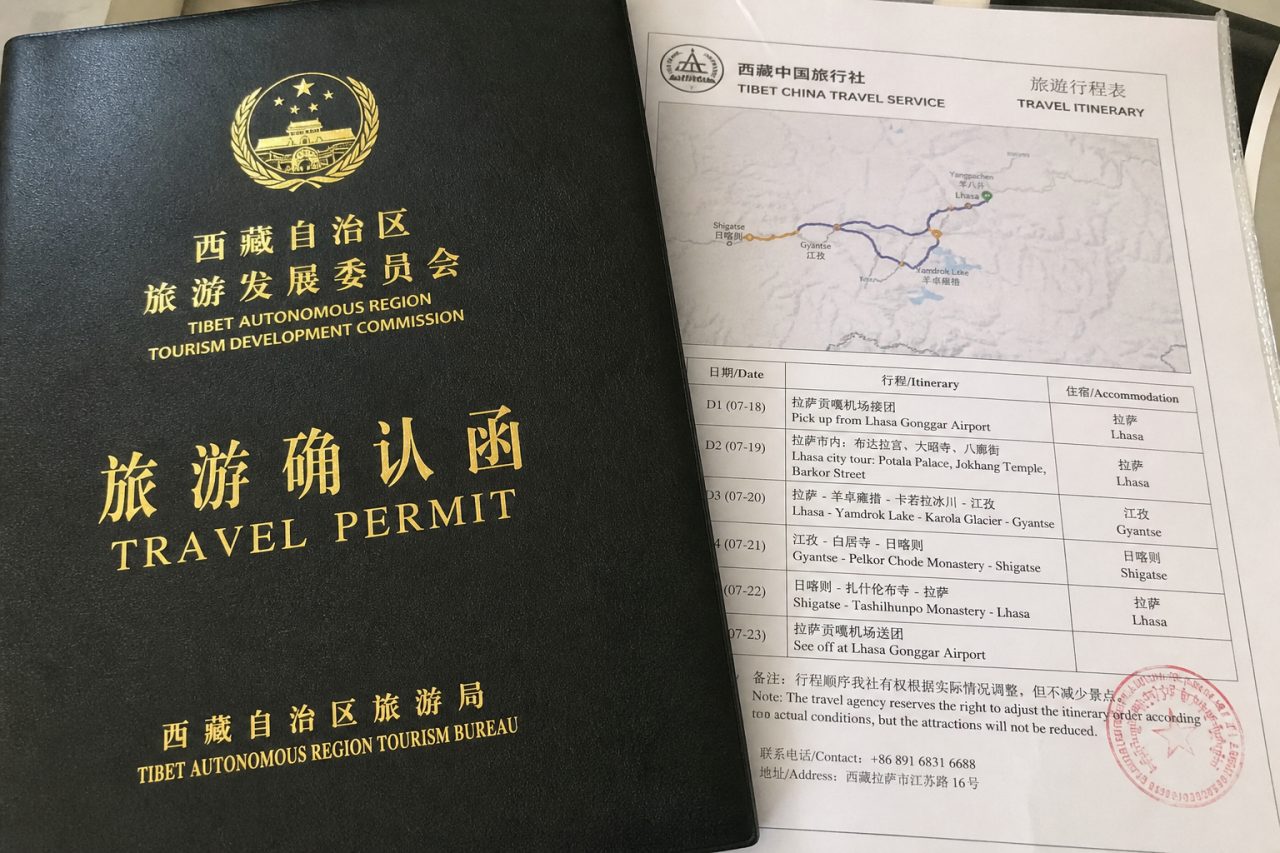
For foreign tourists, Tibet travel is not a DIY permit process. In practice, the permit is arranged through a registered Tibet travel agency as part of an organized itinerary, not through an individual application at a public counter.
That means your first real step is not filling out a permit form yourself. It is choosing your route, dates, and agency early enough for the agency to prepare the Tibet Travel Permit application and the Nepal-side China visa process tied to that route.
What changes when you enter Tibet from Nepal
The Nepal route is different because travelers entering Tibet from Kathmandu typically need a China visa process handled in Nepal for that specific Tibet entry, rather than relying on the same setup used for mainland-China entry. The Chinese Embassy in Nepal publishes visa guidance at http://np.china-embassy.gov.cn/eng/lsfw/ and the Chinese Visa Application Service Center in Kathmandu provides application instructions at https://www.visaforchina.cn/KTM2_EN/.
This is where many Americans get confused. If you already hold a Chinese visa issued elsewhere, that does not automatically mean you can use it for a Nepal-to-Tibet trip. The exact handling can depend on the route and current embassy practice in Kathmandu, so you should confirm the visa sequence with the agency before you pay for non-refundable flights or hotels.
Documents American tourists usually need
The exact checklist can vary by agency and timing, but most applications start with the same core items: a valid U.S. passport, a clear passport scan, and your planned entry and exit dates. Agencies may also ask for your occupation, previous China or Tibet travel details, and your Nepal arrival plan so they can line up the permit and visa timing.
For the visa side, the Chinese Embassy in Nepal and the Kathmandu visa center are the named authorities to check for current passport, photo, form, and submission requirements: http://np.china-embassy.gov.cn/eng/lsfw/ and https://www.visaforchina.cn/KTM2_EN/. Because embassy procedures can change, the safest approach is to prepare your passport well in advance and follow the latest Kathmandu instructions your agency gives you.
Step by step: how the process usually works
- Choose the Nepal entry route first. Decide whether you want to enter Tibet overland from Kathmandu or fly from Kathmandu to Lhasa. The route affects timing and logistics, even when the permit principle is the same.
- Book through a Tibet travel agency that handles foreign permits. This is the operational starting point because the agency must coordinate the Tibet Travel Permit and route-specific support documents.
- Send your passport copy and trip details. Do this early. Waiting until you are already in Nepal can compress the timeline and reduce flexibility.
- Follow the Kathmandu visa instructions for your case. Use the Chinese Embassy in Nepal or the Chinese Visa Application Service Center in Kathmandu as the authoritative reference points for current visa handling.
- Wait for permit approval before locking in tight onward plans. Agencies often need time to complete submissions and receive approval documents before final travel steps are confirmed.
- Enter Tibet on the approved route and itinerary. Foreign travelers in Tibet generally travel on the arranged itinerary rather than fully independently.
How much time should you allow?
There is no good reason to treat this as a last-minute trip. Permit processing is coordinated work, and the Nepal route adds an extra layer because the visa handling is tied to Kathmandu procedures.
A practical planning standard is to start the process weeks ahead, not days ahead. That gives your agency time to prepare the Tibet permit file, helps you respond if the embassy or visa center needs a correction, and lowers the risk of paying for transport you cannot use.
If you are still choosing dates, it helps to pair permit planning with season planning. This guide to the best time to visit Tibet is useful once you move from paperwork to date selection.
The biggest mistakes to avoid
Mistake 1: Assuming a regular China visa process works the same from every route. It does not. Nepal entry needs route-specific checking through Kathmandu sources and your agency.
Mistake 2: Trying to arrange Tibet independently after arriving in Nepal. This usually creates timing pressure and cuts down your options. Tibet permits for foreign tourists are normally agency-coordinated, so spontaneous planning is a weak fit for this route.
Mistake 3: Booking non-refundable transport too early. Until the permit and Nepal-side visa path are confirmed, keep your plans flexible. This is especially important if you already hold a Chinese visa and assume it will still apply unchanged.
Flight vs overland: does it change the permit?
The Tibet permit principle is the same: Americans still need agency coordination. What changes is the logistics around departure timing, border or airport handling, and how tightly your Nepal stay must line up with the permit and visa schedule.
Overland travel can appeal to travelers who want a route through the Himalayas, while flying is usually simpler on transit time. Neither option turns the trip into a self-application process, so choose based on itinerary fit rather than hoping one route removes the paperwork.
When to take the next step
You are ready to contact an agency when you have four things clear: your passport nationality, your rough Tibet dates, whether you want to enter by road or flight from Kathmandu, and whether you already hold a Chinese visa. Those four details determine most of the important next instructions.
If your plan is still flexible, that is fine. The right move is simply to confirm the current Kathmandu visa workflow and Tibet permit timeline before making fixed bookings. That one step prevents most expensive errors.
Permit accuracy
Dynamic Trust & Reassurance Block
Use this article as a planning reference, not a final commitment
Permit accuracy
For "How American Tourists Apply for a Tibet Permit From Nepal", permit and entry requirements may change by nationality, route, entry city and travel date.
Decision support
Use this article to identify which documents, timing risks and route constraints need confirmation before flights, hotels or overland plans are locked.
Before you commit
Before committing, check the final requirement against your passport, Chinese visa status, route plan and intended document submission date.
Last reviewed: July 18, 2026
Check Permit GuidePermit timeline support
Need help planning your Tibet permit timeline?
We can help match your travel dates with route options, permit requirements and local arrangements.
Check Your Tibet Travel OptionsYou Might Also Like

Jul 20, 2026
Tibet Family Tours: Age Rules, Kid-Friendly Routes, and What Parents Need to Plan
Planning a Tibet…
Jul 19, 2026
Why a Tibet Private Tour Costs So Much for Solo Travelers
A Tibet private …

Jul 19, 2026
Are Tibet Tour Guides Mandatory for Canadian Citizens? Rules, Permits, and What to Expect
Canadian citizen…
Common Questions
Questions Readers Usually Ask Next
These answers close the practical questions still left after this guide, so you can decide what to do next without another search.
Can I use an existing Chinese visa to enter Tibet from Nepal?
Not always. Travelers entering Tibet from Nepal often follow a different China visa workflow than travelers entering from mainland China, so an existing Chinese visa may not automatically apply to the Kathmandu route. The safest step is to confirm the current rule with your Tibet travel agency and the Chinese Embassy or visa-center guidance in Nepal before making non-refundable bookings.
Is flying from Kathmandu to Lhasa different from going overland in terms of permit or visa handling?
It can be. Flight and overland routes may share the same core requirement for agency-arranged Tibet travel, but the travel sequence, document checks, and timing can differ by route. Readers should confirm the exact process for their chosen entry method with the agency handling the Tibet permit before locking in transport.
How early should I contact a Tibet travel agency if I am already in Nepal?
As early as possible. Nepal-to-Tibet travel is usually a poor fit for last-minute planning because permit handling and Kathmandu-side visa steps can take time and may require coordinated document submission. If you are already in Nepal, contact an agency before booking tight onward travel so they can assess whether your timeline is still workable.