
Is Tibet Safe to Visit? A Local Agency’s Honest Guide on Health, Safety, and Travel Permits
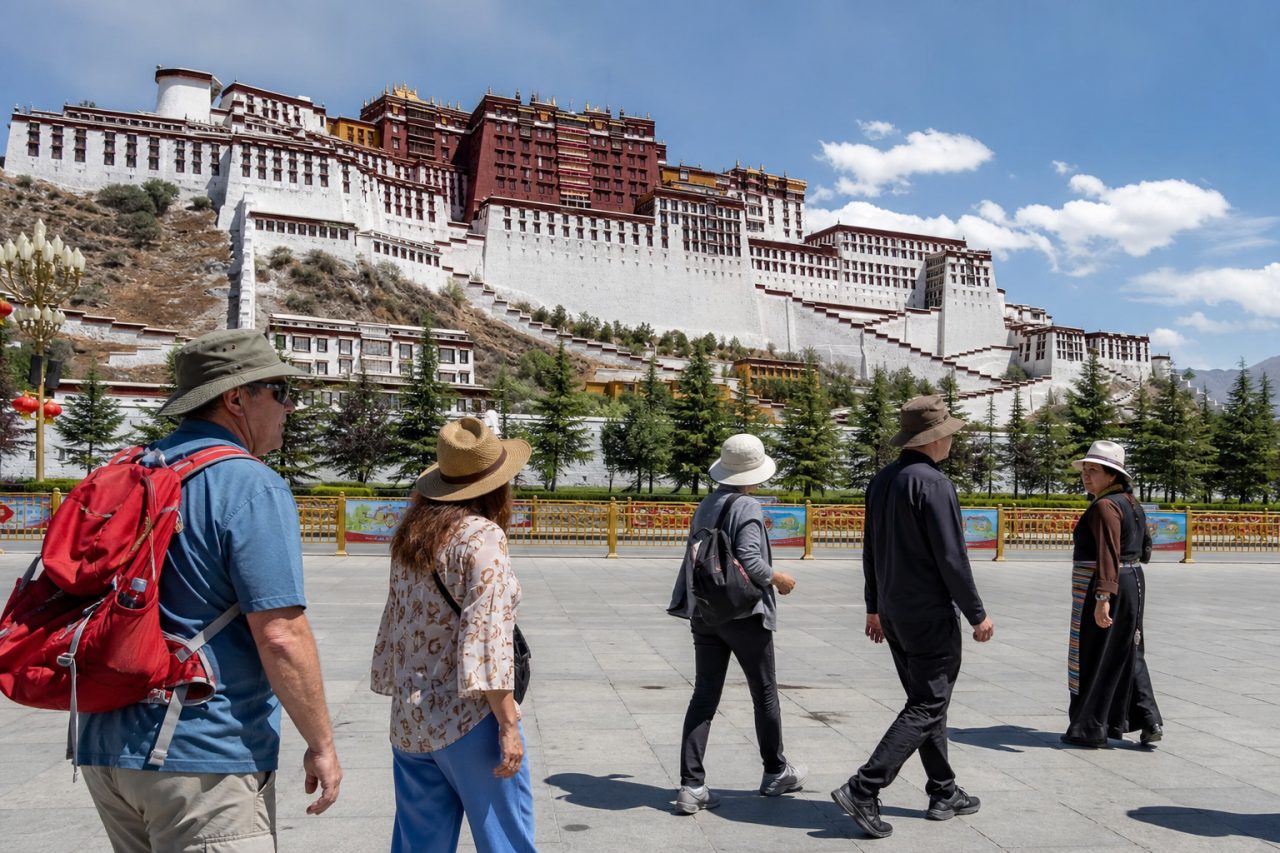
If you are considering Tibet for the first time, the real question is not simply whether Tibet is “safe.” It is whether Tibet is safe for you, given the altitude, permit rules, and the reality of traveling in a remote region. For most foreign travelers, Tibet can be a safe trip when it is planned properly, but it is not a casual destination where you can ignore acclimatization or paperwork.
The biggest risk for most visitors is not street crime. It is altitude. Lhasa sits at about 3,650 meters (around 11,975 feet), and many classic overland routes go higher. The U.S. Centers for Disease Control and Prevention warns that anyone can develop altitude illness, regardless of age or fitness, and recommends gradual ascent and attention to symptoms such as headache, nausea, dizziness, fatigue, and shortness of breath (CDC: Travel to High Altitudes). That is the starting point for any honest Tibet safety decision.
Is Tibet Safe to Visit? The Short Answer
Yes, Tibet is often safe to visit for travelers who are medically suitable for high altitude, allow time to acclimatize, and travel through the required permit process. No, it is not equally suitable for everyone, and rushed trips are where problems become more likely.
A first-time traveler may imagine political danger or personal security as the main issue. In practice, the more immediate risk is that people underestimate how strong the altitude feels in the first two or three days, especially if they arrive fast, sleep badly, and try to sightsee too hard on day one.
The Main Safety Risk in Tibet Is Altitude, Not Crime
The NHS explains that altitude sickness can start above about 2,500 meters and can become serious if it progresses to high-altitude pulmonary edema or high-altitude cerebral edema (NHS: Altitude Sickness). Tibet is well above that threshold, so even healthy travelers should expect some physical adjustment.
This matters because fitness does not make you immune. A strong hiker can still get acute mountain sickness, while a less athletic traveler who ascends slowly may do better. The common mistake is treating Tibet like a normal city break instead of a high-altitude trip that needs pacing.
The safer approach is simple: keep your first days light, drink water regularly, avoid heavy exertion, avoid alcohol early, and sleep near your arrival altitude before pushing higher. If symptoms become severe, especially breathlessness at rest, confusion, or difficulty walking straight, that is no longer a “normal adjustment” problem. The CDC and NHS both treat those as warning signs that need urgent medical attention and descent.
Who Should Plan More Carefully Before Visiting Tibet
Some travelers should not make a quick go/no-go decision based on a blog alone. If you have heart disease, lung disease, uncontrolled high blood pressure, a history of serious altitude illness, or you are pregnant, it is sensible to discuss the trip with a qualified clinician before booking, using the CDC and NHS guidance as a reference point.
Older travelers are not automatically excluded, and children are not automatically unsafe. What matters more is how conservative the itinerary is, how clearly symptoms can be monitored, and whether the traveler can rest when needed. A 65-year-old with a slow itinerary and two acclimatization days may be better placed than a 30-year-old trying to fit Tibet into a rushed long weekend.
If you already know you cannot tolerate remote travel, basic unpredictability, or several days without full medical access, Tibet may simply not be the right trip right now. That is not fear-based advice. It is a practical fit decision.
How Permit Rules Affect Safety and Trip Feasibility
For foreign travelers, Tibet is not a place where you normally arrive and improvise the trip independently. Permit compliance and organized travel rules are part of how the trip works operationally, and they affect whether your journey runs smoothly or falls apart before departure.
If your uncertainty is really about whether foreign travel is currently possible, read Can Foreigners Visit Tibet Now? Latest Travel Permits & Restrictions Explained. If your trip planning depends on China entry sequencing, nationality-specific visa questions also matter; for example, this guide on whether Singaporeans need a visa for Tibet shows how entry rules and Tibet permits connect in practice.
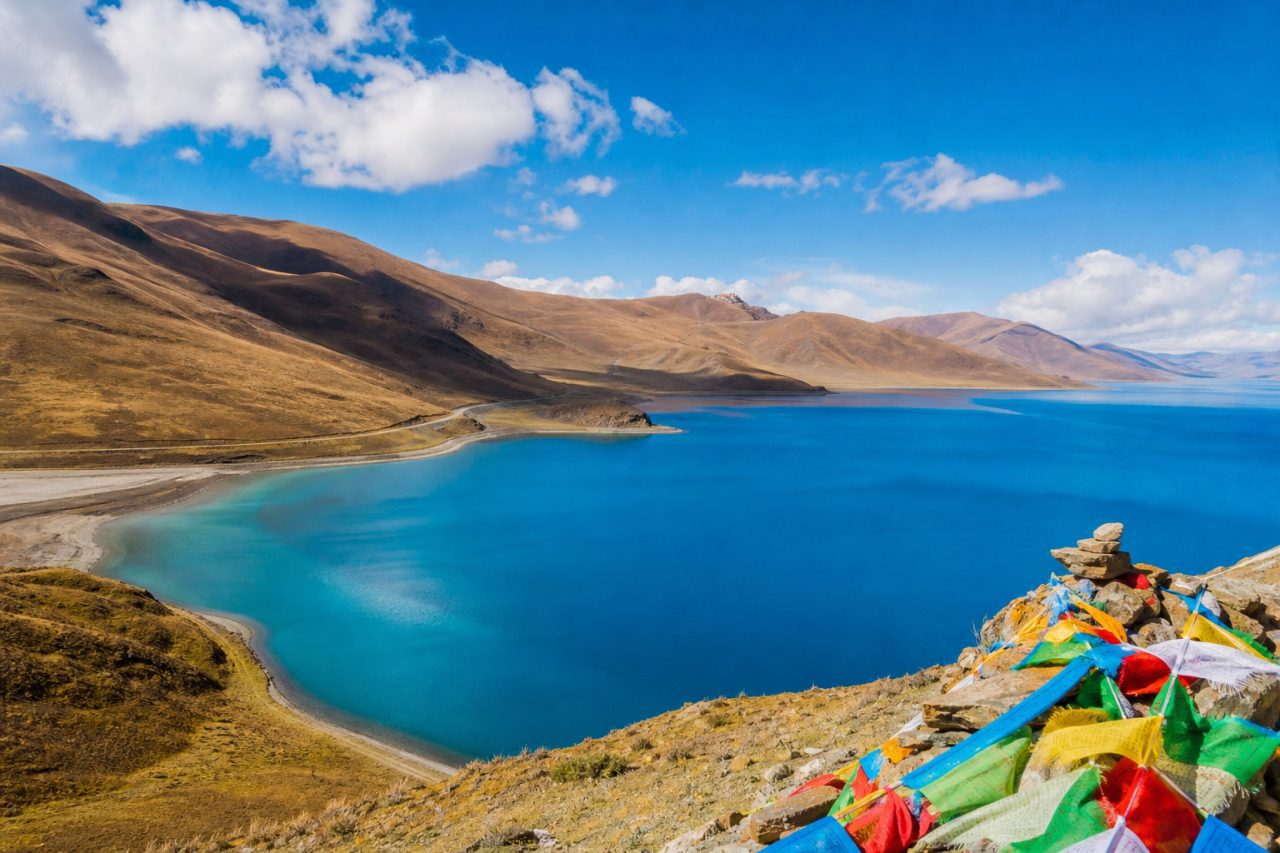
The safety angle here is straightforward. When permits, transport, guide arrangements, and hotel bookings are coordinated in advance, there is less room for last-minute confusion in a region where flexibility is limited. The mistake to avoid is treating permits as a minor admin step instead of a trip-critical requirement.
What Transport, Roads, and Emergency Limits Mean in Real Terms
Tibet is not dangerous in the sense that every route is unstable, but it is remote. Distances are long, weather can affect comfort and timing, and medical response is more limited once you leave major urban areas. That does not mean overland travel is unsafe by default. It means you should plan with more margin than you would for a low-altitude city trip.
This is why trip shape matters. Flying directly to Lhasa is efficient, but some travelers find a slower arrival profile easier on their body. That does not guarantee better acclimatization, but it can give you more time at moderate effort before moving higher. If your planning question is seasonal rather than medical, the most useful next read is Best Time to Visit Tibet: Month-by-Month Weather, Festivals, and Travel Costs, or a narrower look at September travel conditions in Tibet.
Emergency access also changes by route. Staying mainly in Lhasa and nearby areas is a lower-complexity trip than going quickly into much higher and more remote sections of the plateau. For many first-time visitors, that is the safest judgment call: keep the first Tibet trip simpler than the dream version.
How to Make a Tibet Trip Safer
- Choose a realistic itinerary. Build in at least the first one or two days for slow acclimatization rather than aggressive sightseeing.
- Take altitude symptoms seriously. A headache with tiredness may be manageable; worsening breathlessness, confusion, chest symptoms, or severe weakness are not.
- Do not rely on fitness alone. Altitude response is individual.
- Keep the first days physically light. Walk slowly, hydrate, and avoid overexertion.
- Use a permit-ready operator and confirmed logistics. In Tibet, admin errors are not minor inconveniences.
- Start with a moderate route. First-time visitors do better when they avoid pushing to the highest points too quickly.
When You Should Delay, Change, or Avoid the Trip
You should consider postponing if you cannot spare enough time to acclimatize, if you have an unstable medical condition, or if your only available itinerary is so rushed that it leaves no margin for rest. You should also reconsider if you want fully independent travel, because that expectation does not match how Tibet travel works for foreign visitors.
A good decision standard is this: Tibet is a reasonable trip when you can respect the altitude, accept the permit structure, and travel at a measured pace. It is a poor choice when you need speed, flexibility, or certainty that your body will react as it does at sea level.
If you are still undecided, the next useful step is not booking immediately. It is checking whether your dates, route, arrival method, and health profile create enough safety margin to make the trip sensible.
Permit accuracy
Dynamic Trust & Reassurance Block
Use this article as a planning reference, not a final commitment
Permit accuracy
For "Is Tibet Safe to Visit? A Local Agency’s Honest Guide on Health, Safety, and Travel Pe", permit and entry requirements may change by nationality, route, entry city and travel date.
Decision support
Use this article to identify which documents, timing risks and route constraints need confirmation before flights, hotels or overland plans are locked.
Before you commit
Before committing, check the final requirement against your passport, Chinese visa status, route plan and intended document submission date.
Last reviewed: July 19, 2026
Check Permit GuidePermit timeline support
Need help planning your Tibet permit timeline?
We can help match your travel dates with route options, permit requirements and local arrangements.
Check Your Tibet Travel OptionsYou Might Also Like
Jul 22, 2026
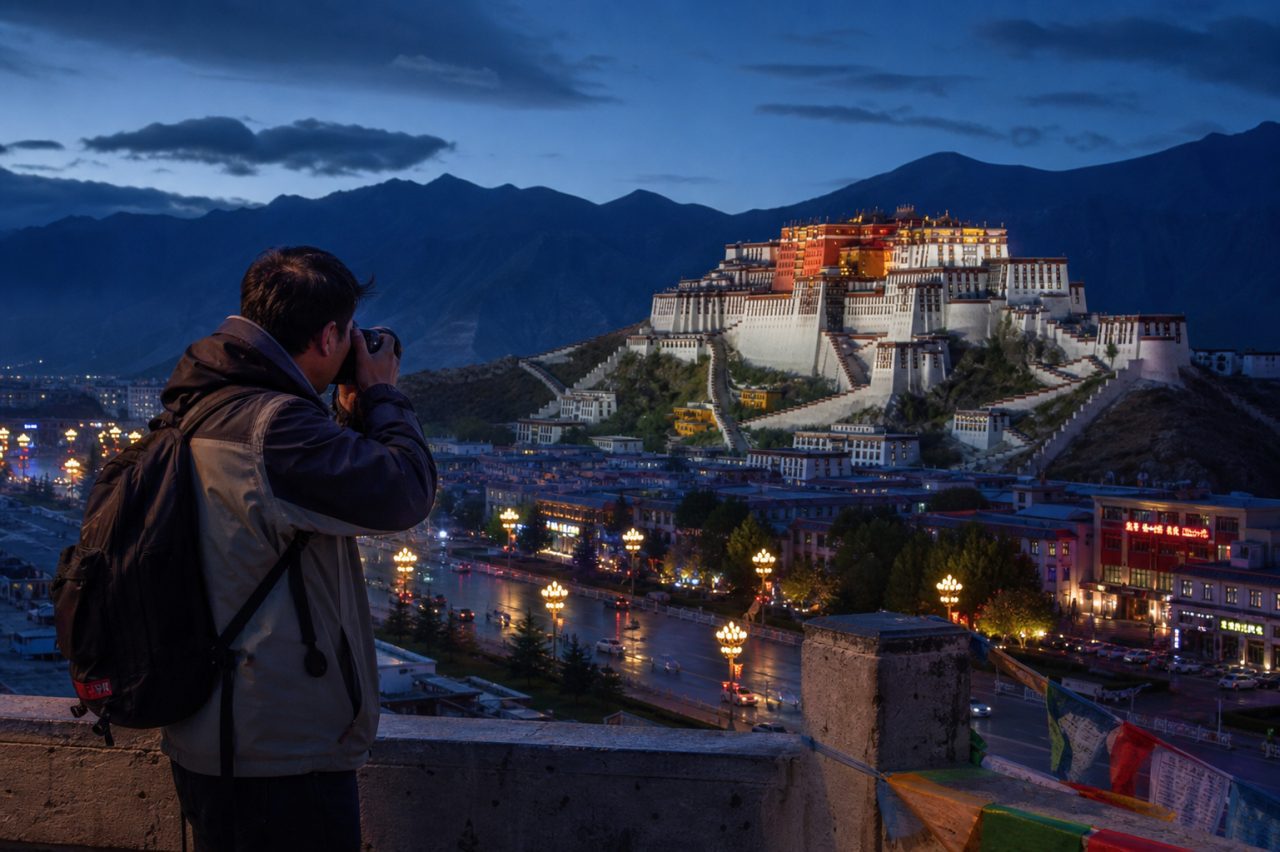
Tibet Photography Guide: Best Places, Camera Rules, and Drone Restrictions
Plan where to sh…
Jul 22, 2026
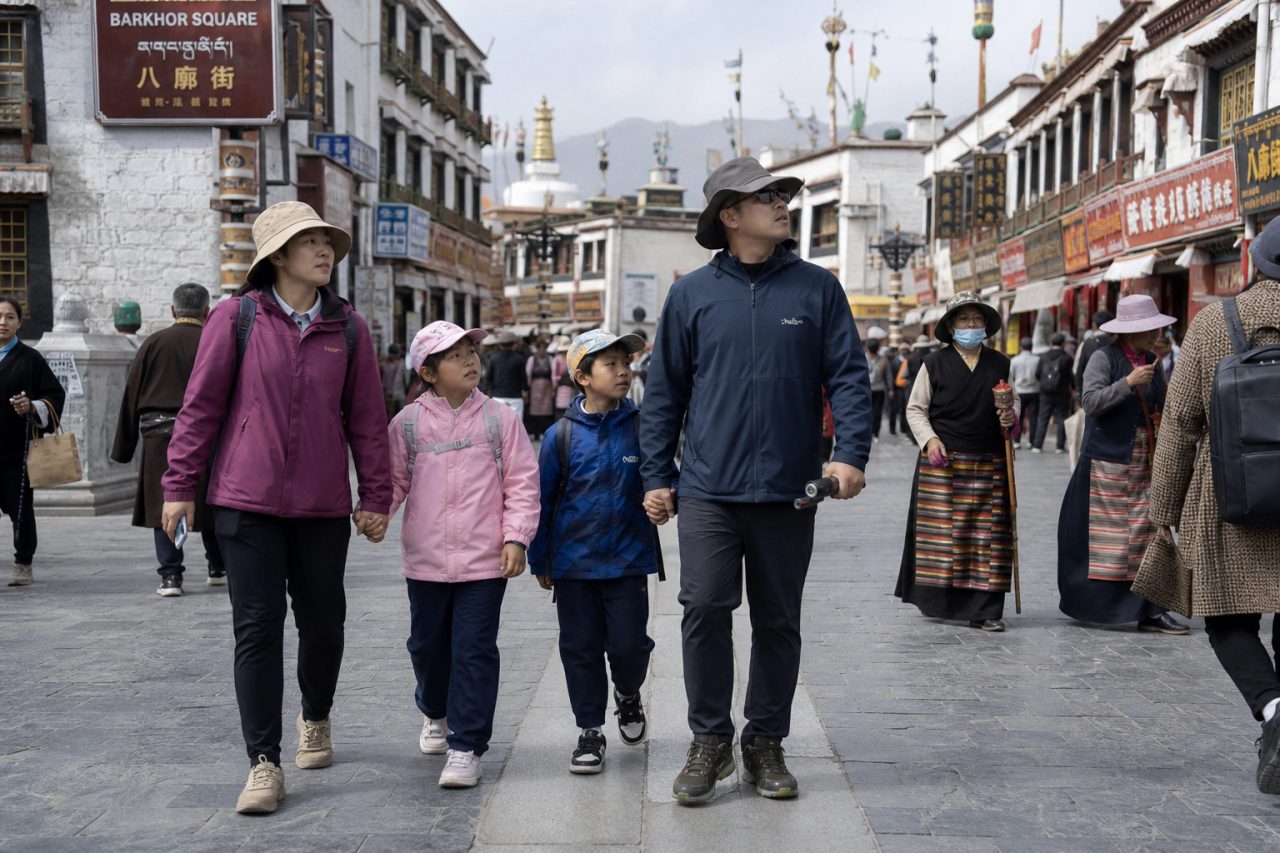
Tibet with Kids: Family-Friendly Routes, Age Limits, and Comfort Planning
Planning Tibet w…
Jul 22, 2026
Tibet Travel Insurance Guide: What Policies Should Cover for Remote Trips
Choosing Tibet t…
Common Questions
Questions Readers Usually Ask Next
These answers close the practical questions still left after this guide, so you can decide what to do next without another search.
Is Tibet safe for older travelers?
Often yes, but age matters less than cardiovascular or respiratory health, pace, and how well the itinerary allows for acclimatization. Older travelers should plan more conservatively, avoid rushed schedules, and speak with a clinician if they have relevant medical conditions.
Is Tibet safe for solo travelers?
Solo travelers can visit Tibet, but foreign travelers generally travel under organized arrangements rather than with full independent flexibility. That reduces some logistical risk, but it does not reduce altitude risk, so solo travelers still need to pace carefully and take symptoms seriously.
How do I know whether altitude symptoms are serious?
Mild headache, fatigue, or poor sleep can happen at altitude, but worsening symptoms such as severe breathlessness, confusion, trouble walking straight, chest tightness, or persistent vomiting should not be treated as normal. Those symptoms need urgent attention and may require descent or medical evaluation.
Is Tibet safe for children?
Some families do travel safely in Tibet, but children can be harder to monitor because they may not describe symptoms clearly. Families should choose slower itineraries, avoid rushing to higher elevations, and get pediatric medical advice before committing.