
Are Tibet Tour Guides Mandatory for Canadian Citizens? Rules, Permits, and What to Expect
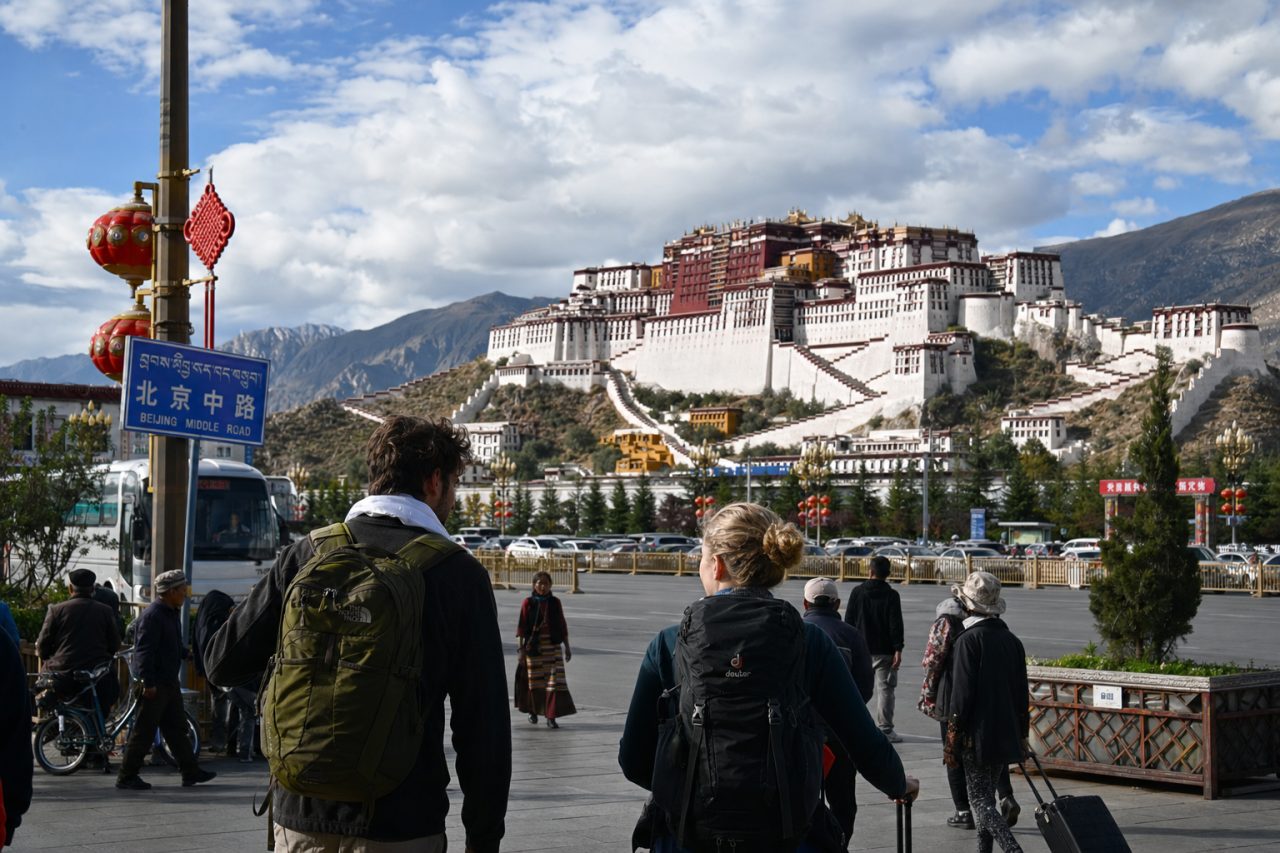
If you hold a Canadian passport and are planning a Tibet trip, the key decision is not which sights to visit first. It is whether you are willing to travel under Tibet’s mandatory foreign-visitor rules. The short answer is yes: Canadian citizens cannot travel independently in Tibet. In practice, your trip must be arranged through a Tibet-based travel agency, and you must travel on a pre-arranged itinerary with a licensed guide.
This is not just a tour-company preference. The rule is tied to Tibet permit processing for foreign travelers. The Tibet Travel Permit is generally arranged through an authorized agency rather than by individual foreign tourists applying on their own. For the broader permit and access framework, see Can Foreigners Visit Tibet Now? Latest Travel Permits & Restrictions Explained.
Are Tibet tour guides mandatory for Canadian citizens?
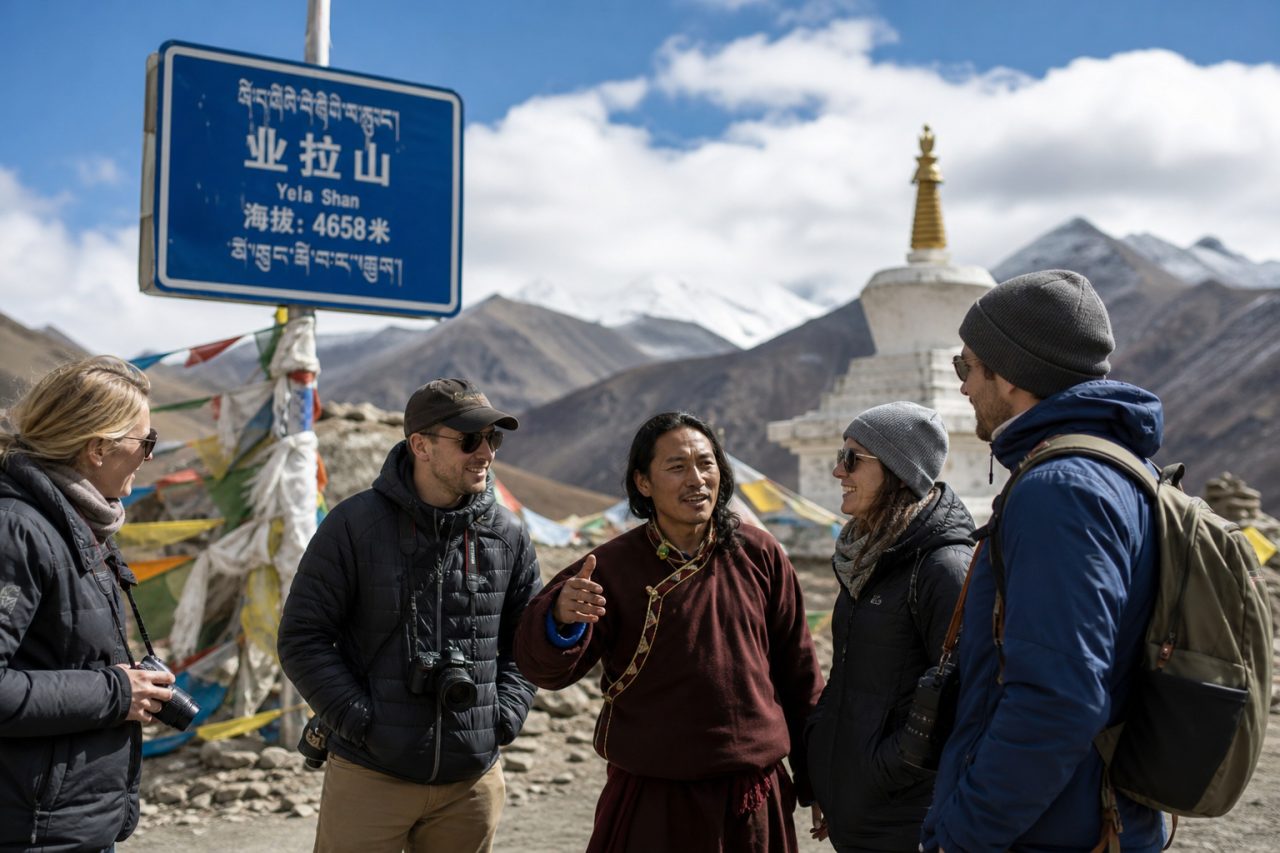
Yes. For Canadian citizens, a guide is effectively mandatory throughout a Tibet trip because foreign visitors are not permitted to travel freely in the Tibet Autonomous Region as independent tourists. The travel structure normally includes a registered local operator, a Tibet Travel Permit, a fixed itinerary, and an assigned licensed guide.
That means you should not plan Tibet the way you would plan Beijing, Japan, or Thailand. Booking flights, trains, and hotels on your own before the permit path is clear is the mistake that causes the most wasted money.
What is actually mandatory
For most Canadian travelers, the required pieces work together:
- Tibet Travel Permit: This is the core document for foreign visitors entering Tibet.
- Agency handling: The permit process is usually handled through a registered Tibet travel agency as part of a tour booking.
- Licensed guide: Your trip is conducted with a guide linked to the approved itinerary.
- Pre-arranged route and services: Transport and sightseeing arrangements are usually organized in advance, especially outside central Lhasa.
The important practical point is that the guide requirement is part of the compliance structure. You are not usually choosing between “independent travel” and “guided travel” in Tibet as a foreign passport holder. You are choosing whether to take the trip within that structure.
Can Canadians travel independently in Lhasa?
As a rule, no. A common misunderstanding is that foreigners might need a guide only for remote areas such as Everest Base Camp or Mount Kailash, but can move freely in Lhasa. In reality, Lhasa is part of the same permit-controlled travel framework for foreign tourists.
Your actual day-to-day experience may still feel less restrictive than many first-time travelers expect. A guide does not always mean someone speaking to you every minute. It usually means your sightseeing, hotel, transfers, and intercity movements are managed within an approved itinerary.
Why the booking order matters
Tibet is permit-led travel, not transport-led travel. That is the biggest planning adjustment for Canadian travelers. If you buy non-refundable flights first because the fare looks good, you can create a problem later if permit timing, entry city, or route approval does not line up.
A better sequence is:
- Decide whether you want to enter via mainland China or via Nepal.
- Confirm that the route is workable for your dates.
- Have the Tibet agency explain the permit timeline and required documents.
- Book major transport only when the trip structure is clear enough.
Route choice can affect process details. Travelers entering Tibet from mainland China usually plan around their wider China itinerary, while those entering from Nepal may face a different document path. For route-feasibility context, see Can You Fly to Tibet From the UK? What’s Actually Possible, which is UK-focused but useful for understanding how Tibet access depends on broader entry logistics.
What Canadian travelers should prepare early
Before contacting an agency, have four things clear: your passport nationality, your rough travel month, your likely entry route, and whether your dates are flexible. If one of those is uncertain, say so early. Flexibility often matters more than trying to lock in every hotel and train segment yourself.
Season also affects planning comfort and transport pressure. Weather, festival traffic, and peak-season demand can change how easy it is to build a workable itinerary. For timing help, see Best Time to Visit Tibet: Month-by-Month Weather, Festivals, and Travel Costs or, for a September-specific case, Is September a Good Time to Travel to Tibet?.
Common mistakes Canadians make
- Assuming a guide is optional: It is usually not optional for foreign tourists in Tibet.
- Booking transport too early: Cheap fares can become expensive if the itinerary later has to change.
- Treating Tibet as a normal add-on to China: Tibet has its own permit logic on top of the wider trip.
- Waiting too long to discuss the route: Entry direction affects paperwork and timing.
- Asking only for price: The better first questions are about permit handling, timeline, entry route, and what is fixed versus customizable.
If you avoid those five errors, your planning becomes much smoother.
What a guided Tibet trip usually feels like
Many Canadian travelers worry that “mandatory guide” means no flexibility at all. That is too simplistic. The legal structure is fixed, but the travel experience can still be tailored in meaningful ways, including hotel standard, pace, private versus small-group style, and which approved route you follow.
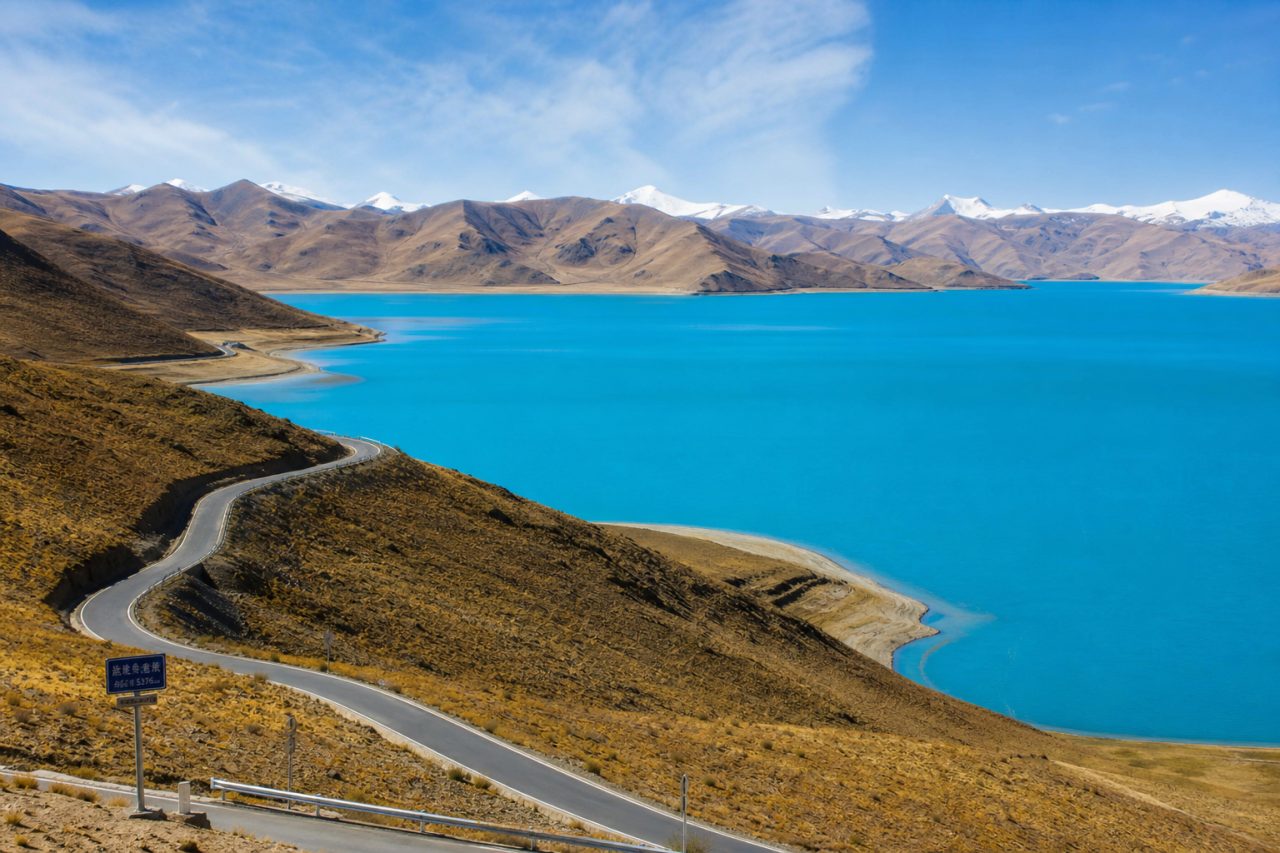
What is usually not flexible is the idea of arriving and improvising the trip on your own. What often is flexible is how comfortable, private, fast-paced, or in-depth the guided version of the trip becomes.
When to move forward
If you are comfortable with guided travel and permit-led planning, the next step is to ask a Tibet travel agency for a route-based feasibility check rather than a generic quote. Ask these questions first:
- Can you arrange the Tibet Travel Permit for a Canadian passport holder on my dates?
- What entry route do you recommend for my itinerary?
- When should I book flights or train tickets?
- What parts of the trip are fixed for permit reasons, and what parts can I customize?
- Will I have a private guide or join a group?
That approach gives you a real go/no-go answer. It is far more useful than comparing headline prices before the rule structure is understood.
Permit accuracy
Dynamic Trust & Reassurance Block
Use this article as a planning reference, not a final commitment
Permit accuracy
For "Are Tibet Tour Guides Mandatory for Canadian Citizens? Rules, Permits, and What to Exp", permit and entry requirements may change by nationality, route, entry city and travel date.
Decision support
Use this article to identify which documents, timing risks and route constraints need confirmation before flights, hotels or overland plans are locked.
Before you commit
Before committing, check the final requirement against your passport, Chinese visa status, route plan and intended document submission date.
Last reviewed: July 19, 2026
Check Permit GuidePermit timeline support
Need help planning your Tibet permit timeline?
We can help match your travel dates with route options, permit requirements and local arrangements.
Check Your Tibet Travel OptionsYou Might Also Like
Jul 22, 2026
Tibet Photography Guide: Best Places, Camera Rules, and Drone Restrictions
Plan where to sh…
Jul 22, 2026
Tibet with Kids: Family-Friendly Routes, Age Limits, and Comfort Planning
Planning Tibet w…
Jul 22, 2026
Tibet Travel Insurance Guide: What Policies Should Cover for Remote Trips
Choosing Tibet t…
Common Questions
Questions Readers Usually Ask Next
These answers close the practical questions still left after this guide, so you can decide what to do next without another search.
Can Canadian citizens explore Lhasa on their own after arriving?
No in practical compliance terms. Foreign travelers are generally expected to follow the pre-arranged Tibet itinerary and guide structure rather than treat Lhasa as independent city travel.
Does the mandatory guide rule apply only outside Lhasa?
No. The planning assumption should be that the guided, pre-arranged structure applies to the Tibet trip as a whole, not only to remote areas.
Can I book my flights first and add the Tibet permit later?
That is risky. Route and permit timing should be confirmed first, especially before buying non-refundable tickets.
Does entering Tibet from Nepal change the process?
It can. Entry route affects paperwork and timing, so travelers should decide their route early and confirm the agency process before booking onward transport.