
Tibet Monastery Etiquette: What Travelers Should Wear, Say, and Never Do
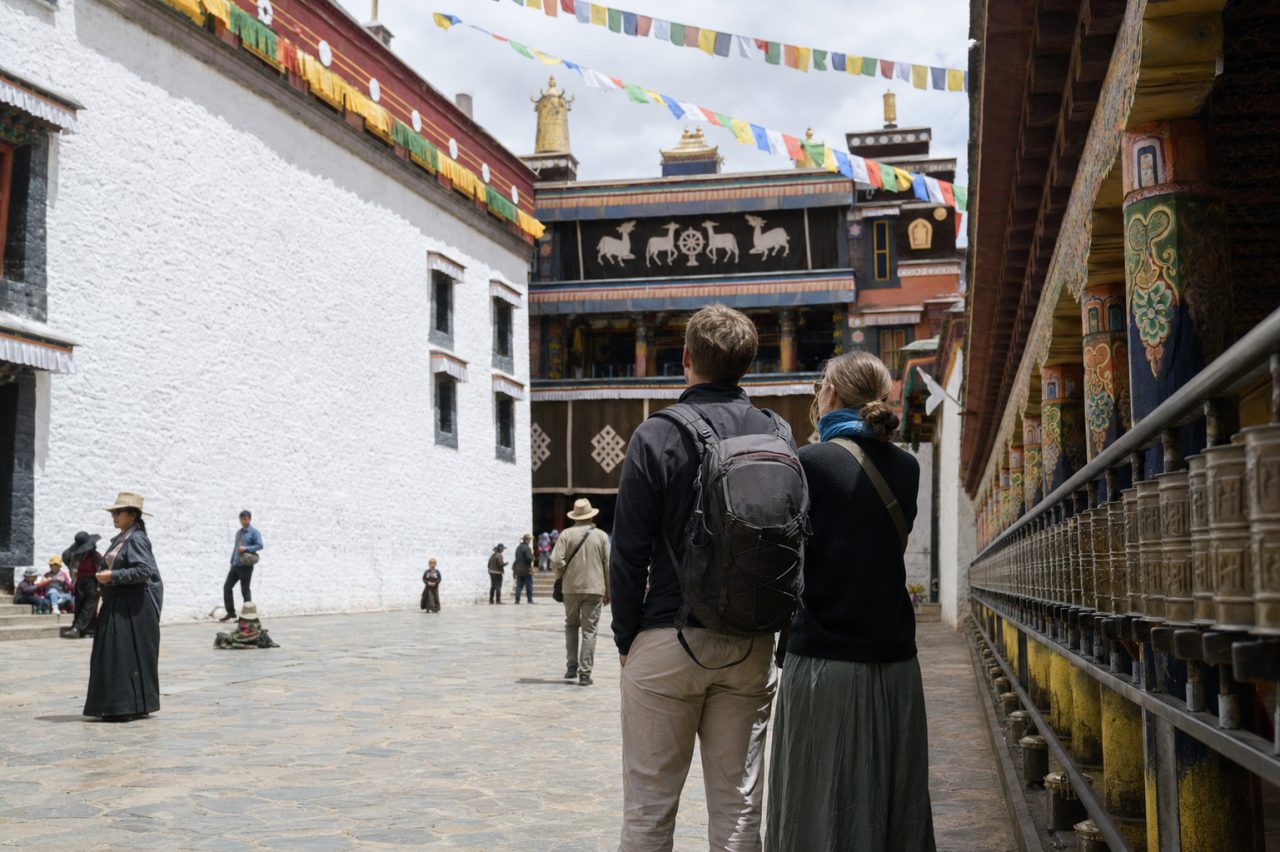
If you are visiting a monastery in Tibet for the first time, the real goal is not to learn every religious detail. It is to avoid the few mistakes that feel casual to tourists but disrespectful in an active sacred space. The safest approach is simple: dress modestly, enter quietly, follow the local flow, ask before taking photos, and do not touch religious objects unless invited.
That matters because Tibetan monasteries are not just historic attractions. They are living religious sites where monks, pilgrims, and local families come to pray. In practice, rules can vary by monastery and even by room, so the best travelers do not try to act confident from guesswork. They stay observant and let the setting tell them how formal they should be.
What Matters Most Before You Enter
If you remember only one principle, remember this: treat the monastery as a place of worship first and a sightseeing stop second. That single mindset will usually keep your clothing, voice, camera use, and body language within respectful limits.
Before entering, put your phone away, remove hats or caps unless weather or health makes that difficult, and lower your voice. Some monasteries may post visitor rules at the entrance, and those rules take priority over general travel advice. Where site-specific rules are published by official visitor authorities, follow them exactly; for example, UNESCO’s listing for the Historic Ensemble of the Potala Palace notes the religious and protected heritage status of major Tibetan sites, which helps explain why access and visitor behavior may be more controlled than at an ordinary landmark: UNESCO World Heritage Centre, Historic Ensemble of the Potala Palace, Lhasa.
What Travelers Should Wear
Wear clothing that would look appropriate in a conservative religious building. Long pants, full-length skirts, and tops that cover shoulders are the safest choice. A light jacket is useful because temperatures at altitude can change quickly, but the etiquette point is modesty, not fashion.
Avoid very short shorts, crop tops, low-cut tops, and clothing with loud or provocative slogans. You do not need formal clothes, but you should avoid beachwear or gym-style outfits that make the visit feel casual. If you are already managing Tibet’s altitude and temperature, practical layers usually solve both comfort and etiquette at the same time; for broader arrival planning in Lhasa, see How to Avoid Altitude Sickness in Lhasa: Luxury vs Budget Hotels.
Shoes are usually kept on in Tibetan monasteries unless a specific room requires otherwise. Do not remove them automatically the way you might in some homes or temples elsewhere in Asia. Instead, look for signs or follow your guide, because customs differ by site and interior space.
How to Move, Speak, and Behave Inside
Once inside, move slowly and keep your voice low. Avoid phone calls, loud commentary, and joking during prayer or chanting. Even when tourists are present, local worshippers may be in a private religious moment.
When people are circumambulating shrines, chapels, or prayer wheels, the usual pattern in Tibetan Buddhist practice is clockwise. The Asian Art Museum’s guidance on Tibetan Buddhist ritual objects explains the devotional role of prayer wheels and circumambulation in practice: Asian Art Museum, Prayer Wheel. If you are not sure which direction to walk, pause for ten seconds and watch what locals are doing before you move.
Do not block doorways, stand in front of people who are praying, or step into the center of a ritual space for a better photo angle. The common traveler mistake is not dramatic disrespect. It is simple obstruction.
What You Should Never Do
Do not touch statues, altars, scriptures, prayer items, offering bowls, or ritual instruments unless a monk or guide clearly invites you to. In many monasteries, these objects are not decorative. They are consecrated or actively used in worship.
Do not point your feet toward shrines if you are sitting, and do not sit on cushions or seats that appear reserved for monks. Do not climb onto platforms, lean on altars, or place bags on religious furniture. These are the kinds of actions that travelers make by accident when they are tired or distracted.
Be careful around monks. It is usually fine to greet them politely, but it is not fine to interrupt prayer, demand a posed photo, or start a long conversation in a ceremonial area. If you want to ask something, ask your guide first or wait for a clearly informal moment.
Photos, Offerings, and Common Gray Areas
Photography is one of the biggest areas of confusion. Some courtyards allow photos, while many assembly halls, chapels, murals, and shrine rooms restrict or forbid them. Official visitor rules differ by monastery, so do not rely on what another traveler did yesterday at a different site.
UNESCO and heritage-site management standards help explain why restrictions are common in fragile interiors with religious art and active worship, but the practical rule is easier: ask before photographing, and assume indoor shrine rooms are more sensitive than open courtyards. If a monk, caretaker, sign, or guide says no, put the camera away immediately.
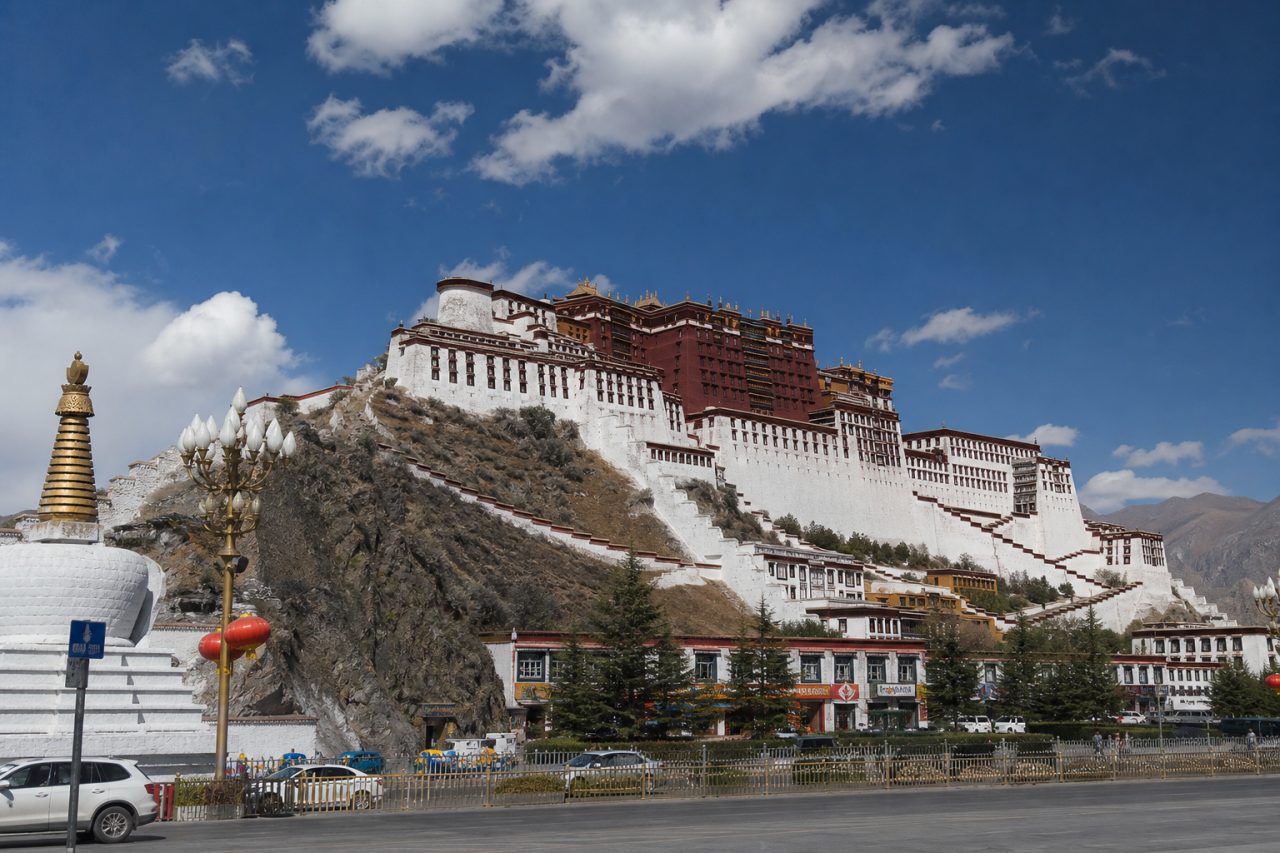
Offerings and donations are usually acceptable when handled respectfully, but they should be simple and quiet. A small cash donation in an official donation box is generally the easiest choice. Do not place money directly on sacred statues unless local custom clearly allows it, and do not treat giving as a performance or photo opportunity.
What to Do If You Are Unsure
The best response to uncertainty is observation, not improvisation. If you do not know whether to enter a room, take a photo, sit down, walk through a doorway, or approach a monk, stop and look for cues from your guide, posted signs, or local worshippers.
This is where many first-time travelers overcomplicate the experience. You do not need perfect knowledge. You need a respectful default: quieter, slower, less intrusive, and less certain of your own assumptions.
If you are traveling with children, prepare them before entering rather than correcting them loudly inside. A monastery visit usually goes better when children know in advance that this is a quiet place with no running, climbing, or touching. Families planning Tibet with young children may also find this useful: Tibet Family Tour With Toddlers: Altitude Safety and Packing Checklist.
Route suitability
Dynamic Trust & Reassurance Block
Use this article as a planning reference, not a final commitment
Route suitability
For "Tibet Monastery Etiquette: What Travelers Should Wear, Say, and Never Do", the right route depends on available days, altitude comfort, transport preference and the experience you want to prioritize.
Decision support
Use this article to compare route trade-offs, pacing and must-confirm logistics before choosing a final itinerary.
Before you commit
Before committing, confirm permit feasibility, road access, hotel availability, physical difficulty and your preferred travel pace.
Last reviewed: July 21, 2026
Design Your RouteRoute design support
Need help turning this route idea into a real plan?
We can help adjust the itinerary around your dates, pace, altitude comfort, permit needs and must-see places.
Design Your RouteYou Might Also Like
Jul 21, 2026
What to Wear in Tibet by Month: Packing for Lhasa, Everest Base Camp, and Kailash
Month-by-month T…
Jul 21, 2026
Lhasa Old Town Walking Guide: Barkhor Route, Monastery Stops, and How Much Time You Need
Plan a practical…
Jul 21, 2026
Tibet Train Classes Explained: Soft Sleeper vs Hard Sleeper vs Flying to Lhasa
Compare Tibet so…
Common Questions
Questions Readers Usually Ask Next
These answers close the practical questions still left after this guide, so you can decide what to do next without another search.
Do I need to remove my hat or shoes in a Tibet monastery?
Remove your hat before entering unless a local guide says otherwise. Shoe rules vary by monastery or room, so do not assume; watch for signs or follow your guide.
Can non-Buddhists attend or observe rituals?
Usually yes as quiet observers, but visitors should not interrupt, step into restricted spaces, or imitate ritual actions unless invited.
Is it okay to bring children into a monastery?
Yes, if they can stay quiet and avoid running, pointing at shrines, or touching objects. If a child is restless, step outside rather than disturb worship.
What should I do if no rules are posted?
Pause, watch how locals move, keep your voice low, avoid photos until you ask, and follow your guide or monastery staff.