
Tibet Travel for Couples: Private Tour Ideas, Romantic Routes, and Hotel Choices
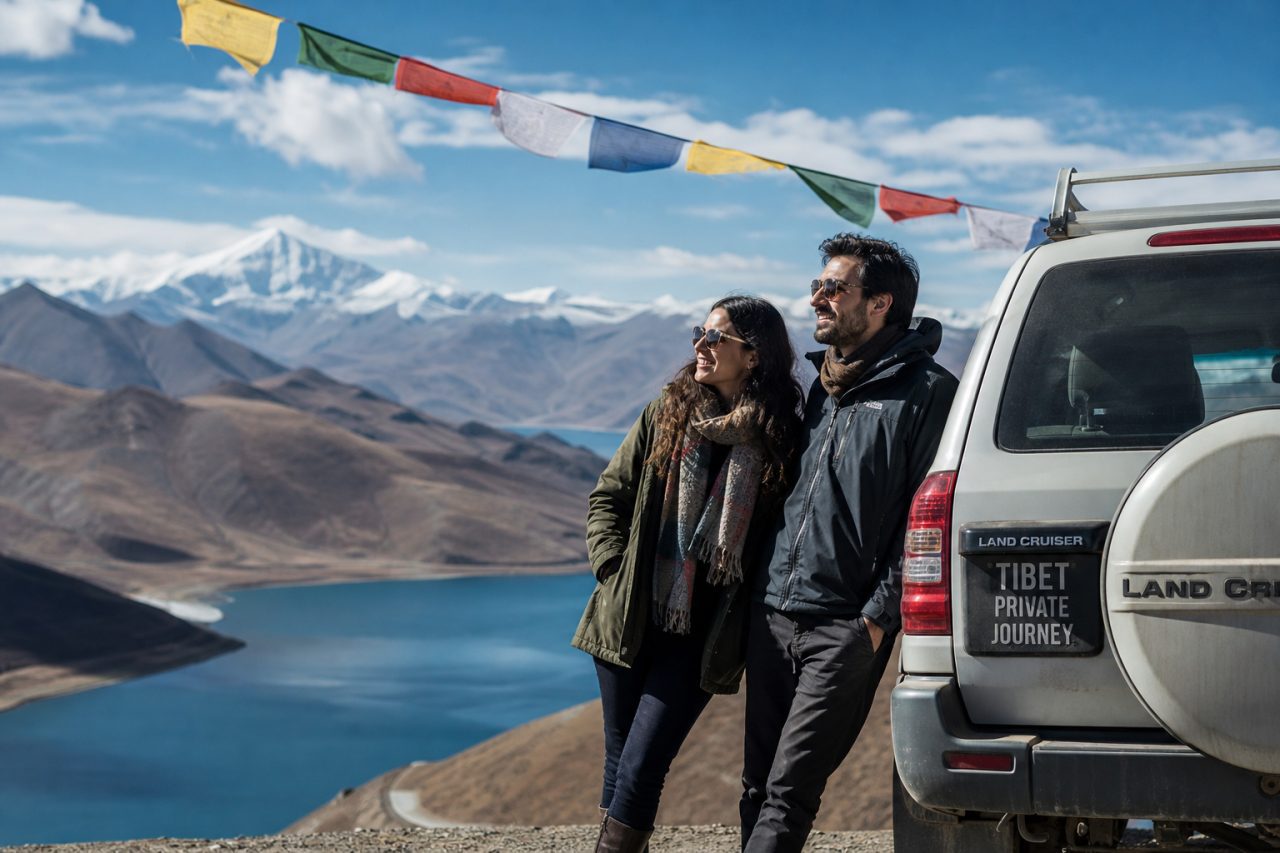
How Couples Should Choose a Tibet Private Trip
For most couples, the real decision is not whether Tibet is romantic. It is whether your route, hotel standard, and pace will make the trip feel shared and rewarding rather than scenic but tiring. The strongest choice is usually a private itinerary built around recovery, privacy, and a realistic amount of road time, not the longest route on the map.
That matters even more in Tibet because altitude, long overland sections, and uneven hotel quality can change the feel of the trip quickly. A couple planning a special anniversary or honeymoon often gets more value from a shorter, better-paced private route than from trying to fit Lhasa, Everest, lakes, and multiple long drives into one itinerary.
If you are still deciding, use this framework: choose your trip style first, then your route, then your hotel level. After that, compare whether private travel is worth the extra cost for two people and how your entry method affects comfort. For deeper planning on premium trips, see Tibet Luxury Private Tours for Honeymooners: How to Plan the Right Trip.
The Best Private Tibet Route Ideas for Different Couple Travel Styles
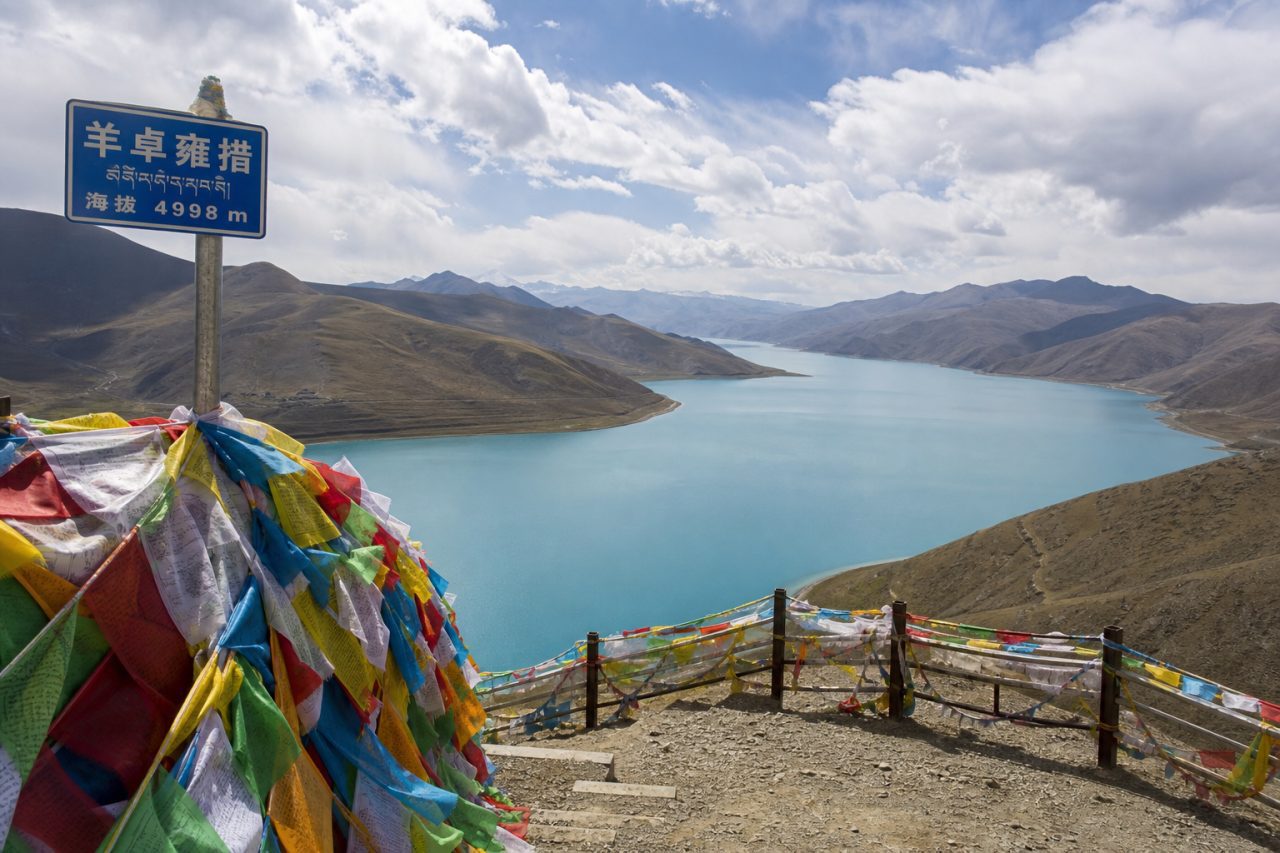
1. Comfort-first couples: Lhasa plus Yamdrok Lake
This is often the best fit for first-time couples who want scenery, privacy, and good trip flow without turning the journey into an endurance exercise. You keep the cultural highlights of Lhasa, add one of the most photogenic day-trip landscapes, and avoid stacking too many high-altitude overnights too quickly.
This route works well for couples who value time together more than landmark count. It is also a strong choice if one partner is more cautious about altitude or if you want room for a better hotel and slower mornings instead of spending more on repeated transfers and extra road days.
2. Balanced classic route: Lhasa, Yamdrok, Gyantse, and Shigatse
If you want a fuller private Tibet trip without going too far, this is the most practical middle ground. It adds classic overland scenery and a broader sense of the plateau while keeping the journey shorter and more manageable than an Everest extension.
For many couples, this route gives the best trade-off between iconic Tibet landscapes and usable comfort. It is long enough to feel like a journey, but not so long that every day becomes mostly about driving and hotel check-ins.
3. Landmark-driven couples: Lhasa to Everest region
This route is right only if both travelers are comfortable accepting more road time, simpler overnight conditions in some sections, and a less relaxed pace in exchange for a high-impact destination. Everest views can be a major emotional highlight, but this is not automatically the most couple-friendly choice just because it is the most famous.
The common mistake is treating an Everest add-on as a romantic upgrade when it is really a route-intensity upgrade. If your goal is shared comfort, private timing, and good hotel recovery, a shorter itinerary can outperform it. If your goal is once-in-a-lifetime scenery and both of you are prepared for the pace, it can be worth it.
4. Scenic luxury focus: Lhasa with selective premium nights
Some couples do not need a longer route. They need a better version of a shorter one. In practice, that means fewer hotel changes, stronger room quality in Lhasa, a private vehicle with flexible stop timing, and one or two scenic excursions chosen for light pacing instead of mileage.
This style usually suits honeymooners, anniversary trips, and travelers who want Tibet to feel memorable but not rough-edged. It is also the easiest way to keep the trip special without forcing full luxury throughout every stop.
Which Scenic Routes Feel Most Rewarding, and Which Can Feel Too Rushed
The most rewarding scenic routes for couples usually share one trait: they leave enough energy to enjoy the setting when you arrive. Yamdrok Lake and the Lhasa-Shigatse corridor often deliver that balance. They offer visual payoff without requiring every day to be a long transfer day.
The routes most likely to feel rushed are the ones built around checklist ambition. A tight schedule with several long drives, altitude exposure, and frequent hotel changes can look efficient on paper but leave very little quiet time together.
Season also changes the equation. Summer can be attractive for travel timing, but road conditions and delays may require extra flexibility on some routes. For July and August planning, see Tibet Travel in July and August: Rainy Season, Mudslides, and What to Plan For. Route conditions and timing should always be reconfirmed before final booking because weather and local transport factors can change trip flow.
How to Choose Hotels That Improve Comfort, Privacy, and Recovery
For couples, hotel choice in Tibet is not mainly about star labels. It is about sleep quality, heating, bathroom standard, quiet, location, and how well the room supports recovery at altitude. A better room can matter more than adding another stop.
Prioritize your hotel budget in Lhasa first. That is where you are most likely to benefit from an extra recovery night, a calmer room, better service, and a more enjoyable base for the first days of acclimatization.
On overland routes, the right expectation is often more important than chasing luxury wording. Some destinations have a narrower range of high-comfort options, so ask your operator to explain the actual room standard at each overnight stop rather than assuming the quality will remain consistent throughout the trip.
A useful rule for couples is this: if you are adding Shigatse or Everest, do not downgrade hotels too far just to extend the route. The extra distance already adds fatigue. Keeping a solid comfort floor usually produces a better overall trip than stretching the itinerary and compromising recovery.
When a Private Tour Is Worth It for Couples
Private travel tends to make the most sense when privacy, pacing, and comfort have real value to you as a pair. According to the planning logic in Tibet Group Tour vs Private Tour: Cost, Flexibility, Comfort, and Who Each Option Fits and Tibet Group Tour vs Private Custom Tour Cost: Which Option Actually Saves More?, the premium is often justified less by exclusivity itself and more by schedule control, reduced waiting, custom stop timing, and easier hotel matching.
That advantage is strongest for couples with different walking speeds, photography priorities, sleep preferences, or tolerance for long group days. A private vehicle and guide can reduce friction that would be minor on a normal sightseeing trip but much more noticeable on a high-altitude journey.
A group tour can still be fine if budget is the top priority and both travelers are flexible. But if this is a special trip and you care about room choice, departure timing, quieter pacing, or not organizing your day around strangers, private travel is usually the better fit.
The Planning Choices That Most Affect Cost, Comfort, and Trip Flow
Trip length
For many couples, the best range is enough days to settle into Lhasa before adding overland travel, without turning the trip into a long chain of transfers. The success standard is not maximum coverage. It is whether the route leaves enough energy for the parts you care about most.
Entry by train or flight
Your entry method affects both trip rhythm and how the first days feel. The detailed comparison in Tibet Train vs Flight: Which Entry Option Fits Your Budget, Time, and Acclimatization Plan? is useful here. In general planning terms, train entry can suit couples who have more time and want a gradual arrival, while flights suit travelers who value efficiency and are willing to protect the first days with a lighter schedule.
Schedules, fares, and availability change, so confirm them before booking. If one partner is already worried about fatigue, the better question is not which option is cheaper in theory, but which one protects the first 48 hours of the trip better.
Season and route ambition
Do not choose your longest route first and check the season second. Pick them together. A scenic overland plan that feels smooth in one travel window may require more buffer time in another, especially when weather affects driving conditions or visibility.
A Better Way to Request a Couples-Focused Itinerary
When you contact an operator, do not ask only for a quote. State your route ambition, hotel comfort floor, preferred pace, and whether this is a honeymoon, anniversary, or comfort-first trip. That gives you a more usable proposal and reduces the risk of receiving an itinerary built around attraction count instead of couple fit.
A strong request is simple: tell them how many days you have, whether you prefer Lhasa-focused comfort or a broader overland route, what room standard you want in key stops, and whether privacy and flexibility justify a private vehicle for you. That is the shortest path to an itinerary that fits two people rather than a generic Tibet package.
For most couples, the best Tibet trip is not the one with the most stops. It is the one where scenery, recovery, privacy, and pace stay in balance from the first day to the last.
Service fit
Dynamic Trust & Reassurance Block
Use this article as a planning reference, not a final commitment
Service fit
For "Tibet Travel for Couples: Private Tour Ideas, Romantic Routes, and Hotel Choices", value depends on route complexity, hotel level, season, group size and how much private support you expect.
Decision support
Use this article to clarify which comfort level, flexibility and service scope fit your budget before requesting a proposal.
Before you commit
Before committing, confirm inclusions, exclusions, hotel standards, vehicle arrangements and guide support in the final quote.
Last reviewed: July 18, 2026
Start Custom PlanningPrivate journey design
Create your private Tibet experience
Tell us your travel style, preferred pace and interests. We will help design a route around your journey.
Design Your TripYou Might Also Like
Jul 22, 2026
Tibet Photography Guide: Best Places, Camera Rules, and Drone Restrictions
Plan where to sh…
Jul 22, 2026
Tibet with Kids: Family-Friendly Routes, Age Limits, and Comfort Planning
Planning Tibet w…
Jul 22, 2026
Tibet Travel Insurance Guide: What Policies Should Cover for Remote Trips
Choosing Tibet t…
Common Questions
Questions Readers Usually Ask Next
These answers close the practical questions still left after this guide, so you can decide what to do next without another search.
How many days are enough for a couples-focused Tibet trip?
For many couples, a shorter private trip with better pacing often feels more rewarding than trying to cover every headline route. The right number of days depends on how much road time, altitude exposure, and hotel variation you are comfortable with.
Is an Everest-side route too tiring for a honeymoon-style trip?
It can be, depending on your road tolerance, recovery needs, and expectations for overnight comfort. For some couples, a more moderate scenic route delivers a better balance of privacy, scenery, and trip flow.
Does a private guide and driver materially reduce stress for couples?
Often yes, because a private format can improve pacing, privacy, stop flexibility, and coordination. That matters most when comfort and shared time are higher priorities than minimizing cost.
When should couples choose train entry instead of a flight?
Entry choice usually depends on available time, comfort preference, and how you want the trip to begin. A slower entry can suit some travelers better, while others prioritize simplicity and shorter transit time.