
Can Holding a Journalist Visa Affect Your Tibet Travel Permit?
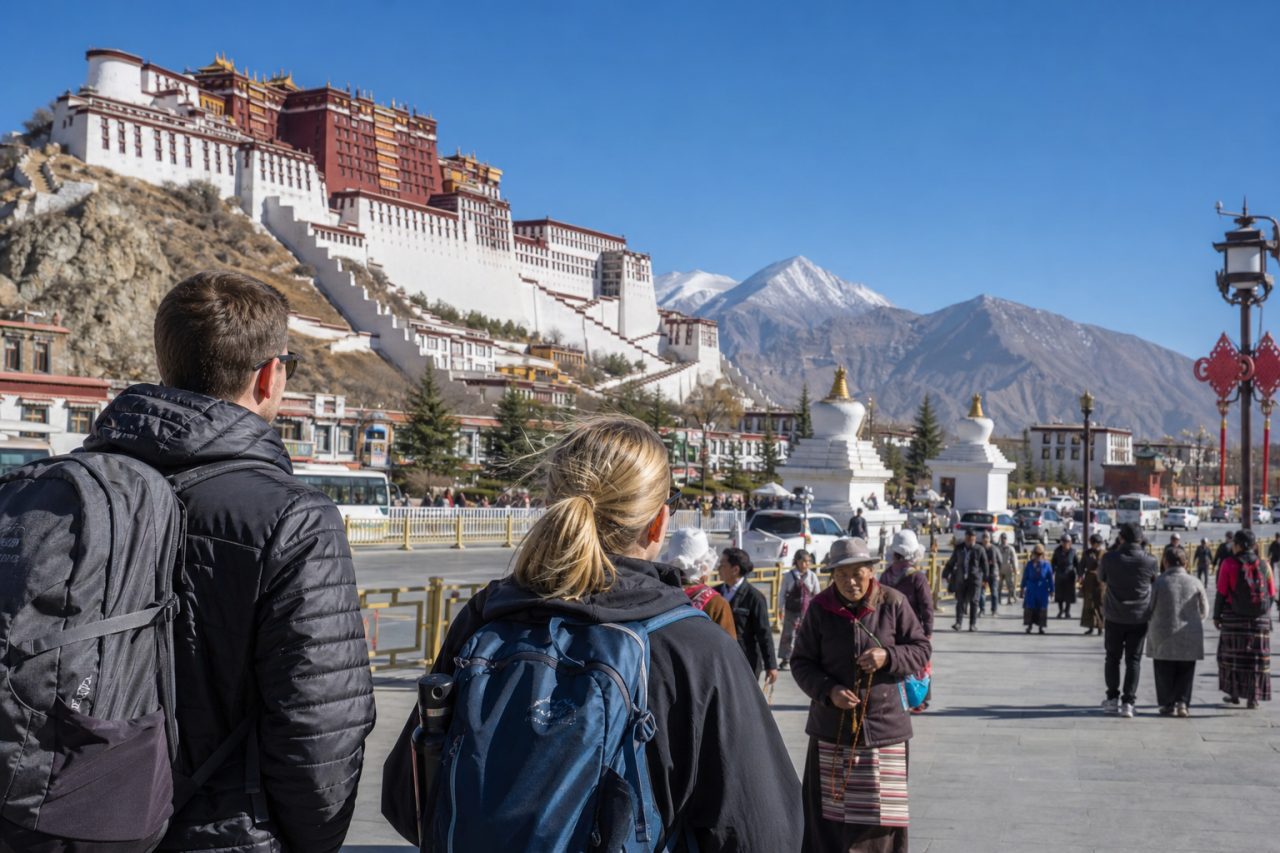
If you hold a journalist visa for China, or your documents show an active media role, that can affect your Tibet Travel Permit application. The practical answer is yes: journalist status can trigger extra scrutiny, delay, or refusal, even if you can otherwise enter mainland China. For most travelers, the real decision is not “Can I visit Tibet in theory?” but “Should I book anything before my case is screened?”
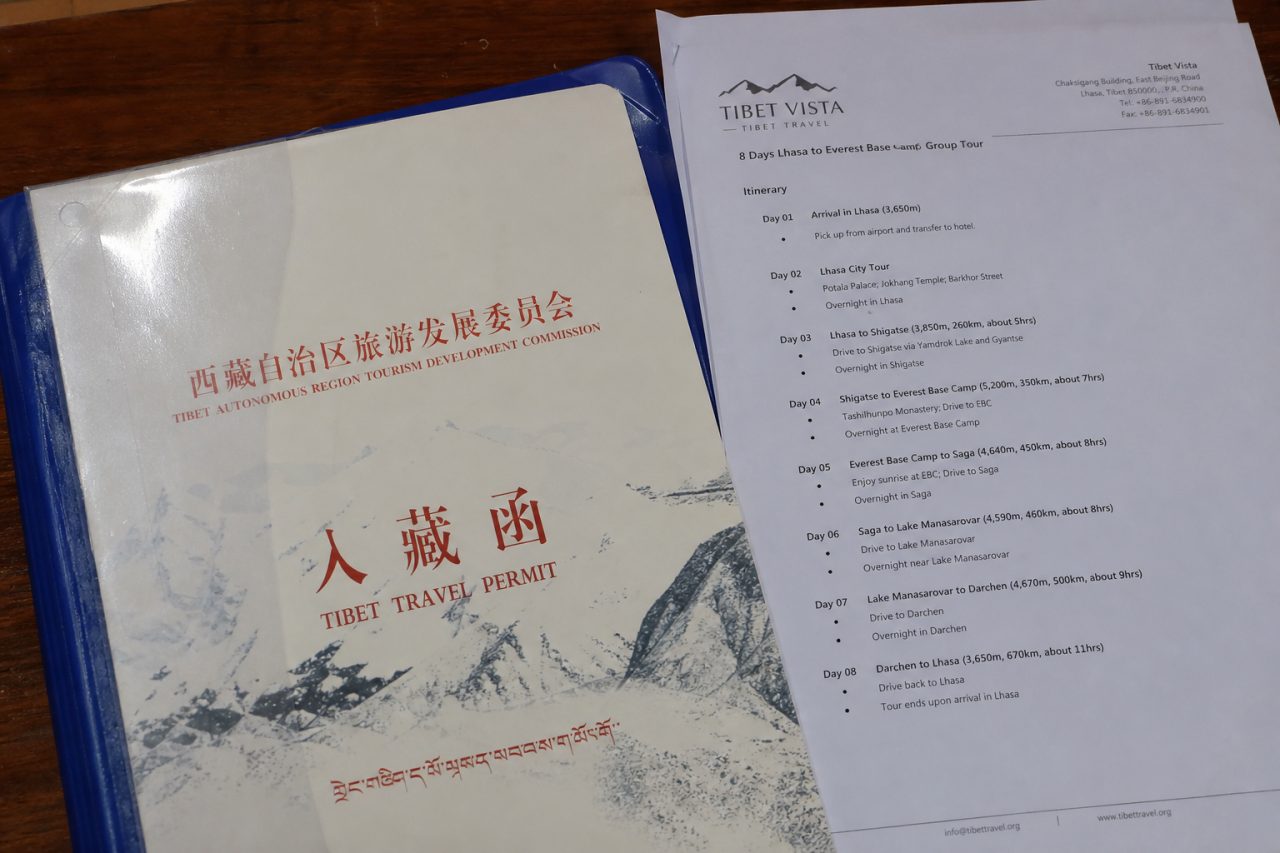
The safest judgment is this: a current journalist visa is a higher-risk case than an ordinary tourist visa, and a past media background can still matter if your travel purpose looks connected to reporting. Foreign travelers to Tibet already need permit processing through a local agency, not independent self-application, as explained in Can Foreigners Visit Tibet Now? Latest Travel Permits & Restrictions Explained. Before you book flights or nonrefundable hotels, get a pre-screen review of your passport, current China visa, and stated occupation.
When a journalist visa becomes a real Tibet permit problem
The key issue is not only the word journalist. It is whether your current visa category, employer identity, or declared purpose of travel puts your trip into a politically sensitive or non-tourist category. Tibet travel is regulated more tightly than ordinary travel in most parts of China, so permit review is often stricter in practice than standard hotel or flight booking checks.
If you currently hold a J-class China visa, that is usually the clearest warning sign. China’s Ministry of Foreign Affairs identifies J1 and J2 as visa categories for resident foreign journalists and foreign journalists on short-term news coverage, at Visa Application for Foreigners to the PRC. A Tibet agency reviewing your permit request may treat that status as inconsistent with ordinary sightseeing, even if your personal intention is only tourism.
A second risk case is a traveler whose visa is not journalist-class, but whose employer, business card, public profile, or itinerary suggests reporting, filming, documentary work, interviews, or other media collection. In that situation, the problem is not always an automatic ban. The problem is that the trip may be reviewed as something other than leisure travel.
Current journalist visa vs. former media background
These are not the same level of risk. A current journalist visa usually matters more than a media job years ago, because permit review often starts with present legal status and present travel purpose.
For example, a traveler who now holds an L tourist visa and previously worked in publishing may still be approvable if the trip is a standard guided tour with ordinary tourist documents. A traveler holding a J2 visa for an active reporting assignment faces a much harder case, even if they plan to spend only a few days in Lhasa.
This difference matters because many travelers overreact in one direction or the other. Some assume any past media work makes Tibet impossible. Others assume that if they are physically allowed into China, Tibet will be routine. Neither assumption is reliable.
Why agencies ask detailed questions
Many travelers are surprised when a Tibet agency asks about occupation, employer, nationality, visa type, and exact travel purpose. That is not just sales paperwork. It is part of risk screening before permit submission.
Tibet permit handling for foreign visitors already involves advance document checks and timeline control, which is why early verification matters. The planning risk is covered well in What to Pay Attention to When Traveling to Tibet: Permits, Altitude, Timing, and Practical Risks. When a case has journalist implications, agencies often need to decide whether it is realistic to proceed before they build the itinerary around a permit that may not be approved.
What you should check before booking anything
First, confirm your exact current China visa category from the visa sticker or approval documents. Do not guess based on your profession alone. The official visa category matters more than casual descriptions like “I work in media” or “I am a content creator.”
Second, be honest about the purpose of the trip. If the real goal includes reporting, interviewing, filming for publication, or any media assignment, treat that as a separate category of travel risk. Trying to present a mixed-purpose trip as simple tourism can create bigger problems later if the documents or itinerary do not match.
Third, ask a Tibet agency for a pre-screen review before paying for nonrefundable flights or high-end hotels. A short document check upfront is more valuable than a long itinerary discussion if your basic eligibility is uncertain.
How to reduce the chance of delay or rejection
- Use the visa category you actually hold and disclose it early.
- Keep the itinerary clearly tourism-focused if the trip is genuinely for sightseeing.
- Choose refundable or changeable bookings until permit feasibility is confirmed.
- Avoid vague explanations if your occupation and visa category could raise obvious questions.
- Submit documents as early as practical, because sensitive cases may take longer to assess.
The common mistake is to optimize for convenience instead of consistency. A traveler may think, “I will explain less and make the process easier.” In Tibet permit matters, incomplete or contradictory information usually increases risk rather than reducing it.
When you should pause planning
Pause immediately if any of these apply: you currently hold a J1 or J2 visa, your employer is a news organization, the trip includes filming or interviews for publication, or an agency hesitates after seeing your documents. In these cases, the next step is not to keep booking. It is to get a clear go/no-go answer on permit handling first.
If your case is lower risk, such as a former media worker now traveling on a normal tourist basis, you may still be able to move forward. But you should still treat it as a screening issue, not as a routine permit file.
Bottom line
Holding a journalist visa can absolutely affect your Tibet Travel Permit. The strongest risk factor is a current J-class visa or any active media purpose; a past media background may matter, but it is usually more case-specific. The practical rule is simple: verify your current visa status, disclose relevant details early, and do not make nonrefundable bookings until a Tibet agency confirms your case is workable.
If you also need the broader permit picture, read the latest Tibet permits and restrictions for foreign travelers before planning dates.
Permit accuracy
Dynamic Trust & Reassurance Block
Use this article as a planning reference, not a final commitment
Permit accuracy
For "Can Holding a Journalist Visa Affect Your Tibet Travel Permit?", permit and entry requirements may change by nationality, route, entry city and travel date.
Decision support
Use this article to identify which documents, timing risks and route constraints need confirmation before flights, hotels or overland plans are locked.
Before you commit
Before committing, check the final requirement against your passport, Chinese visa status, route plan and intended document submission date.
Last reviewed: July 18, 2026
Check Permit GuidePermit timeline support
Need help planning your Tibet permit timeline?
We can help match your travel dates with route options, permit requirements and local arrangements.
Check Your Tibet Travel OptionsYou Might Also Like
Jul 20, 2026
Tibet Family Tours: Age Rules, Kid-Friendly Routes, and What Parents Need to Plan
Planning a Tibet…
Jul 19, 2026
Why a Tibet Private Tour Costs So Much for Solo Travelers
A Tibet private …
Jul 19, 2026
Are Tibet Tour Guides Mandatory for Canadian Citizens? Rules, Permits, and What to Expect
Canadian citizen…
Common Questions
Questions Readers Usually Ask Next
These answers close the practical questions still left after this guide, so you can decide what to do next without another search.
Does a past media job matter if I do not hold a journalist visa now?
Sometimes. A former media background is usually less sensitive than a current journalist visa, but it can still draw questions if your documents, employer information, or stated purpose suggest reporting activity.
Is the issue the visa itself or my travel purpose?
Both can matter. A journalist visa raises concern on its own, and an itinerary that appears linked to reporting can also increase permit risk even if the visa situation looks less obvious.
Should I book flights before a Tibet agency reviews my case?
No. This is the main practical takeaway. Get a pre-screen review first and use refundable options until the agency confirms that your documents are workable.
Can a Tibet agency tell me in advance whether my case is risky?
Often yes, at least at a practical screening level. They may not guarantee approval, but they can usually tell you whether your visa class, occupation details, or travel purpose creates a clear concern before you commit money.