
Best Month to Visit Tibet: When to Go for Weather, Festivals, and Clear Mountain Views
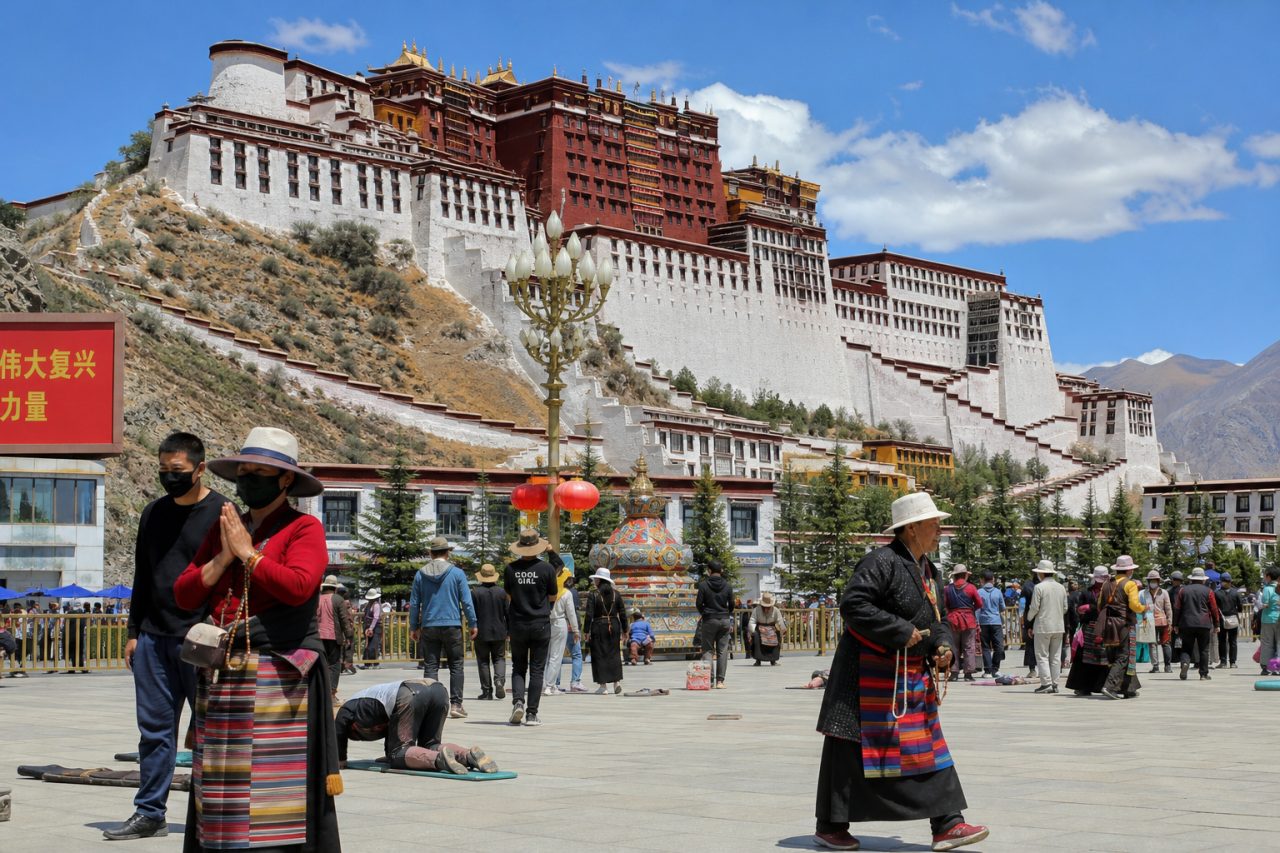
For most first-time travelers, September and October are the best months to visit Tibet. That judgment fits the widest range of priorities: comfortable sightseeing in Lhasa, relatively stable overland conditions, and strong odds of clear long-distance mountain views on routes toward Everest. Spring, especially April and May, is a close second if you want milder crowds, fresh high-plateau scenery, and good overall route practicality. There is no single best month for every traveler, though, because the right answer changes if your priority is festival atmosphere, lower prices, fewer tour groups, or the clearest possible Himalayan views.
The key is to choose your month by travel goal, not by temperature alone. Tibet is a high-altitude region where Lhasa city sightseeing, long overland drives, festival timing, acclimatization pace, and permit logistics matter as much as the forecast. Travelers should also confirm current access rules before picking dates, because foreign visitors cannot travel independently and need permits arranged through a registered agency, as explained in Are Tourists Allowed to Visit Tibet? Current Rules, Permits, and What to Expect.
What month works best for your trip goal?
| Travel goal | Best months | Why |
|---|---|---|
| Best all-around first trip | September, October | Balanced weather, clearer skies, good road conditions, comfortable Lhasa touring |
| Everest and big mountain views | October, November; also April | Drier air often improves long-range visibility on high plateau routes |
| Mild city sightseeing in Lhasa | May, June, September | Pleasant daytime conditions for monasteries, old city walks, and shorter excursions |
| Festivals and cultural atmosphere | February or March for Losar, dates vary; May or June for Saga Dawa, dates vary | Strong cultural energy, but exact festival timing shifts by the Tibetan calendar |
| Fewer crowds and possible shoulder-season value | April, early May, November | Useful balance between practicality and lower peak-season pressure |
Why autumn usually wins
September and October are the easiest months to recommend because they solve the most common first-time concerns at once. Many travelers want a trip that feels comfortable in Lhasa, works well for an overland route, and offers a realistic chance of clear views without dealing with midsummer rain or deep winter cold.
That does not mean every day is sunny or every route is identical. It means autumn is usually the lowest-regret choice for a once-in-a-lifetime trip with mixed priorities. A first-time couple combining Lhasa, Shigatse, and Everest will usually get a better balance in autumn than in the wettest part of summer or the coldest part of winter.
Spring, summer, autumn, and winter: the real tradeoffs
Spring: April to May
Spring is one of the smartest alternatives to autumn. Roads and longer routes are generally practical, landscapes start to open up after winter, and crowd pressure is often lower than in the busiest holiday periods. For travelers who want good overall conditions without the highest autumn demand, April and May can be an excellent fit.
Spring also works well for first-time visitors who are cautious about altitude. The reason is not that spring changes altitude risk, but that moderate daytime touring conditions can make acclimatization days feel easier. Medical guidance from the U.S. Centers for Disease Control and Prevention notes that altitude illness can affect travelers above 8,000 feet and recommends gradual ascent when possible, which matters in Tibet because Lhasa itself sits at about 3,650 meters or 11,975 feet according to Encyclopaedia Britannica: CDC Yellow Book, Altitude Illness; Encyclopaedia Britannica, Lhasa.
Summer: June to August
Summer brings greener landscapes and warmer conditions, which many travelers enjoy in Lhasa and lower-elevation sightseeing areas. It can be a good choice for travelers who dislike cold mornings and want a softer feel to the trip.
The tradeoff is visibility and seasonal rain. Summer is not automatically a bad time to go, but it is less reliable if your main goal is crisp Everest views or long-distance mountain photography. This is also a period when transport delays and route changes can matter more, so it is worth reading a company’s force majeure policies before confirming dates.
Autumn: September to November
This is the strongest season for most comparison shoppers. Early autumn usually gives the broadest mix of comfort and scenery, while late autumn can be especially attractive for travelers focused on dry air and clearer Himalayan views.
November is often underrated. It is colder, especially in the mornings and at Everest, but some travelers prefer it because crowd levels may ease while mountain visibility remains appealing. If you are fine with heavier layers and want a more photography-focused trip, November can beat warmer months.
Winter: December to February
Winter is the least universal choice, but it is not automatically the wrong one. Lhasa can still be quite visitable for travelers who accept cold mornings, stronger temperature swings, and a more limited comfort margin on longer overland journeys.
Winter tends to fit returning Asia travelers, budget-conscious travelers, and people whose main interest is quieter monasteries and city exploration rather than a broad multi-stop itinerary. The mistake is assuming winter is only about price; in reality, it changes the whole rhythm of the trip.
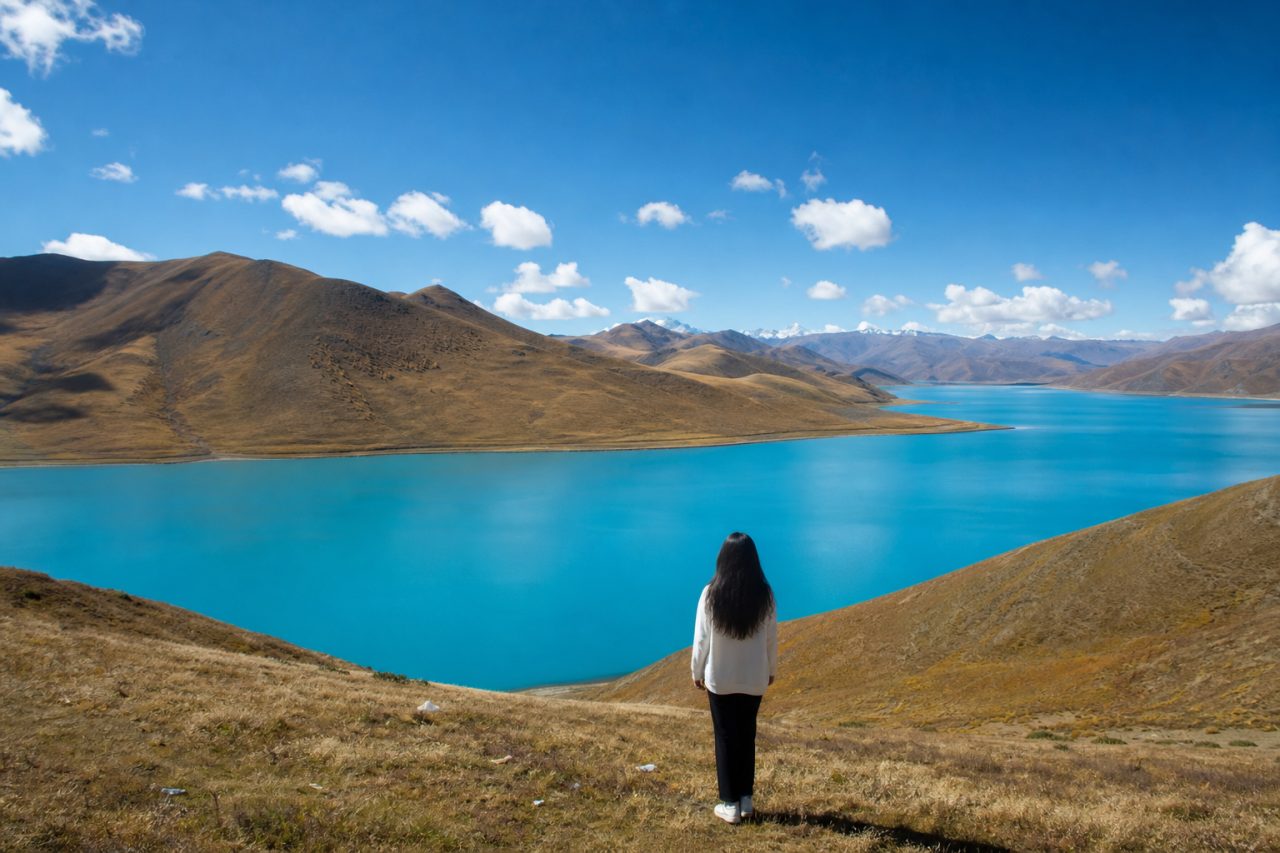
Festival months can be worth it, but they are not always the easiest months
If your main goal is cultural atmosphere, a festival month may be your best month even if it is not the easiest for logistics. Tibetan New Year, or Losar, and Saga Dawa are the two big examples travelers often ask about, but their dates shift by the Tibetan lunar calendar. Readers should confirm the exact year’s dates with an official tourism or cultural calendar before booking rather than relying on a fixed month.
Festival travel can mean more domestic demand, fuller hotels, and more pressure on permits and transport planning. That is why the best festival month is often the best month only for travelers who actively want the event itself.
Three common mistakes when choosing dates
- Picking by temperature only. Tibet timing is really about route goals, visibility, and acclimatization pace, not just warm afternoons.
- Ignoring trip length. A short Lhasa-focused itinerary and a longer Everest overland trip do not have the same ideal month. Compare route length before you choose dates in How Many Days in Tibet Is Enough?
- Leaving permits too late. Date choice is tied to permit processing and agency coordination, so travelers should review the site’s Tibet permit terms early in the planning stage.
So, what should most travelers choose?
If you want one answer, choose late September or October. It is the strongest overall month range for first-time travelers who want a classic Tibet trip with Lhasa sightseeing and a realistic chance of strong overland scenery.
Choose April or May if you want a smart shoulder-season alternative. Choose November if mountain visibility matters more than warmth. Choose a festival month only when the event itself is a top priority and you are willing to accept more planning complexity.
Before locking dates, confirm whether rules and permit considerations for American travelers to Tibet apply to your nationality, review how to choose a Tibet travel agency, and match your month to the itinerary length you can realistically handle at altitude.
Disclaimer: Weather, festival timing, transport conditions, and travel rules can change by year and route. Confirm your exact dates, permit timeline, and route feasibility before paying deposits or booking flights.
Seasonality
Dynamic Trust & Reassurance Block
Use this article as a planning reference, not a final commitment
Seasonality
For "Best Month to Visit Tibet: When to Go for Weather, Festivals, and Clear Mountain Views", the best choice can shift with season, weather, road access, scenery and crowd levels.
Decision support
Use this article to compare when the experience is likely to match your comfort expectations and visual priorities.
Before you commit
Before committing, confirm current road access, hotel availability, weather patterns and seasonal limits for your exact dates.
Last reviewed: July 10, 2026
Match Dates to RouteSeason-based planning
Want the right Tibet route for your season?
We can help match your travel month with realistic scenery, road access, comfort level and route choices.
Match Dates to RouteYou Might Also Like
Jul 21, 2026
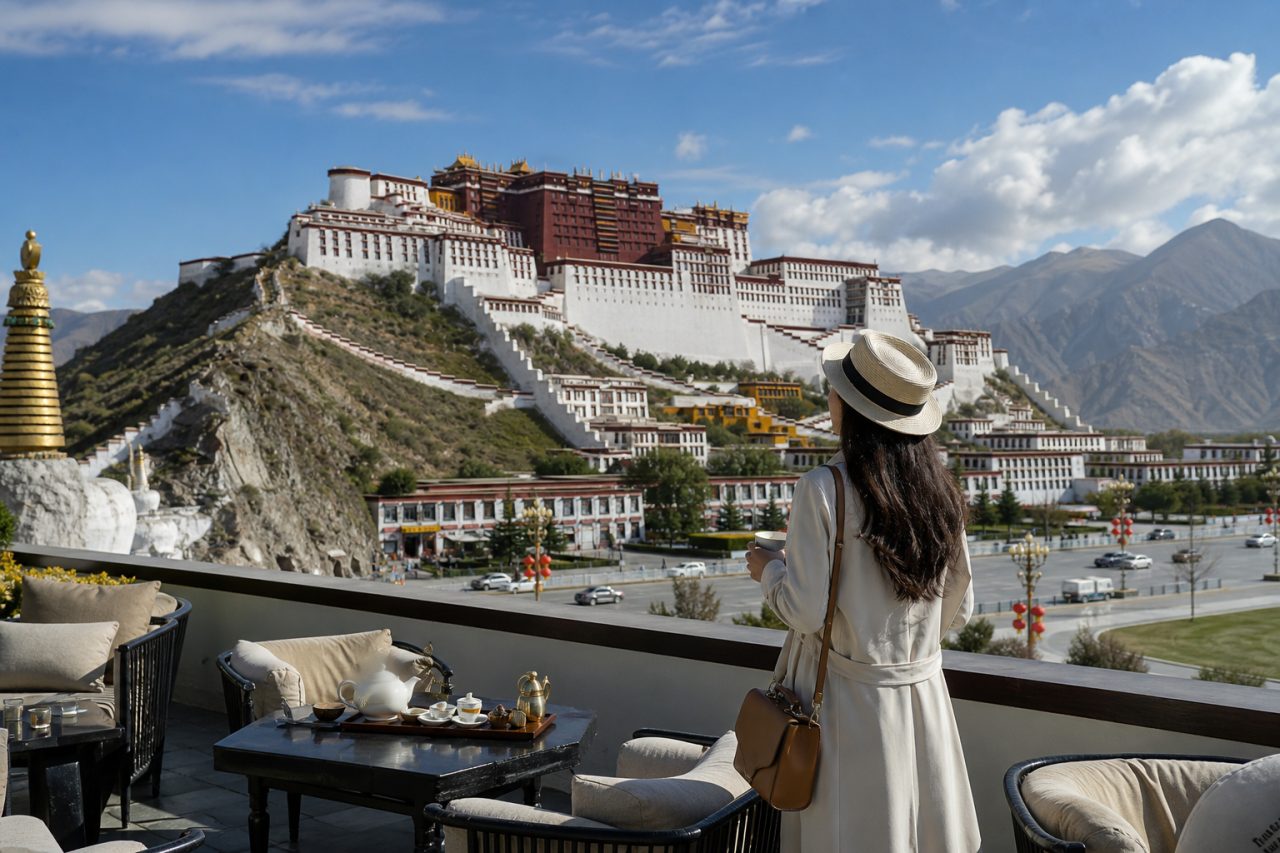
2026 Lhasa Luxury Travel Itineraries: How to Choose the Right Private Tibet Trip
Compare 2026 Lha…
Jul 21, 2026
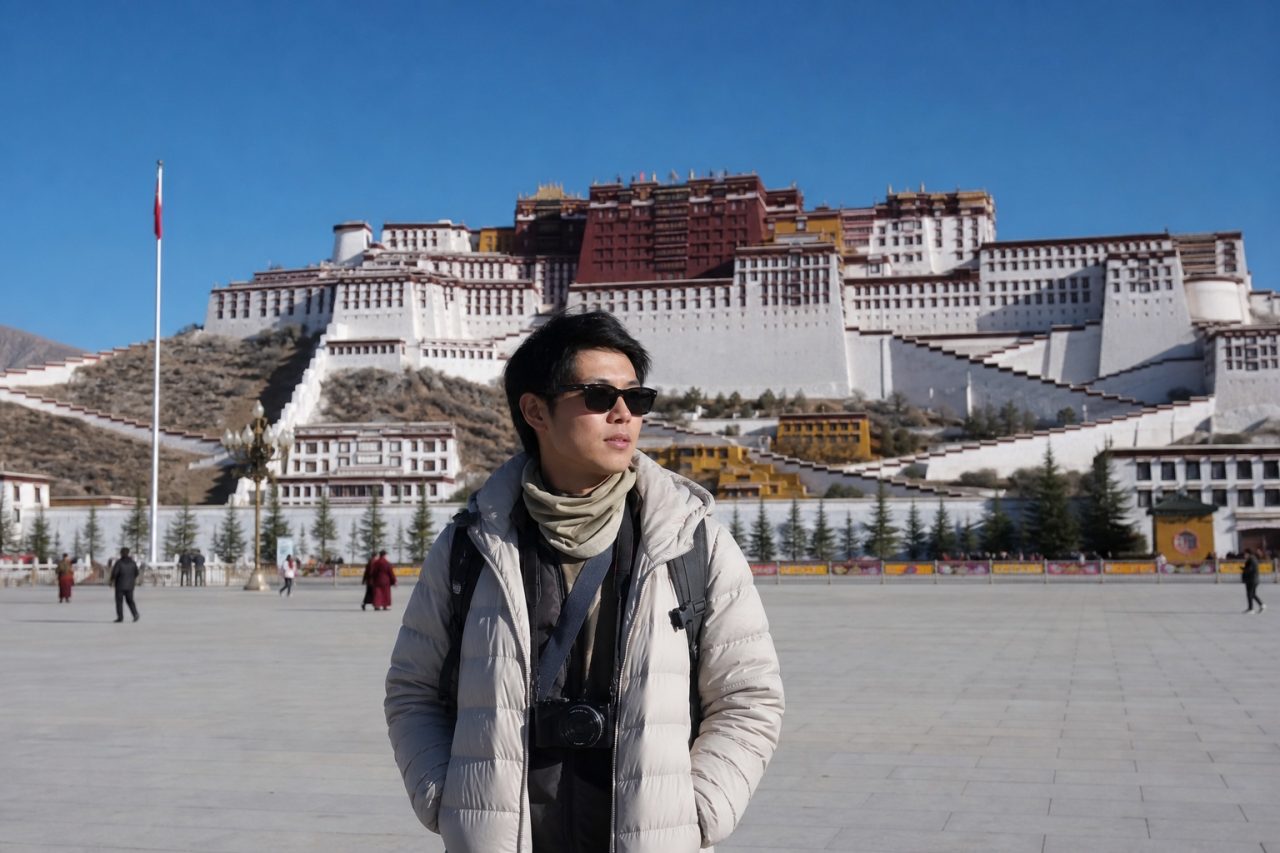
What to Wear in Tibet by Month: Packing for Lhasa, Everest Base Camp, and Kailash
Month-by-month T…
Jul 21, 2026
Tibet Private Custom Tours vs. Group Tours: Cost, Safety, and Which One Fits You
Compare Tibet pr…