
9-Day Tibet Tour: What You Can See, How to Pace It, and Who This Itinerary Fits
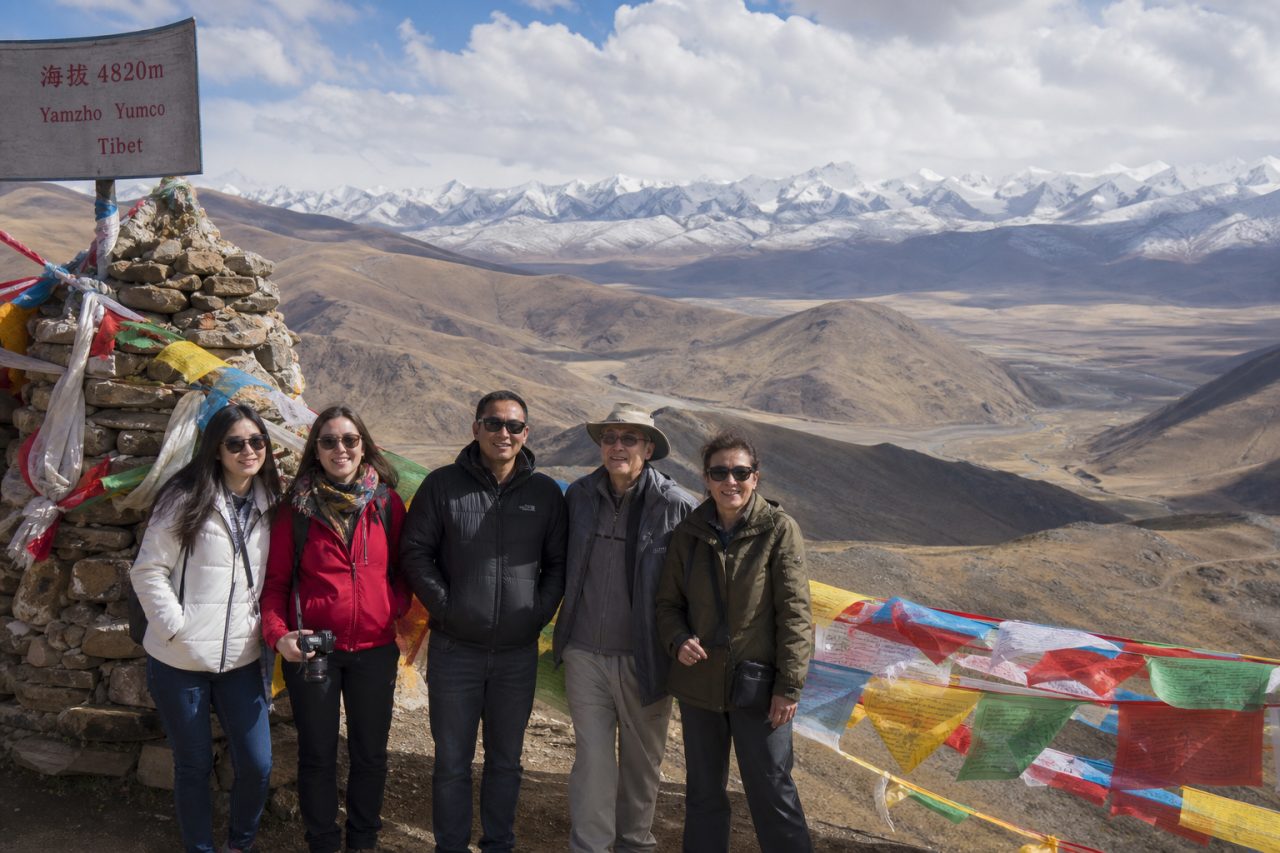
A 9-day Tibet tour is one of the most practical formats for first-time visitors because it gives you enough time to see Lhasa properly, add one major overland section, and still leave some room for altitude adjustment. In most cases, nine days works best when the route stays focused: Lhasa plus nearby cultural sites, or Lhasa combined with Shigatse and Everest-area highlights. The key judgment is simple: nine days is enough for a real Tibet experience, but only if the itinerary is paced around altitude, permit timing, and long road transfers rather than just stacking landmarks.
That matters because Tibet travel is shaped by rules and physical conditions, not only by sightseeing preference. Foreign travelers need a Tibet Travel Permit arranged before entry, and independent foreign travel in Tibet is generally not allowed; permit handling and tour format are explained in How to Apply for a Tibet Travel Permit: Steps, Timeline, and Common Mistakes. High-altitude planning also affects comfort more than many travelers expect, especially in Lhasa at about 3,650 meters and on overland routes that rise much higher. For general travel-health guidance on altitude illness, the U.S. Centers for Disease Control and Prevention advises gradual ascent where possible and attention to symptoms such as headache, nausea, fatigue, and shortness of breath (CDC Yellow Book: High-Altitude Travel and Altitude Illness).
What a well-paced 9-day Tibet tour usually includes
The strongest 9-day itineraries usually follow one of two models. The first is a culture-first route: arrival in Lhasa, two to three full days in the city, a day trip or short extension to places such as Drepung, Sera, or Yamdrok Lake, then a measured return or departure. The second is a broader overland route: Lhasa, Gyantse, Shigatse, and an Everest-region section before exiting or turning back.
The difference is not just scenery. It is energy management. A first-time traveler who wants monasteries, old streets, and manageable driving days will often enjoy a Lhasa-centered 9-day plan more than a thin Everest add-on that turns half the trip into road time.
A typical sequence looks like this:
- Arrive in Lhasa and keep the first day light.
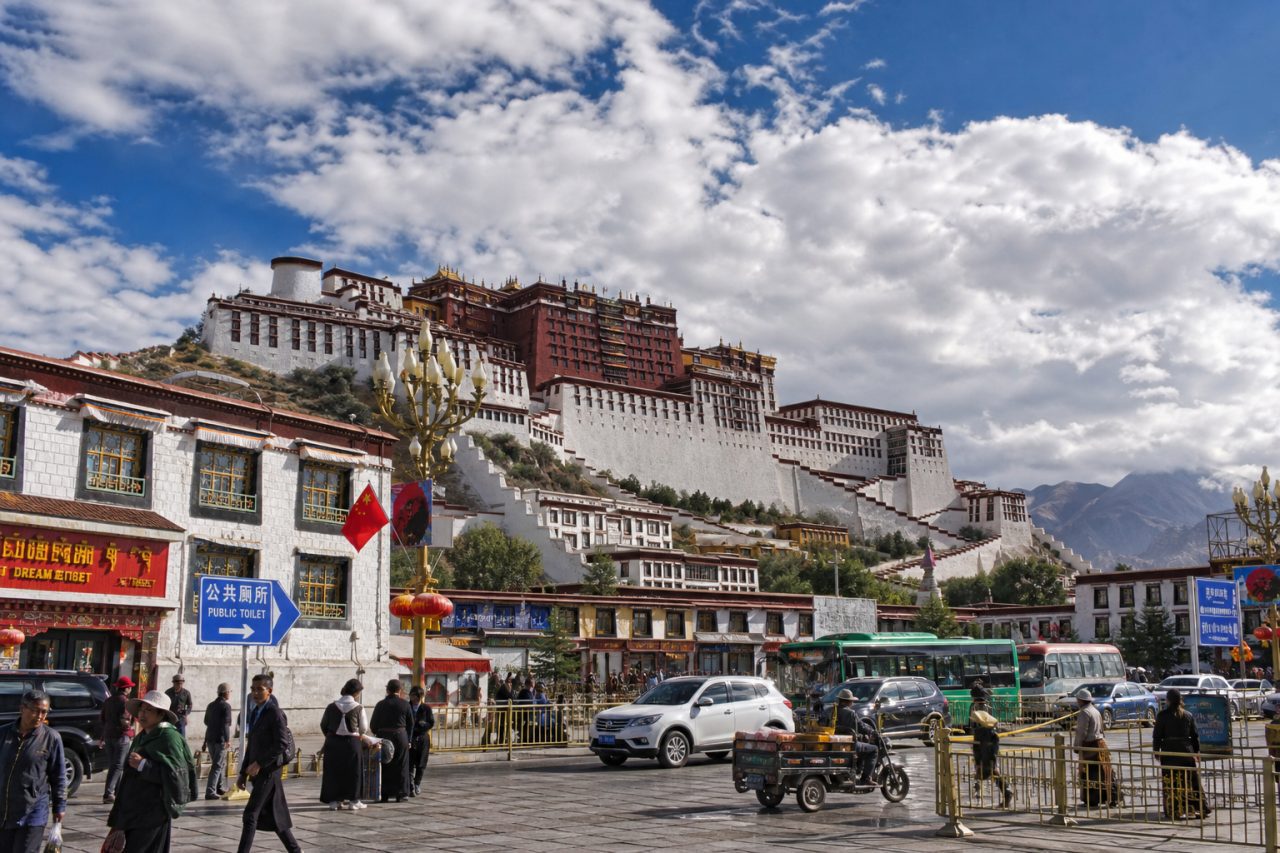
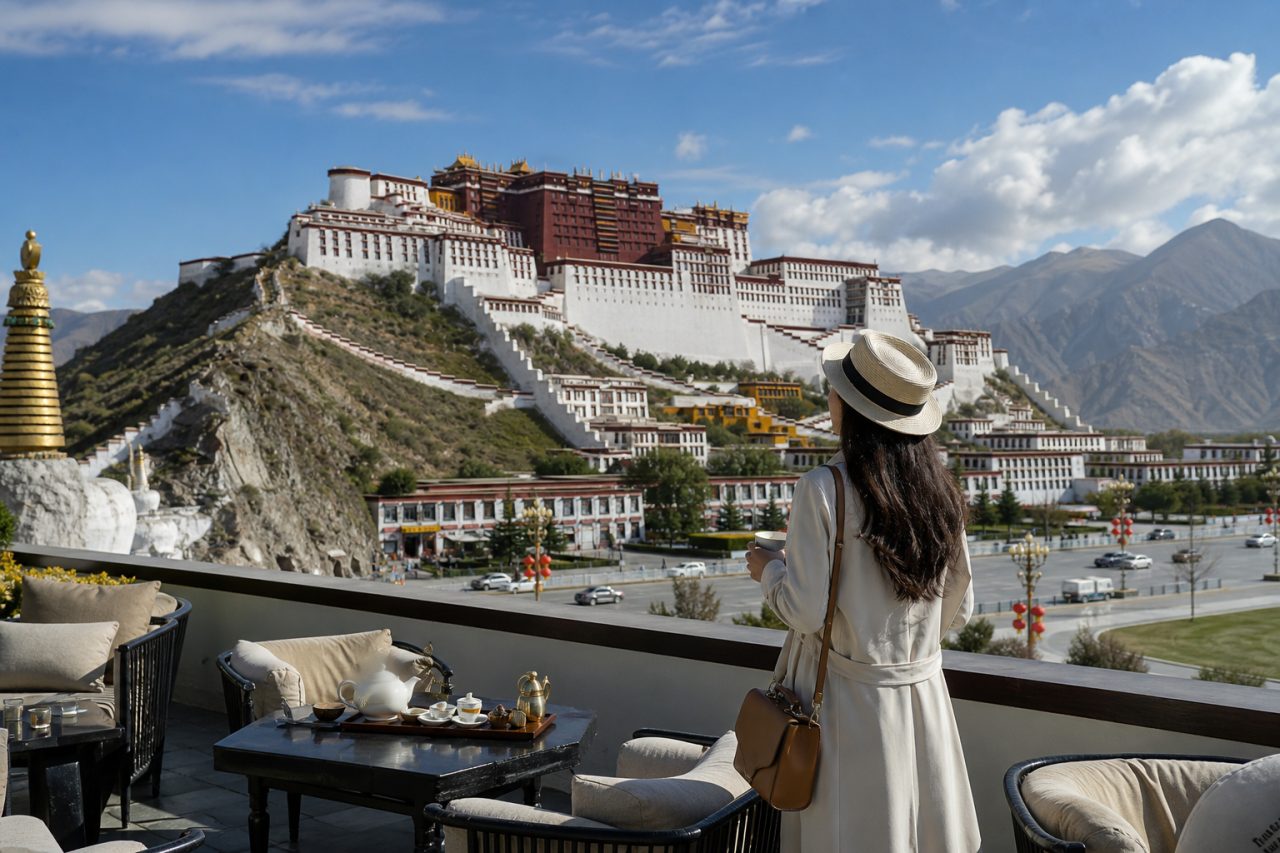
- Use the next two days for major city sites such as Potala Palace, Jokhang Temple, and Barkhor.
- Add one acclimatization-friendly excursion before attempting longer overland travel.
- Move westward only after you are sleeping and walking comfortably at Lhasa altitude.
- Keep the last day flexible enough for departure logistics.
This logic matches general altitude advice from the NHS, which notes that altitude sickness can affect travelers above about 2,500 meters and is more likely when ascent is too fast (NHS: Altitude sickness). It also aligns with the practical guidance in Do You Need Oxygen in Tibet? What Most Travelers Actually Need to Know, which is useful for understanding why oxygen should be treated as backup support rather than a substitute for pacing.
Which decisions matter before you choose a 9-day route
1. Decide whether your priority is culture depth or geographic range
If your priority is Lhasa itself, nine days can feel comfortable. If your priority is “see Tibet broadly,” nine days becomes tight very quickly. A route that tries to include too many distant points may look impressive in a brochure but leave very little time at each stop.
A useful question is this: do you want to remember Tibet as a place you experienced, or as a list you completed? In a high-altitude region, that difference matters more than in lowland city travel.
2. Check the permit timeline before comparing prices
The permit is not a small admin detail. It shapes when you can travel, how late you can book, and whether your transport plan is realistic. The practical steps, lead-time issues, and common errors are laid out in how to apply for a Tibet Travel Permit.
For nationality-specific preparation, UK travelers can review Tibet visa for UK citizens, and American travelers can review Tibet tours from the USA. Those pages are useful because document timing and flight-routing assumptions often differ by market.
3. Treat altitude comfort as part of the itinerary, not a side issue
The beginner mistake is assuming that feeling fine on arrival means the whole route will be easy. Lhasa is already high. If your 9-day trip adds passes or Everest-side overnight stops, the physical demand rises. The CDC and NHS sources above are more relevant to itinerary quality than many price comparisons because an overpacked route can reduce both comfort and enjoyment.
A first-time European traveler with limited annual leave may still choose the broader route, but should favor a plan with at least two full days in Lhasa before heading higher. A repeat high-altitude traveler may tolerate a faster schedule, but even then the route should be judged on sleeping altitude and drive length, not only on attraction count.
The biggest mistakes travelers make when comparing 9-day Tibet tours
- Comparing only by price: A lower quote may exclude key items, use weaker hotel locations, or compress the route in ways that make the trip harder. The comparison points in the Tibet travel package guide are more useful than headline price alone.
- Ignoring long transfer days: On Tibet overland routes, a scenic stop on a map may still mean many hours in a vehicle. That affects who the trip suits, especially older travelers or anyone unsure about altitude.
- Assuming oxygen solves bad pacing: Supplemental oxygen can help in some situations, but it does not replace acclimatization planning. The internal guide on do you need oxygen in Tibet explains this distinction clearly.
- Choosing by attraction list rather than route logic: Two itineraries can name the same highlights while delivering very different experiences. The better one is usually the one with cleaner sequencing, fewer unnecessary hotel changes, and more realistic daily timing.
- Underestimating operator quality: In Tibet, permit handling, transport coordination, and day-to-day route judgment matter more than polished marketing copy. The questions in how to compare Tibet travel agencies help separate operational quality from sales language.
A quick checklist before you commit
- Passport validity checked and permit documents ready.
- Arrival city and onward transport chosen around permit delivery timing.
- First two days in Lhasa kept light enough for altitude adjustment.
- Daily drive lengths reviewed, not just destination names.
- Hotel category, meals, and entrance fees compared line by line.
- Emergency oxygen policy and vehicle support clarified with the operator.
- Cancellation, change, and weather-disruption terms reviewed in writing.
When a 9-day Tibet tour is a smart choice, and when it is not
A 9-day Tibet tour is a smart choice for first-time visitors who want a meaningful Tibet experience without turning the trip into a rushed transit exercise. It suits travelers who can handle a moderate pace, accept that Tibet requires permit-led planning, and prefer one strong route over trying to cover every region.
It is less suitable for travelers who want both deep Lhasa exploration and a wide overland circuit with little tolerance for long drives. In that case, a shorter Lhasa-only itinerary may be more comfortable, or a longer trip may be the better value because it reduces pressure and improves acclimatization.
The practical way to choose is to compare route logic, altitude pacing, and permit handling before you compare brochure language. If you are still narrowing options, start with the Tibet travel package guide and how to compare Tibet travel agencies. Those two checks usually tell you faster than price alone whether a 9-day Tibet tour actually fits your trip.
Disclaimer: Entry rules, transport schedules, road access, and health guidance can change. Before paying for any Tibet itinerary, confirm current permit handling, transport arrangements, and altitude-related preparation using your operator’s latest written information and current public guidance such as the CDC high-altitude travel page and NHS altitude sickness guidance.
Route suitability
Dynamic Trust & Reassurance Block
Use this article as a planning reference, not a final commitment
Route suitability
For "9-Day Tibet Tour: What You Can See, How to Pace It, and Who This Itinerary Fits", the right route depends on available days, altitude comfort, transport preference and the experience you want to prioritize.
Decision support
Use this article to compare route trade-offs, pacing and must-confirm logistics before choosing a final itinerary.
Before you commit
Before committing, confirm permit feasibility, road access, hotel availability, physical difficulty and your preferred travel pace.
Last reviewed: July 11, 2026
Design Your RouteRoute design support
Need help turning this route idea into a real plan?
We can help adjust the itinerary around your dates, pace, altitude comfort, permit needs and must-see places.
Design Your RouteYou Might Also Like
Jul 22, 2026
Tibet with Kids: Family-Friendly Routes, Age Limits, and Comfort Planning
Planning Tibet w…
Jul 22, 2026
Tibet Travel Insurance Guide: What Policies Should Cover for Remote Trips
Choosing Tibet t…
Jul 21, 2026
2026 Lhasa Luxury Travel Itineraries: How to Choose the Right Private Tibet Trip
Compare 2026 Lha…