
Best Places to Visit in Tibet: How to Choose the Right Destination for Your Trip
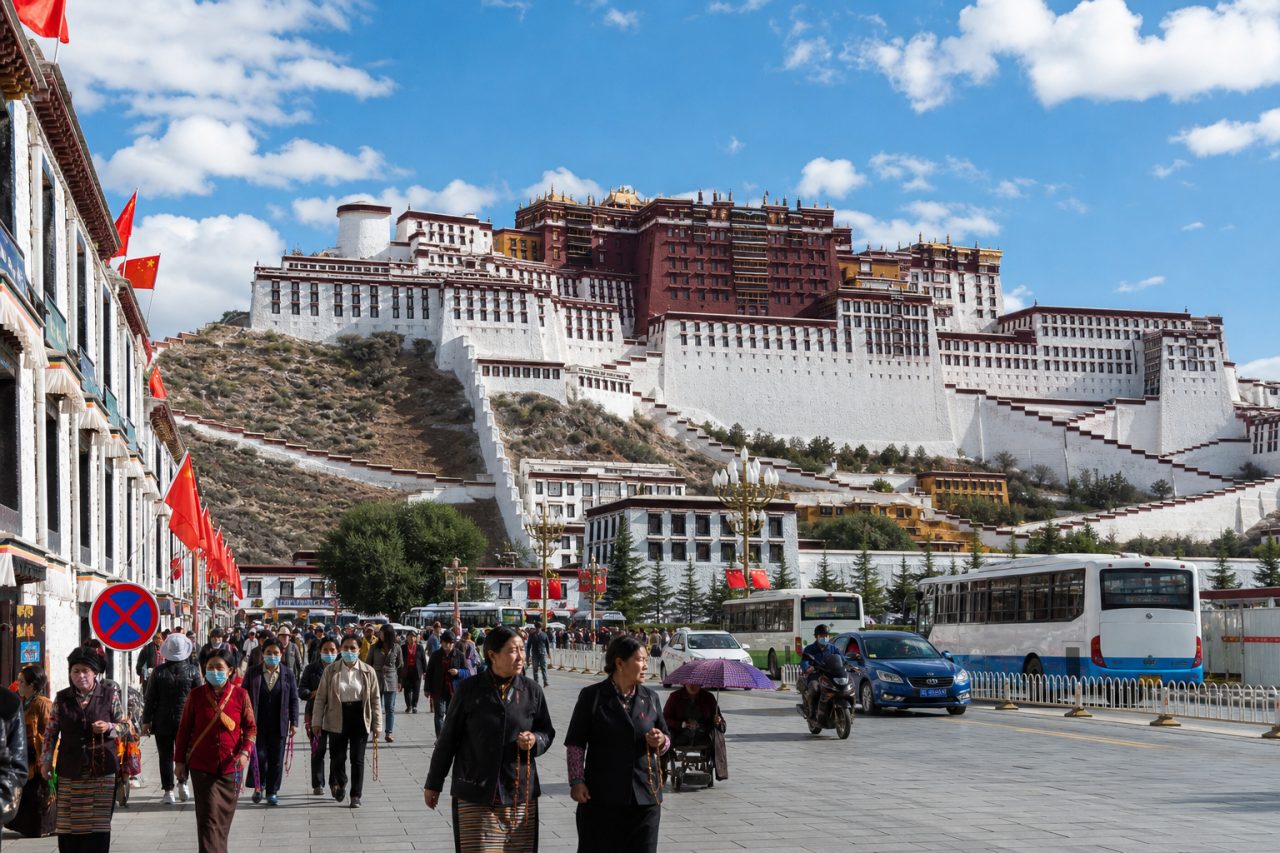
If you are planning a first trip to Tibet, the real question is not which place is the most famous. It is which place gives you the right balance of culture, altitude, road time, and once-in-a-lifetime value for the days you actually have. For most first-time visitors, the best place to visit in Tibet is Lhasa, because it combines Tibet’s major cultural landmarks, manageable trip structure, and a better acclimatization path than more remote routes.
That judgment changes if your priority is very specific. Everest Base Camp in Tibet is stronger for iconic Himalayan scenery. Mount Kailash is more meaningful for pilgrims or repeat visitors willing to commit more time and physical effort. Namtso works better as a scenic extension than as the center of a first Tibet trip. The key is to match the destination to your reason for going, not to a generic ranking.
Why Lhasa Is the Best Choice for Most First-Time Travelers
Lhasa is usually the smartest first stop because it gives you the highest concentration of Tibetan history, religion, and city-based sightseeing without requiring long overland days from the start. The Potala Palace, Jokhang Temple, Barkhor circuit, Sera Monastery, and Drepung Monastery are not side attractions. They are the core of what many travelers mean when they say they want to “see Tibet.”
Lhasa is also the place where many travelers discover whether they want a cultural Tibet trip or a landscape-driven one. According to the U.S. Centers for Disease Control and Prevention high-altitude guidance, altitude illness risk increases with rapid ascent and limited acclimatization time, which is why a city-based start matters for trip planning at elevation (CDC, Travel to High Altitudes). For practical pacing and acclimatization judgment, Tibet Journeys explains in Do You Need Oxygen in Tibet? What Most Travelers Actually Need to Know that many travelers do better with gradual adjustment than with an immediate push into the highest routes.
The most common mistake is assuming that a more remote destination automatically makes a better trip. For many first-timers, the opposite is true. Lhasa gives you the strongest foundation, and then you can decide whether to add Yamdrok Lake, Shigatse, or the road toward Everest.
When Everest Base Camp Is the Better Answer
If your main goal is to see the north face of Mount Everest from the Tibetan side, then the best place to visit in Tibet may be the Everest Base Camp route rather than Lhasa alone. This is the classic choice for travelers who care more about open plateau landscapes, long road journeys, and major mountain views than monastery depth.
But this is where trade-offs matter. Everest Base Camp in Tibet is not a simple day trip. It usually works best as an extension after Lhasa and central Tibet, because that sequence gives your body more time to adjust and makes the road journey feel earned rather than punishing. Tibet Journeys’ 9-Day Tibet Tour: What You Can See, How to Pace It, and Who This Itinerary Fits is useful here because it shows how much can realistically be covered on a medium-length trip without turning the itinerary into a race.
The boundary where advice changes is simple: if you have fewer than about 7 to 9 days in Tibet, prioritizing Everest often means sacrificing too much depth in Lhasa or creating a rushed schedule. If you have more time and you strongly value mountain scenery, the Lhasa-to-Everest route becomes much more compelling.
Where Mount Kailash Fits
Mount Kailash is one of the most spiritually significant destinations in the region, but it is not the best first answer for most general travelers. It suits a narrower profile: pilgrims, travelers with a strong religious or personal reason to go, or visitors returning to Tibet after already seeing the classic Lhasa route.
The biggest risk with Kailash is misunderstanding what kind of trip it is. This is less about sightseeing density and more about commitment, distance, weather exposure, and physical resilience. A traveler choosing Kailash for its fame alone may end up with the wrong Tibet experience, especially if what they really wanted was a first introduction to Tibetan culture and landmarks.
That does not make Kailash less important. It means its value is specialized. If spiritual purpose is your top priority, advice changes sharply, and Kailash can become the right centerpiece despite the extra demands.
Is Namtso the Best Place to Visit in Tibet?
Namtso is one of Tibet’s most visually striking lake destinations, but it is usually better treated as an add-on than as the single best place to base a whole Tibet trip around. For first-time visitors, it often works best as a scenic contrast after time in Lhasa.
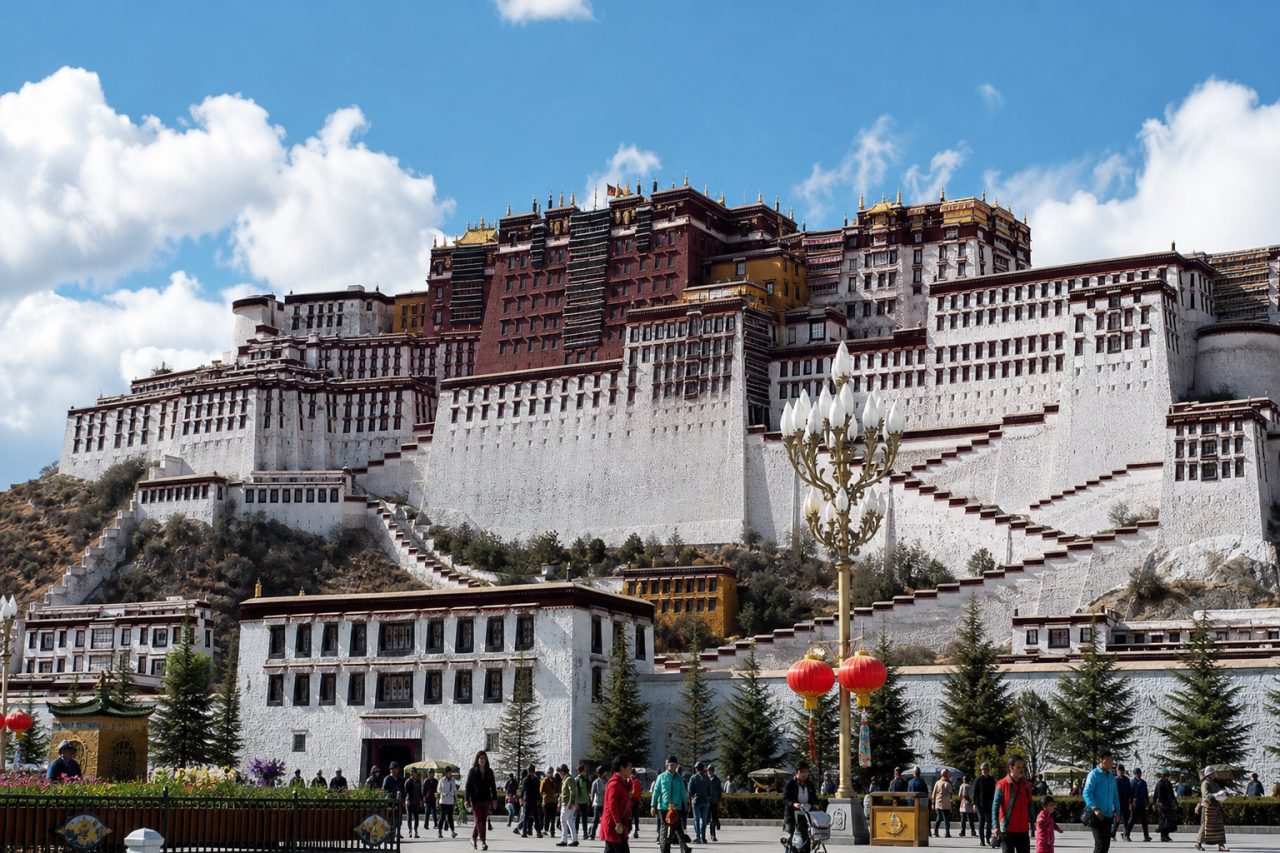
The reason is decision value, not beauty. A lake stop can be memorable, but on its own it does not usually deliver the same cultural depth or trip-defining range as Lhasa, and it does not carry the same iconic mountain payoff as Everest. In practice, many travelers remember Namtso most when it is part of a broader itinerary, not when it replaces the essentials.
What Matters More Than Popularity
Three priorities should drive your choice. First, decide whether you are traveling for culture, mountain scenery, or spiritual purpose. Second, match the route to your available days. Third, take altitude tolerance seriously before choosing a higher, longer overland trip.
Permit logistics matter too. Tibet travel is not a fully independent, open-access destination for foreign travelers in the same way as many other regions in China. For permit workflow and timing, see How to Apply for a Tibet Travel Permit: Steps, Timeline, and Common Mistakes. If you are traveling from the United States, Tibet Tours from the USA: What American Travelers Need to Know Before Booking and Is It Safe for Americans to Go to Tibet? What to Check Before You Travel help translate those rules into practical planning questions.
Season also changes what “best” means. A destination chosen for clear mountain views may not be the same destination you would choose for festival timing or easier road conditions. For route timing and visibility trade-offs, see Best Month to Visit Tibet: When to Go for Weather, Festivals, and Clear Mountain Views.
A Simple Way to Choose
| Traveler Goal | Best Tibet Choice | Why It Fits |
|---|---|---|
| First trip, broad interest | Lhasa | Best mix of culture, access, acclimatization, and landmark value |
| Iconic Himalayan scenery | Lhasa + Everest Base Camp | Better for major mountain views if you have enough days |
| Spiritual or pilgrimage purpose | Mount Kailash | Most meaningful when the religious goal matters more than comfort |
| Short scenic extension | Namtso or nearby add-on | Works well after Lhasa, but usually not as the whole trip focus |
The Best Recommendation for Most Readers
For most foreign travelers asking this question for the first time, the best place to visit in Tibet is Lhasa, with the option to extend outward if time and altitude comfort allow. That answer is not conservative. It is the highest-confidence recommendation because it protects trip quality, lowers the chance of choosing a route that is too thin or too demanding, and still leaves room for Everest or other scenic extensions.
If your trip is short, choose Lhasa and do it well. If you have more time and want the strongest mountain scenery, add the Everest route. If your reason for travel is pilgrimage or deep spiritual meaning, Kailash may outweigh every other consideration. That is the point where the “best place” stops being universal and becomes personal.
Disclaimer: Tibet access rules, route openings, and travel procedures can change. Before finalizing a destination, confirm current permit requirements, route feasibility, and health considerations with your operator and review current public guidance such as the CDC altitude resource at https://wwwnc.cdc.gov/travel/page/travel-to-high-altitudes.
Route suitability
Dynamic Trust & Reassurance Block
Use this article as a planning reference, not a final commitment
Route suitability
For "Best Places to Visit in Tibet: How to Choose the Right Destination for Your Trip", the right route depends on available days, altitude comfort, transport preference and the experience you want to prioritize.
Decision support
Use this article to compare route trade-offs, pacing and must-confirm logistics before choosing a final itinerary.
Before you commit
Before committing, confirm permit feasibility, road access, hotel availability, physical difficulty and your preferred travel pace.
Last reviewed: July 12, 2026
Design Your RouteRoute design support
Need help turning this route idea into a real plan?
We can help adjust the itinerary around your dates, pace, altitude comfort, permit needs and must-see places.
Design Your RouteYou Might Also Like
Jul 22, 2026
Tibet Photography Guide: Best Places, Camera Rules, and Drone Restrictions
Plan where to sh…
Jul 22, 2026
Tibet with Kids: Family-Friendly Routes, Age Limits, and Comfort Planning
Planning Tibet w…
Jul 22, 2026
Tibet Travel Insurance Guide: What Policies Should Cover for Remote Trips
Choosing Tibet t…