
High-Altitude Travel Guide: How to Prepare, Acclimatize, and Stay Safe in Tibet
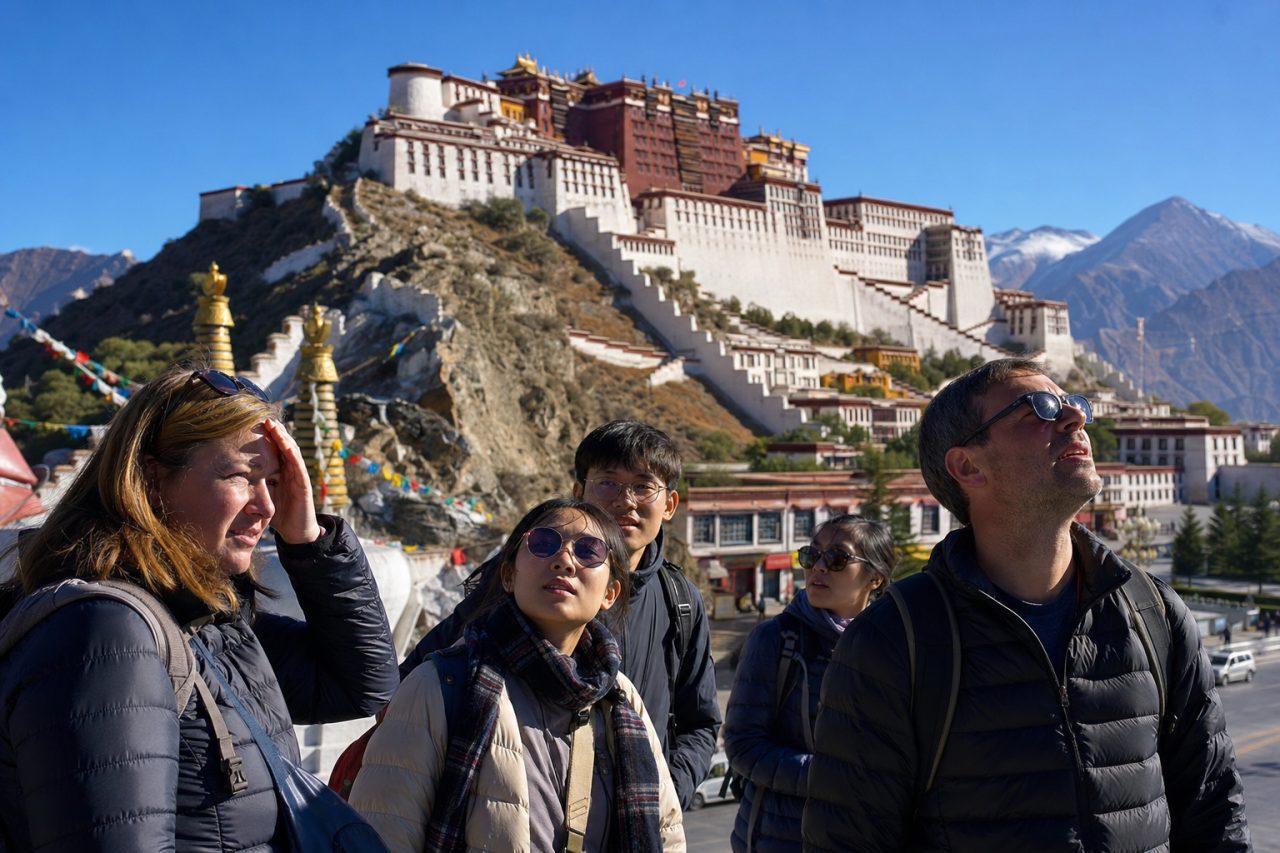
If you are planning a Tibet trip and wondering whether the altitude will ruin it, that is the right question to ask before booking. The real decision is not simply whether you can go, but whether your route, pace, and first two days give your body a fair chance to adapt. For most first-time visitors, Tibet is realistic with sensible planning, but rushed itineraries, poor pacing, and ignoring early symptoms are what turn an exciting trip into a hard one.
Tibet travel often starts in Lhasa, which sits at about 3,650 meters (11,975 feet), high enough that many travelers feel the altitude on arrival. The U.S. Centers for Disease Control and Prevention notes that altitude illness can begin above about 2,500 meters and that risk rises with rapid ascent, prior history, and how fast you continue climbing (CDC, Travel to High Altitudes). That means your first planning priority is not seeing more places. It is building an itinerary that starts gently and leaves room to slow down if needed.
What high-altitude travel in Tibet usually feels like
For many first-time travelers, the first 24 to 48 hours in Lhasa feel different rather than dramatic. Mild headache, lighter sleep, faster breathing when walking uphill, lower appetite, and unusual fatigue are common early adjustment symptoms according to the MSD Manual Consumer Version, Altitude Illness. These symptoms do not automatically mean your trip is going wrong.
The mistake is trying to “push through” by sightseeing aggressively on day one. A traveler who lands after a long international flight, checks in, climbs stairs quickly, and packs the afternoon with major sights is far more likely to feel worse by evening. In Tibet, the smartest first-day plan is often a short walk, light meals, hydration, and an early night.
Who should use extra caution before planning
Fitness does not protect you from altitude illness. The CDC makes that point clearly: healthy, active travelers can still develop acute mountain sickness, and previous easy trips at moderate elevation do not guarantee the same result at higher altitude (CDC, Travel to High Altitudes).
You should be more cautious if you have had altitude illness before, have heart or lung conditions, are planning to continue quickly above Lhasa, or are booking a short trip with little room for recovery. If any chronic medical condition could affect breathing, circulation, or emergency response, a pre-trip conversation with your doctor is the sensible step. That matters more than buying extra gear or chasing generic travel hacks.
How to acclimatize in Tibet without making the common mistakes
The core rule is simple: arrive, go slowly, and delay heavy effort. The CDC recommends gradual ascent when possible and reduced activity for the first few days at altitude (CDC, Travel to High Altitudes). In Tibet, that translates into a conservative arrival day and a lighter sightseeing schedule early in the trip.
Hydration helps comfort, but it is not a cure for altitude illness. Another common misconception is that drinking a lot of water will prevent problems; it will not. What does help is staying well rested, avoiding heavy alcohol intake on arrival, eating simply if your appetite drops, and keeping your walking pace deliberately slower than usual.
If you are choosing between a packed short tour and a route with more adjustment time in Lhasa, the slower option is usually the better decision. A well-paced 9-day Tibet itinerary often gives first-time visitors a better adaptation curve than a compressed route that pushes long drives and higher overnight stops too early.
Which symptoms are manageable, and which mean you should change plans
The Merck Manual Professional Edition, Altitude Illness distinguishes mild acute mountain sickness from the more dangerous conditions high-altitude cerebral edema and high-altitude pulmonary edema. For travelers, the practical takeaway is this: mild headache, mild nausea, tiredness, and poor sleep can often be watched with rest. Symptoms that are getting worse, not better, need a more serious response.
Stop ascending and get help if you have severe headache, repeated vomiting, confusion, trouble walking straight, unusual shortness of breath at rest, or a cough with worsening breathlessness. Those are not “normal Tibet symptoms.” The CDC and Merck both treat worsening neurologic or breathing symptoms as warning signs that require urgent attention and often descent (CDC, Travel to High Altitudes; Merck Manual Professional Edition).
The most important boundary is this: if symptoms are mild and stable, slow down. If symptoms are worsening or affecting balance, thinking, or breathing, change plans immediately. Many avoidable emergencies start when travelers keep moving higher because they do not want to disrupt the itinerary.
How to judge whether a Tibet itinerary is paced safely
A good Tibet itinerary respects the adjustment window at the start. It does not demand major physical effort on arrival day, and it does not treat Lhasa as a quick transit stop before pushing farther across the plateau. If the route climbs fast, adds long overland days early, or strings together too many sights before your body settles, the itinerary is doing the opposite of what altitude medicine recommends.
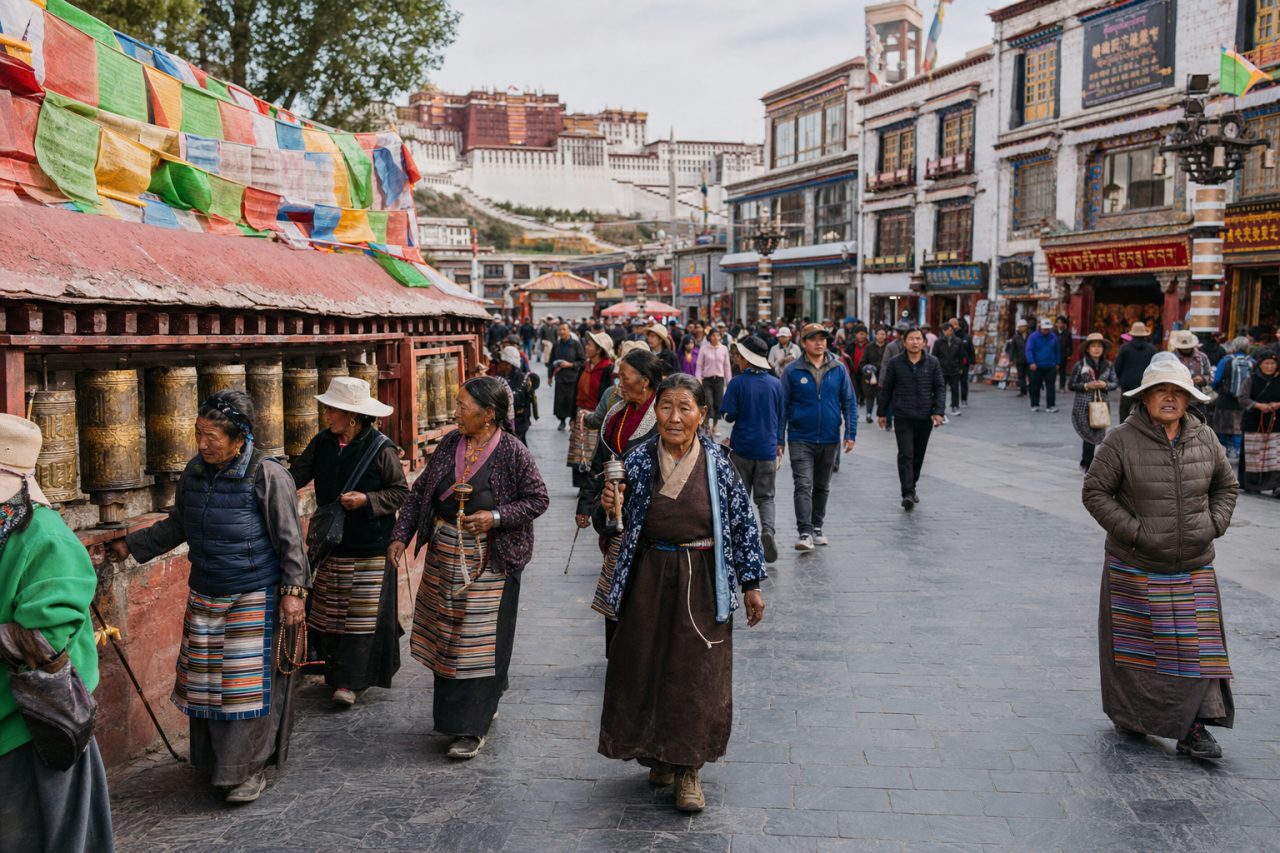
For many first-time travelers, a safer structure is: arrive in Lhasa, keep day one light, spend the next days on a manageable sightseeing rhythm, then continue to higher or more remote areas only after you know how you are responding. If you are still comparing routes, a practical Tibet travel package guide can help you look past headline attractions and judge whether the pace itself is reasonable.
This is also why trying to see every major landmark early is usually the wrong goal. It is better to choose fewer priority stops from the top attractions in Tibet and protect your energy than to overload the opening days and lose the rest of the trip to fatigue.
What to do before departure
Before you leave, confirm three things: your first two days are light, your accommodation and transport plan do not force unnecessary exertion, and you know which symptoms require help. If you use medication related to altitude, that should be discussed with your doctor before travel rather than decided at the airport. Medical guidance is individual, especially if you take regular prescriptions or have underlying conditions.
Then handle the practical side honestly. A long-haul traveler arriving from the U.S. or Europe may be dealing with jet lag, dry air, disrupted sleep, and altitude all at once. That combination is a strong reason to book a route with margin, not a route that assumes you will perform well immediately. Readers planning from overseas may also find it useful to review Tibet-specific logistics in Tibet tours from the USA.
The one mistake to avoid
The biggest mistake in Tibet is not lack of bravery or lack of gear. It is building an itinerary that gives you no room to adjust, then treating worsening symptoms as something to outlast. A successful high-altitude trip is usually the one where the traveler accepts a slower start, watches symptoms honestly, and protects the first 48 hours.
If you are still deciding whether your route is too ambitious, compare the pace before you compare the scenery. That one choice does more for comfort and safety than almost anything else. For destination planning, it can also help to narrow the best places to visit in Tibet to the stops that fit your altitude tolerance instead of trying to do everything at once.
Disclaimer: This guide is for travel planning and general education, not personal medical diagnosis. If you have prior altitude illness, significant heart or lung disease, or develop severe or worsening symptoms during travel, seek qualified medical care promptly.
Medical safety
Dynamic Trust & Reassurance Block
Use this article as a planning reference, not a final commitment
Medical safety
For "High-Altitude Travel Guide: How to Prepare, Acclimatize, and Stay Safe in Tibet", altitude response and physical comfort can vary between travelers, so the guidance should be treated as preparation context rather than personal medical advice.
Decision support
Use this article to decide what pace, acclimatization time, route difficulty and warning signs need discussion before you choose a travel plan.
Before you commit
Before committing, match the advice to your age, fitness, previous altitude exposure and any medical guidance you receive from a qualified professional.
Last reviewed: July 12, 2026
Plan a Safer PaceHigh-altitude planning
Planning Tibet at high altitude?
We can help design a slower-paced itinerary with proper acclimatization time, suitable route choices and local support.
Plan a Safer Tibet JourneyYou Might Also Like
Jul 22, 2026
Tibet Photography Guide: Best Places, Camera Rules, and Drone Restrictions
Plan where to sh…
Jul 22, 2026
Tibet with Kids: Family-Friendly Routes, Age Limits, and Comfort Planning
Planning Tibet w…
Jul 22, 2026
Tibet Travel Insurance Guide: What Policies Should Cover for Remote Trips
Choosing Tibet t…