
Tibet Family Tour With Toddlers: Altitude Safety and Packing Checklist
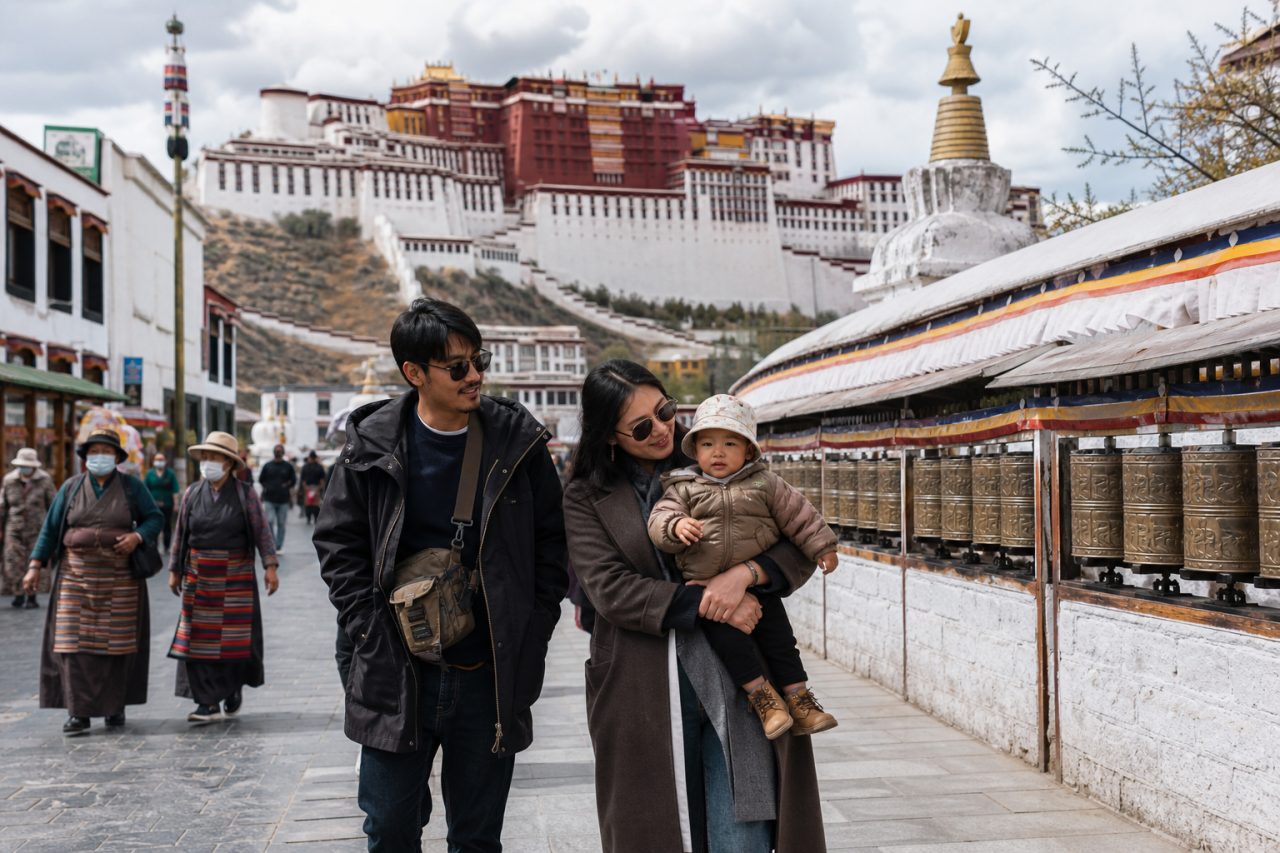
Traveling to Tibet with a toddler is possible for some families, but it is not a trip to book on enthusiasm alone. The real decision is not “can children go to Tibet?” but whether your child, your trip length, and your itinerary design make the altitude and logistics reasonable enough to justify going now.
The most useful answer is this: a toddler-focused Tibet trip can be realistic when you keep the route slow, stay in Lhasa first, use private flexible transport, and accept that you may need to cut sightseeing. It is a poor fit when the child has been unwell recently, the family only has a few days, or the plan includes long drives and rapid moves to higher areas.
For foreign travelers, permit timing and access rules also affect whether a family plan is practical, so check the latest permit guidance before you commit to flights or hotels: Can Foreigners Visit Tibet Now? Latest Travel Permits & Restrictions Explained.
Is a Tibet family tour with a toddler a good idea?
It can be, but only under a narrower set of conditions than a standard Tibet tour. The main problem is that altitude illness is unpredictable, and a toddler may not explain headache, dizziness, or unusual breathing clearly.
The CDC Yellow Book notes that acute altitude illness can affect travelers above 2,500 meters and that symptoms can worsen if activity continues despite warning signs. See the CDC’s high-altitude travel guidance here: CDC Yellow Book: High-Elevation Travel and Altitude Illness.
Lhasa is already around 3,650 meters, which means the first two days matter more than the attraction list. If your family cannot accept a rest-first pace, Tibet is probably the wrong trip right now.
How to judge altitude risk before you book
The safest approach is to treat this as a go or postpone decision, not as a packing problem. A toddler who is recovering from a cold, fever, stomach illness, or poor sleep run should not be pushed into a high-altitude itinerary just because flights are booked.
Professional medical guidance also matters because young children may show altitude stress through behavior rather than clear complaints. Merck Manual Professional Edition notes that altitude illness can involve headache, loss of appetite, nausea, fatigue, poor sleep, and in serious cases breathing problems or confusion: Merck Manual Professional Edition: Altitude Illness.
A reasonable family candidate is a toddler who is currently well, handles travel days fairly well, sleeps acceptably away from home, and whose parents are comfortable slowing or canceling plans. A poor candidate is a child with recent illness, very low tolerance for car time, or parents trying to fit Tibet into a short, fixed schedule.
The safest itinerary shape for families with toddlers
The best family route is usually Lhasa-focused, with at least the first two nights used mainly for rest, hydration, light walking, and short sightseeing windows. That reduces avoidable strain during the period when altitude symptoms often first show up.
For broader route planning, this family-specific guide is useful: Family Travel to Tibet: How to Plan a Safe, Realistic Trip With Children. If you are comparing a more ambitious classic route, use it as a contrast rather than a default family plan: Tibet 13 Day Itinerary: How to Plan the Right Route, Pace, and Budget.
A practical toddler itinerary usually has these rules: one base hotel in Lhasa first, no long sightseeing day on arrival, no pressure to visit every monastery, and short daily windows with naps protected. The mistake to avoid is moving quickly just because adults feel fine on day one.
Some families ask whether train arrival is gentler than flying. It may feel easier for some travelers because the ascent is more gradual, but it also means a much longer travel day, which can be hard on a toddler; comfort depends more on your child’s travel tolerance than on a universal rule.
What to ask a Tibet travel agency before you confirm
This is where many families choose badly. The right operator for adults is not always the right operator for a toddler.
- Can the itinerary stay in Lhasa first with flexible daily timing?
- Will we have a private vehicle so we can stop early if the child is unwell?
- How long are the actual drive segments, not just map distances?
- Can the hotel provide heating, a quiet room, and easy meal timing?
- What is the plan if the child develops concerning symptoms?
- Is oxygen available in the vehicle or hotel, and how is it used within an emergency response plan?
Oxygen access can be helpful as backup, but it is not a substitute for slower pacing or descent when symptoms are worsening. The CDC’s emergency warning signs include severe shortness of breath at rest, confusion, inability to walk normally, or worsening symptoms despite rest; those require urgent medical help and descent planning, not more sightseeing: CDC emergency guidance on altitude illness.
Toddler packing checklist for Tibet
Your packing list should solve the actual failure points in Tibet: cold mornings and evenings, strong sun, dry air, disrupted naps, appetite changes, and limited tolerance for long days.
- Clothing: layered base tops, warm mid-layers, insulated outer layer, hat, sun hat, warm socks, comfortable walking shoes, sleepwear for cool nights.
- Sun and dryness: child-safe sunscreen, lip balm, gentle moisturizer, saline spray if your pediatrician already recommends it, refillable water bottles.
- Sleep support: familiar blanket or sleep sack, comfort toy, blackout aid if useful, nighttime diapers or backup bedding protection.
- Food and hydration: familiar snacks, easy breakfast items, spill-proof cup, oral rehydration supplies suitable for your child.
- Health kit: thermometer, regular prescribed medicines, pediatric pain or fever medicine you already use appropriately, tissues, wipes, hand sanitizer.
- Daily logistics: lightweight carrier, very compact stroller only for smooth urban stretches, extra changes of clothes, plastic bags for wet or dirty items.
Season affects both comfort and packing. Use this month-by-month guide when choosing dates and clothing weight: Best Time to Visit Tibet: Month-by-Month Weather, Festivals, and Travel Costs.
When to postpone, change the route, or end the day early
Postpone if your toddler is sick before departure, if the trip is too short to allow a slow start, or if the planned route jumps quickly into longer, higher overland sections. Also rethink the trip if your child is extremely sensitive to sleep disruption or motion sickness.
Change the day’s plan if you notice unusual lethargy, reduced appetite, repeated vomiting, unusual irritability, poor sleep, or much less interest in walking and playing than normal. These signs do not always mean altitude illness, but in Tibet they should be taken seriously because toddlers cannot describe symptoms reliably.
End the day and seek medical help urgently for breathing difficulty at rest, bluish lips, confusion, inability to stay awake, or symptoms that clearly worsen. For a broader overview of practical Tibet-specific preparation, see What to Pay Attention to When Traveling to Tibet: Permits, Altitude, Timing, and Practical Risks.
Final recommendation
If your goal is a slow, family-centered Tibet trip with realistic expectations, a toddler can sometimes be included safely enough to justify booking. If your goal is to cover a lot of ground, test higher passes quickly, or keep a tight sightseeing schedule, postpone and go when your child is older.
The right success standard is simple: your child stays well enough, the family keeps control of the pace, and you are willing to skip sights to protect rest and recovery. That is a much better standard than “did we complete the full itinerary?”
Medical safety
Dynamic Trust & Reassurance Block
Use this article as a planning reference, not a final commitment
Medical safety
For "Tibet Family Tour With Toddlers: Altitude Safety and Packing Checklist", altitude response and physical comfort can vary between travelers, so the guidance should be treated as preparation context rather than personal medical advice.
Decision support
Use this article to decide what pace, acclimatization time, route difficulty and warning signs need discussion before you choose a travel plan.
Before you commit
Before committing, match the advice to your age, fitness, previous altitude exposure and any medical guidance you receive from a qualified professional.
Last reviewed: July 15, 2026
Plan a Safer PaceHigh-altitude planning
Planning Tibet at high altitude?
We can help design a slower-paced itinerary with proper acclimatization time, suitable route choices and local support.
Plan a Safer Tibet JourneyYou Might Also Like
Jul 22, 2026
Tibet Photography Guide: Best Places, Camera Rules, and Drone Restrictions
Plan where to sh…
Jul 22, 2026
Tibet with Kids: Family-Friendly Routes, Age Limits, and Comfort Planning
Planning Tibet w…
Jul 22, 2026
Tibet Travel Insurance Guide: What Policies Should Cover for Remote Trips
Choosing Tibet t…
Common Questions
Questions Readers Usually Ask Next
These answers close the practical questions still left after this guide, so you can decide what to do next without another search.
Is arriving in Tibet by train easier than flying with a toddler?
Train arrival can feel gentler for some families because the ascent is more gradual, but it is not automatically better. The trade-off is long travel time, disrupted naps, and less flexibility versus a faster flight followed by a very light first 24 to 48 hours in Lhasa.
Should we bring oxygen and assume that solves the altitude issue?
No. Oxygen can be a backup support, but it does not make a fast itinerary safe or replace careful observation, rest, and the willingness to stop or descend if symptoms worsen.
Is a stroller useful in Lhasa?
Usually only in limited situations. A compact stroller may help in flatter urban areas and airports, but uneven ground, steps, crowded walking areas, and vehicle loading mean a baby carrier is often more practical.
Should infants go to Tibet?
Families should be much more cautious with infants because they cannot communicate symptoms and routine disruption is harder to manage. Many families are better off postponing until the child is older unless a doctor familiar with the child's health gives specific reassurance and the itinerary stays very conservative.