
Family Travel to Tibet: How to Plan a Safe, Realistic Trip With Children
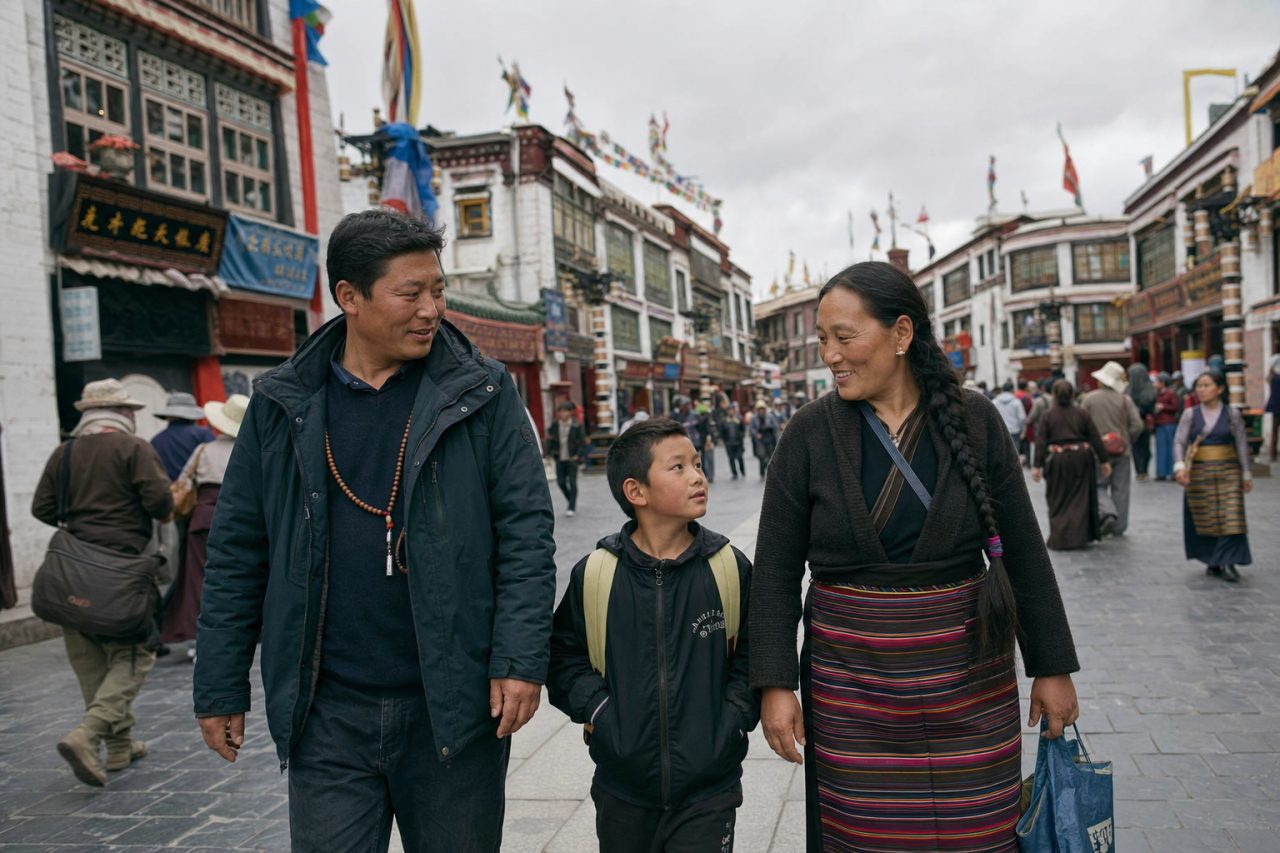
Family travel to Tibet can work, but it is not a trip to plan like an ordinary city break. The real decision is not whether children are allowed to go. It is whether your child’s age, health, altitude tolerance, and your planned route make the trip realistic enough to be safe, comfortable, and worth the cost.
For most foreign families, Tibet is most suitable when you keep the first days light, avoid rushed high-altitude overland segments, and choose a private itinerary with room to adjust. The U.S. CDC Yellow Book warns that acute altitude illness can affect travelers above 2,500 meters and can progress quickly if symptoms worsen, which matters even more with children because they may describe discomfort less clearly than adults: CDC Yellow Book: High-Altitude Travel and Altitude Illness. Lhasa itself sits at about 3,650 meters according to Encyclopaedia Britannica: Lhasa | Encyclopaedia Britannica.
That does not mean families should automatically avoid Tibet. It means the safest and smartest family trips are conservative by design. If your goal is to decide whether to go, what route fits, and what to ask before booking, these are the points that matter most.
Is Tibet a good choice for family travel?
Yes, for some families. No, for others. Tibet is a good family destination when parents want a culturally focused trip, can accept a slower pace, and are willing to pay more for flexibility, better hotels, and a route built around acclimatization rather than sightseeing volume.
It is a poor fit if your children struggle with long travel days, if anyone has unresolved heart, lung, or altitude-related health concerns, or if the trip only works on a rushed schedule. The most common planning mistake is copying a standard adult itinerary and assuming children can simply join it.
What ages and health situations make a Tibet trip realistic?
There is no single age that guarantees success. In practice, school-age children and teenagers usually fit Tibet better than infants or very young children because older kids can communicate headache, nausea, dizziness, poor sleep, or unusual fatigue more clearly. That matters because the CDC’s high-altitude guidance stresses early symptom recognition and a quick response if illness develops: CDC Yellow Book: High-Altitude Travel and Altitude Illness.
If your child has asthma, heart disease, prior altitude problems, or any condition that could complicate symptom monitoring, get case-specific medical advice before planning the route. That is not a formality. It changes whether Tibet is sensible at all, and whether you should keep the trip to Lhasa-based sightseeing only or postpone it.
A useful rule is this: if your child cannot tell you how they feel, cannot handle disrupted sleep well, or becomes distressed by long drives, Tibet becomes much harder to do well.
How to plan a family itinerary around altitude and pace
Altitude is the main design variable. Attraction lists come second. Since Lhasa is already high, your first two days should stay light even if everyone feels fine on arrival.
For many first-time families, a shorter Lhasa-focused route is the better starting point. A measured version of a Tibet 7 day itinerary gives you enough time for the Potala area, Barkhor, and one or two carefully chosen day trips without turning the trip into a daily endurance test.
A longer trip can also be better if the extra days reduce pressure rather than add more altitude exposure. A slower Tibet 13 day itinerary may suit families who want broader overland travel only if it includes recovery time, shorter sightseeing blocks, and a willingness to skip stops if a child is tired.
Families should be cautious with ambitious Everest-side extensions, repeated high passes, or tightly packed road itineraries. Those routes can be rewarding for adults, but they push the trip toward exactly the conditions that make family travel harder: higher sleeping elevations, longer drives, colder nights, and less flexibility.
Train or flight: which arrival method works better for families?
Many families prefer arriving by train because the ascent is more gradual and the travel day can feel less abrupt than flying straight into Lhasa. The official Qinghai-Tibet Railway operator provides route and service information here: China State Railway Group. A train does not prevent altitude illness, but some travelers find the transition easier.
Flying is faster and often simpler if you are managing school schedules or young children, but the altitude jump is immediate. If you fly, protect the first 24 to 48 hours. Keep activity light, hydrate well, and do not schedule your hardest sightseeing or a long overland transfer on arrival day.
Which season works best for a family trip?
For family comfort, stable weather and moderate daytime conditions usually matter more than chasing peak-season popularity. Broad seasonal climate patterns for Lhasa are available from Weather Spark: Average Weather in Lhasa, China | Weather Spark. Spring and autumn are often easier for many families than the coldest winter periods or the wettest parts of summer, but the right season still depends on your child’s tolerance for cold mornings, strong sun, and changing temperatures.
October is often attractive because the air is usually clearer and holiday-week crowd spikes can be planned around, but timing matters. If that month is on your shortlist, this detailed guide on Is October a Good Time to Travel to Tibet? is the useful next read.
Permits, tour rules, and logistics that affect families
Foreign travelers do not usually travel Tibet independently in the way they might travel other parts of China. Tibet travel for foreigners is generally arranged through authorized local agencies, and the Tibet Travel Permit is a core requirement handled through that process. The official Tibet tourism portal outlines permit-related travel information here: Tibet Tourism.
For families, this matters because permit handling, vehicle quality, guide pacing, and the ability to revise stops are all tied to the operator you choose. A cheap standard package can become expensive in practical terms if it leaves you with fixed departures, unsuitable hotel locations, or no room to slow down when a child needs rest. This is where it helps to read both how to compare Tibet travel packages and how to compare Tibet travel agencies before paying a deposit.
How much does family travel to Tibet cost?
Family trips usually cost more than standard adult join-in tours because the upgrades that matter most for children are the same ones that raise the budget: private vehicle, slower pacing, better hotel comfort, and route flexibility. Those are not luxury extras. They are often the difference between a manageable family trip and a stressful one.
For a realistic breakdown, start with how much a trip to Tibet costs. The main cost drivers are trip length, hotel level, season, number of private driving days, and whether your family needs a customized route instead of a fixed group schedule.
If your budget only works for the cheapest shared itinerary, Tibet may not be the right family trip right now. That is a useful conclusion, not a failed plan.
Permit accuracy
Dynamic Trust & Reassurance Block
Use this article as a planning reference, not a final commitment
Permit accuracy
For "Family Travel to Tibet: How to Plan a Safe, Realistic Trip With Children", permit and entry requirements may change by nationality, route, entry city and travel date.
Decision support
Use this article to identify which documents, timing risks and route constraints need confirmation before flights, hotels or overland plans are locked.
Before you commit
Before committing, check the final requirement against your passport, Chinese visa status, route plan and intended document submission date.
Last reviewed: July 13, 2026
Check Permit GuidePermit timeline support
Need help planning your Tibet permit timeline?
We can help match your travel dates with route options, permit requirements and local arrangements.
Check Your Tibet Travel OptionsYou Might Also Like
Jul 22, 2026
Tibet Photography Guide: Best Places, Camera Rules, and Drone Restrictions
Plan where to sh…
Jul 22, 2026
Tibet with Kids: Family-Friendly Routes, Age Limits, and Comfort Planning
Planning Tibet w…
Jul 22, 2026
Tibet Travel Insurance Guide: What Policies Should Cover for Remote Trips
Choosing Tibet t…
Common Questions
Questions Readers Usually Ask Next
These answers close the practical questions still left after this guide, so you can decide what to do next without another search.
Should families choose a private tour or a group tour?
Private usually fits better. It gives you control over start times, meal stops, pacing, and how much sightseeing to cut if a child is tired. Group tours make more sense for older teens who travel well and for families already confident about altitude and fixed schedules.
When should a family postpone the trip?
Postpone if a child is currently unwell, if a doctor advises against high-altitude travel, if your schedule forces a rushed route, or if you cannot afford the comfort upgrades needed to make the itinerary flexible.
Is a shorter trip always safer?
No. A shorter trip can be better if it stays simple and Lhasa-focused. It can be worse if you try to compress too much driving and altitude change into too few days.
What is the best first-trip standard for families?
A good family itinerary lets you spend the first days gently in Lhasa, limits long drives, keeps sleeping elevations reasonable, and leaves enough slack in the plan to slow down without losing the whole trip. That is the standard to use when comparing operators and routes.